Property Value: What Actually Moves the Needle in UK Home Worth
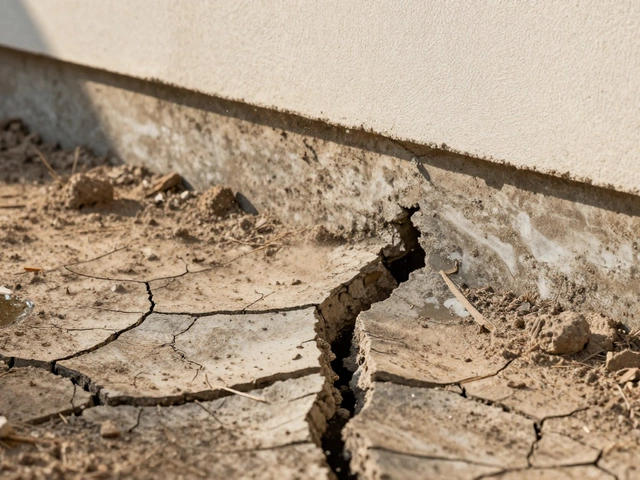
When we talk about property value, the monetary worth of a home based on location, condition, and market demand. Also known as home value, it’s not just about square footage or how shiny the kitchen is — it’s a mix of practical choices, timing, and unseen factors that buyers notice before they even step inside. Many people think upgrading fixtures or painting walls will skyrocket your property value, but the truth is simpler: buyers care more about what they can’t see — the foundation, the insulation, the plumbing behind the tiles.
That’s why home value, the estimated price a house can sell for in its current market often rises not from a new backsplash, but from fixing a leaky roof, updating old wiring, or adding proper insulation. These aren’t glamorous, but they’re the hidden drivers that make a home feel safe and smart to live in. And in the UK, where energy bills are a major concern, a home with good insulation and modern heating can command a 10–15% premium over a similar house without them.
Location still rules, but it’s not just about being near a train station. It’s about how quiet the street is, whether the neighbour’s garden is tidy, if the local school has good Ofsted ratings, and whether the area feels like a place you’d want to stay in for five years — not just flip. Even small things like street lighting, pavement condition, and tree coverage quietly nudge property market, the local and national forces that determine how homes are priced and sold up or down. And when you look at the posts below, you’ll see how small changes — like fridge placement, lighting choices, or even door colours — tie into bigger ideas about comfort, efficiency, and long-term appeal.
Some of the most valuable upgrades aren’t even structural. A well-planned kitchen layout, for example, doesn’t just make cooking easier — it signals to buyers that the house was thoughtfully maintained. Same with bathroom renovation order: if walls were done before the floor, it tells a trained eye that the work was done right. These aren’t just tips — they’re signals. And in a competitive market, signals matter more than you think.
What you’ll find below isn’t a list of quick fixes. It’s a collection of real, practical insights from people who’ve lived through renovations, built homes, and watched property values shift over time. Whether you’re thinking of selling, planning an upgrade, or just curious why your neighbour’s house sold faster, these posts break down what actually works — no fluff, no hype, just what moves the needle on house appreciation, the increase in a home’s value over time due to improvements, location, or market trends and why.
Is a House Extension Worth It?
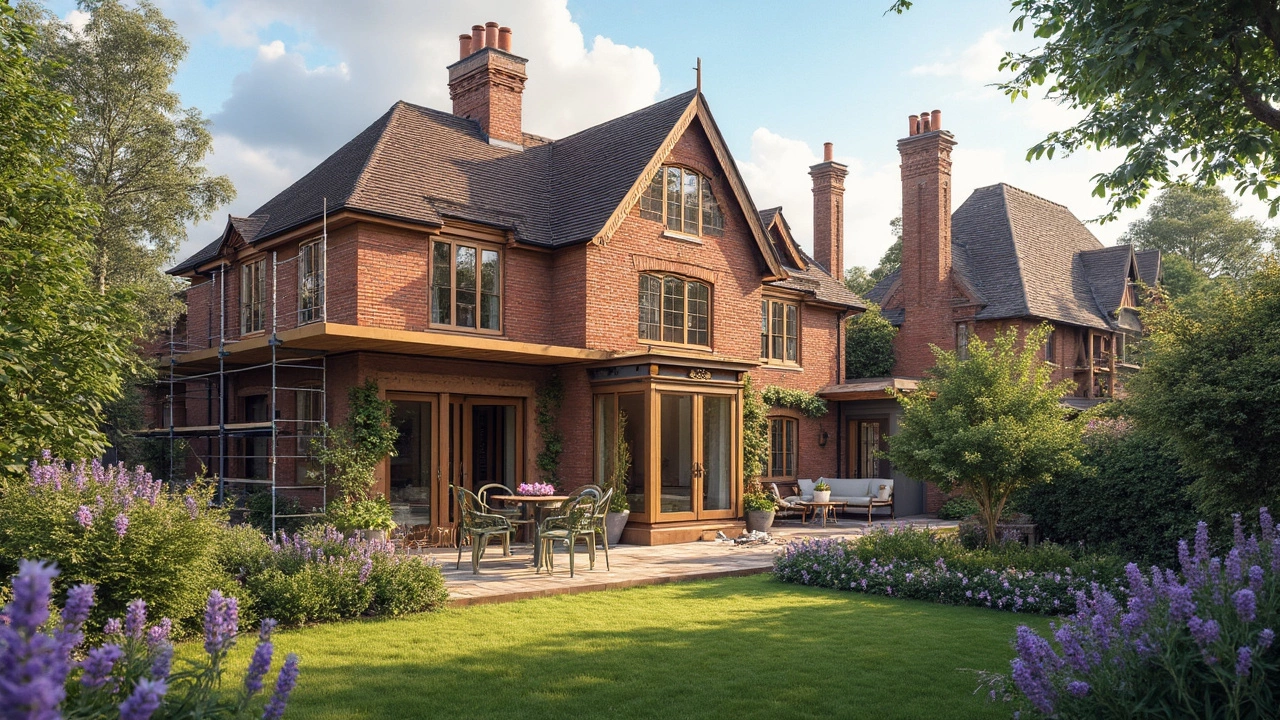
Considering a house extension involves weighing up various factors like cost, potential increase in property value, and personal needs. This article explores whether extending your house is a wise investment by examining practical aspects and providing useful tips. We'll dive into cost breakdowns, the impact on home value, design trends, and regulations affecting extensions. By the end, you'll have a clearer idea if adding extra space is the right move for you.