Quality Assurance in Construction: What It Really Means and Why It Matters
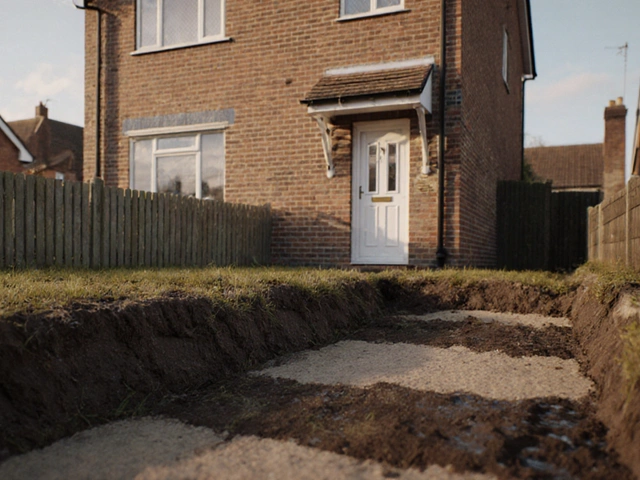
When you hire a builder, you're not just paying for labor—you're buying quality assurance, the systematic process of ensuring a construction project meets defined standards of safety, durability, and performance. It's not about making things look nice on the surface. It's about making sure the foundation won't crack in five years, the walls won't leak when it rains, and the electrical system won't become a fire hazard. This is what separates a job done right from a job done just to finish. Many people think craftsmanship, the skill and care applied by tradespeople during construction is enough. But even the best carpenter can make a mistake. That’s why inspection protocols, formal checks at key stages of a build to catch errors before they’re hidden exist. They’re the safety net.
Think about your kitchen remodel. You pick the countertops, the cabinets, the backsplash. But who checks if the subfloor is level before the tile goes down? Who makes sure the plumbing lines are pressure-tested before the walls are closed? That’s quality assurance. It’s not glamorous. It doesn’t show up in Instagram photos. But if it’s skipped, you’ll be the one fixing a flooded basement two years later. In commercial construction, a single oversight can mean shutting down an entire building. In homes, it means stress, cost overruns, and broken trust.
What you see in our posts—from fridge placement in kitchens to wall-and-floor order in bathrooms—isn’t just advice. It’s the result of decades of building standards, official codes and best practices that dictate how structures must be built to ensure safety and longevity being applied in real time. Every post answers a question that came from a job where someone cut corners, or didn’t know better. We don’t just talk about what works—we show you why it works, and what happens when it doesn’t.
There’s no magic wand in construction. No shortcut that doesn’t come with a price. What you get with proper quality assurance is peace of mind. It’s knowing your new bathroom won’t leak because someone checked the waterproofing membrane. It’s knowing your new walls won’t bow because the framing was checked before drywall went up. It’s knowing your investment won’t turn into a money pit because someone cared enough to double-check the details.
Below, you’ll find real-world examples of how quality assurance shows up—in lighting choices that save energy, in material selections that last, in layout decisions that prevent future headaches. These aren’t theoretical tips. They’re lessons learned from actual builds, mistakes fixed, and standards upheld. Whether you’re planning a renovation or just curious about how your home was built, this collection gives you the tools to ask the right questions—and spot the red flags before they become problems.
Common Defects in New Builds: What to Be Aware Of
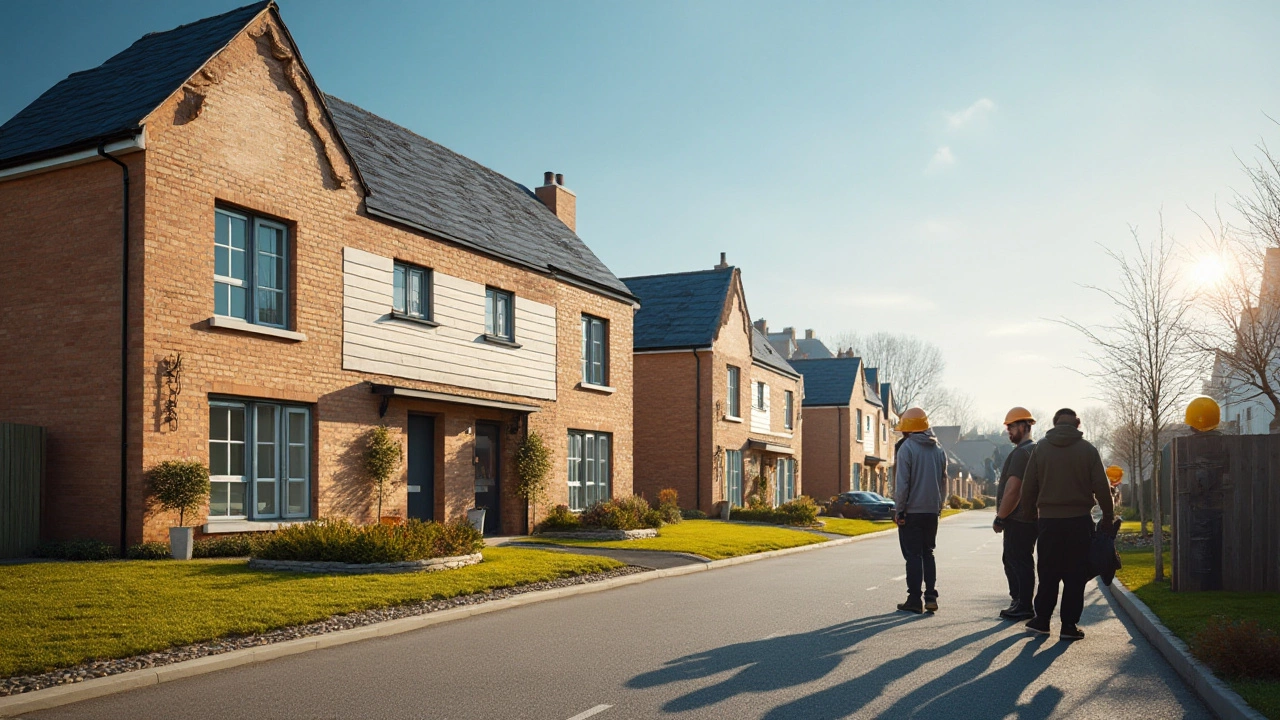
Newly constructed homes can sometimes come with various defects that affect their quality and livability. Understanding what constitutes a defect in a new build can help homeowners effectively address any issues with construction or craftsmanship. This article explores common types of defects found in new builds and provides insight into how to identify and remedy them. It also offers tips for ensuring quality during the home building process.