Commercial Building Assessment Tool
Is Your Building Commercial?
Answer these key questions to determine if your property qualifies as commercial property.
Assessment Result
Not all buildings are created equal. A house, a warehouse, and a shopping mall might all have walls and a roof, but only one of them is truly commercial. So what exactly makes a building commercial? It’s not just about who uses it - it’s about how it’s designed, regulated, taxed, and financed. If you’re thinking about buying, leasing, or building a space for business, understanding this distinction isn’t just helpful - it’s essential.
It’s About Use, Not Just Ownership
A building becomes commercial when it’s used primarily for business activities that generate income. That means it’s not meant for personal living. A house where you run a small online store from your garage? Still residential. A standalone building rented out to a bakery, a dentist, or a call center? That’s commercial.The key is the primary function. If the space is designed to serve customers, house employees for profit-driven work, or store goods for sale, it crosses into commercial territory. This isn’t just semantics - it affects everything from fire codes to insurance premiums.
Building Codes Are Stricter
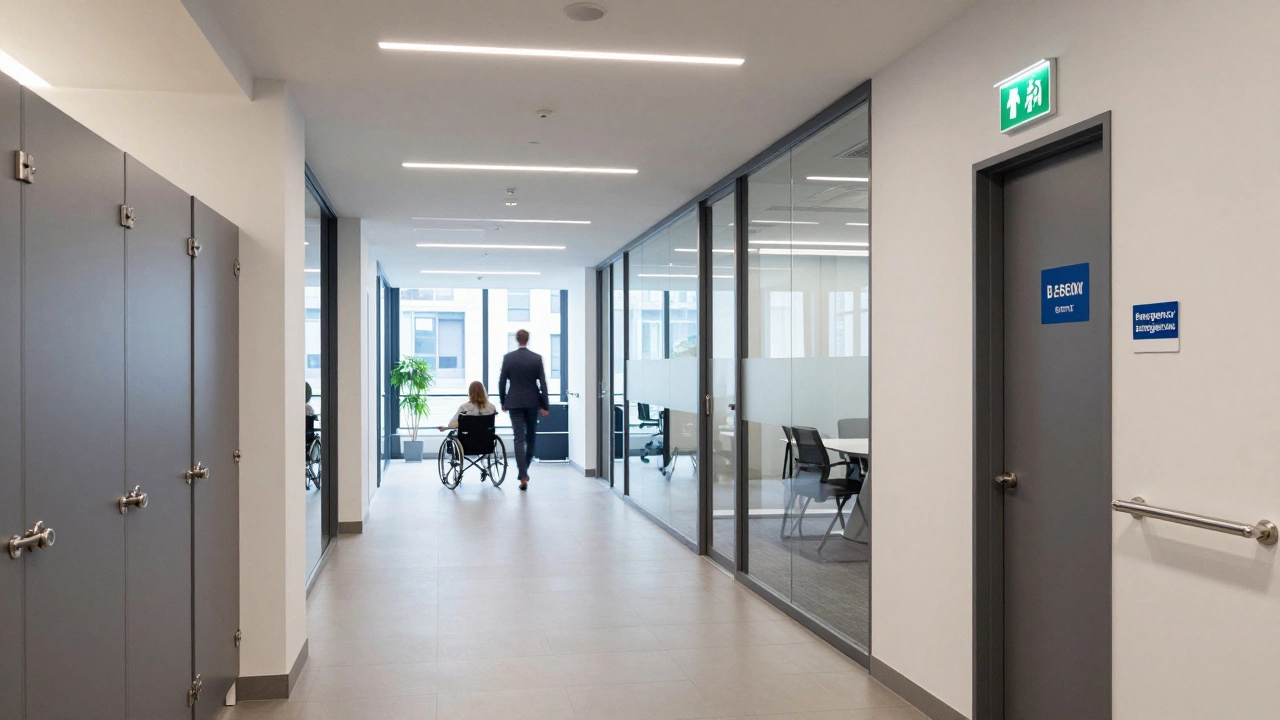
Commercial buildings have to meet higher safety and accessibility standards than homes. In New Zealand, the Building Code (Clause B1 Structure, Clause B2 Durability, Clause F2 Hazardous Substances, and especially Clause F4 Accessibility) applies with more force to commercial properties.For example, a commercial office building needs:
- Multiple, clearly marked emergency exits
- Wider hallways and doorways to accommodate wheelchairs and large groups
- Commercial-grade fire suppression systems - sprinklers aren’t optional
- Accessible restrooms with specific dimensions and grab bars
- Emergency lighting and signage that meets NZS 4512 standards
Residential buildings don’t need most of this. A home might have one exit. A commercial building needs at least two, often more, depending on occupancy. Ignoring these rules isn’t just risky - it’s illegal. Fire inspections for commercial spaces happen annually. You don’t get a pass because you’re a small business.
Financing and Taxes Are Different
Banks treat commercial properties like business assets, not family homes. If you’re buying a commercial building, you’ll need a commercial loan - not a residential mortgage.Here’s how they differ:
- Down payments: 20-30% minimum for commercial, often less than 10% for homes
- Loan terms: 10-25 years for commercial, 25-30 years for residential
- Interest rates: Usually higher for commercial, because lenders see them as riskier
- Repayment structure: Commercial loans often have balloon payments or shorter fixed periods
Taxes are another big divider. Commercial properties are assessed based on income potential, not just size or location. If your building houses a successful café, your rates will reflect that revenue stream. Residential properties are taxed based on market value, regardless of whether someone lives there or not.

Zoning Laws Decide Everything
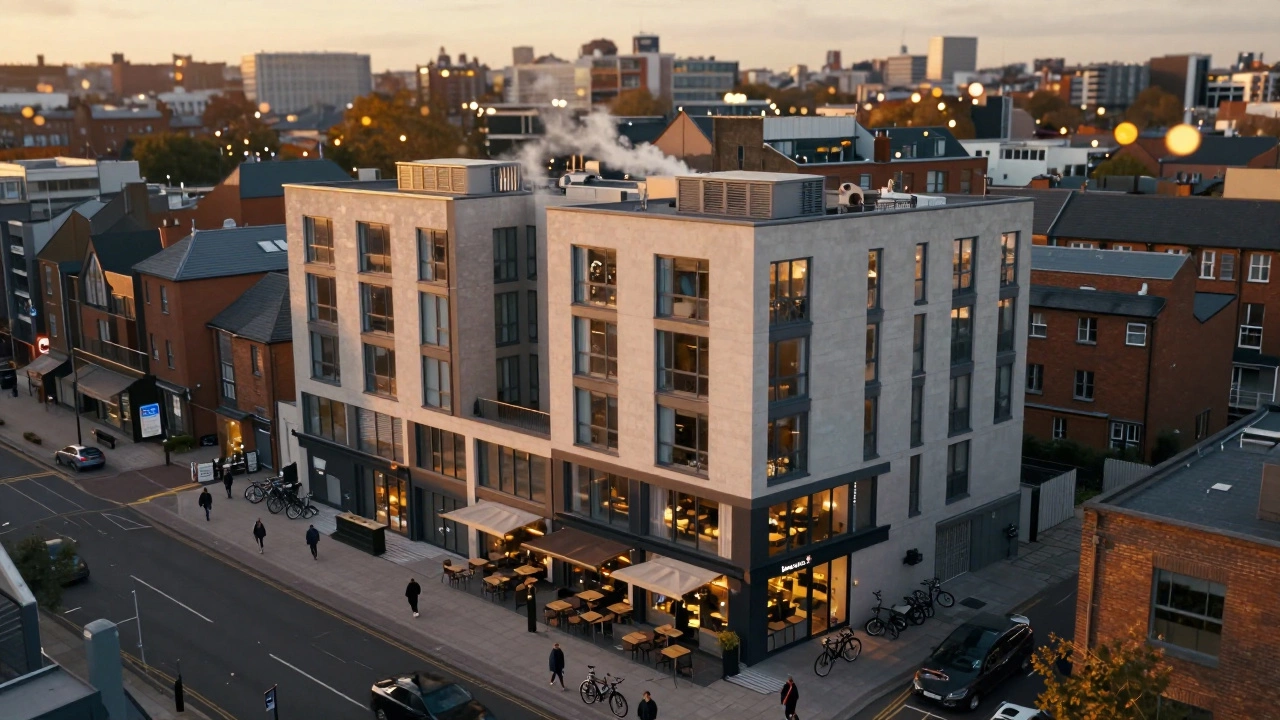
You can’t just build a retail store anywhere. Cities have zoning maps that say exactly what kind of activity is allowed on each parcel of land. In Auckland, for example, areas like Queen Street or Newmarket are zoned for mixed-use commercial. But a quiet street in Remuera? That’s likely R1 - residential only.Changing zoning is expensive, slow, and often blocked by neighbors. If you buy a building thinking you can turn it into a gym, but it’s zoned for low-density housing, you’re stuck. You might need to apply for a resource consent - which can take months and cost thousands.
Commercial zoning often allows:
- Offices
- Restaurants and cafes
- Retail stores
- Hotels and short-term rentals
- Warehouses and light industrial
Residential zones typically ban all of those. Even a home-based business - like a tutoring service - can run into trouble if it brings in too many visitors, creates noise, or changes the character of the street.
Leasing and Tenancy Rules Are Unique
Residential tenancies in New Zealand are protected by the Residential Tenancies Act. Commercial tenancies? They’re governed by the Property Law Act and lease agreements that can be heavily negotiated.Commercial leases often include:
- Triple net leases (tenant pays rent + property taxes + insurance + maintenance)
- Fixed-term agreements (3-10 years common)
- Fit-out allowances - landlords sometimes pay for renovations
- Exclusive use clauses - no competing businesses allowed in the same building
- Early termination penalties
Unlike residential tenants, commercial tenants have far fewer legal protections. That’s why having a lawyer review your lease is non-negotiable. One poorly worded clause could cost you your business.
Insurance Costs Are Higher - and Required
Homeowners insurance covers your house and personal belongings. Commercial property insurance covers your business assets, liability, and income loss.Commercial policies typically include:
- Property damage coverage (fire, storm, vandalism)
- General liability (if a customer slips and falls)
- Business interruption (lost income during repairs)
- Workers’ compensation (if you have employees)
Residential insurance won’t cover a client getting hurt in your home office. Commercial insurance will. And if you’re leasing a space, your landlord will require proof of coverage before you move in.
Energy and Sustainability Rules Are Tighter
New Zealand’s Building Code now requires commercial buildings to meet higher energy efficiency standards than homes. Since 2023, all new commercial buildings must comply with the updated Building Code Clause H1 Energy Efficiency.That means:
- Improved insulation in walls, roofs, and floors
- High-performance windows with low U-values
- Efficient HVAC systems with smart controls
- LED lighting throughout, with motion sensors in common areas
- Compliance reporting to local councils
Residential buildings have minimum standards too, but commercial ones are audited more rigorously. A 2025 report from the Ministry of Business, Innovation and Employment showed that 78% of new commercial buildings exceeded the minimum energy requirements - because tenants demand it. Businesses want lower utility bills and greener reputations.
What It All Adds Up To
A commercial building isn’t just a structure. It’s a financial instrument, a legal entity, and a public space all rolled into one. It’s designed for people who aren’t living there - customers, clients, employees - and every design choice reflects that.If you’re considering turning a residential property into a business space, ask yourself:
- Is the zoning right?
- Can the building handle the load of foot traffic or equipment?
- Do the restrooms, exits, and fire systems meet commercial code?
- Will my insurance cover this use?
- Can I afford the higher taxes and loan terms?
Answer no to any of these, and you’re risking fines, lawsuits, or even losing your business.
Commercial buildings exist to make money - not just for the owner, but for the economy. That’s why they’re built differently, regulated more strictly, and held to higher standards. Understanding what makes a building commercial isn’t about jargon. It’s about protecting your investment and your future.
Can a building be both residential and commercial?
Yes, but only if it’s zoned for mixed-use. In many urban areas like Auckland CBD, you’ll find buildings with retail or offices on the ground floor and apartments above. These are called mixed-use developments. They require special permits and must meet both residential and commercial building codes in their respective zones. You can’t just convert a house into a shop without checking zoning and code compliance.
Do I need a special license to operate in a commercial building?
Not for the building itself, but you’ll likely need business licenses, food handling permits, or health and safety certifications depending on your activity. A café needs a food safety plan. A gym needs a public liability certificate. A childcare center requires Ministry of Education approval. The building may be commercial, but your operation still needs its own approvals.
Is a warehouse always a commercial building?
Yes, if it’s used for storing goods for sale or distribution. Warehouses are classified as commercial or industrial property, depending on size and activity. Even if no customers come in, if the space supports a business - like holding inventory for an online store - it’s commercial. A warehouse used solely to store personal belongings? That’s not commercial.
Can I turn my home into a commercial space without changing the zoning?
No. If your home is in a residential-only zone, operating a business from it without consent can lead to complaints, fines, or forced closure. Even small businesses - like a home-based salon or tutoring service - can trigger enforcement if they cause noise, parking issues, or increased traffic. Always check with your local council before starting any business from home.
Why do commercial buildings cost more to build than homes?
Because they’re built to handle more people, heavier loads, and stricter safety rules. Commercial projects need reinforced foundations, commercial-grade HVAC, fire suppression systems, elevators, ADA-compliant bathrooms, and more durable materials. A 2024 study by the New Zealand Institute of Architects found that commercial construction costs average 40-60% higher per square meter than residential, even for similar-sized buildings.