Stove Placement: Safe, Smart, and Efficient Ways to Position Your Stove
When it comes to your kitchen, stove placement, the physical location of your cooking surface within the kitchen layout. Also known as cooktop positioning, it’s not just about looks—it’s about safety, efficiency, and how smoothly you move while cooking. Get it wrong, and you’re risking burns, awkward movements, or even fire hazards. Get it right, and your kitchen becomes a seamless workspace where everything just works.
Stove placement connects directly to other key elements like kitchen workflow, the natural path you take when preparing food—from fridge to sink to stove. If your stove is stuck in a corner with no counter space nearby, you’re forced to carry hot pots across the room. That’s a recipe for disaster. Good stove placement keeps it within arm’s reach of prep surfaces, the sink, and the fridge. It’s the middle point of the kitchen triangle—the classic rule pros still use today.
Then there’s gas stove safety, the set of rules that prevent carbon monoxide buildup, gas leaks, or accidental ignition. Gas stoves need ventilation, clearance from flammable materials, and easy access to the shutoff valve. You can’t tuck one under a cabinet without checking the manufacturer’s minimum clearance specs. Electric stoves are simpler, but they still need breathing room—especially if you’ve got kids or pets. And don’t forget about ventilation hoods. A stove without proper exhaust is just adding moisture and grease to your walls and ceiling.
People often copy magazine kitchens and put the stove under a window. Sounds nice, but it’s risky. Curtains can catch fire, wind can blow out a gas flame, and sunlight can make it hard to see your burners. Stove placement should be practical, not just pretty. The best spots are against an interior wall, away from doors and high-traffic zones, with at least 15 inches of counter space on one side and 12 on the other. That’s enough room for hot pans, cutting boards, and spices—all within reach.
And if you’re remodeling? Don’t just move the stove because you like the new tile. Moving a gas line or electrical circuit can cost more than the appliance itself. Sometimes the smartest move is working with what you’ve got. A little rearranging of cabinets or adding a rolling cart can fix a bad layout without breaking the bank.
What you’ll find below are real-world examples from actual kitchens—what worked, what didn’t, and why. From small urban apartments to sprawling family homes, these posts break down stove placement in plain terms: no fluff, no theory, just what you need to know to cook safely and comfortably.
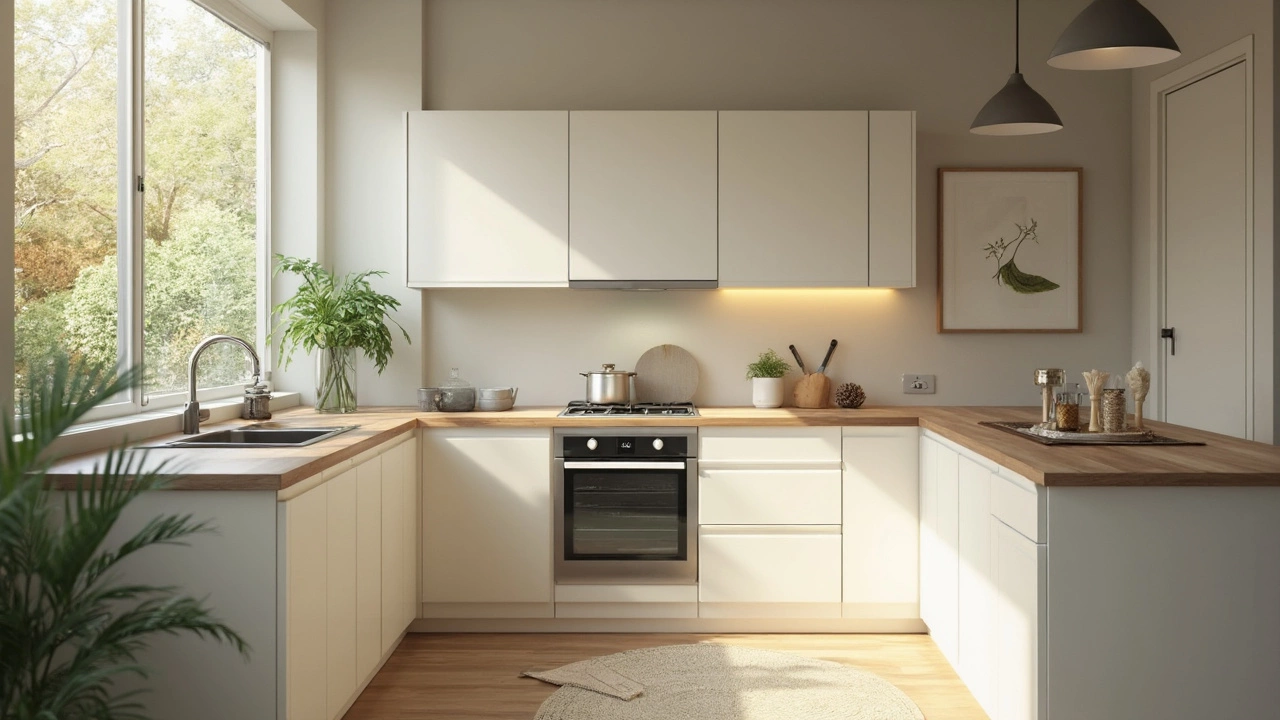
Can a Stove Be Next to a Sink? What You Need to Know
Wondering if your stove can be right next to your sink? This article digs into the pros and cons of this setup, focusing on safety, efficiency, and design aesthetics. Discover practical tips for creating a functional kitchen that works best for you. Grab some useful advice on spacing, clearance, and the kitchen work triangle for a smooth cooking experience. Whether you're remodeling or starting from scratch, make informed decisions that suit your daily needs.
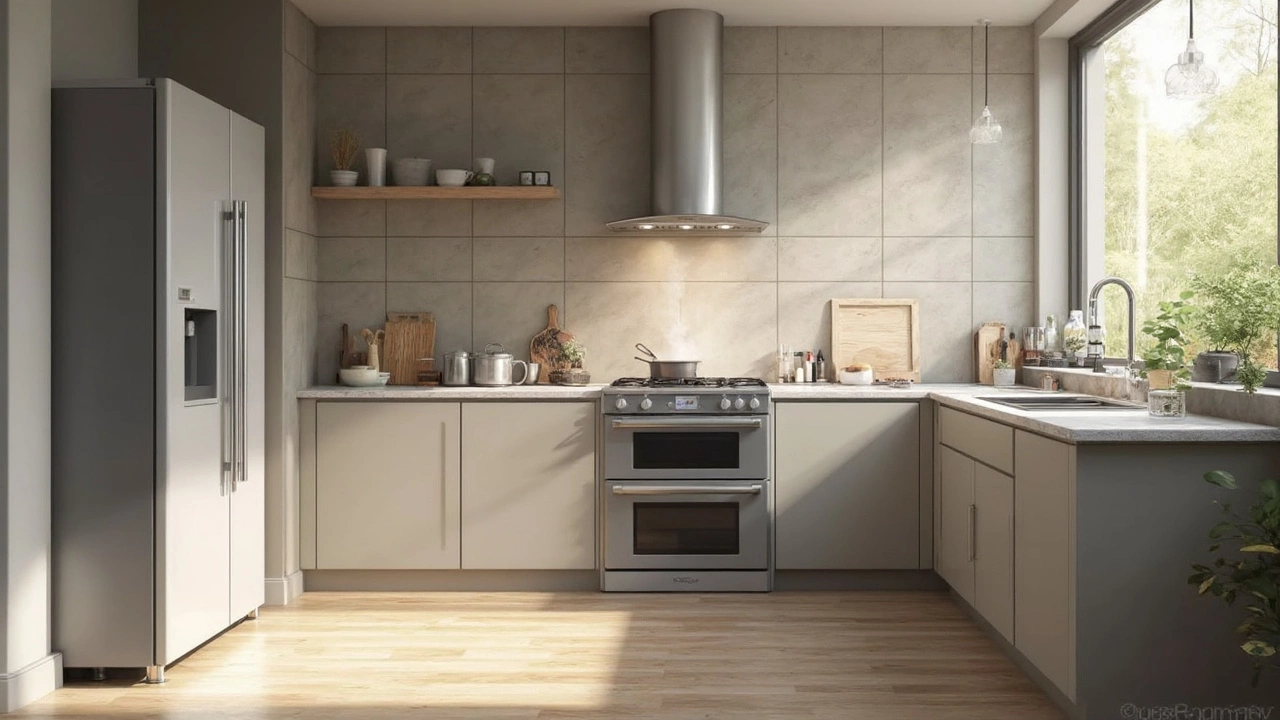
Can a Refrigerator and Stove Be Side by Side?
Placing a refrigerator and stove side by side in a kitchen may seem convenient, but it raises questions about efficiency and practicality. This article explores the implications of such a layout, delving into energy efficiency, safety considerations, and ergonomic factors. Offering a blend of insights and practical tips, you'll learn how to make the most of your kitchen space without sacrificing functionality—or style.