Vinyl Plank Flooring: What It Is, How It Works, and Why It’s Popular
When you think about flooring that’s tough, easy to clean, and looks like real wood, you’re probably thinking of vinyl plank, a type of synthetic flooring made from layered polyvinyl chloride that mimics the look of hardwood, stone, or tile. Also known as luxury vinyl plank, it’s become the go-to choice for kitchens, basements, and bathrooms because it doesn’t swell when wet and survives pet claws, spilled drinks, and heavy foot traffic without flinching. Unlike old-school vinyl tiles that curled at the edges or looked fake, modern vinyl plank has a realistic wood grain texture, embossed surface, and even beveled edges that make it hard to tell apart from the real thing.
What makes vinyl plank work so well isn’t just how it looks—it’s how it’s built. The core layer is usually a rigid composite that resists dents and warping, topped with a clear wear layer that protects against scratches. Beneath that, a backing layer helps with sound absorption and keeps it stable over concrete or uneven subfloors. You don’t need to glue it down—most come with a click-lock system that snaps together like puzzle pieces, making it one of the few flooring types a DIYer can install in a weekend. That’s why it’s showing up in homes across the UK, from London flats to Manchester terraces, replacing old carpet and laminate that couldn’t handle moisture or wear.
It’s not perfect, though. While it’s waterproof, it’s not indestructible. Sharp furniture legs can dent it. Heavy appliances left in one spot for years might leave permanent marks. And if your subfloor isn’t flat, you’ll feel every bump underfoot. That’s why installation matters more than you think. You’ll also want to check the warranty—some brands cover only 10 years, while others go 25 or even 30. Look for products with a thick wear layer (at least 20 mil) if you’ve got kids, pets, or high traffic.
Related to vinyl plank are other flooring types you might run into: LVP flooring, short for luxury vinyl plank, which is the same thing but marketed as premium, and rigid core vinyl, a stiffer, more stable version often used in commercial spaces but now common in homes too. They all fall under the same broad category, but the differences in thickness, core material, and click mechanism can change how long they last and how easy they are to install.
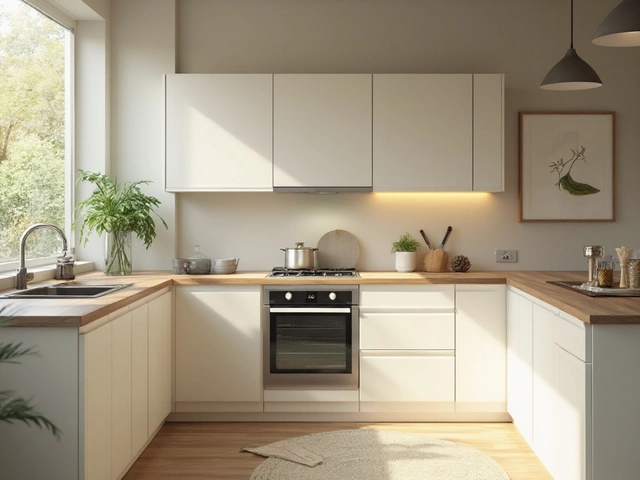
You’ll find plenty of advice on where to put it, how to prep the floor underneath, and which brands actually deliver on their promises. Some posts break down real-world costs, others show you how to avoid the biggest mistakes people make when laying it themselves. There’s even guidance on matching it with your kitchen cabinets or bathroom tiles so it doesn’t look like a cheap afterthought. Whether you’re renovating a 1970s bungalow or updating a new build, vinyl plank gives you the look of natural materials without the upkeep—or the price tag.
Living Room Flooring Trends: The Top Picks You Can't Ignore
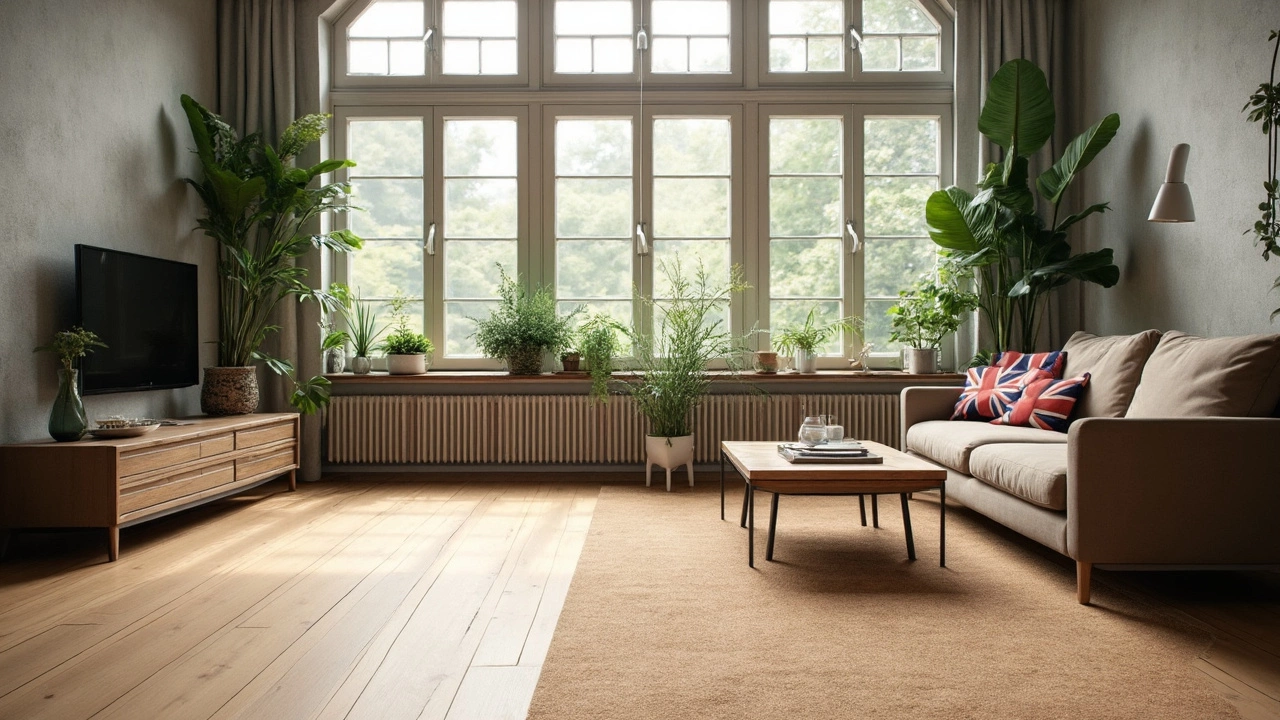
Trying to figure out what’s hot in living room flooring these days? This article dives into the two top flooring trends taking over homes in 2025. Get real advice on what makes these options a hit, what to watch out for, and how to pick the best fit for your lifestyle. Includes little-known tips and facts to help you make the smartest choice for your space. Walk away with practical ideas you can actually use.