Wallpaper: Types, Trends, and How to Use It in Your Home
When you think of wallpaper, a decorative wall covering applied to interior surfaces to enhance aesthetics and texture. Also known as wall covering, it has evolved far beyond the floral prints of the 1970s. Today’s wallpaper is durable, easy to install, and designed for real life—moisture-resistant for bathrooms, scrubbable for kids’ rooms, and even removable for renters. It’s not just about covering walls; it’s about making a statement without a full renovation.
Wallpaper works best when it matches your space’s function and vibe. In a living room, a textured grasscloth adds warmth without overwhelming the room. In a bathroom, vinyl or non-woven paper stands up to steam and humidity. For accent walls, bold geometric patterns or subtle metallic finishes can turn a plain room into something memorable. You don’t need to cover every wall—just one can change the whole feel. And if you’re worried about commitment, peel-and-stick options let you try a look for a year, then switch it out without damage.
What you choose also depends on your lighting, room size, and existing furniture. Dark wallpapers in small rooms can feel cozy, not claustrophobic, if paired with good lighting. Light, reflective patterns make narrow hallways feel wider. And if you’ve got a modern sofa or minimalist shelves, a patterned wall can be the perfect contrast—not clutter. The key is balance. You don’t need to match your wallpaper to your curtains or rugs. In fact, it often looks better when it stands apart.
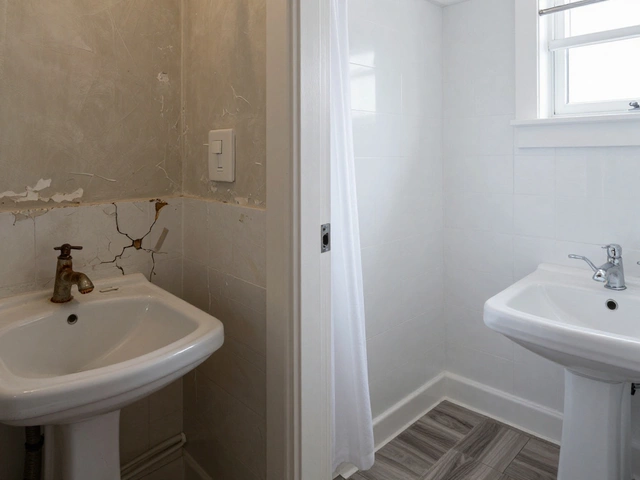
There’s also a growing focus on sustainability. Many brands now offer wallpaper made from recycled paper, natural fibers like bamboo or cork, and water-based inks. These options are just as stylish and far better for indoor air quality. If you’re replacing old, peeling wallpaper, modern adhesives and prep tools make removal easier than ever—no scraping by hand needed.
And don’t forget the details. The right wallpaper can hide imperfect walls, draw the eye upward in a room with low ceilings, or even create the illusion of architectural features like wainscoting or paneling. It’s one of the most affordable ways to upgrade a space without moving walls or buying new furniture.
Below, you’ll find real examples and practical advice from people who’ve used wallpaper in kitchens, bedrooms, hallways, and even home offices. Whether you’re curious about how to pick a pattern that won’t date quickly, how to avoid bubbles during installation, or which types work best in high-moisture areas—you’ll find clear, no-fluff answers here. No guesswork. Just what works.
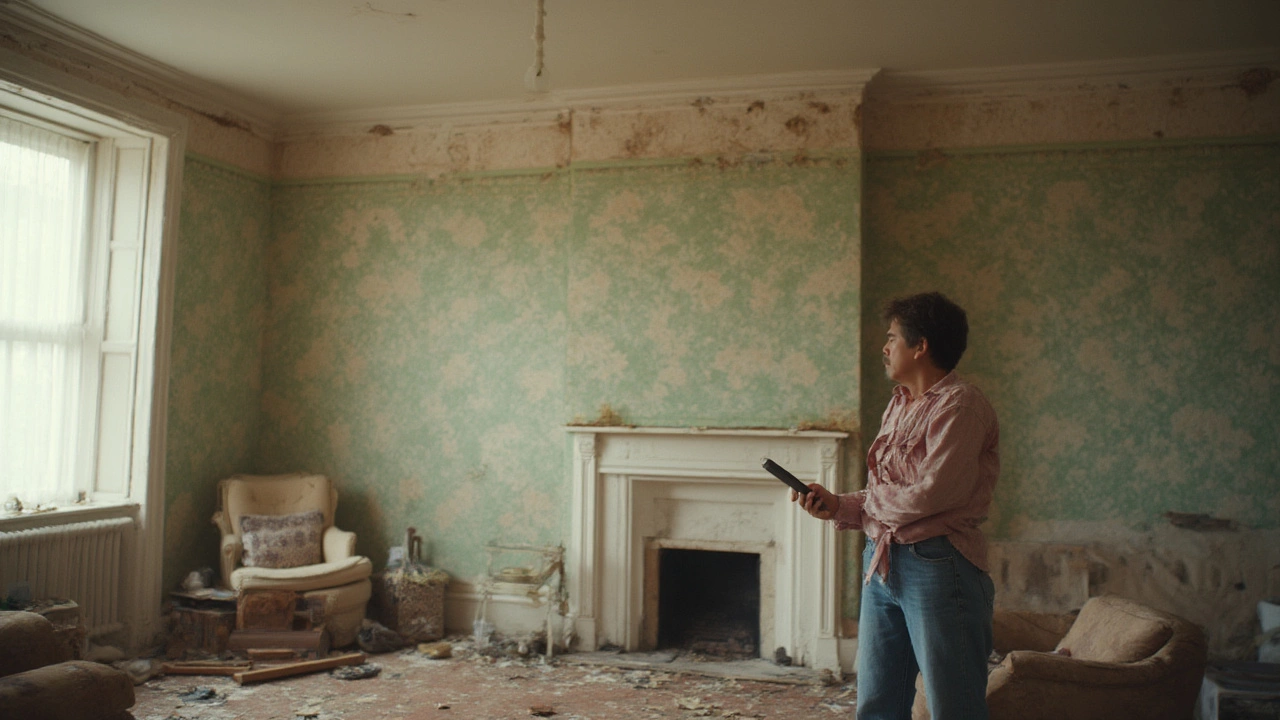
Why Wallpaper Lost Its Place: Trends, Troubles, and Comebacks in Modern Homes
Explore the reasons behind wallpaper's fall from grace, practical tips for walls, and why paint took over. Real stories, facts, and fresh insights for every home.
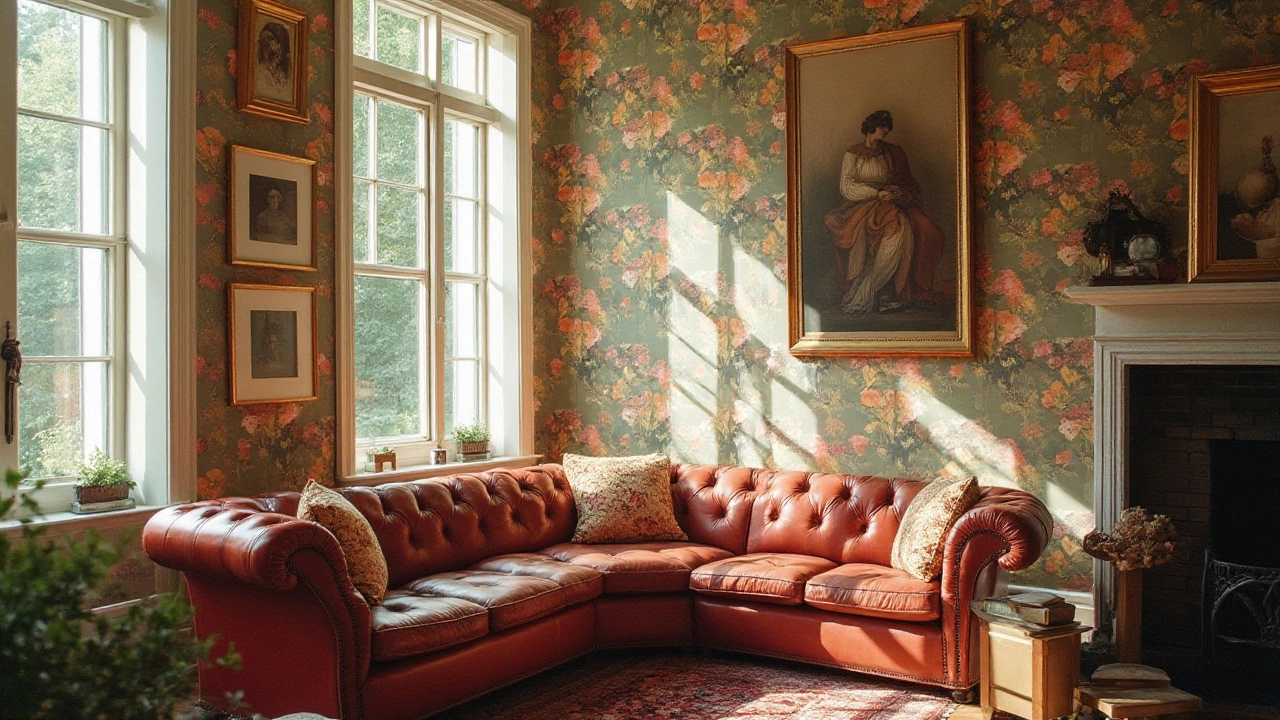
Reviving Interior Spaces: The Resurgence of Wallpaper Trends
Wallpaper is experiencing a revival in modern interior design, offering a vibrant alternative to paint and minimalist aesthetic. With a variety of designs, textures, and materials available, wallpaper is more versatile than ever, allowing homeowners to express personal style. This article explores the history, benefits, and tips for incorporating wallpaper into contemporary spaces, making it a key player in the realm of home decor.