Wallpaper Pros and Cons: Real Benefits and Hidden Drawbacks
When you think of wallpaper, a decorative wall covering used to transform interior spaces with patterns, textures, and colors. Also known as wall coverings, it has been around for centuries but is making a serious comeback in modern homes. It’s not just for grandmothers’ parlors anymore. Today’s wallpaper comes in peel-and-stick rolls, waterproof vinyl, and even 3D textures that can turn a bland room into a statement. But before you commit, you need to know what you’re getting into.
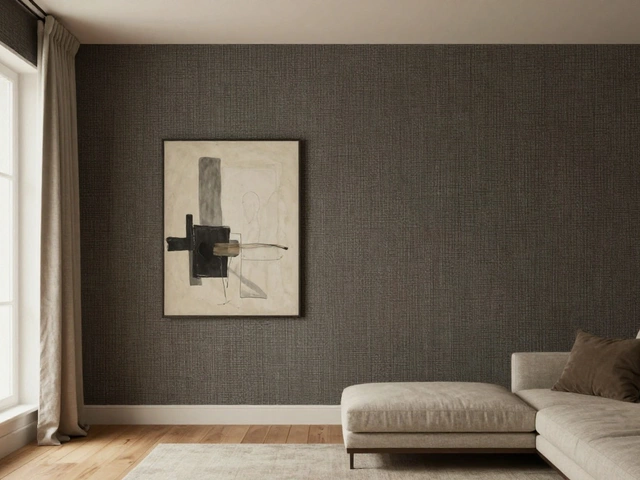
One of the biggest wallpaper pros is how it changes a room instantly. A single wall with bold geometric wallpaper can make a space feel custom-designed without the cost of a full renovation. Unlike paint, which can look flat under certain lights, wallpaper adds depth—textured grasscloth, metallic finishes, or embossed designs catch the eye and create dimension. It’s also great for hiding minor wall imperfections like small cracks or uneven drywall, something paint just can’t mask. And if you’re renting, peel-and-stick options let you update your space without damaging walls, making them a favorite among tenants.
But here’s the flip side. wallpaper installation, the process of applying wall coverings to interior surfaces, often requiring precise cutting, pasting, and alignment isn’t always easy. Even with modern adhesives, getting seams to line up perfectly takes patience—and sometimes professional help. If you’re not careful, bubbles, wrinkles, or misaligned patterns can ruin the look. Then there’s wallpaper removal, the often messy and time-consuming process of stripping old paper from walls, especially if it’s been on for years or was applied over poor prep work. Some types, especially older vinyl or non-woven papers, can tear the drywall underneath if not soaked and scraped properly. Moisture is another issue: in bathrooms or basements, cheap wallpaper can peel, bubble, or grow mold if it’s not rated for humidity.
Cost is another factor. High-end designer wallpapers can run $100 a roll or more, and labor adds up fast if you hire someone. But you might save money in the long run—good wallpaper lasts 10 to 15 years, while paint usually needs a refresh every 3 to 5. Still, if you change your mind often, wallpaper isn’t flexible. You can’t just repaint over it like you can with a wall. And if you’re planning to sell, some buyers still see wallpaper as outdated, even if it’s trendy.
So is wallpaper worth it? It depends on your goals. If you want lasting impact, texture, and a look that paint can’t match, it’s a strong choice. But if you’re looking for low effort, easy fixes, or plan to move soon, you might want to stick with paint—or go with removable options that let you change your mind without the mess. Below, you’ll find real-world examples of how people have used wallpaper successfully (and where it went wrong), so you can decide what works for your space.
Why Do People Avoid Wallpaper in Their Homes?
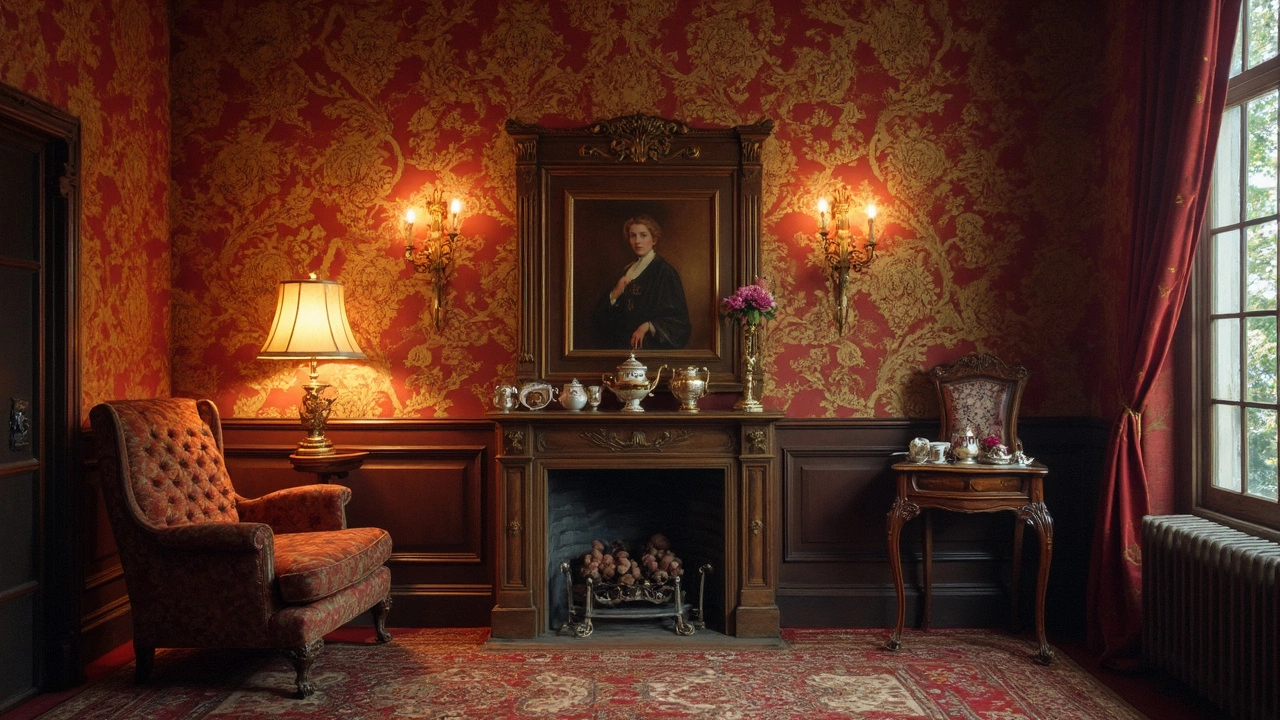
While wallpaper has been a staple of home decoration for centuries, many people steer clear of it due to some common concerns like installation hassles and style limitations. Yet, this decoration method also offers unique opportunities to add character to a space. Understanding the reasons for avoiding wallpaper, along with practical tips for its use, can help homeowners make more informed decor choices. From the effort of removing it to the fear of committing to bold patterns, explore why people are wary of wallpaper.