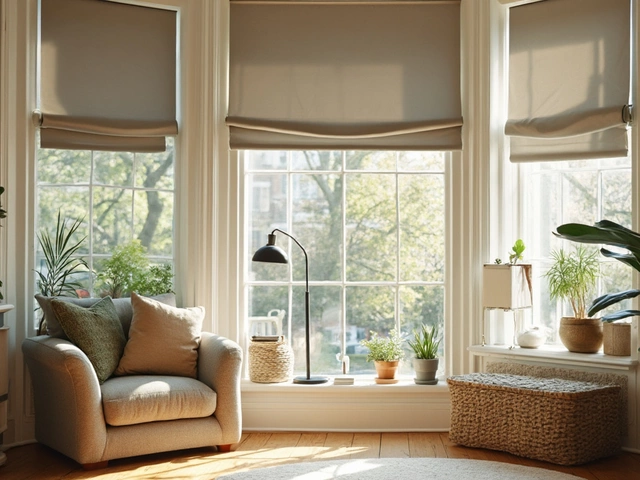
Window Coverings: Types, Benefits, and How to Choose the Right Ones for Your Home
When you think about window coverings, physical coverings installed on windows to control light, privacy, and temperature. Also known as window treatments, they’re not just about looks—they’re a key part of how comfortable and efficient your home feels year-round. A simple set of curtains or blinds can cut your heating bill in winter, block harsh afternoon sun in summer, and make your space feel more private and calm.
Not all window coverings are the same. blinds, slatted coverings made of wood, metal, or vinyl that can be tilted to adjust light give you precise control over sunlight and are easy to clean. curtains, fabric panels hung from rods that drape softly and add texture and color bring warmth and style, especially in living rooms and bedrooms. And then there’s shades, continuous fabric or material that rolls up or down without slats—perfect for modern spaces where clean lines matter. Each type affects how light enters, how much noise gets in, and even how well your home holds heat.
What you pick depends on your room, your lifestyle, and your budget. A kitchen might need easy-to-wipe vinyl blinds. A bedroom? Heavy blackout shades or layered curtains for total darkness. And if you’re renovating, window coverings are one of the few upgrades that give you instant visual impact without tearing down walls. You don’t need to replace every window at once—start with the ones that bother you most: too much glare, no privacy, or drafts sneaking in.
People often overlook how much window coverings affect energy use. A study by the U.S. Department of Energy found that properly installed window treatments can reduce heat loss by up to 25% in winter and block up to 33% of heat gain in summer. That’s not just comfort—it’s real money saved on bills. And if you’ve ever woken up at 5 a.m. because the sun hit your eyes right through the window, you know why light control matters more than most realize.
There’s also the quiet stuff—the way soft curtains muffle street noise, or how a well-placed blind can turn a boring window into a design feature. In homes with lots of glass, like modern extensions or sunrooms, window coverings are the secret to making the space feel cozy instead of exposed. And if you’ve got kids or pets, you’ll appreciate child-safe cords or motorized options that keep things tidy and safe.
Below, you’ll find real-world advice from people who’ve been through it: how to pick the right material for high-humidity bathrooms, why some shades are better than others for north-facing rooms, and what to avoid when you’re trying to save money without sacrificing quality. Whether you’re renovating a whole house or just fixing up one room, the right window coverings make a bigger difference than you think.
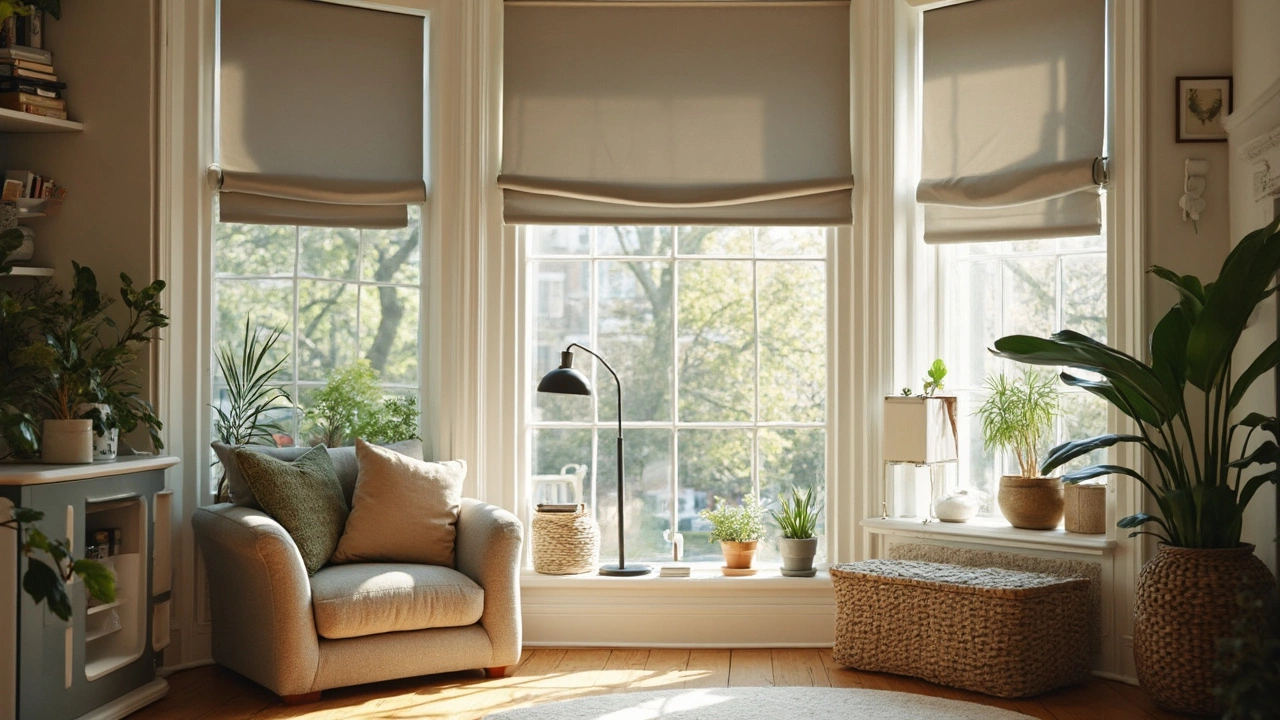
Big Window Ideas: How to Cover a Large Window Without Curtains
Struggling with a huge window but not a fan of curtains? This article covers smarter, stylish ways to cover big windows, from modern blinds to creative DIY solutions. Discover how to keep your space private and manage sunlight without killing your style. Get practical tips and learn what works in real homes. These ideas don’t need a big budget or a design degree. Stay comfortable and make that big window work for you.
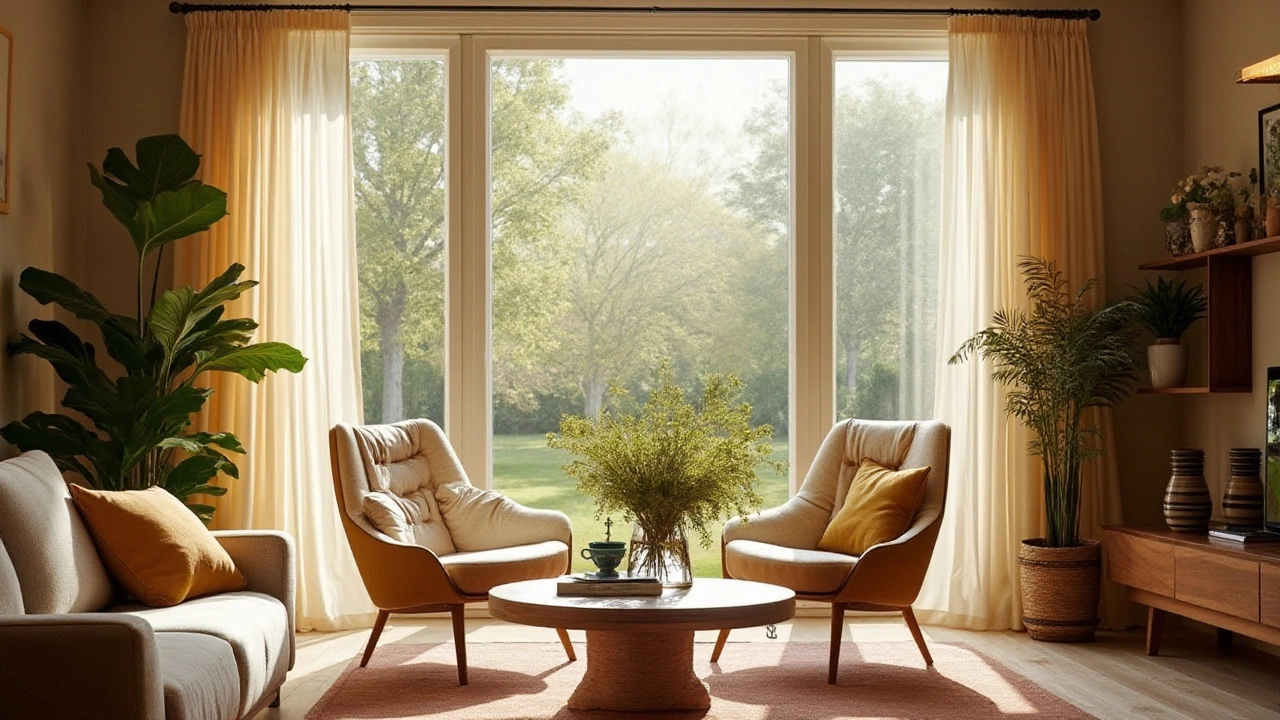
The Discontinuation of Blinds: What You Need to Know
Blinds, once a staple in home décor for controlling light and privacy, are seeing a decline in popularity and production. This shift is influenced by evolving design trends, the rise of eco-friendly alternatives, and technological advancements. Homeowners are exploring more aesthetic and sustainable options like curtains. Understanding why blinds are being left behind can help individuals make informed decisions about window treatments in their homes.