Find Your Perfect Blinds for 2024
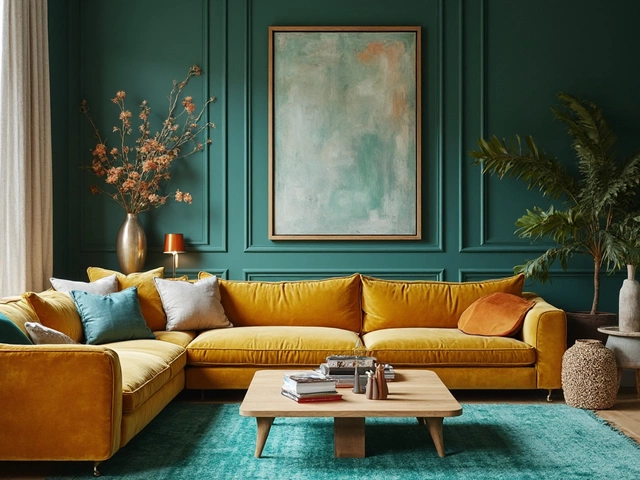
Bedroom
Privacy & light control essential
Living Room
Style & adjustable light
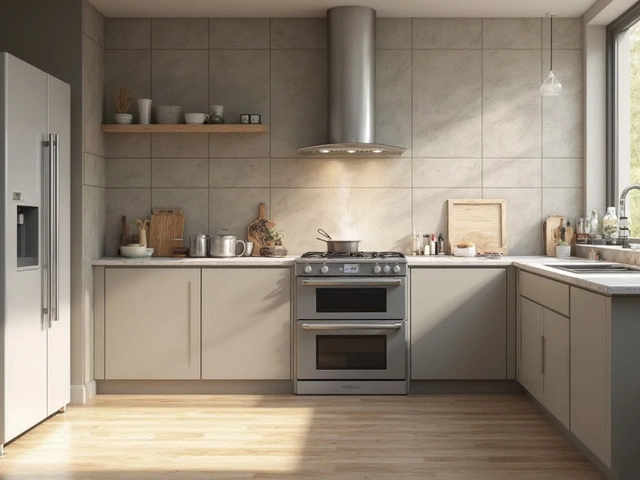
Kitchen
Easy maintenance needed
Home Office
Glare reduction & focus
Window treatments are no longer just about blocking the sun or hiding a messy view. In 2024, they became a primary design element, shaping the mood and functionality of a room. If you walked into a high-end showroom last year, you wouldn't have seen the bulky, fabric-heavy drapes of the past decade. Instead, the focus shifted to clean lines, natural materials, and integrated technology. The question isn't just what looks good; it's what works seamlessly with your lifestyle.
We saw a massive pivot toward minimalism that didn't feel cold. It felt intentional. Homeowners wanted light control without visual clutter. This shift drove the popularity of specific blind types that offer both aesthetic appeal and practical benefits. Whether you were renovating a heritage home in Auckland or updating a city apartment, the right blinds could make or break the room's vibe.
What type of blinds are in style in 2024?
In 2024, the most stylish blinds included minimalist roller blinds in neutral tones, natural wood Venetian blinds for warmth, and cellular (honeycomb) shades for energy efficiency. Smart motorized blinds also gained significant traction as homeowners sought convenience and integration with home automation systems.
The Rise of Minimalist Roller Blinds
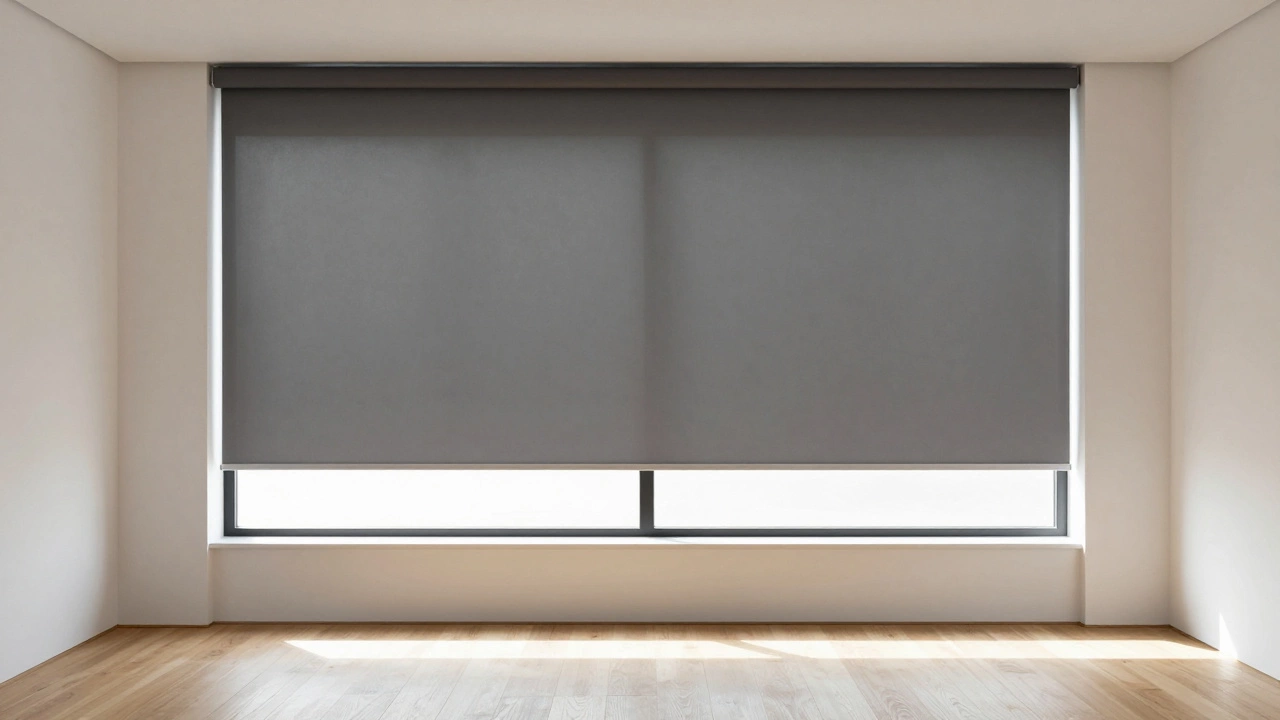
Roller blinds are simple, single-piece window coverings that roll up onto a cylinder at the top of the window frame. They dominated the market in 2024 because they disappear almost completely when raised. There are no cords dangling, no complex mechanisms visible, and no bulk. Just a smooth surface that blends into the wall or window frame.
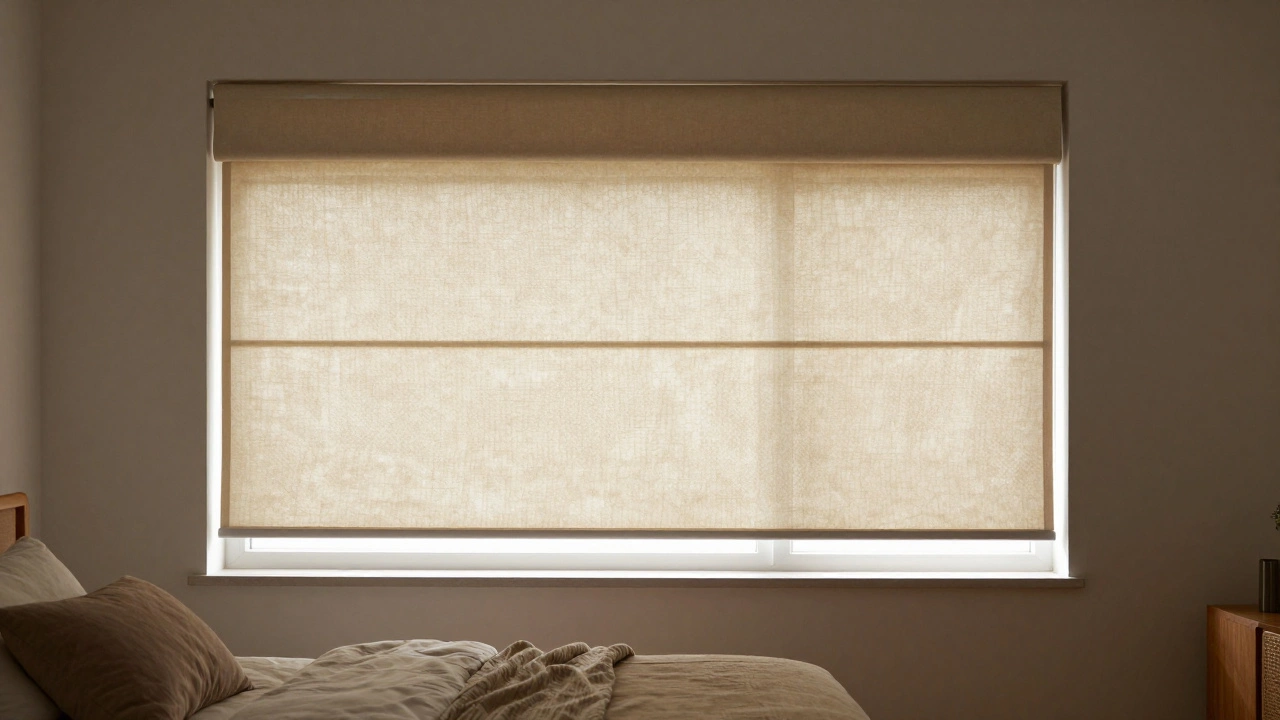
The key trend here was color and material. White and off-white remained staples, but there was a surge in demand for matte black and charcoal grey rollers, especially in industrial-style lofts and modern kitchens. These darker tones added contrast against bright windows and white walls. For bedrooms, light-filtering fabrics became essential. People wanted the soft glow of morning light without the harsh glare. Blackout rollers, meanwhile, were non-negotiable for master suites, often featuring a triple-weave fabric that blocked 99% of light while maintaining a slim profile.
Installation mattered too. Many opted for inside-mount installations, where the blind fits within the window recess. This created a flush look that made the window appear larger. Outside mounts were used strategically in living rooms to add height and drama, drawing the eye upward.
Natural Wood Venetians: Warmth Meets Control
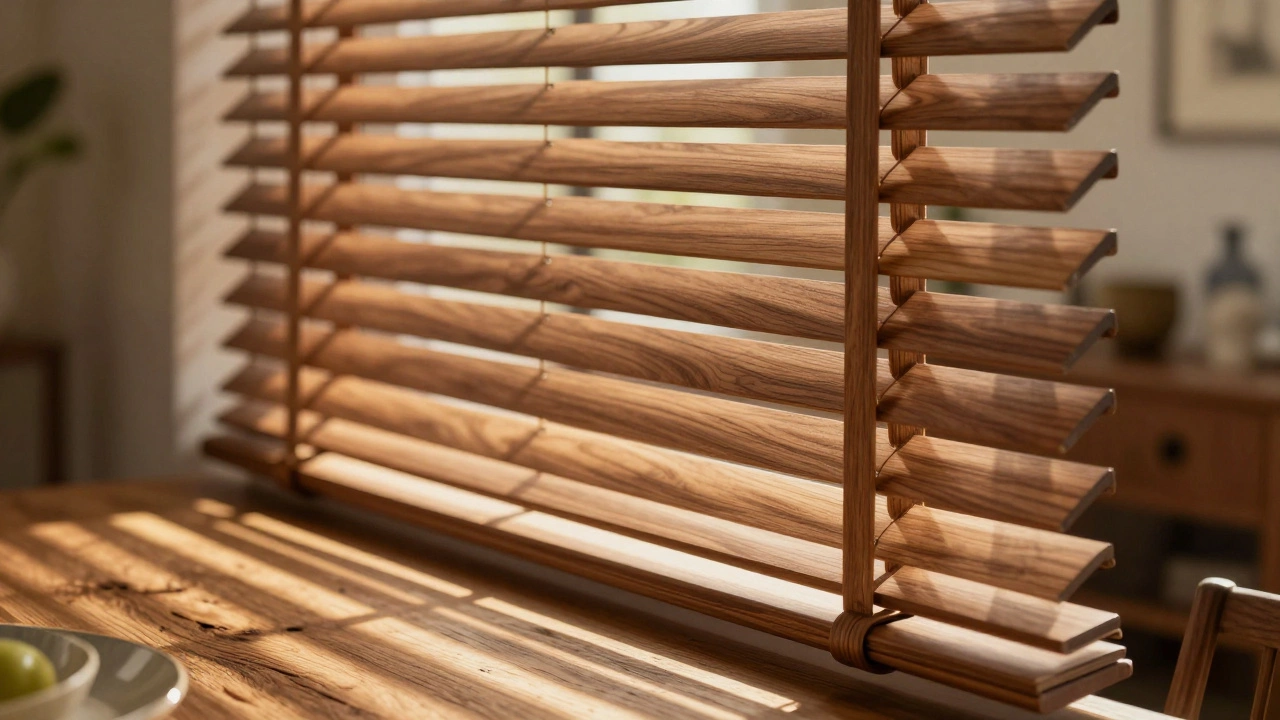
If roller blinds were about simplicity, Wooden Venetian blinds are window coverings made from horizontal slats of solid wood or composite materials that can be tilted to control light and privacy. They brought texture and warmth back into interiors. After years of all-white everything, designers and homeowners craved organic elements. Real wood blinds offered that connection to nature without sacrificing function.
Oak, ash, and walnut finishes were particularly popular. Light oak worked well in Scandinavian-inspired spaces, while darker walnut added richness to traditional or mid-century modern homes. The slat width also evolved. Wider slats (63mm or 89mm) became preferred over narrow ones because they looked more substantial and allowed for better light control when tilted. Narrow slats can sometimes look dated or overly busy; wider slats create a cleaner, more contemporary line.
Maintenance is a common concern with wood blinds, but advances in coating technologies made them more resistant to humidity and warping. In places like New Zealand, where coastal air can be damp, choosing a high-quality finish was crucial. Composite wood alternatives also emerged, offering the look of real timber with greater durability and lower cost.
Cellular Shades: Efficiency and Elegance
Cellular shades, also known as honeycomb blinds, are window coverings with pleated fabric that forms hexagonal cells, trapping air to provide insulation. They weren't new, but in 2024, they moved from niche to mainstream. Why? Because energy costs rose, and people started paying attention to how their windows affected heating and cooling bills.
The honeycomb structure traps air, creating a barrier that reduces heat transfer. Single-cell shades provided basic insulation, while double- and triple-cell options offered superior thermal performance. This made them ideal for large windows, sliding doors, and rooms with extreme temperature variations. In summer, they kept heat out; in winter, they retained warmth.
Aesthetically, cellular shades softened the look of a room. Unlike hard blinds, they had a gentle drape that complemented both modern and traditional decor. Neutral colors like beige, taupe, and light grey were most common, but patterned fabrics began appearing in boutique showrooms. Top-down/bottom-up configurations grew in popularity, allowing users to lower the shade from the top for privacy while still letting light in from the bottom.
Smart Motorization: Convenience as a Feature
Technology transformed window treatments in 2024. Motorized blinds are window coverings equipped with electric motors that allow remote or automated operation via apps, voice commands, or schedules. What once required expensive custom installations became affordable and accessible. Battery-powered motors meant no need for wiring behind walls, making retrofits simple.
Integration with smart home systems like Google Home, Amazon Alexa, and Apple HomeKit became standard. Imagine waking up to blinds that open automatically with the sunrise, or closing them before a storm hits. Scheduling features allowed users to set routines-opening blinds during the day for natural light, closing them at night for security. Voice control added another layer of convenience, especially for hard-to-reach windows.
Safety was also a driver. Cordless designs eliminated strangulation hazards for children and pets. Motorization took this further by removing cords entirely. For families with young kids, this wasn't just a luxury-it was a necessity. Many insurance providers even offered discounts for homes with cordless or motorized window treatments due to reduced liability risks.
Sheer Curtains and Layering Strategies
While blinds dominated, sheer curtains played a supporting role. Layering became a key strategy in 2024. Sheer panels added softness and movement, diffusing light and adding depth to a room. When paired with blackout roller blinds or wooden Venetians, they created versatile setups that adapted to different times of day and occasions.
Sheers were often hung on tension rods or minimalistic tracks to maintain a clean look. Linen and cotton blends were preferred for their natural texture and breathability. In living rooms, sheers allowed neighbors to see silhouettes without revealing details, providing daytime privacy. At night, heavier blinds could be drawn for complete coverage.
This approach addressed a common complaint: blinds alone can feel stark. Adding a sheer layer introduced warmth and elegance without compromising functionality. It was a balanced solution that satisfied both aesthetic and practical needs.
Comparison of Popular Blind Types in 2024
| Blind Type | Best For | Key Benefit | Cost Range (NZD) | Maintenance Level |
|---|---|---|---|---|
| Roller Blinds | Kitchens, Offices, Bedrooms | Minimalist, Space-Saving | $150 - $400 per window | Low |
| Wooden Venetians | Living Rooms, Dining Areas | Natural Aesthetic, Light Control | $300 - $700 per window | Medium |
| Cellular Shades | Large Windows, Energy-Conscious Homes | Insulation, Soft Appearance | $250 - $600 per window | Low |
| Motorized Blinds | Smart Homes, Hard-to-Reach Windows | Convenience, Safety | $400 - $900+ per window | Very Low |
Choosing the Right Blinds for Your Space
Selecting blinds depends on several factors: room function, window size, light exposure, and personal style. Start by assessing your needs. Do you prioritize privacy, light control, or aesthetics? A bedroom might need blackout capabilities, while a living room benefits from adjustable light filtering. Consider the direction your windows face. North-facing windows receive consistent indirect light, while west-facing ones get intense afternoon sun.
Budget plays a role too. While premium options like motorized wooden Venetians offer long-term value, affordable roller blinds can achieve similar results with careful selection. Don't skimp on installation quality, though. Poorly fitted blinds look sloppy and perform poorly. Measure twice, cut once-and hire professionals if you're unsure.
Finally, think about longevity. Trends change, but classic materials and neutral colors endure. Invest in timeless pieces that won't look outdated in five years. Mix trending elements, like smart features, with enduring styles to future-proof your choices.
Are roller blinds still in style in 2024?
Yes, roller blinds remain highly stylish in 2024 due to their minimalist design and versatility. They are especially popular in modern and industrial interiors where clean lines and uncluttered spaces are desired.
Which blinds are best for energy efficiency?
Cellular (honeycomb) shades are the most energy-efficient option. Their unique structure traps air, reducing heat loss in winter and heat gain in summer, which can lower heating and cooling costs significantly.
Is it worth getting motorized blinds?
Motorized blinds are worth the investment if you value convenience, safety, and integration with smart home systems. They eliminate cords, reduce manual effort, and allow for automated scheduling based on sunlight or time of day.
What color blinds are trending in 2024?
Neutral tones like white, beige, and grey dominate, but matte black and charcoal are gaining popularity for contrast. Natural wood finishes in oak and walnut also trend for adding warmth and texture.
Can I combine blinds with curtains?
Absolutely. Layering blinds with sheer curtains is a popular strategy in 2024. It combines the functionality of blinds with the softness and elegance of fabric, offering flexibility in light and privacy control.