Construction Career Earnings Calculator
Calculate Your Potential Earnings
See realistic salary projections for construction trades in New Zealand based on your experience level and trade specialization.
Is building construction a good career? If you’re tired of sitting at a desk, craving work that’s physical, tangible, and meaningful, then yes - it can be one of the most rewarding paths you’ll ever take. But it’s not for everyone. Let’s cut through the noise and look at what this job really means in 2026, especially in places like Auckland where housing demand is still high and skilled labor is in short supply.
It’s a job you can see
Most careers hide their results. You write an email, send a report, attend a Zoom call - and later, it’s gone. In construction, you build something that lasts. A house. A warehouse. A school. You stand back at the end of the week and say, I made that. That feeling doesn’t come from a paycheck. It comes from sweat, dirt, and pride. And in a world full of digital noise, that kind of realness is rare.
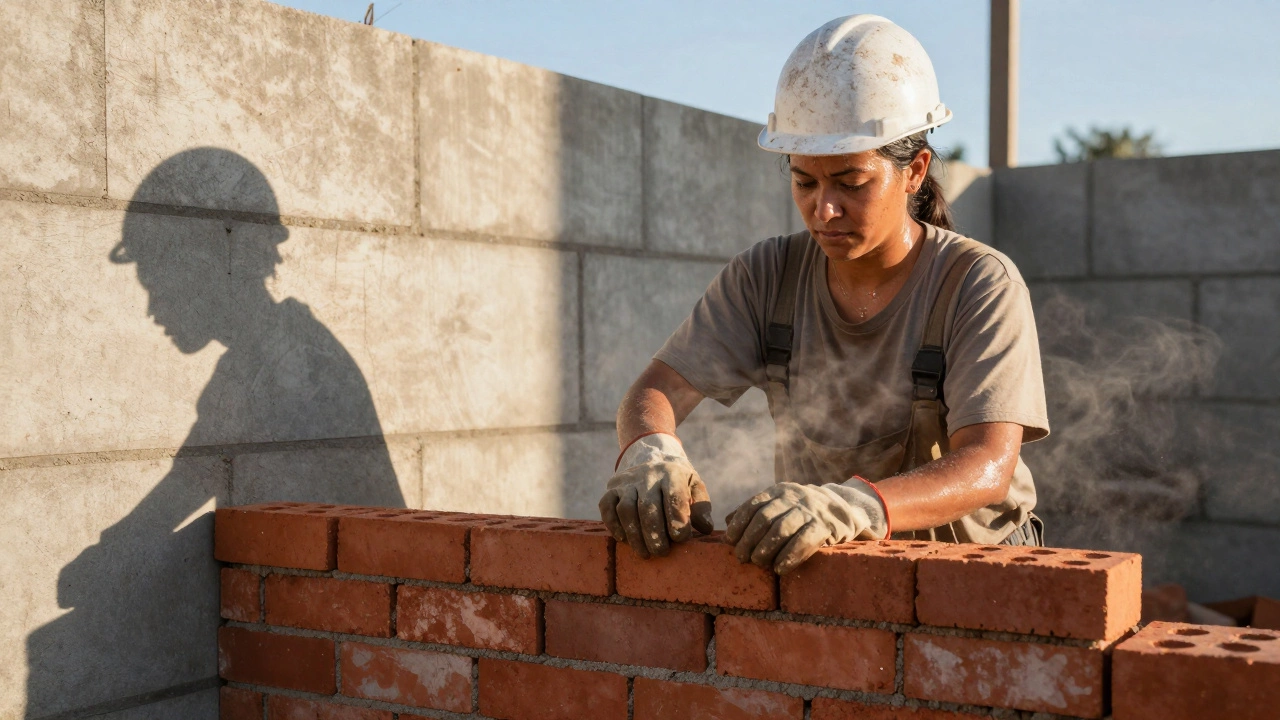
Take a bricklayer in East Auckland. She starts at 6 a.m., lifts 300 bricks by noon, and by 4 p.m., she’s got a full wall up - solid, straight, and ready for plaster. No one can delete her work. No algorithm can replace it. That’s power.
Pay isn’t just okay - it’s strong
Let’s talk money. In New Zealand, a qualified tradesperson in building construction earns between $70,000 and $110,000 a year. Apprentices start at $20-$25 an hour, and within three years, they’re often pulling in $40-$50/hour. Site supervisors and project managers? Easily $90,000-$130,000. And that’s without a university degree.
Compare that to a graduate in communications or psychology. Many start at $50,000, work 50-hour weeks, and still owe student debt. In construction, you earn while you learn. No $30,000 student loans. No waiting five years to break even.
Jobs aren’t disappearing - they’re growing
Automation is taking over factories, but it’s not taking over building sites. You still need humans to lift, measure, cut, and fit. Robots can’t yet climb scaffolding, read a wonky blueprint, or fix a leaky pipe in a 1970s Auckland bungalow. The government’s 2025 housing targets require 120,000 new homes over five years. That’s 24,000 homes a year. And there aren’t enough skilled workers to do it.
The Construction Industry Training Organisation (CITO) reports a shortage of over 18,000 skilled tradespeople nationwide. That means employers are offering signing bonuses, flexible hours, and even housing help just to hire you. If you’re willing to learn, you’re not competing for jobs - you’re being chased by them.
It’s physically hard - and that’s okay
Let’s be real: this work is tough. You’re outside in rain, heat, and wind. You carry heavy materials. You climb ladders. Your hands get calloused. Your back aches. You don’t get to sit in air-conditioned offices.
But here’s the twist: that physical strain is part of why people stay. Studies from Massey University show construction workers report higher life satisfaction than office workers. Why? Because their bodies are used. Their minds are focused. They sleep better. They don’t burn out from endless emails.
Yes, injuries happen. That’s why safety training is now built into every apprenticeship. Hard hats, harnesses, proper lifting techniques - they’re not optional. Companies invest in this because they know a healthy worker is a productive one.
There’s a clear path up
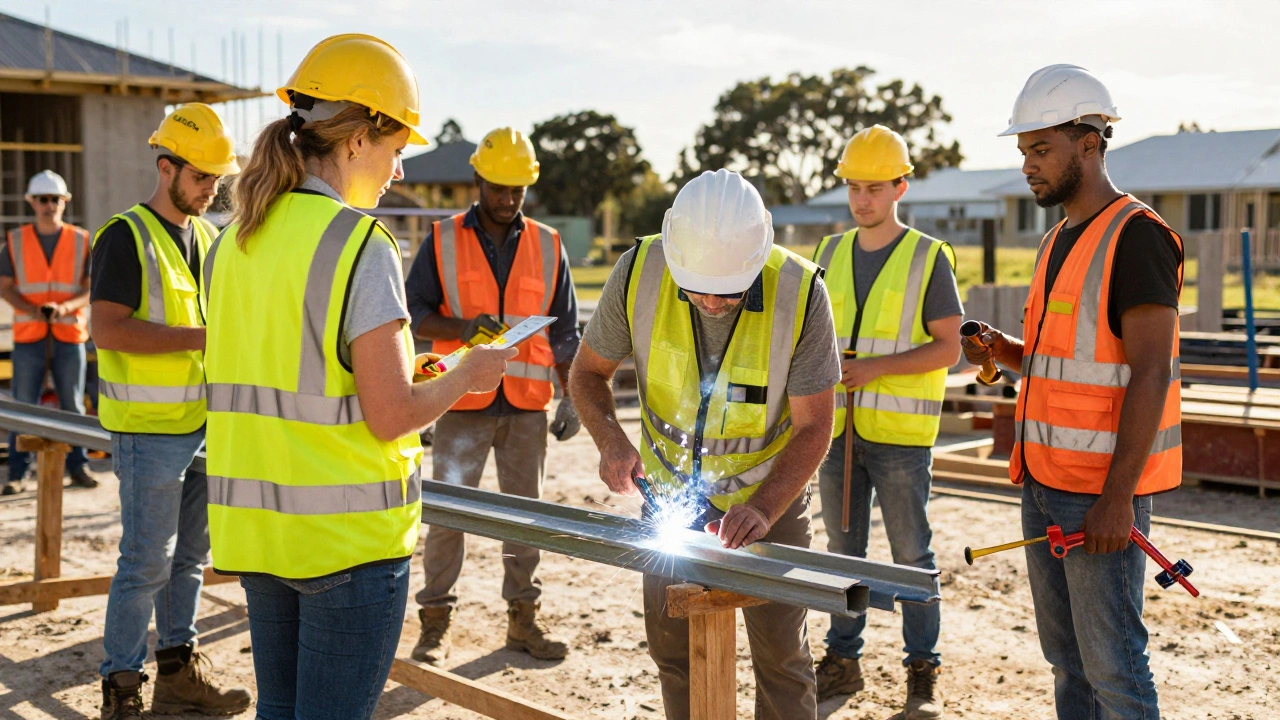
Unlike many careers where promotions feel random, construction has a ladder you can see. You start as a laborer. Then you become an apprentice. After three years, you’re a qualified tradesperson - a carpenter, bricklayer, electrician, or plumber. Then you can become a site supervisor. Then a project manager. Then start your own company.
There are no gatekeepers. No need for a fancy degree. Just skill, reliability, and a good work ethic. In 2024, over 1,200 new construction businesses were registered in Auckland alone. Many were started by former apprentices who saw a gap and said, “I can do this better.”
You’re never stuck
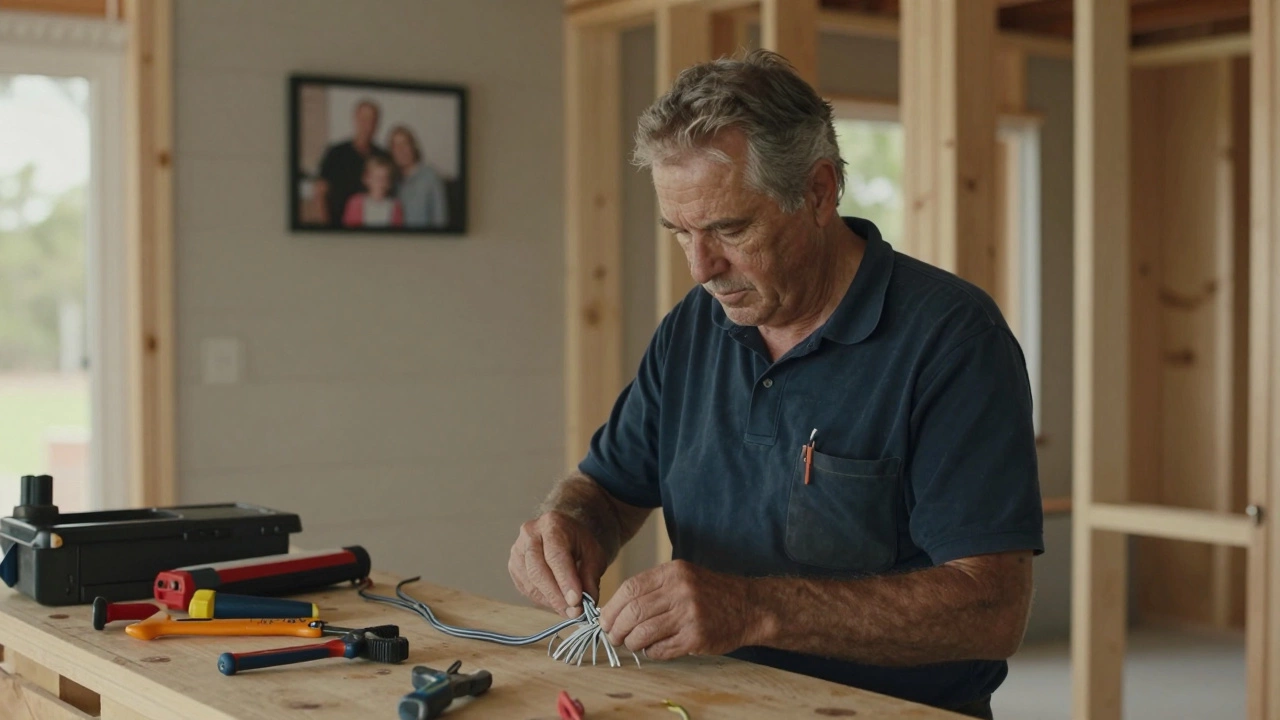
One of the biggest myths is that construction work is only for young guys. That’s not true. I’ve met a 58-year-old electrician who switched from retail after his company downsized. A 45-year-old single mom who trained as a plasterer while her kids were at school. A retired teacher who became a site safety officer.
Trade schools offer part-time, evening, and accelerated courses. The government even funds up to $10,000 in training for adults switching careers. You don’t need to be 18. You just need to show up, learn, and work hard.
The downsides? They exist
It’s not all sunshine and timber. Work can be seasonal. Rain delays mean lost pay. Some jobs are remote, requiring travel. You might miss family dinners. And yes - some sites still have toxic cultures. But things are changing fast.
Companies now know they can’t afford to lose good workers. More firms offer mental health support, flexible shifts, and parental leave. Union membership is rising. Safety standards are tighter. And younger workers are demanding better conditions - and getting them.
What kind of person thrives here?
You don’t need to be a jock. You don’t need to love power tools. But you do need:
- Patience - things take time to build right
- Problem-solving - every site has a surprise
- Reliability - if you don’t show up, the whole team waits
- Basic math - measuring, angles, materials
- Willingness to learn - codes, tools, safety rules change
If you’re someone who fixes things, who likes order out of chaos, who doesn’t mind getting dirty - you’re already halfway there.
Start here - no experience needed
How do you get in? Step one: find a training provider. In Auckland, Trade Me is a New Zealand-based online marketplace that connects job seekers with construction employers offering apprenticeships. Also known as Trade Me Jobs, it lists hundreds of openings for apprenticeships in carpentry, bricklaying, plumbing, and electrical work. Step two: apply for an apprenticeship. You’ll get paid while you learn. Step three: get certified. The New Zealand Qualifications Authority (NZQA) is the government agency that sets and maintains national standards for vocational qualifications, including those in construction oversees all certifications.
You can also talk to local builders. Walk into a hardware store like Bunnings and ask who’s hiring. Most contractors will give you a chance if you show up early, ask questions, and don’t quit after the first rainy day.
Final thought: It’s not a job. It’s a legacy.
Building construction isn’t just about earning a wage. It’s about leaving something behind. A home for a family. A shelter for a community. A structure that outlives trends, fads, and even you.
If you want to make something real - something that lasts - then this career isn’t just good. It’s essential.
Is construction a good career for someone over 30?
Absolutely. Many people switch into construction after 30, 40, or even 50. The industry needs experienced workers who bring maturity, reliability, and problem-solving skills. Government-funded training programs specifically target adult learners, and many employers prefer older apprentices because they’re more consistent and take fewer risks. You’re not too late - you’re exactly what the industry needs right now.
Do I need a degree to work in construction?
No, you don’t. A university degree is not required for any trade in building construction. What matters is certification through a recognized apprenticeship program. The New Zealand Qualifications Authority (NZQA) is the government agency that sets and maintains national standards for vocational qualifications, including those in construction certifies qualifications like the Level 3 National Certificate in Carpentry or Level 4 in Building and Construction. Employers value hands-on experience and certifications far more than academic degrees.
How long does it take to become a qualified tradesperson?
It typically takes three to four years to complete an apprenticeship and become a fully qualified tradesperson. During that time, you’ll work full-time on-site while attending block courses or evening classes. By the end, you’ll have earned a nationally recognized qualification, accumulated real-world experience, and started earning a full trade wage. Many apprentices are already making $40-$50/hour by year three.
Is there job security in construction?
Yes - especially in New Zealand. With the government pushing for 120,000 new homes over five years and a national shortage of over 18,000 skilled workers, demand for construction labor is at record highs. Even during economic downturns, essential building work continues - repairs, upgrades, and housing projects don’t stop. Skilled tradespeople are among the most recession-proof workers in the country.
Can women have successful careers in construction?
Definitely. Women make up about 12% of the construction workforce in New Zealand - and that number is growing fast. Organizations like Women in Construction is a national network that supports female tradespeople through mentorship, training, and advocacy are helping break down barriers. Women are excelling in carpentry, plumbing, electrical work, and project management. Companies are actively recruiting women because they bring different perspectives and improve team dynamics. If you’re willing to work hard, your gender won’t hold you back.