
Foundation Crack Assessment Tool
This tool helps you determine if your foundation crack is dangerous based on size, pattern, and other indicators. Enter your observations to get personalized guidance.
When you notice a crack in your foundation, it’s natural to panic. But not all cracks are dangerous. Some are harmless. Others? They’re warning signs your house is in serious trouble. The key is knowing what a bad foundation crack looks like - and what to do next.
Most Foundation Cracks Are Normal
Foundations settle. It’s physics. In New Zealand, where soil shifts with rain and temperature changes, tiny hairline cracks are common in homes under 10 years old. These are usually less than 1.5 mm wide, run vertically or diagonally, and don’t get worse over time. You might even see them in the concrete slab or basement walls after the first winter. If you can’t fit a credit card into the crack, it’s probably not a problem.
But here’s the catch: if you’ve seen the same crack grow over six months, or if it suddenly appeared after heavy rain or an earthquake, that’s not normal settling. That’s a red flag.
What a Bad Foundation Crack Looks Like
A bad foundation crack isn’t just a line. It’s a pattern. Here’s what to look for:
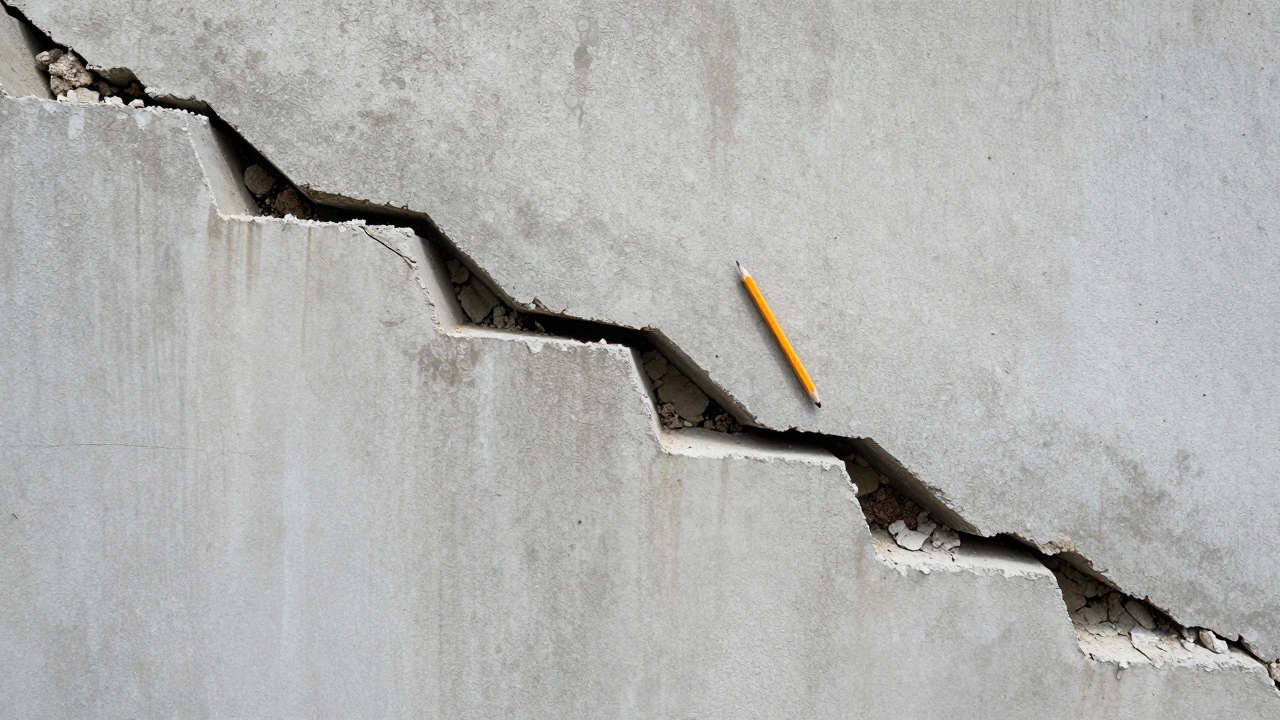
- Width over 5 mm - If you can fit a pencil or a small screwdriver into the crack, it’s too wide. Cracks wider than 5 mm often mean the foundation is shifting or sinking.
- Stair-step pattern - This looks like a zigzag running across bricks or blocks, especially in block foundations. It’s caused by uneven settling. In Auckland, where clay soil expands and contracts, this is a common sign of foundation movement.
- Horizontal cracks - Vertical cracks? Usually okay. Horizontal cracks? Big problem. They mean the wall is bowing inward from soil pressure. This often happens in basements or retaining walls and can lead to collapse.
- Crack running through multiple levels - If the same crack appears on the foundation, then the first-floor wall, and then the ceiling above, that’s a structural issue. The house is moving as one unit - and not in a good way.
- Cracks with debris or dirt inside - If you see soil, dust, or even ants crawling into the crack, it’s an open path for water and pests. That means water is getting in, and that’s how rot, mold, and further damage start.
Other Signs Your Foundation Is Failing
Cracks aren’t the only clue. Look around your home:
- Doors and windows won’t close - If doors stick, windows jam, or you have to push hard to lock them, the frame is out of square. That’s because the house has shifted.
- Floors slope noticeably - Place a marble on the floor. If it rolls toward one corner, your foundation has sunk. A 10 mm slope over 3 meters is a serious warning.
- Ceilings or walls are pulling away - Gaps between walls and ceilings, or cracks along the ceiling line, mean the structure is separating. This often happens when footings fail.
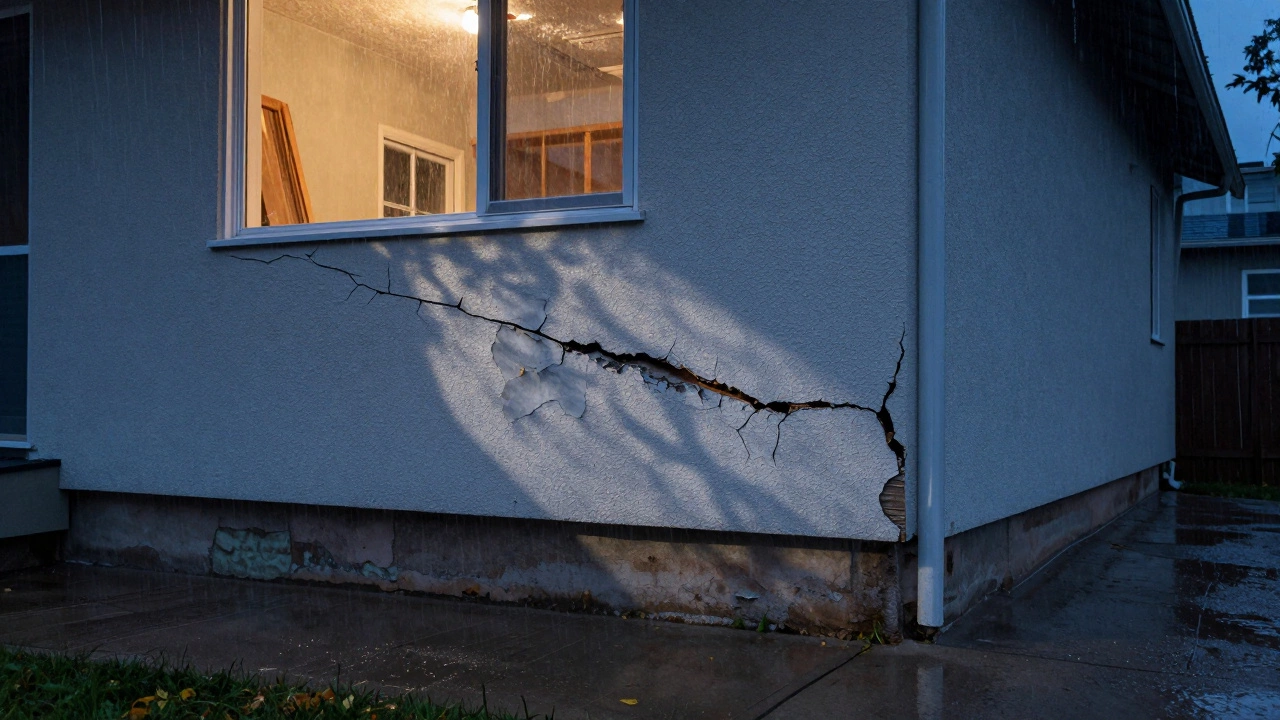
- Exterior brick or stucco is crumbling - If the outer layer of your house is cracking or peeling, the foundation beneath it is under stress.
- Water pooling near the foundation - After rain, if water stays around your house for hours, it’s soaking into the soil and pushing against the walls. That’s how cracks form in the first place.
Why Foundation Cracks Happen in New Zealand
Here in Auckland, we have two big problems: clay soil and heavy rain. Clay expands when wet and shrinks when dry. That’s called expansive soil. It’s like the ground is breathing - and every time it does, your foundation gets pushed and pulled.
Older homes built before 2000 often have shallow footings - sometimes just 300 mm deep. Modern homes use deeper footings and drainage systems. If your house is pre-2000 and you’re seeing cracks, it’s likely because the foundation wasn’t built to handle today’s rainfall patterns.
Earthquakes also play a role. Even small tremors - we get dozens every year - can nudge foundations out of alignment. A crack that was fine last year might be growing now because of last month’s minor quake.
What to Do If You Spot a Bad Crack
Don’t wait. Don’t try to patch it with caulk. Don’t assume it’s "just the weather."
- Take photos - Document the crack with a ruler next to it. Measure the width. Take pictures every month to track growth.
- Check for water - Look for damp spots, mold, or musty smells. Water is almost always the hidden cause.
- Call a structural engineer - Not a handyman. Not a foundation repair salesman. A licensed structural engineer. They’ll inspect the crack, test the soil, and give you a written report. In New Zealand, this usually costs between $300 and $600.
- Get multiple quotes - If repair is needed, get at least two quotes. Look for companies that use piering systems (steel or concrete piers driven deep into stable soil), not just epoxy injections or surface patches.
Most repairs take 2-5 days. The cost? Between $5,000 and $15,000 depending on the damage. But if you ignore it, you could be looking at $50,000+ in structural damage - or worse, a house that’s unsafe to live in.
What’s Not a Foundation Crack
Not every crack means disaster. Here’s what you might mistake for foundation damage:
- Plaster cracks - These are thin, spiderweb-like cracks on interior walls. They’re from drying plaster or minor settling. Not structural.
- Caulking separation - If the sealant around windows or doors is cracking, that’s normal aging. Reapply silicone, no big deal.
- Concrete shrinkage cracks - These are fine, random lines on new slabs. They appear in the first 30 days after pouring and rarely grow. They’re sealed by the concrete itself.
If you’re unsure, take a photo and ask a structural engineer. It’s better to be safe.
Prevention Is Cheaper Than Repair
Most foundation problems are preventable:
- Keep water away - Gutters should direct water at least 1.5 meters from the foundation. Install downspout extensions if needed.
- Grade the soil - The ground should slope away from your house. If water pools near the walls, re-grade it.
- Check drainage - French drains, sump pumps, and perimeter drains help. If your house is older, consider upgrading.
- Inspect every 6 months - Look at your foundation after heavy rain. Take photos. Compare.
A quick 10-minute check twice a year can save you tens of thousands. In Auckland, where weather is unpredictable, that’s not optional - it’s essential.