Foundation Crack Risk Assessment
Assess Your Foundation Crack
Enter your crack details to determine risk level and estimated repair costs.
Ignoring a foundation crack might seem like an easy way to avoid cost and hassle-but that’s exactly how expensive problems start. In Auckland, where the soil shifts with seasonal rain and older homes sit on clay-rich ground, even a hairline crack can turn into a full-blown structural emergency. You might think, It’s just a crack. But foundations don’t crack for fun. They crack because something’s wrong underneath, and leaving it alone won’t make it go away-it’ll only get worse.
The Crack Won’t Stay Small
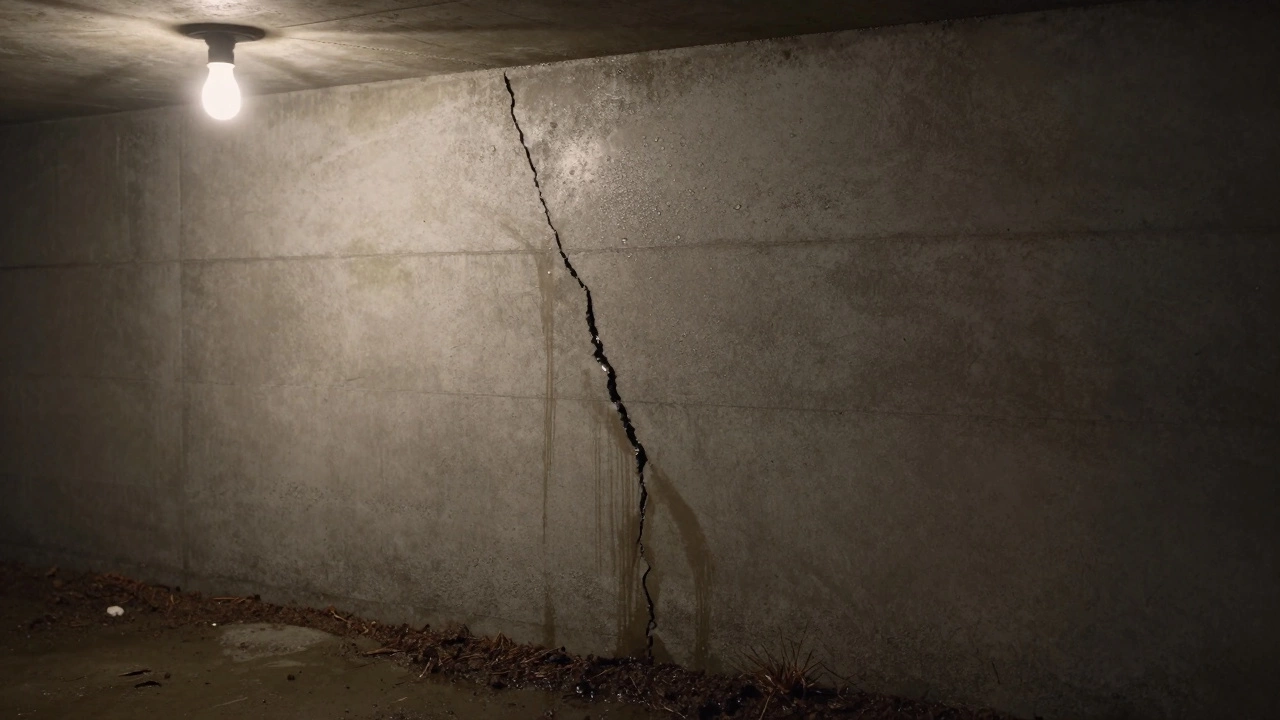
Most foundation cracks start as thin lines, maybe 1/16th of an inch wide. You might notice them near a window, along a basement wall, or where the slab meets the footer. At first, they look harmless. But over time, water seeps in. Soil expands and contracts. The house settles unevenly. And that tiny line? It widens. In just one year, a crack that started at 2mm can grow to 8mm or more. In New Zealand’s wet climate, that’s enough for water to penetrate, freeze, and push the concrete apart further. Every freeze-thaw cycle makes it worse. What you thought was a cosmetic issue becomes a load-bearing problem.
Water Damage Follows
Once water gets in through that crack, it doesn’t stop at the concrete. It travels. It soaks into insulation, rots wooden floor joists, and rusts steel support beams. Basements turn damp. Mold grows behind drywall. You might not see it right away, but the smell-musty, earthy, like wet cardboard-will. And once mold takes hold, it’s not just a health risk. It lowers your home’s value and makes insurance claims harder. In Auckland, where humidity stays high year-round, moisture doesn’t dry out easily. A small crack can lead to water damage that costs more to fix than the original foundation repair.
Doors and Windows Start Sticking
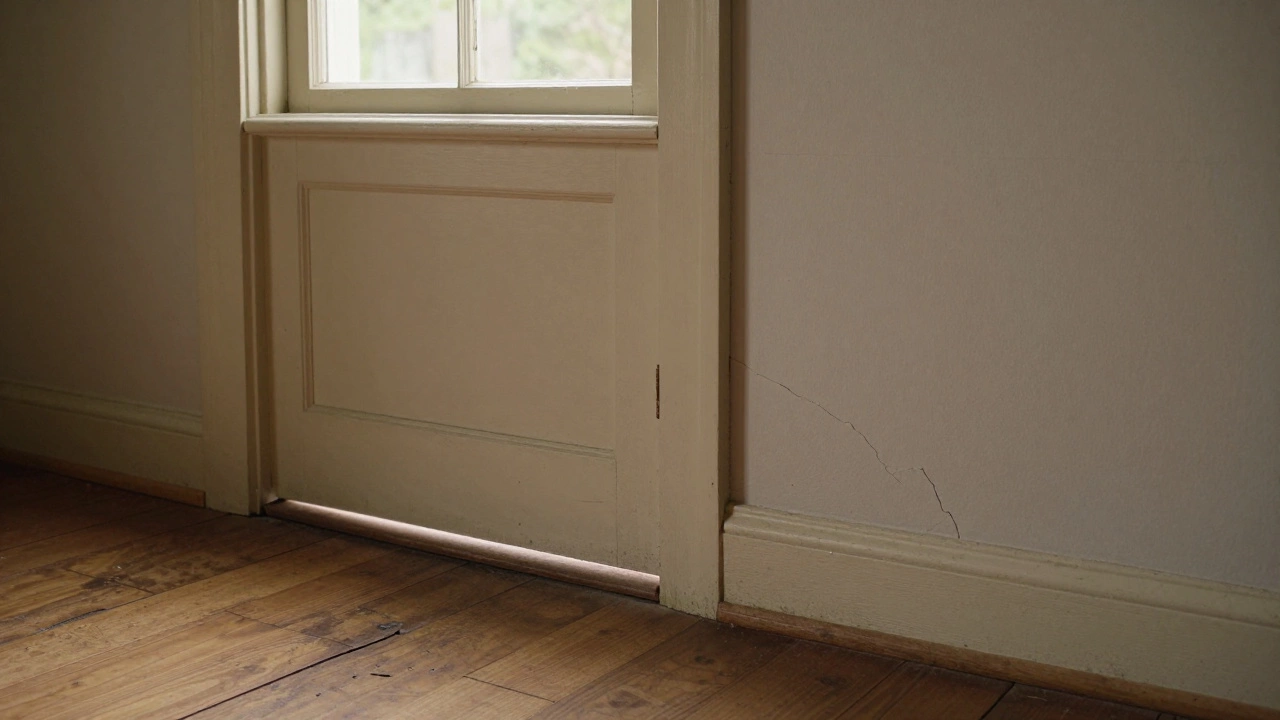
Have you noticed your front door won’t close right anymore? Or your bathroom window won’t slide open without a shove? That’s not just aging hardware. That’s the house shifting. A cracked foundation means uneven settling. One side of the house sinks a little more than the other. That pulls the frame out of square. Doors jam. Windows warp. Floors slope. You might chalk it up to old age, but it’s structural movement. And once the framing is out of alignment, even simple repairs like replacing a window become complicated and costly. You’re no longer fixing a crack-you’re re-aligning an entire section of the house.
Ceiling and Wall Cracks Appear Elsewhere
When the foundation moves, the whole structure follows. That means cracks start showing up where you least expect them-on ceiling corners, along interior walls, even in plaster finishes upstairs. These aren’t surface cracks from paint drying. These are structural indicators. If you see stair-step cracks in brickwork, or long vertical lines running from the floor to the ceiling, that’s a sign the foundation is moving under pressure. The house is trying to adjust, and it’s doing so by breaking apart. Ignoring these signs means you’re letting the damage spread upward. What started as a basement issue becomes a whole-house problem.
Plumbing Lines Get Stressed
Your pipes aren’t built to flex. They’re rigid, especially older cast iron or PVC lines under the slab. When the foundation shifts, those pipes bend, stretch, or snap. A small crack in the foundation can cause a leak in a water line. That leak then washes away soil under the slab, creating a void. Now the foundation is sinking into empty space. It’s a cycle: crack → leak → soil erosion → more sinking → bigger crack. You might not even know there’s a leak until your water bill spikes or you hear constant dripping under the floor. By then, you’re looking at pipe replacement, slab repair, and possibly re-piping the whole house.
Insurance Might Not Cover It
Most home insurance policies in New Zealand exclude damage from gradual foundation movement. They cover sudden events-like a tree falling through the roof-but not slow deterioration. If you wait too long to fix a crack, and then it causes a collapse or major water damage, your claim could be denied. Insurers look at maintenance history. If they see you ignored visible signs for over a year, they’ll argue you failed to protect your property. That means you pay out of pocket for repairs that could’ve been fixed for a few thousand dollars-and now cost tens of thousands.
Property Value Takes a Hit
Selling a home with an unrepaired foundation crack is like trying to sell a car with a cracked engine block. Buyers will walk away. Lenders won’t approve mortgages. Home inspectors flag it immediately. In Auckland’s competitive market, a cracked foundation can drop your home’s value by 15-30%. Even if you fix it later, you’ll need a structural engineer’s report to prove it’s stable-and that report costs money. Buyers will still hesitate. The stigma sticks. A foundation issue doesn’t just cost money to fix. It costs you the chance to sell at market price.
It Can Lead to Collapse
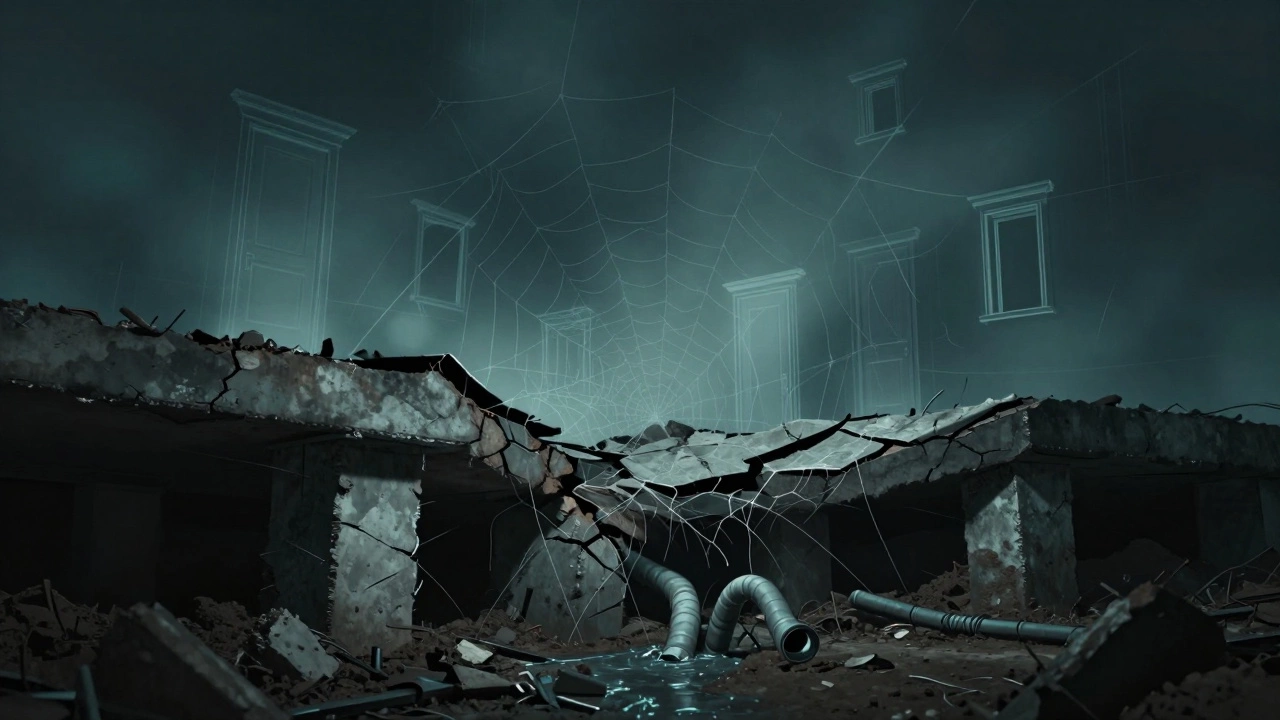
This isn’t scare tactics. It’s engineering. In extreme cases, an untreated foundation crack can lead to partial or full collapse. This happens when the load-bearing elements-footers, piers, or load walls-lose support. The soil beneath them washes away. The concrete crumbles. The floor drops. In 2023, a 1950s bungalow in Glen Eden partially collapsed after years of ignored cracks. The homeowner had noticed the cracks for six years. They thought it was just settling. The repair bill? $180,000. The house was nearly unlivable for 18 months. That’s not rare. It’s predictable.
What You Should Do Instead
Don’t wait. If you see a crack wider than 3mm, get it inspected. A structural engineer can tell you if it’s active (still moving) or stable. Most repairs cost between $2,000 and $8,000 in New Zealand, depending on the method. Carbon fiber straps, epoxy injections, or underpinning are common solutions. The sooner you act, the cheaper and simpler it is. And remember: foundation repairs aren’t optional. They’re preventative maintenance, like changing your oil or cleaning your gutters. Skip it, and you’re gambling with your home’s safety.
Signs You Need Immediate Help
- Crack wider than a credit card (about 3mm)
- Doors or windows that won’t close properly
- Uneven floors, especially near the center of the house
- Crack that’s getting wider over time
- Water pooling in the basement after rain
- Mold or musty smells in enclosed spaces
- Crumbling or crumbling mortar around the foundation
If two or more of these apply, don’t delay. Call a licensed foundation specialist. Get a written assessment. Take photos. Document everything. It’s not just about money-it’s about safety.
Can a small foundation crack fix itself?
No. Foundation cracks don’t heal. Concrete doesn’t regenerate. What looks like a crack closing up is usually just debris or dirt filling the gap. The underlying movement hasn’t stopped. If anything, it’s getting worse. Even if the crack seems to stop growing, the damage to your home’s structure is already done. Only professional repair can restore stability.
How long does it take for a foundation crack to get serious?
It varies, but in Auckland’s climate, damage can escalate in 6 to 18 months. Heavy rain, soil expansion, and freeze-thaw cycles accelerate movement. A crack that starts at 1mm can grow to 8mm in under a year if left alone. Once it passes 5mm, water intrusion and structural stress become likely. The longer you wait, the more systems are affected-plumbing, framing, insulation, even electrical lines.
Is foundation repair covered by home insurance?
Usually not. Most policies exclude damage from gradual settling, soil movement, or poor drainage. Insurance only covers sudden events like a burst pipe or landslide. If your crack is due to long-term neglect, insurers will deny claims. That’s why it’s critical to document and repair cracks early. Waiting until damage is severe means you pay out of pocket.
Can I fix a foundation crack myself?
You can seal a surface crack with epoxy or caulk, but that’s only a temporary patch. It doesn’t stop the underlying movement. If the crack is caused by settling, soil pressure, or water, the root problem remains. DIY fixes look good on the surface but fail within months. For any crack wider than 2mm, or if you notice other signs like sticking doors or sloping floors, hire a professional. Structural issues need engineered solutions-not hardware store products.
What’s the average cost to fix a foundation crack in New Zealand?
Costs range from $2,000 to $15,000, depending on the method and extent. Epoxy injection for small cracks starts around $2,000. Carbon fiber straps for wall stabilization cost $5,000-$8,000. Underpinning or slab jacking for major settling can run $10,000-$15,000. Getting a quote early often saves you 40-60% compared to waiting until damage spreads.
Foundation cracks aren’t a "maybe" problem. They’re a "when," not an "if." The longer you wait, the more you lose: money, safety, peace of mind. Fix it now-or pay far more later.