Commercial vs. Residential Project Estimator
Enter your project details to see an estimated cost breakdown and specific code requirements.
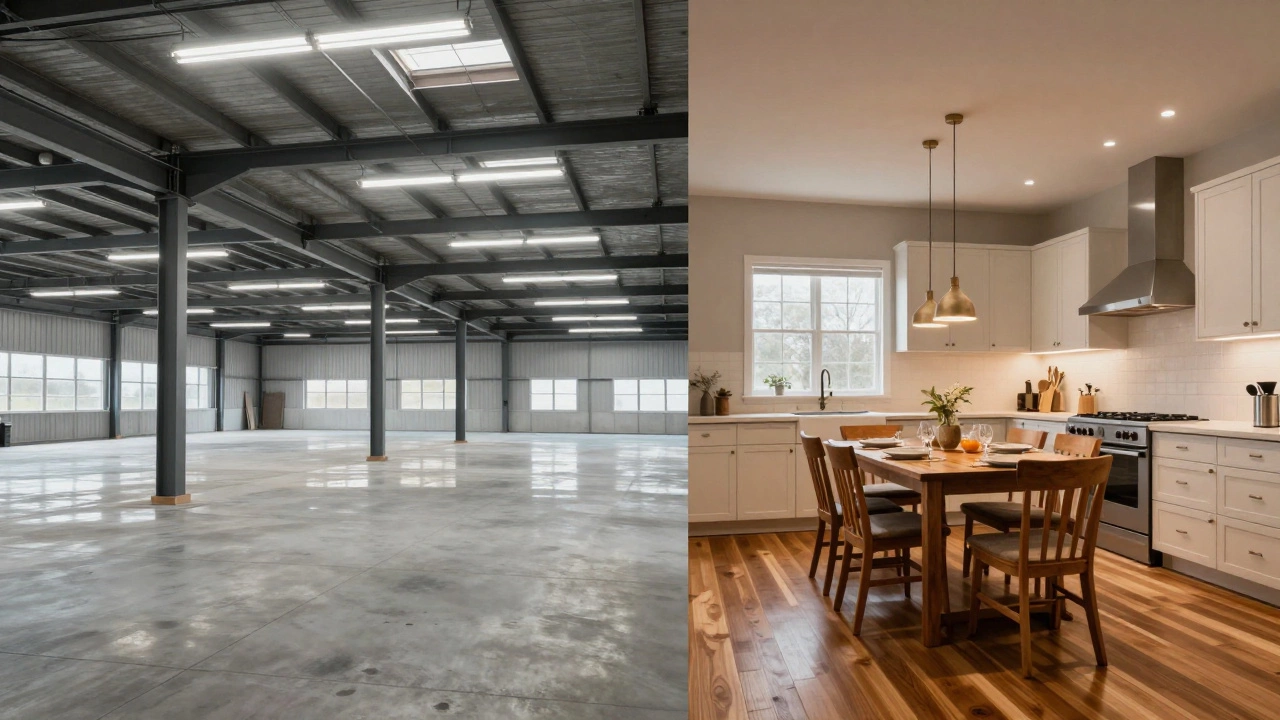
Imagine you’re standing in an empty warehouse. You see steel beams, concrete floors, and rows of fluorescent lights waiting to be installed. Now imagine a cozy kitchen with hardwood floors and a family dinner table. These two spaces might both involve construction, but they are worlds apart. The difference isn’t just aesthetic; it’s legal, structural, and financial. This is the core distinction between a commercial project and a residential one.
If you’ve ever heard contractors talk about "commercial grade" materials or seen signs warning that a building is for "commercial use only," you might wonder what exactly makes a project fall into this category. Is it just about size? Is it about who owns the building? Or does it have something to do with how the space is used?
The short answer is: it’s about purpose. A commercial project is any construction, renovation, or development designed to generate income or support business operations. But that simple definition opens up a complex world of stricter regulations, different materials, and unique challenges. Let’s break down what this really means for anyone looking to build or renovate a business space.
The Core Definition: Profit vs. Living
At its heart, a Commercial Project is construction work intended for business activities rather than personal habitation. The primary driver is economic activity. If people are working there, buying things there, or providing services there for money, it’s likely commercial.
This includes a wide range of structures:
- Retail Spaces: Stores, malls, and showrooms where goods are sold directly to consumers.
- Office Buildings: Corporate headquarters, co-working spaces, and administrative centers.
- Hospitality: Hotels, restaurants, and resorts that serve paying guests.
- Industrial Facilities: Warehouses, factories, and distribution centers.
- Institutional Buildings: Schools, hospitals, and government buildings (often grouped with commercial due to similar code requirements).
Contrast this with a Residential Project, which is construction for private living quarters like single-family homes, apartments, or condos. In a home, the focus is on comfort, privacy, and livability. In a commercial space, the focus is on durability, safety for large numbers of people, and functionality for business processes.
Why does this distinction matter so much? Because the rules change completely once you cross that line. You can’t just apply home-building logic to a store or an office. The stakes are higher, and the consequences of getting it wrong are more severe.
Building Codes: Safety for Crowds
One of the biggest differences between commercial and residential projects is the set of rules they must follow. Residential buildings follow the International Residential Code (IRC). Commercial buildings follow the International Building Code (IBC), which is significantly more stringent.
Think about fire safety. In your house, you need smoke detectors and maybe a sprinkler system if it’s a multi-story apartment. In a commercial building, especially one with high occupancy like a restaurant or a cinema, you often need complex fire suppression systems, fire-rated walls, and multiple emergency exits. The IBC requires these because if something goes wrong in a crowded public space, the risk to human life is much greater.
Accessibility is another major factor. Under the Americans with Disabilities Act (ADA) in the United States, all new commercial constructions must be accessible to people with disabilities. This means:
- Ramps with specific slope gradients instead of just stairs.
- Wider doorways to accommodate wheelchairs.
- Elevators or lifts in multi-story buildings.
- Accessible restrooms with grab bars and lower sinks.
These aren’t optional extras; they’re legal requirements. Ignoring them can lead to massive fines and lawsuits. For homeowners, accessibility is important but largely voluntary unless specific modifications are requested. For businesses, it’s mandatory from day one.
Materials That Last Longer
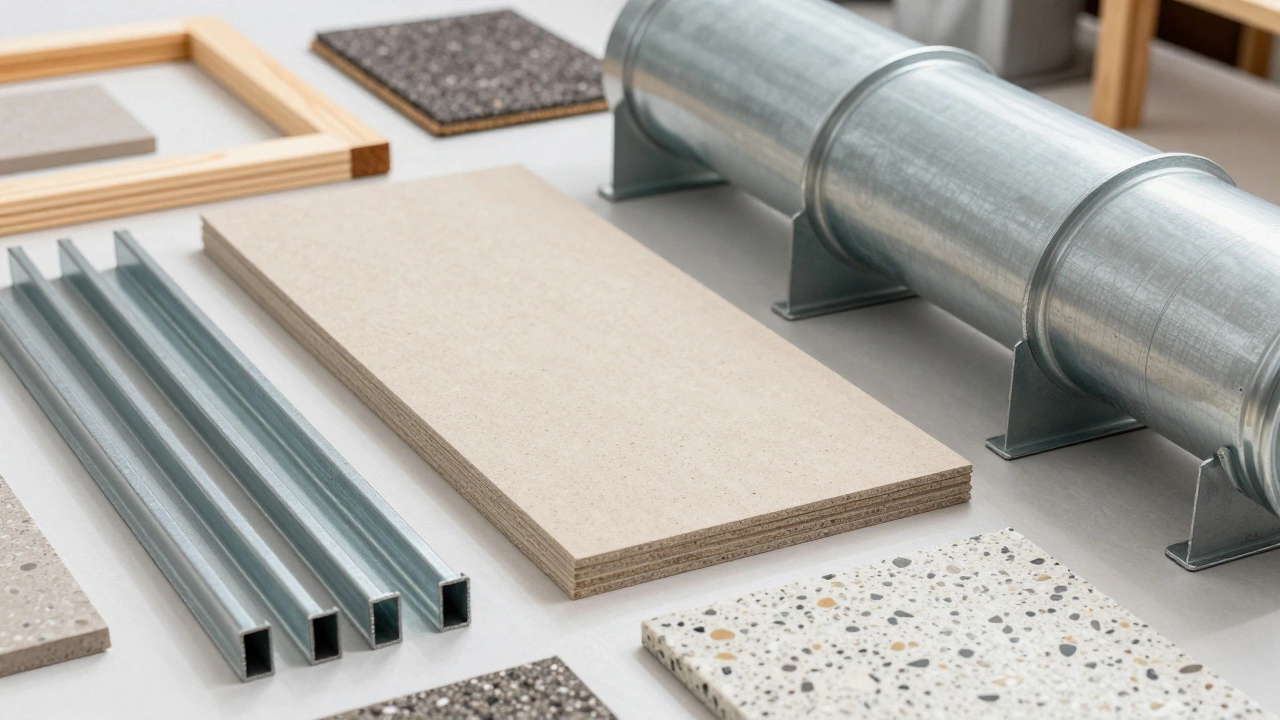
You wouldn’t put carpet in a busy airport terminal, would you? It would be destroyed within weeks. Commercial projects require materials built for heavy traffic and harsh conditions. This is often referred to as "commercial grade."
Here’s how commercial materials differ from their residential counterparts:
| Feature | Commercial Standard | Residential Standard |
|---|---|---|
| Flooring | Poured concrete, terrazzo, heavy-duty tile | Hardwood, laminate, standard carpet |
| Walls | Steel studs, drywall with impact resistance | Wood studs, standard drywall |
| HVAC Systems | Large-scale units, zoning for open plans | Central air, window units, split systems |
| Electrical | Three-phase power, higher amperage | Single-phase power, standard outlets |
For example, commercial HVAC systems are designed to handle larger volumes of air and maintain consistent temperatures across open floor plans. They also often include filtration systems to protect employee health in tightly sealed buildings. Electrical systems in commercial buildings may need three-phase power to run heavy machinery or elevators, whereas homes typically run on single-phase power.
Using residential-grade materials in a commercial setting can void insurance policies and fail inspections. It’s not just about cost; it’s about longevity and safety. A commercial project is an investment meant to last decades, not just years.
The Permitting Process: More Paperwork, More Scrutiny
If you think pulling permits for a home renovation is tedious, wait until you try it for a commercial project. The permitting process for commercial construction is far more rigorous. Local building departments scrutinize every detail because the potential impact on public safety is higher.
Here’s what you can expect:
- Detailed Plans: You’ll need architectural drawings, engineering stamps, and sometimes environmental impact studies.
- Zoning Compliance: Ensuring the land use matches local zoning laws is critical. You can’t just open a factory in a residential zone.
- Multiple Inspections: Foundations, framing, electrical, plumbing, and fire systems will each require separate inspections by certified officials.
- Certificate of Occupancy: Before anyone can legally operate in the building, you must receive this certificate proving the structure meets all code requirements.
Mistakes here can cause significant delays. A missing stamp on a blueprint or a non-compliant exit sign can halt construction for weeks. Working with experienced commercial general contractors helps navigate this maze efficiently.
Costs and Financing: Bigger Budgets, Different Rules
Commercial projects generally cost more per square foot than residential ones. Why? Because of the materials, labor specialization, and regulatory compliance mentioned above. But it’s not just about higher prices; it’s about how those costs are structured.
Financing a commercial project looks different too. While homeowners might use mortgages or home equity loans, businesses rely on:
- Commercial Construction Loans: Short-term financing specifically for building or renovating business properties.
- SBA Loans: Government-backed loans for small businesses that meet certain criteria.
- Investor Capital: Funding from private investors or venture capital firms.
Lenders evaluate commercial projects based on cash flow potential. They want to know if the business will generate enough revenue to repay the loan. This means your construction budget needs to align closely with your business plan. Overspending on aesthetics without improving functionality can hurt your return on investment.
Additionally, commercial real estate values are tied to net operating income (NOI). A well-executed commercial project can increase property value significantly, making it a strategic asset rather than just a place to work.
Who Handles Commercial Projects?
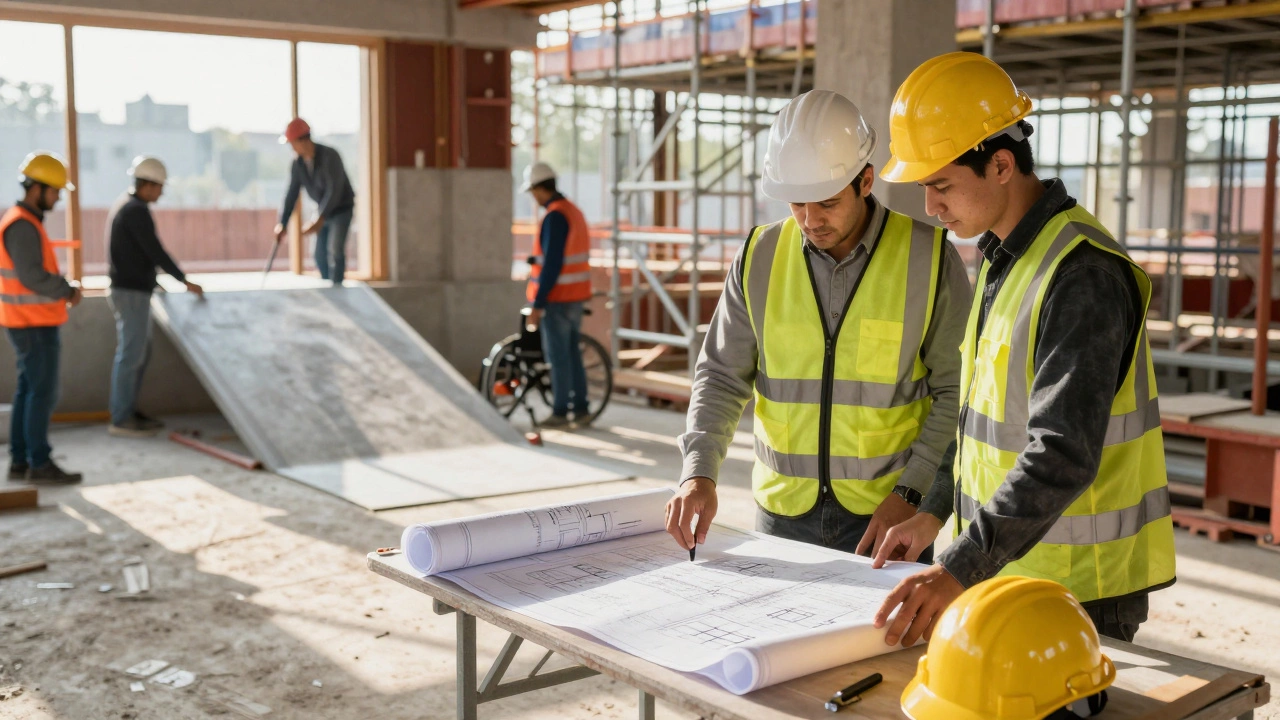
You wouldn’t hire a plumber to fix your car, right? Similarly, you shouldn’t hire a residential contractor for a commercial job. Specialization matters. Commercial contractors understand the unique demands of business environments.
Key players in a commercial project include:
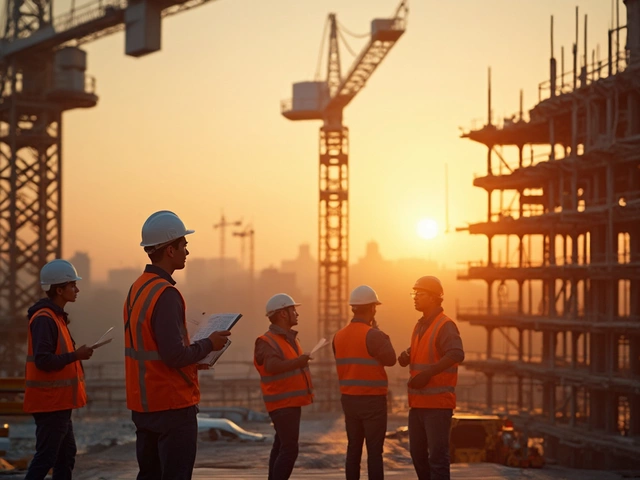
- General Contractors (GCs): They manage the entire project, coordinating subcontractors and ensuring timelines and budgets are met.
- Architects: Designers who create functional layouts that comply with codes and meet business needs.
- Engineers: Structural, mechanical, and electrical engineers who ensure the building stands up and runs safely.
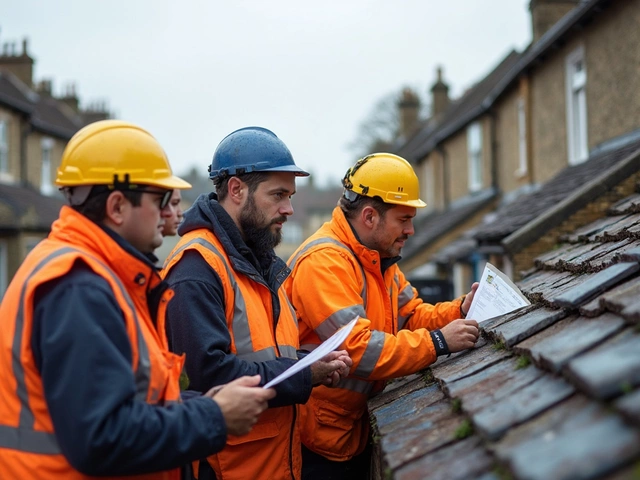
- Subcontractors: Specialists in areas like roofing, HVAC, electrical, and plumbing.
Working with a team experienced in commercial construction ensures smoother execution. They know how to order materials in bulk, schedule trades efficiently, and handle unexpected issues without derailing the project.
Common Pitfalls to Avoid
Even seasoned professionals make mistakes. Here are some common pitfalls in commercial projects:
- Underestimating Timeline: Commercial projects often take longer due to permitting and complexity. Plan for contingencies.
- Ignoring Zoning Laws: Always verify land use restrictions before breaking ground.
- Skipping Accessibility Checks: ADA compliance is non-negotiable. Address it early in design.
- Overlooking Maintenance Needs: Choose materials that are easy to clean and repair to reduce long-term costs.
- Poor Communication: Regular updates between stakeholders prevent misunderstandings and costly rework.
Avoiding these traps requires careful planning and expert guidance. Don’t cut corners on research or professional advice.
Can I convert my home into a commercial space?
Yes, but it’s complicated. You’ll need to check local zoning laws to see if mixed-use or commercial activity is allowed in your area. You may also need to upgrade electrical, plumbing, and fire safety systems to meet commercial codes. Consult with a local zoning officer and a commercial contractor before starting.
How much does a commercial project cost compared to residential?
Commercial projects typically cost 20-50% more per square foot than residential ones. This varies based on location, type of business, and finishes. High-end retail or medical facilities can exceed $300 per square foot, while basic warehouses might be closer to $100.
Do I need a commercial license to build a commercial project?
Contractors need specific licenses for commercial work, which differ from residential licenses. As a business owner, you don’t need a contractor’s license, but you must hire licensed professionals. Verify their credentials through your state’s licensing board.
What is the average timeline for a commercial construction project?
Timelines vary widely. A small office renovation might take 3-6 months. A large retail store could take 12-18 months. Factors include permit approval times, material availability, and weather. Always build buffer time into your schedule.
Is insurance different for commercial projects?
Yes. Commercial projects require builder’s risk insurance and general liability coverage tailored to business operations. Homeowner’s insurance won’t cover commercial construction activities. Ensure your policy covers delays, theft, and third-party injuries.