Back in the 90s and early 2000s, homeowners thought glossy ceramic tiles, wall-to-wall carpeting, and dark stained oak were the gold standard for floors. Today, those same choices look dated-not because they’re broken, but because tastes, materials, and expectations have shifted. If you’re planning a renovation in 2025, you don’t want to spend money on flooring that’ll make your home look stuck in the past.
Wall-to-Wall Carpet: The Invisible Trap
Wall-to-wall carpet, especially the thick, plush kind with a heavy pad, was once the go-to for comfort. But it’s now one of the most outdated flooring options you can install. Why? It traps allergens, holds odors, and shows wear in high-traffic areas within months. In Auckland’s humid climate, it also invites mold and mildew under the padding, especially in bathrooms and basements.
Real estate agents in New Zealand now routinely advise sellers to remove old carpet before listing. Buyers expect hard surfaces-they’re easier to clean, last longer, and don’t smell like old pets or spilled coffee. Even in bedrooms, thinner, low-pile rugs over hardwood or luxury vinyl plank (LVP) are the new standard.
Dark, Glossy Oak Floors: Too Heavy for Modern Spaces
Dark walnut or cherry-stained oak floors were prized for their richness. But today’s interiors lean toward light, airy spaces. Dark floors absorb light, making rooms feel smaller and heavier. In homes with limited natural light-common in Auckland’s older suburbs-dark wood can turn a living room into a cave.
Plus, the high-gloss finish? It shows every scratch, pet nail mark, and dust particle. Maintenance became a chore. Modern homeowners want matte or satin finishes that hide wear and feel more natural. Light oak, ash, or even white-washed oak are now the preferred choices. They reflect light, pair well with neutral walls, and age gracefully.
Linoleum Tiles: Misunderstood and Mistaken for Vinyl
Many people still confuse linoleum with vinyl. But linoleum-made from linseed oil, cork dust, and jute-is a natural product that was popular in the 70s and 80s. It’s durable, biodegradable, and eco-friendly. But the old school 9x9 inch tiles with bold geometric patterns? Those are unmistakably outdated.
Those tiles often have chipped edges, yellowed grout lines, and patterns that scream “1982.” Even if the material is still in good shape, the style feels like a time capsule. Modern linoleum comes in large sheets with subtle, organic patterns, but most homeowners now choose luxury vinyl tile (LVT) instead. It looks like real stone or wood, costs less, and installs faster.
Marble and Natural Stone in High-Moisture Areas
Marble floors in kitchens and bathrooms were once a status symbol. But in 2025, they’re seen as high-maintenance liabilities. Marble is porous. It stains easily from wine, coffee, or even cleaning products. It etches when exposed to acidic substances like lemon juice or vinegar. And in Auckland’s damp climate, it can develop a dull, chalky film over time.
Polished marble also becomes dangerously slippery when wet. Homeowners now opt for porcelain tiles that mimic marble’s look but are non-porous, scratch-resistant, and easy to clean. These tiles don’t need sealing, don’t stain, and last decades without losing their shine.
Patterned Vinyl Sheet Flooring: The 80s Nightmare
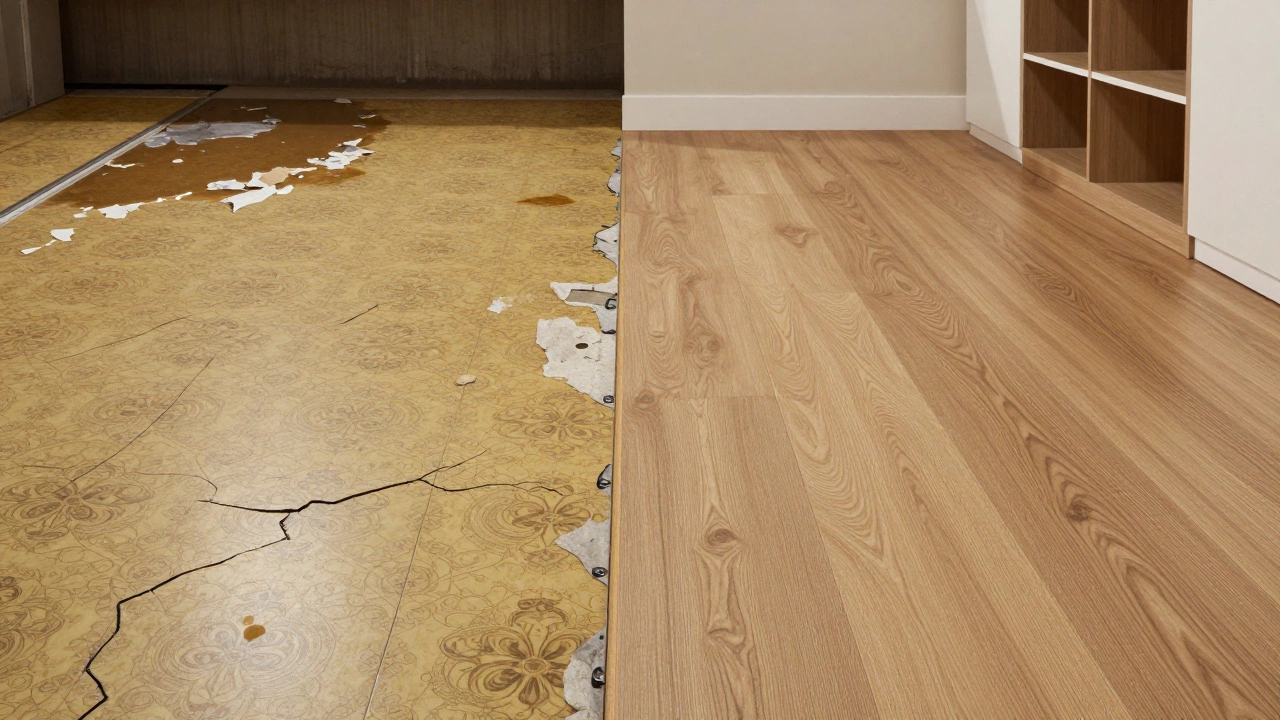
Remember those swirling, multi-colored vinyl sheets with floral or abstract designs? They were everywhere in the 80s and early 90s. Today, they’re a red flag for buyers. The patterns are loud, the seams are visible, and the material often curls at the edges after years of foot traffic.
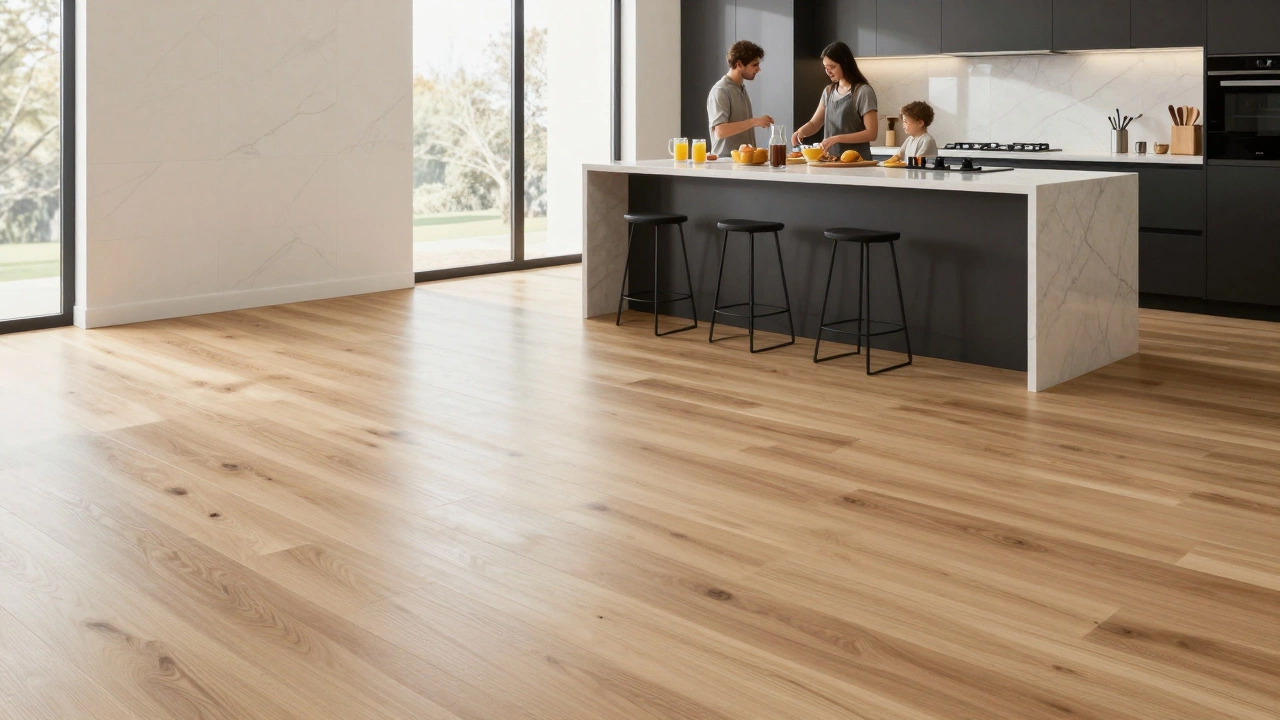
Modern vinyl flooring comes in rigid planks or tiles that click together. The designs are photorealistic-you can’t tell the difference from real wood or stone. Brands like Shaw, Mohawk, and Tarkett now offer waterproof options with scratch-resistant coatings. If you still have old sheet vinyl, it’s not just outdated-it’s a sign the home hasn’t been updated in decades.
What’s Replacing These Outdated Floors?
Four modern options dominate in 2025:
- Luxury Vinyl Plank (LVP): Water-resistant, durable, and looks like real wood. Perfect for kitchens, bathrooms, and basements. Comes in wide planks with textured finishes that mimic hand-scraped oak.
- Engineered Hardwood: Real wood veneer on a stable core. Doesn’t warp in humidity like solid hardwood. Ideal for Auckland’s coastal climate.
- Porcelain Tile: Looks like stone, concrete, or even wood. Extremely durable, easy to clean, and available in large formats that reduce grout lines.
- Polished Concrete: Once used only in lofts and industrial spaces, it’s now a popular choice for modern homes. Low maintenance, cool underfoot in summer, and pairs beautifully with minimalist interiors.
These materials aren’t just trendy-they solve real problems. They handle spills, pet claws, and heavy foot traffic without needing constant refinishing or replacement.
Why Timing Matters: When to Replace, Not Just Refinish
You might think you can sand and refinish old oak floors to make them modern. But if the wood is thin, warped, or has deep gouges, sanding will only make things worse. Many older floors were installed over particleboard or plywood that’s now rotted. Refinishing won’t fix that.
Same goes for carpet. If it’s been installed over a damp subfloor, removing it and replacing the underlayment is cheaper than trying to patch it up. In 2025, buyers aren’t impressed by “original features” if those features are falling apart or unhealthy.
Think of flooring as the foundation of your home’s look and feel. If it’s outdated, it drags down the whole space-even if your walls are freshly painted and your kitchen is new.
What to Do If You’re Selling
If you’re putting your home on the market, outdated flooring is one of the top reasons buyers back out after a viewing. A 2024 survey by Real Estate Institute of New Zealand found that 68% of buyers said flooring condition influenced their offer. Even a $5,000 flooring upgrade can add $15,000-$25,000 in perceived value.
Focus on high-traffic areas first: entryway, kitchen, living room. Use LVP or engineered hardwood. Avoid anything with visible seams, loud patterns, or dark stains. Neutral tones-light greys, warm beiges, soft whites-sell faster.
What to Do If You’re Keeping Your Home
You don’t need to rip out everything at once. Start with the rooms you use most. Replace the kitchen floor if it’s old vinyl or cracked tile. Swap carpet in the hallway for LVP. Add a rug over hardwood in the bedroom for warmth.
Even small changes make a difference. A new floor in the bathroom can turn a dingy space into a spa-like retreat. A light-colored floor in a dark hallway can make the whole house feel brighter.
Final Thought: Flooring Is the Silent Salesperson
Your floors don’t shout. But they speak loudly. They tell visitors whether you care about your home. Whether you’re thinking long-term. Whether you understand how people live now.
Outdated flooring isn’t just ugly-it’s a liability. It slows down sales, lowers offers, and makes daily life harder. The good news? Modern alternatives are affordable, durable, and easy to install. You don’t need a full renovation to make a big impact. Just one room, one smart choice, can change everything.
Is carpet really that outdated in 2025?
Yes, especially in high-traffic or damp areas like kitchens, bathrooms, and hallways. Carpet holds dust, allergens, and moisture, which can lead to mold and odors. In Auckland’s humid climate, it’s a health risk. Buyers now expect hard surfaces. Even in bedrooms, thin rugs over hardwood or LVP are preferred.
Can I refinish old dark oak floors instead of replacing them?
You can, but only if the wood is thick enough to sand down 1-2 mm without exposing the plywood underneath. Many older floors are too thin. Even if you can sand them, dark stains still make rooms feel smaller. Lightening the tone with a whitewash or light stain helps, but it won’t fix the glossy finish. Most homeowners now choose to replace with lighter engineered hardwood for better results.
Is luxury vinyl plank really worth it?
Absolutely. LVP is waterproof, scratch-resistant, and looks identical to real wood. It’s easier to install than hardwood and costs 40-60% less. Brands like Shaw’s Woodlore and Tarkett’s InSpire come with 25-year warranties. It’s the top choice for kitchens, bathrooms, and basements in New Zealand homes today.
What’s the most affordable way to update outdated flooring?
Start with the most visible areas: entryway, kitchen, and living room. Replace old vinyl sheet or carpet with LVP. You can DIY it with click-lock planks. Prices range from $35-$70 per square meter. A 20m² room costs under $1,500. That’s less than a new sofa-and it adds more value to your home.
Do I need to replace all flooring at once?
No. You can phase it in. Replace the kitchen this year, the hallway next year. Just make sure the new flooring matches the tone and style of what’s already there. Light wood tones work with most existing floors. Avoid mixing dark and light wood in adjacent rooms-it looks jarring.
Are marble floors still a good investment?
Only in dry, low-traffic areas like formal living rooms or foyers. In kitchens, bathrooms, or entryways, marble is a maintenance nightmare. It stains, etches, and becomes slippery. Porcelain tiles that look like marble are a smarter, cheaper, and more durable choice for 2025.
If you’re unsure where to start, look at your floors the way a buyer would. Are they stained? Scratched? Outdated in style? Do they make the room feel dark or cluttered? If the answer is yes, it’s time for a change. The right floor doesn’t just look better-it makes your home easier to live in, cleaner, and more valuable.