Luxury Flooring Visualizer
Select your priorities below to see which flooring materials align with your lifestyle and aesthetic goals.
Your Preferences
You walk into a room and immediately know if the floor is cheap or costly. It’s not just about the price tag on the receipt; it’s about how the light hits the surface, the depth of the grain, and the silence underfoot. Many homeowners make the mistake of thinking that "expensive" means buying the most premium material available. But here is the twist: you can get that high-end look without spending a fortune, and conversely, you can spend thousands on materials that look dated instantly.
The question isn't just what costs the most to buy. It's what signals quality, craftsmanship, and status to anyone who steps inside. Whether you are renovating a historic brownstone or updating a suburban ranch, understanding the visual cues of luxury helps you allocate your budget where it counts. Let’s break down which materials genuinely read as expensive in 2026, why they work, and where you might be wasting money.
Why Some Floors Scream Luxury While Others Whisper Budget
Luxury in flooring is rarely about one single factor. It is a combination of scale, texture, installation precision, and material authenticity. When real estate agents talk about "curb appeal," they often mean the entryway floor. Why? Because it sets the tone. A wide-plank oak floor with a matte finish tells a story of durability and timeless design. A narrow, glossy laminate strip says "builder-grade." The difference is psychological before it is financial.
Three main elements drive the perception of expense:
- Scale and Proportion: Larger tiles and wider planks generally look more expensive because they require higher-quality subfloors and more skilled labor to install evenly. Small, busy patterns can feel cluttered and cheaper.
- Surface Depth: Cheap floors often look flat. Expensive floors have texture-wood grain you can feel, stone variations that catch the light, or hand-scraped finishes. This depth mimics natural wear and artisanal care.
- Installation Integrity: Perfectly aligned grout lines, seamless transitions between rooms, and no squeaks. You can buy Italian marble, but if it’s installed poorly, it looks like a DIY disaster.
Solid Hardwood: The Undisputed King of Perceived Value
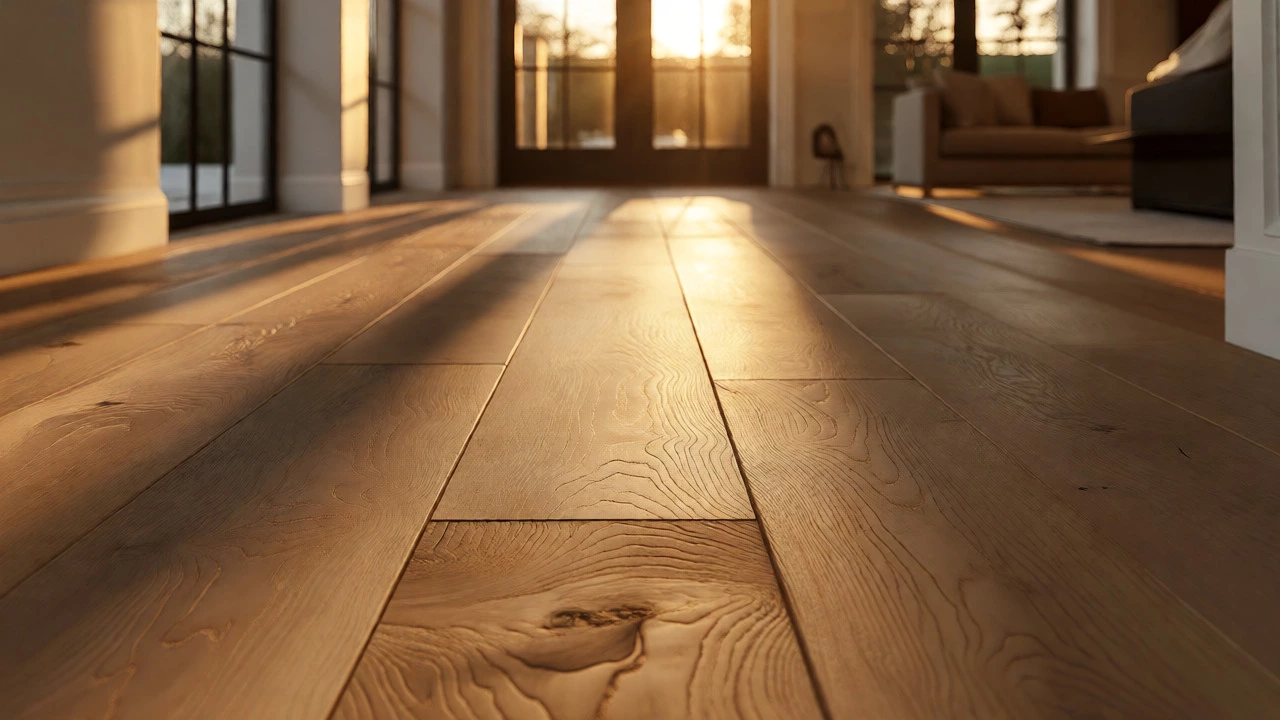
If there is one material that universally reads as "expensive," it is solid hardwood. Specifically, species like Walnut, White Oak, and Cherry. These woods don’t just look rich; they age beautifully. In 2026, the trend has shifted away from the high-gloss polyurethane finishes of the early 2000s toward natural oil finishes and hardwax oils. These finishes preserve the wood's tactile nature, making the floor feel alive rather than plastic-coated.
Why does solid wood signal wealth? First, scarcity. Old-growth timber is limited. Second, longevity. A solid oak floor can be sanded and refinished five times over a century. That long-term value proposition resonates with buyers who understand asset management. If you want the most expensive look, go wide-7 inches or wider. Narrow strips (1-3 inches) are associated with older, less desirable construction eras unless laid in complex parquet patterns.
However, solid wood has downsides. It reacts to humidity, it scratches, and it costs significantly more upfront. If you live in a humid climate like Florida, engineered wood might offer the same aesthetic with better stability. The key is choosing an engineered product with a thick wear layer (4mm+) so it can still be refinished. Avoid thin veneers that cannot withstand sanding; they will peel and look cheap within ten years.
Natural Stone: Marble and Limestone for Statement Spaces
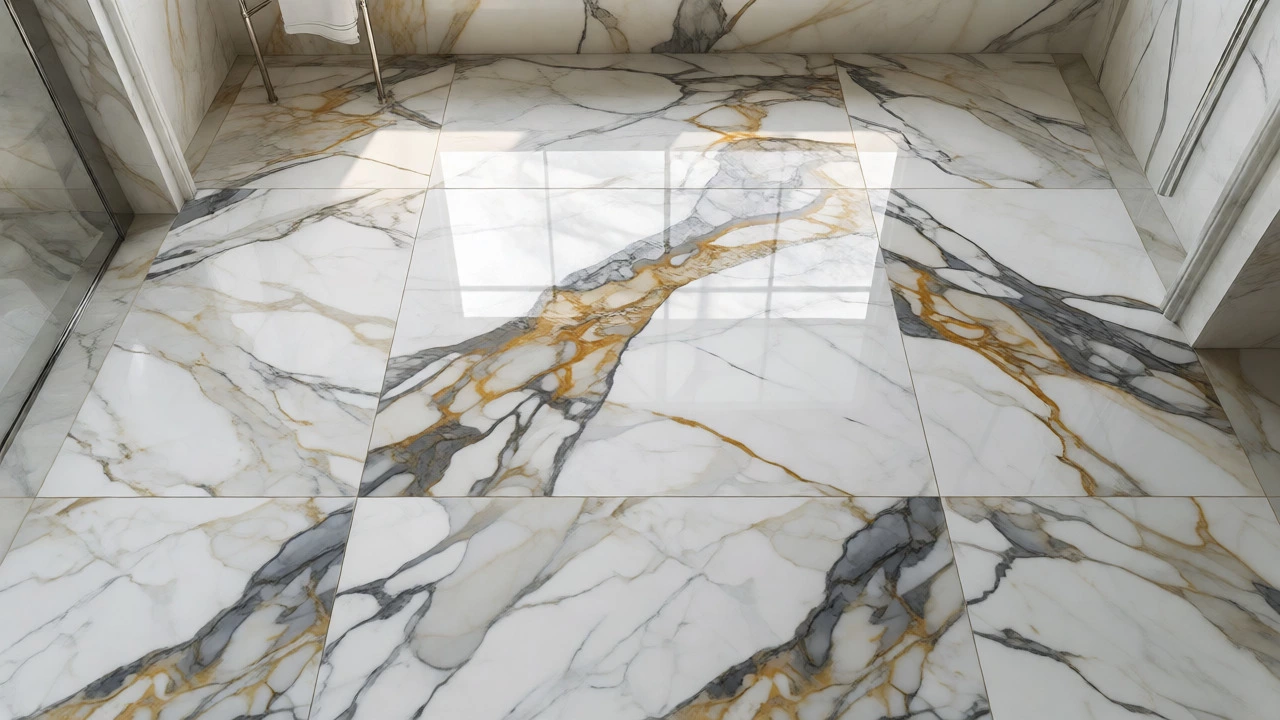
Nothing beats Calacatta Gold marble for instant opulence. It is the gold standard for bathrooms and foyers. The dramatic veining against a bright white background creates a focal point that demands attention. But marble is high-maintenance. It stains easily and etches when exposed to acids like lemon juice or vinegar. If you aren't willing to seal it annually and wipe spills immediately, it will lose its luster quickly.
For a more understated luxury, consider Limestone or Travertine. These stones offer earthy tones and subtle textures that blend well with modern minimalist designs. Large-format slabs (24x48 inches or larger) minimize grout lines, creating a seamless, monolithic appearance that feels expansive and clean. Small mosaic tiles, while beautiful, can sometimes read as "busy" or dated depending on the pattern complexity.
| Material | Perceived Expense Level | Maintenance Effort | Best Use Case |
|---|---|---|---|
| Solid Walnut/Oak | Very High | Moderate (Refinishing) | Living Rooms, Dining Areas |
| Marble | Extreme | High (Sealing/Etching) | Foyers, Master Baths |
| Large-Format Porcelain | Medium-High | Low | Kitchens, Outdoor Patios |
| Cork | Medium | Moderate | Bedrooms, Home Offices |
| Vinyl Plank (SPC) | Low-Medium | Very Low | Rentals, Basements |
The Rise of Luxury Vinyl Plank (LVP): Can Fakes Pass?
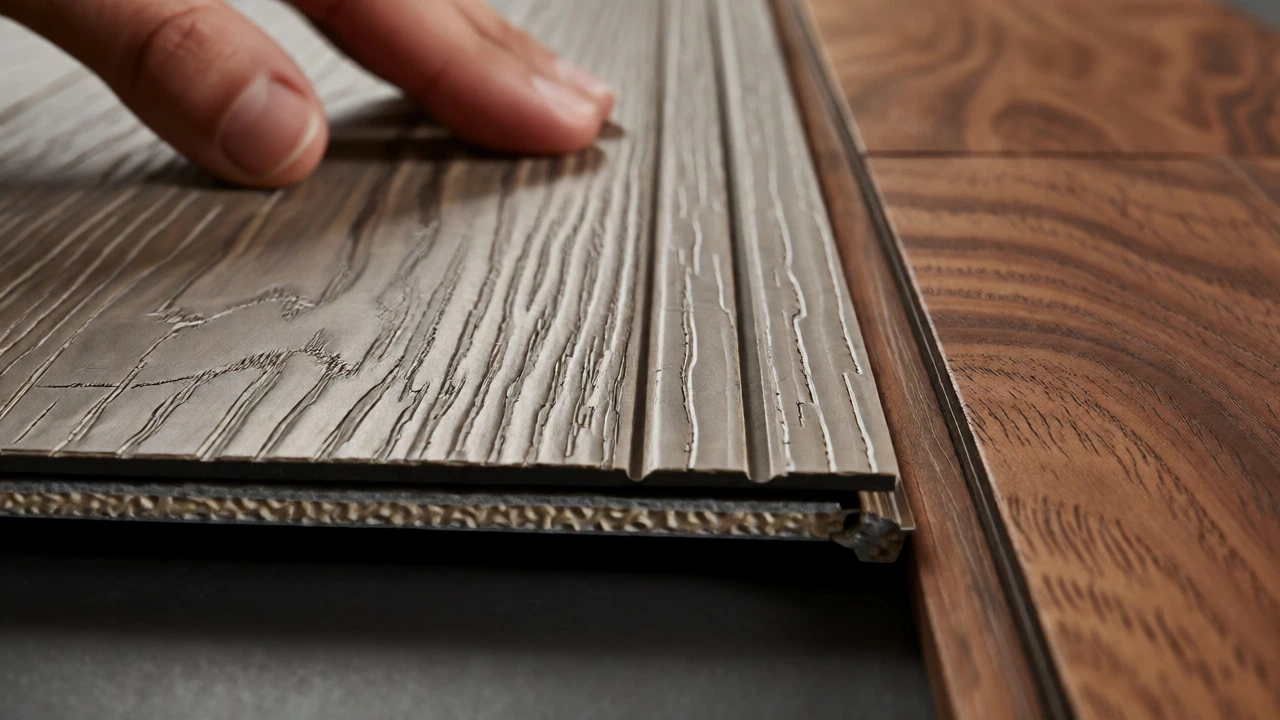
Technology has blurred the line between real and fake. Modern Stone Polymer Composite (SPC) vinyl is incredibly convincing. High-end brands now use embossed-in-register (EIR) technology, where the texture matches the printed grain exactly. Run your hand across a top-tier LVP plank, and you can feel the knots and grooves aligning with the visual pattern.
Does LVP look expensive? Yes, if you choose the right specs. Look for planks that are at least 5mm thick with a rigid core. Thin, flexible vinyl bends and flexes, revealing its synthetic nature. Also, avoid glossy finishes. Matte or satin finishes hide footprints and dust, mimicking the forgiving nature of real wood. However, LVP lacks the acoustic warmth of solid wood. It can sound hollow underfoot. To counter this, invest in a high-quality cork underlayment. This adds density and dampens noise, elevating the sensory experience to match the visual one.
The biggest giveaway of cheap-looking vinyl is repetition. Real wood varies naturally. Cheap vinyl repeats the same four or five patterns every few feet. Premium LVP offers 10+ distinct variations per box, ensuring no two adjacent planks look identical. Always open multiple boxes and mix them during installation to break up patterns.
Textured Concrete and Micro-Toppings
In contemporary homes, polished concrete is having a moment. But raw, gray slab concrete looks industrial and cold. To make it look expensive, you need treatment. Acid staining, integral color pigments, or micro-topping overlays transform concrete into a canvas. A micro-topping overlay is a thin cement-based coating applied over existing concrete. It allows for custom colors and textures, creating a seamless, artisanal finish that feels bespoke.
This option works best in open-concept spaces where continuity matters. The lack of seams or grout lines creates a sense of infinite space. However, concrete cracks. Even with control joints, hairline fractures appear over time. In a luxury context, these cracks must be treated as part of the aesthetic, not a defect. If you prefer perfection, concrete might frustrate you. But if you embrace wabi-sabi-the beauty of imperfection-a well-executed concrete floor can outshine traditional hardwood in modernist architecture.
Bamboo and Cork: Sustainable Luxury
Eco-consciousness is now a marker of sophistication. Strand-woven bamboo is harder than many hardwoods and offers unique linear grain patterns. When finished properly, it looks exotic and refined. Similarly, Cork flooring has shed its "college dorm" reputation. Newer designs feature realistic wood imprints and darker stains, offering warmth and insulation properties that wood cannot match.
These materials signal thoughtful consumption. They suggest the homeowner values sustainability and comfort. Cork is quiet and soft underfoot, ideal for multi-story homes where noise transfer is a concern. Bamboo offers durability for high-traffic areas. Both require proper sealing to prevent water damage, but their environmental credentials add intangible value that appeals to modern buyers.
Common Mistakes That Make Floors Look Cheap
You can ruin an expensive material with poor execution. Here are the pitfalls to avoid:
- Gloss Overload: Shiny floors highlight every speck of dust and scratch. Unless you are going for a specific retro vibe, stick to matte or satin finishes.
- Wrong Scale: Using small tiles in a large room makes the space feel cramped. Conversely, huge slabs in a tiny bathroom can overwhelm. Match the material size to the room dimensions.
- Poor Transitions: Ugly metal thresholds between rooms break the flow. Use wood reducers or seamless expansion joints to maintain continuity.
- Ignoring Lighting: Dark floors absorb light, making rooms feel smaller. Light floors reflect it. Choose based on natural light availability, not just trend.
Making the Right Choice for Your Budget
So, what actually looks most expensive? Solid wide-plank hardwood and large-format natural stone remain the top tier. They carry historical weight and material authenticity. But smart design allows you to cheat the system. High-end LVP with good acoustics and a matte finish can fool guests. Polished concrete with a warm stain offers architectural flair at a fraction of marble's cost.
Your decision should hinge on lifestyle, not just aesthetics. Do you have pets? Scratch-resistant LVP or bamboo might be smarter than pristine marble. Do you host dinner parties? Wide-plank oak provides the classic backdrop everyone expects. Prioritize installation quality over brand names. A mediocre material installed perfectly will always beat a luxury material installed poorly.
Which flooring type adds the most resale value?
Solid hardwood consistently offers the highest ROI, often recouping 70-80% of its cost upon sale. Engineered wood follows closely. Stone adds value in specific markets but may not appeal to all buyers due to maintenance concerns.
Is vinyl plank flooring considered cheap?
Not necessarily. Entry-level vinyl looks cheap, but premium SPC vinyl with realistic textures and rigid cores is widely accepted in mid-to-high-end homes. It depends entirely on the quality of the product and installation.
How do I make my current floors look more expensive?
Replace baseboards with taller, profiled moldings. Add area rugs to define spaces. Refinish existing wood with a darker, matte stain. Improve lighting to reduce glare on glossy surfaces. These low-cost changes elevate perceived value significantly.
Are dark floors or light floors more luxurious?
Both can be. Dark floors feel cozy and formal, suitable for traditional styles. Light floors feel airy and modern, suitable for contemporary spaces. The key is consistency throughout the home to create a cohesive flow.
What is the most durable luxury flooring?
Porcelain tile is the most durable, resisting scratches, water, and stains. For wood-like options, strand-woven bamboo or Brazilian Walnut (Ipe) offer extreme hardness, though they come with higher material costs.