Roofing Cost Estimator
Project Details
Asphalt
$3-$7/sqftMetal
$8-$15/sqftClay Tile
$10-$20/sqftSlate
$15-$30+/sqftEstimated Cost Breakdown
| Roof Area Factor | ~2,667 sq ft |
| Material Cost | $8,000 - $18,669 |
| Labor & Complexity | +$4,000 - $9,334 |
| Removal & Disposal | +$534 - $1,333 |
| Total Estimated Range | $12,534 - $29,336 |
Value Insights:
- Expected Lifespan: 15-30 years
- Typical Warranty: Manufacturer + 5-10 yr Workmanship
- Energy Impact: Moderate insulation benefits
Always get 3 written estimates from licensed contractors.
Your roof is the first line of defense against rain, wind, and sun. Yet, most homeowners only think about it when a leak appears or after a storm passes. Understanding what roofing services actually entail can save you thousands in emergency repairs and extend the life of your home significantly.
Roofing isn't just about slapping shingles on a house. It’s a complex system of layers designed to shed water, manage heat, and protect the structure beneath. Whether you need a quick fix for a missing tile or a complete overhaul of an aging system, knowing the scope of professional help available is crucial.
The Core Components of Professional Roofing Work
When people ask about the meaning of roofing services, they often imagine just the visible part-the shingles or tiles. However, a professional job involves several critical layers that work together.
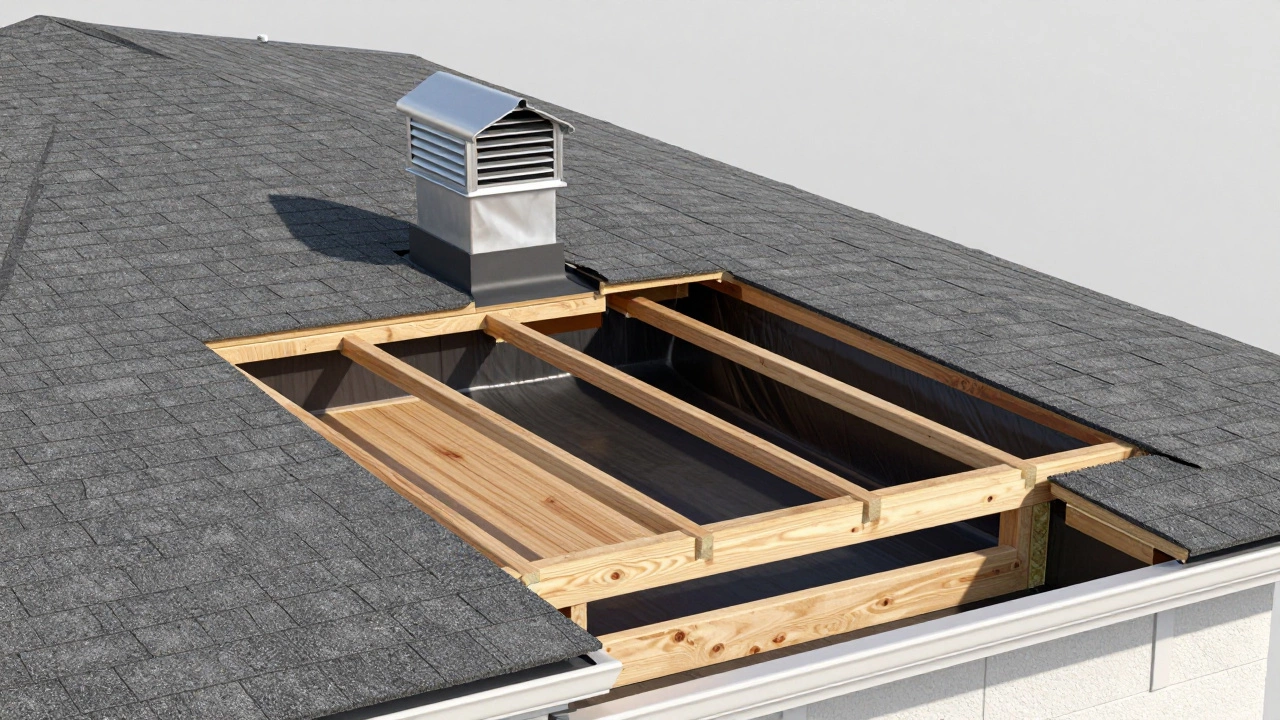
A standard roofing service includes the installation or repair of the underlayment, which is a waterproof barrier installed directly onto the roof deck before shingles are applied. This layer catches any water that gets under the outer covering. Then there is the flashing, which is metal strips used to direct water away from joints and penetrations like chimneys and vents. Without proper flashing, even the best shingles will fail at these vulnerable points.
Finally, there is the ventilation system, which is a network of intake and exhaust vents that regulate attic temperature and moisture. Poor ventilation causes ice dams in winter and premature shingle aging in summer. A reputable roofing service addresses all these components, not just the cosmetic top layer.
Common Types of Roofing Services Offered
Not every job requires a full tear-off. Roofing professionals offer a spectrum of services tailored to the condition of your current roof. Here is how they break down:
- Routine Inspections: These are preventive checks, usually recommended twice a year (spring and fall). Contractors look for loose granules, cracked seals, and signs of moss growth.
- Minor Repairs: Fixing small leaks, replacing individual shingles, or resealing flashings around vents. This is cost-effective and extends the roof's life by a few years.
- Storm Damage Restoration: Specialized services for hail or wind damage. This often involves working with insurance companies to document loss and claim coverage.
- Roof Replacement: The complete removal of old materials down to the decking and installing a new system. This is necessary when more than 30% of the roof is damaged or when the material has reached its lifespan.
- Roof Coating: Applying reflective elastomeric coatings to flat or low-slope roofs to improve energy efficiency and seal minor cracks without a full replacement.
How to Choose the Right Roofing Contractor
Finding a trustworthy contractor is arguably the hardest part of the process. The industry has many unlicensed operators who cut corners. To ensure you get quality work, follow this checklist:
- Verify Licensing and Insurance: Ask for proof of general liability insurance and workers' compensation. If a worker gets hurt on your property and the contractor lacks coverage, you could be liable.
- Check Local References: Online reviews can be faked. Ask for addresses of recent jobs in your neighborhood and drive by to see the workmanship up close.
- Understand the Warranty: There are two types: manufacturer warranty (covers material defects) and workmanship warranty (covers installation errors). Ensure you have both, ideally for at least 5-10 years.
- Avoid Large Upfront Payments: A standard deposit is 10-30%. Be wary of anyone asking for 50% or more before starting work.
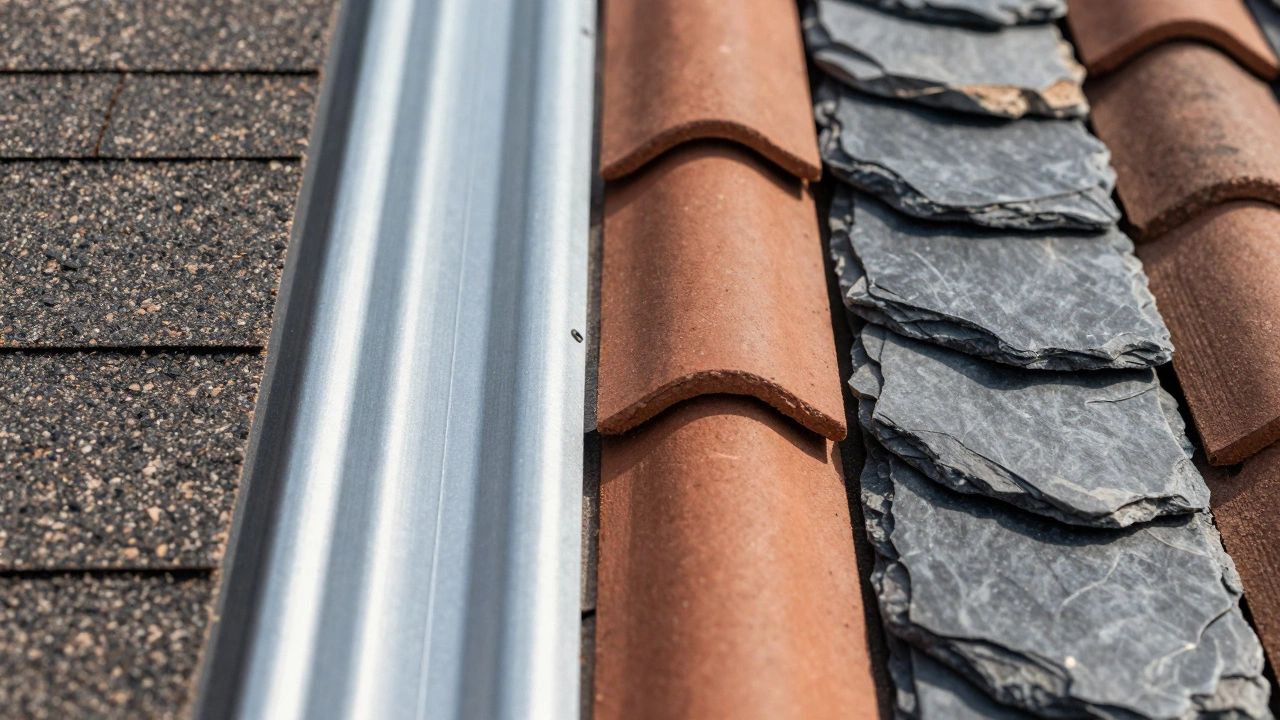
| Material | Lifespan | Cost Range (Per Sq Ft) | Best For |
|---|---|---|---|
| Asphalt Shingles | 15-30 years | $3 - $7 | Budget-conscious homes, varied climates |
| Metal Roofing | 40-70 years | $8 - $15 | Durability, snow shedding, modern aesthetics |
| Clay Tile | 50+ years | $10 - $20 | Warm climates, Mediterranean styles |
| Slate | 75-100+ years | $15 - $30+ | Historic homes, premium longevity |
Signs You Need Immediate Roofing Attention
Ignoring early warning signs leads to expensive structural damage later. Watch for these red flags inside and outside your home:
- Granules in Gutters: Asphalt shingles shed granules as they age. If your gutters look like they have coffee grounds in them, your shingles are wearing out.
- Daylight Through the Attic Boards: If you can see rays of sun coming through the roof deck from your attic, you have holes that need sealing immediately.
- Curling or Buckling Shingles: This indicates moisture absorption or poor ventilation. Curling shingles are prone to breaking off in high winds.
- Water Stains on Ceilings: Even if the leak isn't active right now, stains mean water has penetrated the roof system previously. Find the source before it rots the wood framing.
The Cost Factor: What Influences Pricing?
Roofing costs vary wildly based on location, pitch, and material. A simple gable roof with asphalt shingles is the cheapest option. Steep pitches require special safety equipment and take longer to install, increasing labor costs by 20-50%. Additionally, removing multiple layers of old roofing adds to the disposal fees.
In 2026, average national costs for a full replacement range from $8,000 to $15,000 for an average-sized home. Metal roofs start higher but offer better long-term value due to their durability and energy-saving properties. Always get three detailed written estimates to compare apples to apples.
Maintenance Tips to Extend Roof Life
You don't need to hire a pro for everything. Simple maintenance tasks can keep your roof healthy between major services:
- Keep Gutters Clean: Clogged gutters cause water to back up under the shingles, leading to rot. Clean them at least twice a year.
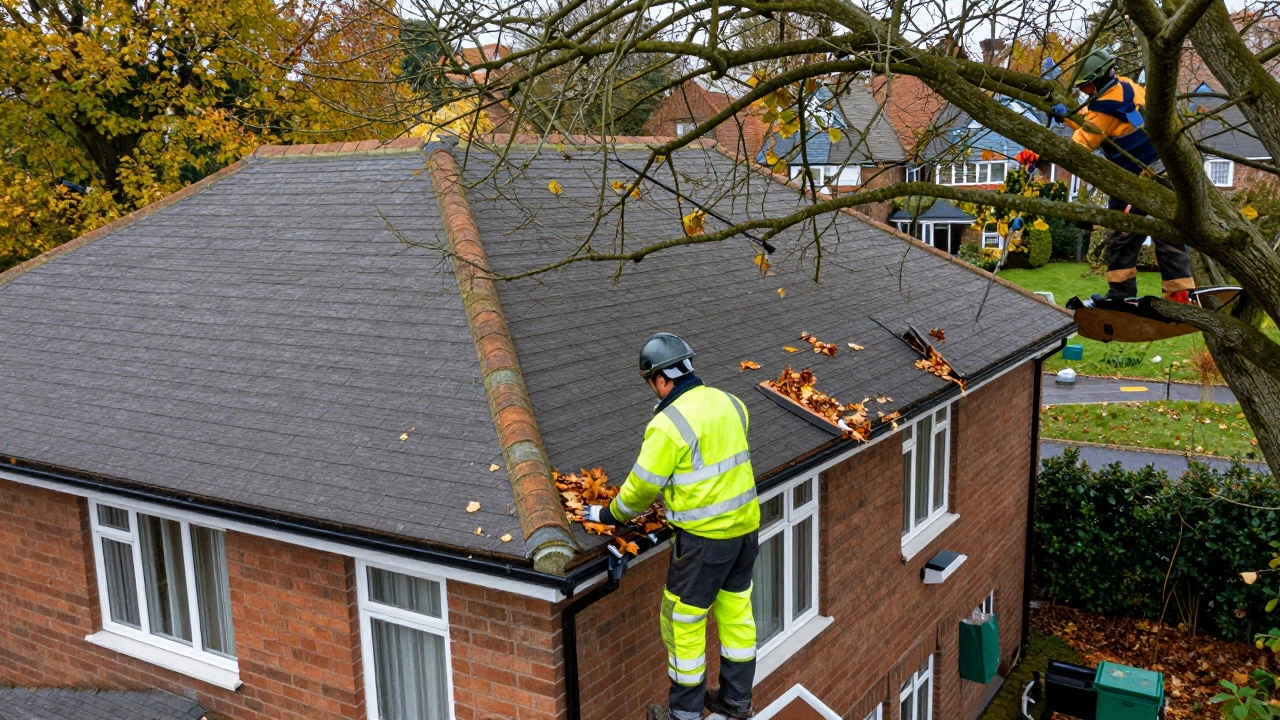
- Trim Overhanging Branches: Tree limbs scrape against shingles during storms, dislodging protective granules. They also drop debris that traps moisture.
- Remove Moss and Algae: In shady areas, moss holds moisture against the roof surface. Use a specialized roof cleaner, never a pressure washer, which can damage shingles.
How often should I have my roof inspected?
It is recommended to have a professional inspection at least once a year, preferably in the spring or fall. Additionally, inspect your roof after any severe weather event, such as hailstorms or high winds, to catch hidden damage early.
Can I replace my roof myself to save money?
While DIY roofing is possible for minor repairs, full replacements are dangerous and complex. Improper installation can void manufacturer warranties and lead to leaks. Given the risk of injury and potential for costly mistakes, hiring licensed professionals is strongly advised.
What is the difference between a roof repair and a roof replacement?
A repair fixes specific issues like a single leak or damaged section. A replacement involves removing the entire existing roof system and installing new materials. Replacement is needed when damage is widespread, the roof is near the end of its lifespan, or repairs would cost more than 50% of a new roof.
Does roofing affect my home's energy bills?
Yes. Proper ventilation and reflective roofing materials (like cool-roof shingles or metal) can significantly reduce cooling costs in summer. A well-insulated and ventilated attic prevents heat buildup, making your HVAC system work less hard.
How do I know if my roof needs ventilation improvements?
Signs of poor ventilation include excessive heat in the attic during summer, ice dams forming along the eaves in winter, and premature aging of shingles (such as cracking or curling). A professional can assess airflow and recommend adding soffit or ridge vents if necessary.