Renovation Budget Planner
Select Renovation Areas
Mid-range cabinets, stone benchtops, appliances.
Waterproofing, tiles, plumbing, fixtures.
Load-bearing walls, footings, engineering fees.
ColorSteel/Iron replacement, labor at height.
Estimated Budget
$0
💡 Did You Know?
Bathrooms are often more expensive per square meter than kitchens due to strict waterproofing codes in New Zealand's damp climate.
You walk into your dream home, but the walls are wrong, the layout is tight, and the vibe is off. You want to fix it, but you don't want to bankrupt yourself doing it. That’s where the question hits hard: what is the most expensive thing to renovate in a house?
The short answer? It’s rarely the paint or the fixtures. The real money drains away when you touch the bones of the house-specifically, structural changes, foundations, and roofs. While a kitchen remodel gets the glory (and the budget), it’s often the hidden systems that break the bank if you aren’t careful.
In Auckland, where land is precious and building codes are strict, understanding these costs isn’t just about saving money; it’s about feasibility. Let’s break down the true cost drivers so you can plan without panic.
The Silent Budget Killer: Structural Changes
If there is one thing that consistently tops the list for highest cost per square meter, it is moving walls. I’m not talking about knocking down a non-load-bearing partition to make a room feel bigger. I mean removing load-bearing walls, extending footings, or changing the floor plan entirely.
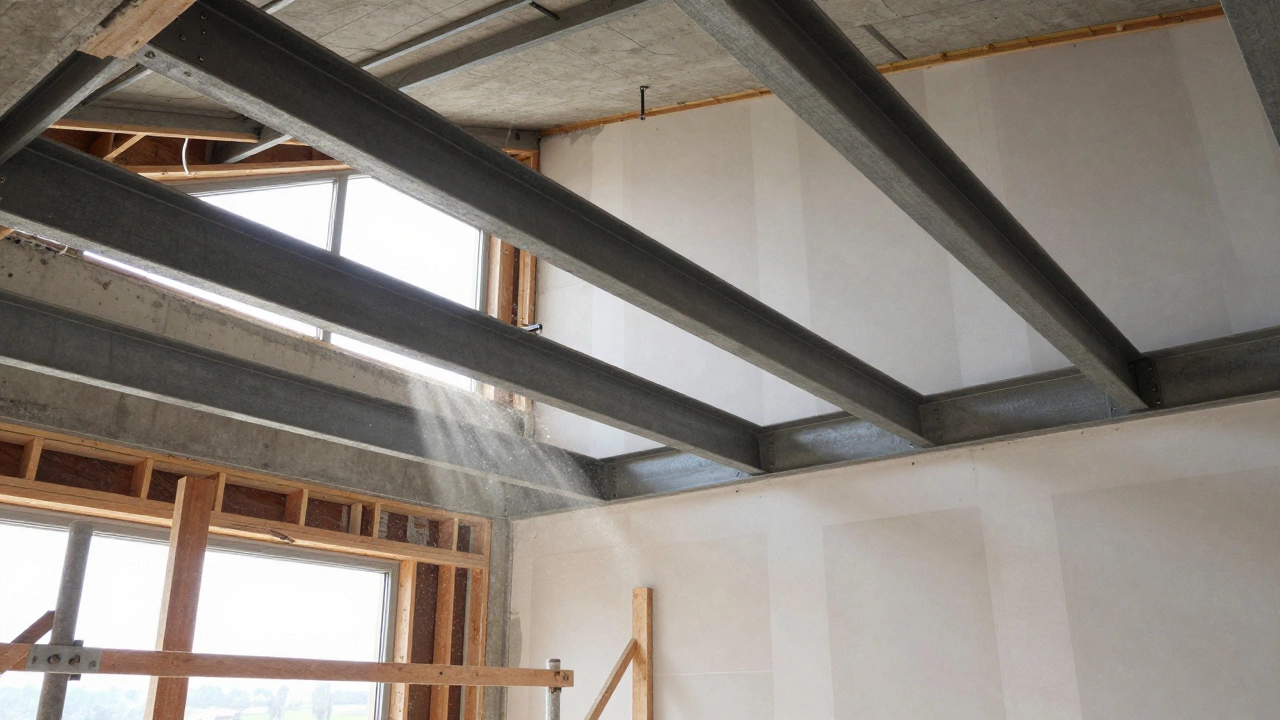
Why does this cost so much? Because you can’t just swing a sledgehammer. You need engineers. You need steel beams (RSJs). You need temporary supports while the work happens. And you need council consent in New Zealand, which adds time and consultant fees.
Here is how the math usually plays out:
- Load-Bearing Wall Removal is a structural modification requiring engineering support and steel reinforcement. This typically costs between $8,000 and $15,000 NZD per wall, depending on span and complexity.
- Footing Extensions are excavation and concrete work required to support new structural loads. Expect to pay $3,000-$6,000 NZD per linear meter.
- Council Consents & Engineering involve professional fees for compliance with building codes. In Auckland, this can easily run $5,000-$10,000 before a single brick is moved.
When you combine these, a simple "open up the living room" project can quickly balloon to $30,000+. Compare that to repainting the same room for $2,000, and you see why structure is the heavyweight champion of renovation costs.
Kitchens vs. Bathrooms: The Finish Line Showdown
Most homeowners assume the kitchen is the most expensive room. They’re usually right-but only because kitchens are big. If we look at cost per square meter, bathrooms actually beat them.
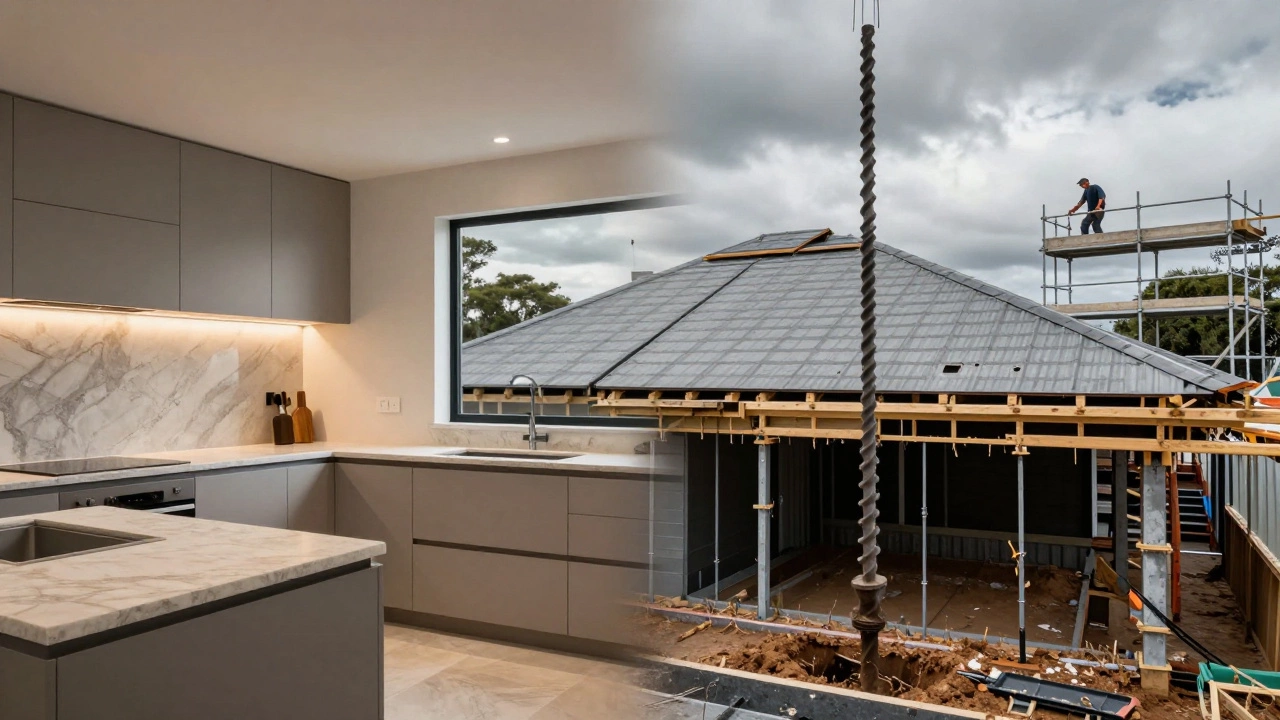
A mid-range kitchen renovation in Auckland in 2026 runs between $40,000 and $70,000 NZD. Why? Cabinets, stone benchtops, appliances, and plumbing/electrical moves. But a bathroom? A full gut-and-replace bathroom can hit $25,000-$40,000 NZD for a space that might be only 4-5 square meters.
| Feature | Kitchen (Mid-Range) | Bathroom (Full Gut) |
|---|---|---|
| Average Total Cost | $40,000 - $70,000 | $25,000 - $40,000 |
| Cost Per Square Meter | $3,000 - $5,000/m² | $5,000 - $8,000/m² |
| Primary Cost Drivers | Cabinets, Appliances, Stone | Waterproofing, Tiles, Plumbing |
| Risk Factor | Medium (Electrical/Plumbing) | High (Water Damage/Mold) |
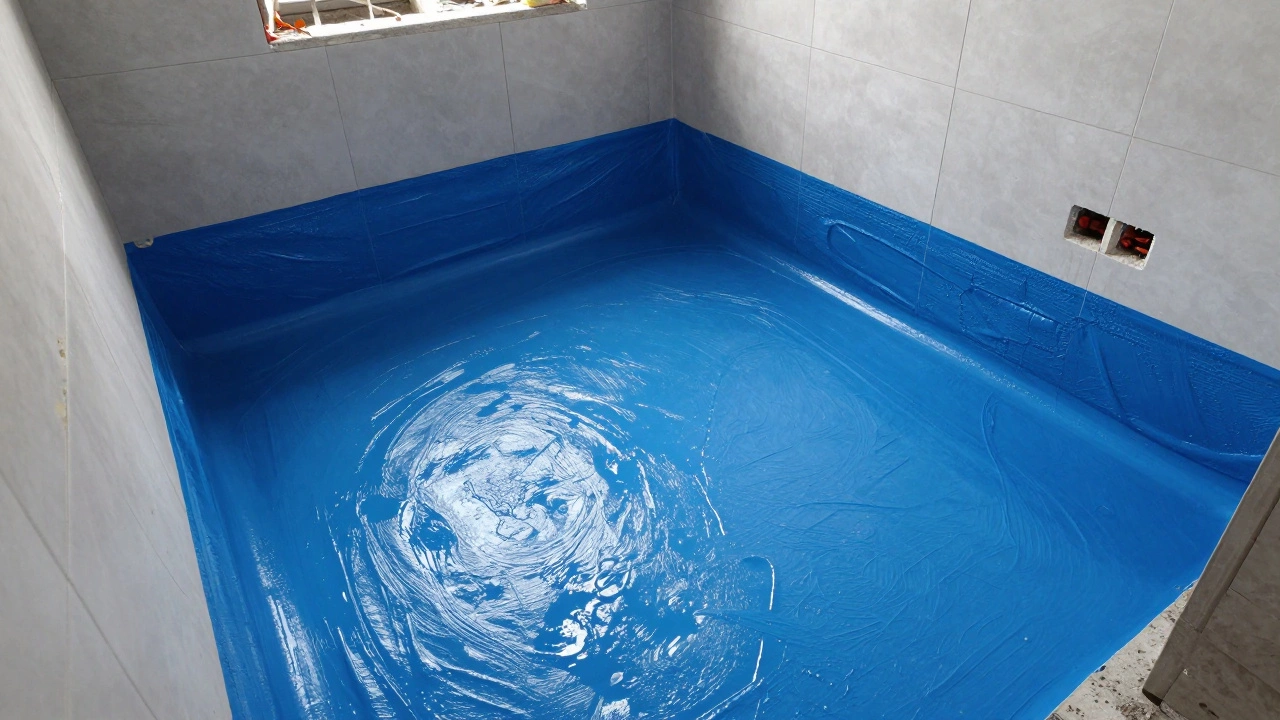
The reason bathrooms are so pricey per meter is waterproofing. In New Zealand, we live in a damp climate. Getting the tiling, membranes, and drainage right is non-negotiable. Cut corners here, and you’ll pay for mold remediation later-which is even more expensive.
The Roof: The Umbrella Over Your Wallet
We often forget the roof until it leaks. But replacing a roof is arguably the most expensive single-system renovation outside of adding a second story. Why? Access. Labor. Materials.
Roofers charge premium rates because they’re working at height, often in heat or rain. In Auckland, common materials like ColorSteel or corrugated iron have seen price fluctuations due to global supply chains. A full re-roof on a standard family home can range from $20,000 to $45,000 NZD.
But here’s the kicker: if you’re renovating the interior anyway, check your roof first. If you spend $50,000 on a new kitchen and then discover your roof needs replacing, that’s a double whammy. Always inspect the envelope (roof, windows, insulation) before committing to interior finishes.
Foundations and Subfloors: The Hidden Iceberg
If your house sits on timber subfloors or has concrete slab issues, you’ve got a potential minefield. Foundation repairs are not just expensive; they’re unpredictable.
Common issues in older Auckland homes include:
- Sinking footings due to soil movement
- Rotting bearers and joists under subfloors
- Mortar failure in brick veneer or masonry walls
Fixing a sinking foundation might require underpinning-a process where engineers drill deep piers to stabilize the house. This can easily exceed $50,000 NZD. Even repairing rot in subfloors involves access holes, pest control, and replacing structural timber, which runs $10,000-$20,000+.
The lesson? Never start cosmetic renovations without a structural engineer’s report if the house is over 30 years old. What looks like a minor crack could be a major expense waiting to happen.
Extensions: Adding Space Costs More Than You Think
Want more room? Building an extension is often cheaper than buying a new house, but it’s still one of the most expensive renovations you can do. Why? Because you’re essentially building a new house attached to an old one.
In 2026, construction costs in Auckland average $3,500-$5,000 NZD per square meter for mid-quality builds. Add in:
- Consent fees ($5,000-$10,000)
- Engineering and surveys ($3,000-$6,000)
- Connection costs (tying new roof/walls to existing structure)
A modest 30m² extension can easily cost $150,000+. Compare that to renovating the existing 30m² internally for $30,000, and the choice becomes clear: maximize what you have before expanding outward.
How to Protect Your Budget: Pro Tips
Knowing what’s expensive helps you avoid surprises. Here’s how smart homeowners manage costs:
- Do the ugly stuff first. Fix roofs, foundations, wiring, and plumbing before painting or tiling. It’s easier to damage a bare wall than a finished one.
- Keep the footprint. Moving walls or extending footings triggers engineering and consent costs. Work within the existing shell whenever possible.
- Get three quotes, not two. In construction, the middle quote is often the most realistic. The lowest may cut corners; the highest may pad margins.
- Use local materials. Imported stone or cabinetry adds shipping and delay risks. Local suppliers offer better lead times and support.
- Plan for contingencies. Add 15-20% to your budget for unexpected issues. Every renovation finds something behind the walls.
Renovating is stressful enough without financial shock. By focusing on high-impact, lower-risk areas first-and avoiding unnecessary structural changes-you keep control of both your home and your wallet.
Is it cheaper to renovate or build new in Auckland?
For most homeowners, renovating is cheaper than building new, especially if you keep the existing structure intact. A full teardown and rebuild in Auckland averages $4,000-$6,000 per square meter, while a moderate renovation runs $2,500-$4,000 per square meter. However, if your house has severe foundation or structural issues, rebuilding may become more cost-effective.
What is the most expensive part of a kitchen renovation?
Cabinets and benchtops typically account for 30-40% of kitchen renovation costs. Custom-made cabinets with soft-close hinges and quality hardware can easily exceed $15,000. Stone benchtops (granite or quartz) add another $5,000-$10,000. Appliances and plumbing/electrical upgrades follow as secondary cost drivers.
How much does it cost to remove a load-bearing wall in NZ?
Removing a load-bearing wall in New Zealand typically costs $8,000-$15,000 NZD. This includes engineering drawings, council consent, steel beam installation, and labor. Complex spans or multi-story homes may require additional support structures, increasing costs further.
Are bathroom renovations worth the investment?
Yes, bathroom renovations offer strong return on investment. A well-executed bathroom update can increase property value by 5-10%. Modern buyers expect updated bathrooms with proper waterproofing and efficient fixtures. Avoid over-customizing; stick to neutral tones and quality materials for broad appeal.
What hidden costs should I expect during home renovation?
Common hidden costs include asbestos removal ($2,000-$5,000), unexpected plumbing/electrical updates ($3,000-$8,000), council consent fees ($5,000-$10,000), and contingency expenses for discovered rot or mold. Always budget 15-20% extra for unforeseen issues, especially in homes built before 2000.