New Build Mold Risk Assessment Tool
Step 1: Environmental Check
Step 2: Symptom & Observation Checklist
Select all that apply to your current situation:
Risk Assessment Result
The Quick Truth: Does Mold Make You Sick?
- Short answer: Yes, it can. But it depends on the type of mold and your personal sensitivity.
- Common symptoms: Sneezing, runny nose, red eyes, skin rash, and coughing.
- Severe risks: For people with asthma or weakened immune systems, it can lead to serious lung infections.
- The "New Build" Paradox: Tighter seals for energy efficiency can trap humidity inside, fueling mold growth if ventilation isn't perfect.
How Mold Sneaks Into New Construction
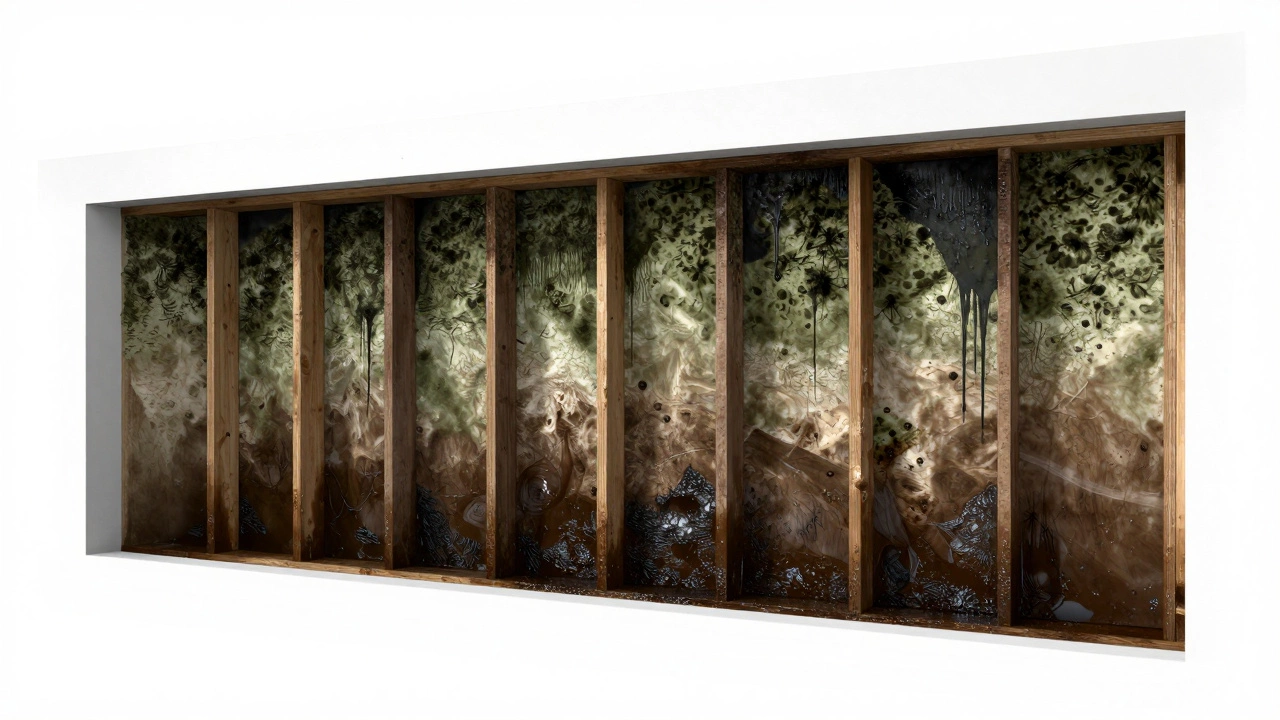
You might think a new house is "clean," but the construction process is messy. Imagine a heavy rainstorm hitting a job site before the roofing is finished. The wooden framing-the skeleton of your home-soaks up gallons of water. If the builders seal the walls with gypsum board before that wood is completely dry, you've essentially created a greenhouse inside your walls. This is where Stachybotrys chartarum, often called "black mold," loves to hide. It feeds on the cellulose in the drywall and thrives in those hidden, damp pockets.
Another common culprit is poor installation of the Vapor Barrier. This is the plastic sheeting designed to stop moisture from moving from the inside of the house into the walls. If it's ripped or installed backward, moisture from your shower or kitchen collects in the wall cavity. Since you can't see it, you don't know there's a problem until you start feeling the symptoms of Sick Building Syndrome.
Recognizing the Symptoms of Mold Exposure
It's easy to mistake mold sickness for a seasonal allergy or a lingering flu. However, there is a pattern to mold-related illness. Have you noticed that you feel great when you're at work or visiting friends, but your chest feels tight the moment you step back into your living room? That's a huge red flag. For most people, the reaction is an inflammatory response. Your body detects the spores and releases histamines to fight them off. If you have asthma, this can trigger a full-blown attack. In more rare, severe cases, certain molds produce mycotoxins-toxic chemicals that can cause neurological symptoms like brain fog, fatigue, and chronic headaches. It's not just "in your head"; it's a biological reaction to an environmental pollutant.
| Mold Type | Common Location | Primary Symptoms | Risk Level |
|---|---|---|---|
| Cladosporium | Window sills, fabrics | Allergic reactions, coughing | Low to Moderate |
| Aspergillus | HVAC vents, dust | Respiratory infections | Moderate to High |
| Stachybotrys (Black Mold) | Leaking pipes, damp walls | Severe congestion, fatigue | High |
| Penicillium | Wallpaper, carpets | Skin irritation, sneezing | Low to Moderate |
The Role of Ventilation in New Homes
Modern building codes focus heavily on energy efficiency. We want homes that hold heat in during the winter and keep it out during the summer. To do this, we use high-performance windows and airtight seals. The problem? Your house no longer "breathes." In older homes, drafty windows provided a natural, if inefficient, way for moisture to escape. In a new build, that moisture stays inside.
This is why Mechanical Ventilation is so critical. If your builder installed an ERV (Energy Recovery Ventilator) or an HRV (Heat Recovery Ventilator), these systems are designed to swap stale, moist indoor air for fresh, dry outdoor air without losing your heating or cooling. If these systems are turned off to save electricity, or if they were sized incorrectly for the square footage of the home, you are essentially inviting mold to move in.
How to Tell if Your New Build Has a Problem
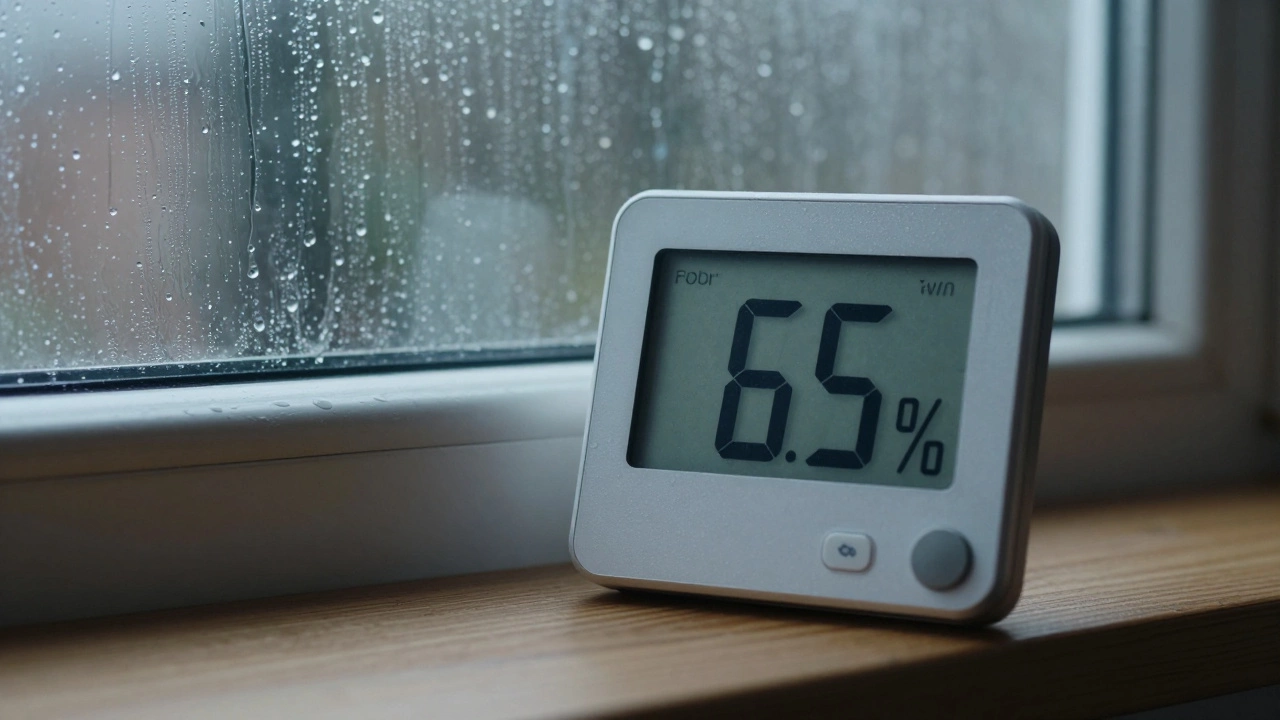
You don't always need to see a black smudge on the wall to know mold is present. Sometimes the clues are subtle. Start by using your nose. Does the house have a musty, earthy smell that lingers even after you open the windows? That's the smell of microbial volatile organic compounds (mVOCs)-essentially, the gas mold releases as it grows. Next, look for "ghosting." This is when you see faint, dark streaks on the walls or ceiling that look like dirt but can't be wiped away. It often happens where the wall studs are located, indicating a cold spot where condensation is forming. Finally, check your windows. If you see persistent fogging or water droplets on the inside of the glass, your indoor humidity is too high, and mold is likely growing somewhere nearby, perhaps behind the baseboards or under the flooring.
Dealing With the Builder: What to Do
If you suspect mold in a new build, don't just buy a bottle of bleach and start scrubbing. Bleach only kills mold on the surface; it doesn't penetrate porous materials like drywall. In fact, adding water (via a bleach solution) to a porous surface can actually feed the mold roots deeper into the wall. Your first step should be to check your warranty. Most new builds come with a structural warranty that covers leaks. Document everything. Take photos of the damp spots, keep a log of your health symptoms, and buy a cheap hygrometer to track the humidity levels in each room. If the relative humidity is consistently above 60%, you have a systemic moisture problem that the builder needs to address. Demand a professional mold inspection using infrared cameras, which can "see" moisture trapped inside walls without tearing them down.
Preventing Future Growth
Once the initial leak is fixed or the excess moisture is dried out, you need a long-term strategy to keep the spores at bay. The most effective tool is a high-quality dehumidifier, especially in basements or laundry rooms. Keep your furniture a few inches away from external walls to allow air to circulate. Also, be mindful of your daily habits. Use the exhaust fans in the bathroom for at least 20 minutes after a shower. Avoid drying laundry inside the house without a vent or a dehumidifier running. By controlling the environment, you remove the one thing mold needs most: water. Without it, those spores can't turn into the colonies that make you sick.
Can I just use a mold spray to fix the problem?
Only if the mold is on a non-porous surface like tile or metal. If it's on drywall, wood, or carpet, surface sprays won't reach the roots. You'll likely need to remove and replace the affected material to stop the health risks.
Is "black mold" more dangerous than other colors?
While Stachybotrys (black mold) is often more toxic due to mycotoxins, any mold growth in a living space can cause respiratory distress and allergic reactions. The color is a clue, but the total volume of spores in the air is what usually affects your health.
How do I know if my symptoms are actually caused by mold?
The "vacation test" is the best indicator. If your symptoms disappear within 24-48 hours of leaving the building and return shortly after you come back, it strongly suggests an environmental trigger like mold or VOCs inside the home.
Does a new home warranty cover mold?
It depends on the cause. If the mold is the result of a construction defect (like a leaking roof or improper flashing), it is typically covered. If it's caused by the homeowner failing to ventilate the space, the builder may deny the claim.
What is the safe humidity level for a new home?
You should aim for a relative humidity between 30% and 50%. Once you consistently hit 60% or higher, you are in the danger zone where mold spores can begin to germinate and grow rapidly.
Next Steps for Homeowners
If you're currently feeling the effects of a damp home, start by purchasing a digital hygrometer. It's a cheap tool that gives you concrete data to present to your builder. If you have children or elderly parents in the home, prioritize checking the bedrooms and bathrooms first, as these are the most common areas for moisture buildup.
If you are in the process of building a new home, ask your contractor about the "drying out" period. Ensure they aren't rushing to put up drywall immediately after a rainstorm. A few days of airflow and drying can save you years of health problems and thousands of dollars in future remediation costs.