Home Storage Solution Finder
Answer three simple questions to find the best storage solution for your home, based on 2026 market trends.
Recommended Solution
High Match...
...
You walk into your bedroom and see a pile of clothes on the chair. You open the pantry and cans tumble out because there’s no order. Sound familiar? The question isn't just about having stuff; it's about where that stuff lives when you aren't using it. When people ask, "What is the most popular storage?" they are usually looking for one magic bullet. But here is the truth: there is no single winner. The most popular storage depends entirely on what you are storing and where you are storing it.
However, if we look at sales data from major retailers like IKEA, Home Depot, and local New Zealand hardware stores, clear winners emerge. For closets, it is adjustable shelving systems. For bedrooms, it is under-bed containers. For garages, it is heavy-duty plastic cabinets. Let’s break down why these specific items dominate the market and how you can use them to reclaim your space without spending a fortune.
The King of Closets: Adjustable Shelving Systems
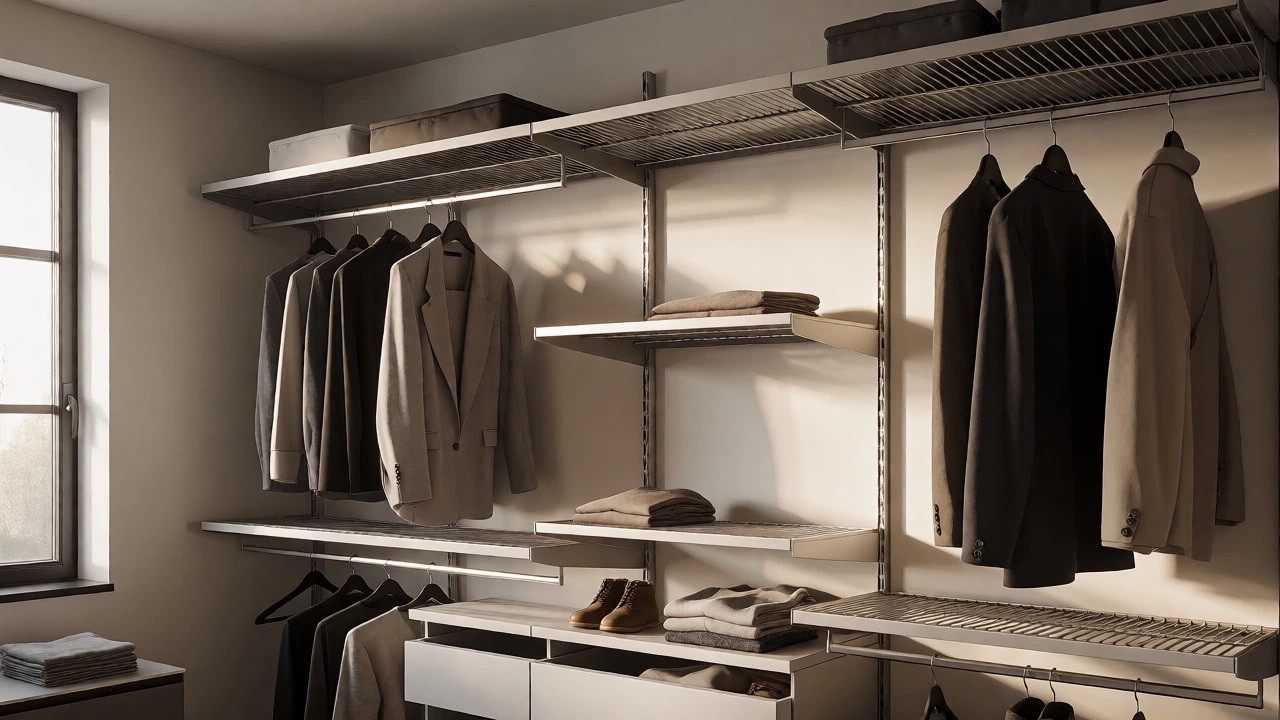
If you have ever walked into a showroom or scrolled through Pinterest, you’ve seen modular closet systems. These are wall-mounted tracks with brackets and shelves that slide up and down. Unlike built-in carpentry, which costs thousands, these kits cost between $150 and $400. Why are they so popular? Because they adapt to your life.
Imagine you buy a new pair of boots. With fixed shelves, those boots might not fit. With an adjustable system, you move the shelf three inches up. Done. This flexibility is the key driver behind their popularity. Brands like Elfa, Rubbermaid, and IKEA’s ALGOT line dominate this category. They allow you to add hanging rods, drawers, and shoe racks as your wardrobe changes.
| Type | Avg. Cost (NZD) | Best For | Installation Difficulty |
|---|---|---|---|
| Modular Track System | $150 - $400 | Walk-in closets, rental homes | Medium (Drill required) |
| Freestanding Wardrobe | $80 - $200 | Small bedrooms, temporary setups | Easy (Assembly only) |
| Built-in Carpentry | $1,500+ | Permanent homes, luxury finishes | Hard (Professional needed) |
One pitfall to avoid: do not buy cheap particleboard shelves if you live in a humid area like Auckland. Moisture causes swelling. Look for metal wire or coated steel instead. It lasts longer and handles weight better.
Bedroom Heroes: Under-Bed Storage Containers
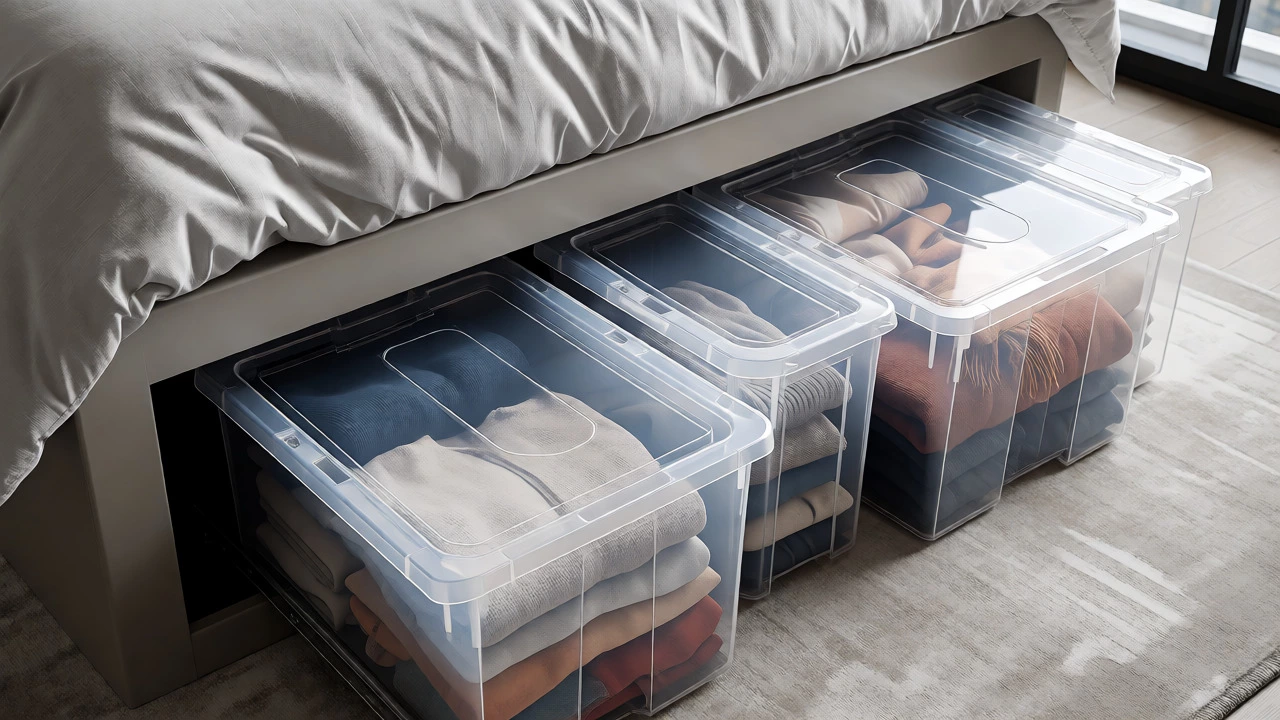
Next up is the silent hero of small apartments: under-bed storage. In urban areas like Wellington or central Auckland, floor space is expensive. Every square meter counts. Under-bed boxes turn dead space into functional storage.
These containers come in two main flavors: rigid plastic bins with wheels and soft fabric bags. Which one wins? Rigid plastic. Fabric bags sag over time, making it hard to slide them back under the bed. Plastic bins keep their shape and protect contents from dust and pests. Look for models with clear lids or transparent sides. If you can’t see what’s inside, you’ll forget it exists. That defeats the purpose.
Pro tip: Measure your bed frame clearance before buying. Most standard beds offer 15-20cm of space. If you buy a 25cm box, it won’t fit. Check the height of your mattress too. Some thick mattresses reduce available clearance significantly.
Garage Game Changers: Heavy-Duty Plastic Cabinets
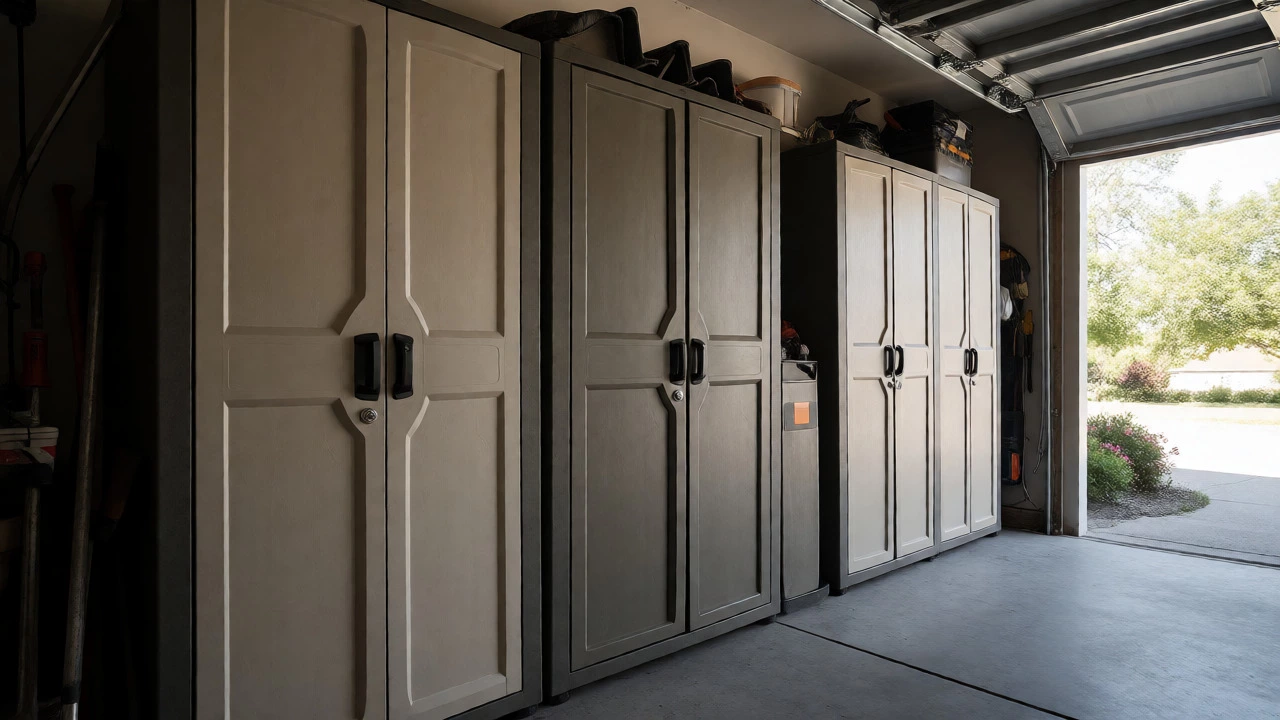
Move outside to the garage. Here, the most popular storage is heavy-duty plastic cabinets. Think of brands like Keter or Suncast. Why plastic instead of wood? Garages are harsh environments. Temperature swings, humidity, oil spills, and lawn mower fumes destroy wooden furniture. Plastic shrugs it all off.
These cabinets often feature lockable doors, which is crucial if you store chemicals or tools away from curious kids. They also resist rust, unlike metal cabinets found in older hardware stores. A standard four-door cabinet costs around $300-$500 NZD. It pays for itself by keeping your lawnmower blades sharp and your paint cans organized.
- Weather Resistance: Plastic doesn’t warp in sun or rain.
- Maintenance: Hose it down to clean. No painting needed.
- Security: Built-in locks deter theft.
One downside: plastic can become brittle in extreme cold. If you live in Queenstown with freezing winters, check the manufacturer’s temperature rating. Otherwise, for most of New Zealand, plastic is the smart choice.
Kitchen Clarity: Clear Acrylic Organizers
In the kitchen, visibility equals efficiency. The trend here is moving away from opaque cardboard boxes toward clear acrylic organizers. These include fridge dividers, spice rack inserts, and pantry bins.
Why the shift? Food waste. If you can’t see the expired yogurt hidden behind the milk jug, you throw it away. Clear containers force accountability. Acrylic is preferred over glass because it’s lighter and shatter-resistant. Glass breaks easily in busy households with children. Acrylic scratches easier, but it survives drops.
Focus on uniformity. Mixing different shapes creates visual chaos. Buy sets that stack neatly. Labeling helps, but transparency does the heavy lifting. When your pantry looks like a supermarket display, cooking becomes faster and less stressful.
Living Room Solutions: Baskets and Ottomans
Finally, let’s talk about living spaces. You don’t want industrial plastic cabinets next to your sofa. Here, aesthetics matter. The most popular storage here combines function with decor: woven baskets and ottomans.
Baskets made from seagrass, water hyacinth, or rattan hide clutter while adding texture. They are perfect for blankets, toys, or magazines. Ottomans with lift-up tops double as seating and storage. This dual-purpose design saves space in smaller living rooms.
Choose natural fibers for a warm, inviting feel. Synthetic ropes work well in high-traffic areas because they wipe clean easily. Avoid cheap wicker that splinters; look for tightly woven materials. Place a basket near the entryway for shoes and coats. It stops clutter from spreading to the rest of the house.
How to Choose the Right Storage for Your Needs
So, what is the most popular storage for you? Follow this simple decision tree:
- Is it fragile? Use padded fabric bins or wooden crates.
- Is it wet or dirty? Use plastic bins or garage cabinets.
- Do you need quick access? Use open shelving or clear acrylics.
- Is space limited? Use vertical storage (wall mounts) or under-bed units.
Remember, popularity doesn’t equal perfection. The best storage system is the one you actually use. If a fancy organizer makes it harder to find things, it’s a failure. Start small. Organize one drawer or one shelf. See what works. Then expand.
What is the cheapest way to organize a closet?
The cheapest effective method is using freestanding garment racks combined with matching hangers. This avoids drilling holes and allows for easy reconfiguration. Adding uniform velvet hangers instantly makes the space look larger and more organized without significant cost.
Are plastic bins better than cardboard boxes for long-term storage?
Yes, plastic bins are superior for long-term storage. Cardboard attracts moisture, pests, and degrades over time. Plastic is waterproof, durable, and stackable. While cardboard is cheaper initially, plastic protects contents better and lasts decades, offering better value over time.
How much does a modular closet system cost in New Zealand?
A basic modular closet system typically ranges from $150 to $400 NZD depending on size and brand. High-end custom configurations can exceed $800. Retailers like Mitre 10, Bunnings, and IKEA offer various price points. Installation is usually DIY-friendly, saving labor costs.
Can I use under-bed storage for seasonal clothing?
Absolutely. Under-bed storage is ideal for seasonal items like winter coats or summer beach gear. Use vacuum-seal bags to compress bulky items, then place them in rigid plastic bins to prevent crushing and dust accumulation. Label the bins clearly for easy retrieval.
What is the best storage for damp climates like Auckland?
In damp climates, prioritize ventilation and moisture resistance. Avoid sealed plastic boxes for clothes unless you use silica gel packets. Wire shelving allows airflow, reducing mold risk. For non-breathable items, ensure containers have tight seals to keep humidity out. Metal and plastic perform better than untreated wood in high-humidity zones.