Interior Design Ethics Red Flag Detector
Loading...
You walk into a room that looks stunning in photos but feels wrong. The lighting is harsh, the furniture is uncomfortable, and somehow, you spent twice your budget on items you didn’t actually need. This isn’t just bad taste; it might be unethical practice. Unethical interior design doesn’t always involve stealing money outright. More often, it involves subtle manipulations, hidden fees, and a disregard for the client’s well-being or the environment.
As someone who has seen both sides of the table in Auckland’s competitive design scene, I’ve noticed that ethical breaches are rarely black and white. They hide in fine print, vague contracts, and the pressure to buy more than necessary. Understanding what constitutes unethical behavior protects your wallet, your health, and your home.
The Financial Trap: Hidden Fees and Markups
Money is the most common source of conflict between designers and clients. Transparency should be the baseline, yet many professionals operate in the gray area of financial opacity. One of the biggest red flags is the lack of clear disclosure regarding markups on products.
When a designer sources furniture or fixtures, they often receive a trade discount from suppliers. Ethical designers disclose this discount structure upfront. For example, if a chair costs $500 at retail and the designer pays $300, an ethical approach is to either pass the savings to the client or charge a fixed management fee while keeping the markup minimal (usually under 15-20%). Unethical designers may charge full retail price plus a high percentage markup without telling you. You end up paying $600 for a $500 item, thinking you’re getting a 'service,' when in reality, you’re subsidizing their profit margin unnecessarily.
Another financial pitfall is the 'scope creep' tactic. This happens when a designer starts with a low hourly rate or flat fee to win the job, only to add countless small charges later. These might include 'administrative fees,' 'site visit surcharges,' or 'communication time.' If your contract doesn’t explicitly define what is included in the base price, you are vulnerable. Always demand a detailed breakdown of costs before signing anything. If a designer hesitates to put numbers in writing, assume the worst.
Environmental Negligence and Greenwashing
Sustainability is no longer a buzzword; it’s a responsibility. Unethical design often ignores the environmental impact of material choices. This isn’t just about using recycled paper; it’s about the lifecycle of every object in your home.
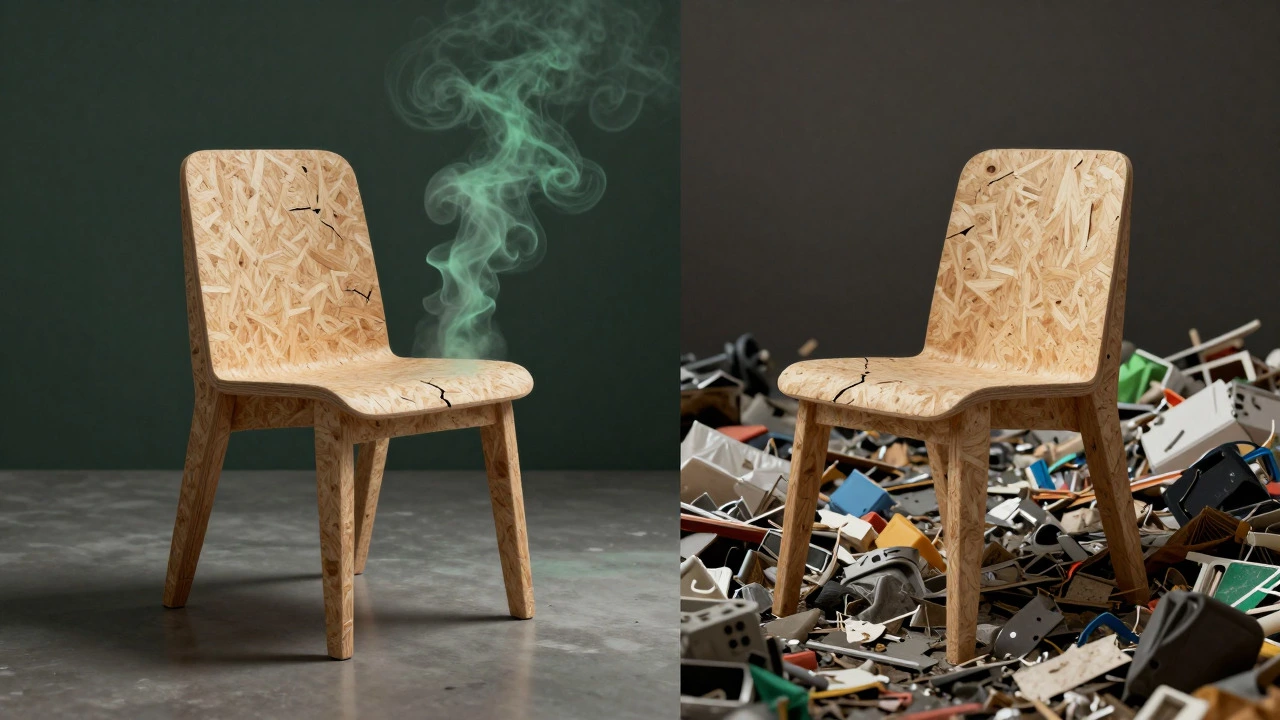
Greenwashing occurs when a designer claims a project is 'eco-friendly' based on superficial changes, like adding a few plants, while ignoring major pollutants. For instance, specifying cheap particleboard furniture that offloads formaldehyde for years is a health hazard. Ethical designers prioritize materials with low volatile organic compounds (VOCs). They choose solid wood over engineered boards, natural stone over synthetic laminates where possible, and local artisans over mass-produced imports to reduce carbon footprint.
Consider the waste aspect. A truly ethical designer plans for longevity. They avoid trendy, disposable decor that will end up in a landfill in two years. Instead, they invest in timeless pieces. If a designer pushes you toward fast-furniture brands known for poor labor practices and short lifespans, question their motives. Are they selling you a solution, or just moving inventory?
Intellectual Property and Plagiarism
In the digital age, copying is easier than ever. One of the most insidious forms of unethical behavior is plagiarism. This can range from lifting entire mood boards from Pinterest without credit to copying another designer’s unique layout solutions.
While inspiration is part of the creative process, direct appropriation is not. An ethical designer creates original concepts tailored to your specific needs and space. They cite sources when referencing specific artworks or historical styles. If you notice your designer’s portfolio looks suspiciously similar to images found online, ask for proof of originality. Did they draw those sketches? Did they create those 3D renders? Or did they just download them?
Furthermore, respect for artisan work is crucial. Many designers collaborate with local makers. Unethical practices include taking credit for an artisan’s handmade piece as if it were their own design, or failing to ensure the maker is paid fairly. Always ask about the provenance of custom items. Who made them? How much were they paid? Supporting fair trade is an ethical imperative in modern design.
Client Well-being vs. Aesthetic Ego
Design should serve the people living in the space, not the designer’s ego. A classic sign of unethical behavior is prioritizing aesthetics over functionality and comfort. This is often called 'Instagram-first' design.
Imagine a kitchen designed with beautiful marble countertops but no ergonomic workspace, or a living room filled with delicate glass tables that are impossible to clean with kids around. If a designer dismisses your practical concerns because 'it won’t look right,' they are failing you. Their job is to solve problems, not create art installations that you can’t live in.
Accessibility is another overlooked area. Ethical designers consider aging in place. They think about wide doorways for wheelchairs, lever handles instead of knobs for arthritic hands, and non-slip flooring. Ignoring these needs, especially for older clients, is a form of exclusionary design. It suggests the designer values how the room looks in a magazine over how it functions for human beings.
The Importance of Clear Contracts
A verbal agreement is a recipe for disaster. Unethical designers often rely on handshake deals or vague emails to keep terms flexible in their favor. A robust contract is your best defense.
Your contract should include:
- Scope of Work: Exactly what services are provided (e.g., space planning, procurement, installation).
- Payment Schedule: Tied to milestones, not arbitrary dates.
- Cancellation Policy: What happens if you fire the designer or they quit?
- Change Order Process: How extra work is priced and approved.
If a designer refuses to use a standard contract template provided by professional bodies like the New Zealand Institute of Architects or the International Interior Design Association, run. Professional organizations have codes of ethics that members must adhere to. Hiring someone outside these frameworks increases your risk significantly.
| Practice Area | Ethical Approach | Unethical Red Flag |
|---|---|---|
| Pricing | Transparent markup disclosure, fixed fees where possible | Hidden markups, vague hourly rates, surprise admin fees |
| Sourcing | Local artisans, sustainable materials, fair labor | Fast fashion furniture, undisclosed suppliers, greenwashing |
| Originality | Custom solutions, credited inspirations | Plagiarized images, copied layouts, uncredited ideas |
| Client Focus | Functionality, accessibility, long-term comfort | Aesthetic-only focus, dismissing practical needs |
| Contracts | Detailed written agreements, clear cancellation terms | Verbal promises, one-sided clauses, no written scope |

How to Spot an Unethical Designer Early
You don’t need to be a lawyer to spot trouble. Trust your gut. If something feels off during the initial consultation, it probably is. Here are specific questions to ask that reveal character:
- "How do you handle supplier markups?" An honest answer will explain their policy clearly. Vague answers suggest hiding profits.
- "Can I see three past projects similar to mine?" Be wary if they only show polished photos without context or client testimonials.
- "What is your process for handling mistakes?" Everyone makes errors. An ethical designer admits fault and fixes it at their cost. An unethical one blames you or the contractor.
- "Do you belong to any professional associations?" Membership requires adherence to a code of conduct. Lack thereof means less accountability.
Also, check reviews critically. Look for patterns. Do multiple clients mention budget overruns? Do they complain about poor communication? One bad review might be an outlier; five similar complaints are a warning sign.
Building a Relationship Based on Trust
Good design is a partnership. It requires open communication, mutual respect, and shared goals. When you hire a designer, you’re inviting them into your personal space. That trust shouldn’t be broken.
Start by being clear about your budget and priorities. Don’t be afraid to say 'no' to expensive items that don’t add value. A good designer will respect your boundaries and find creative alternatives. If they push back aggressively, they care more about commission than your satisfaction.
Regular check-ins are essential. Weekly updates prevent surprises. Ask for progress reports, including photos of site visits and receipts for purchases. Transparency builds confidence. If a designer welcomes this scrutiny, they likely have nothing to hide.
The Long-Term Impact of Ethical Choices
Choosing an ethical designer isn’t just about avoiding scams. It’s about investing in a healthier, more sustainable future. Ethical designs last longer, cost less to maintain, and contribute positively to the community. They support local economies and reduce environmental waste.
In contrast, cutting corners leads to regret. Cheap materials break down. Poor layouts frustrate daily life. Hidden fees drain savings. The initial savings of hiring an unethical designer often vanish quickly, replaced by repair bills and dissatisfaction.
Take your time. Research thoroughly. Ask hard questions. Your home should reflect your values, not just your taste. By demanding ethical standards, you raise the bar for the entire industry.
What is the most common unethical practice in interior design?
The most common issue is financial opacity, specifically hidden markups on furniture and supplies. Designers may charge clients full retail price while receiving significant trade discounts, pocketing the difference without disclosure. Other frequent issues include vague contracts leading to scope creep and unplanned fees.
How can I verify if an interior designer is ethical?
Check for membership in professional bodies like the NZIA or IIDA, which enforce codes of conduct. Ask for references from past clients and read online reviews for patterns of complaints. Request a detailed contract that outlines all fees, markups, and scope of work before starting. Transparency in pricing is a key indicator of ethical behavior.
Is it normal for designers to take commissions on products?
Yes, but it must be disclosed. Many designers earn income through product markups or supplier commissions. Ethical designers inform clients of these arrangements upfront. Some prefer a flat fee model to eliminate conflict of interest. The key is transparency: you should know exactly how much you are paying for the product versus the service.
What should be included in an interior design contract?
A comprehensive contract should include the scope of work, payment schedule tied to milestones, cancellation policy, change order procedures, and intellectual property rights. It should also specify who is responsible for permits, insurance, and liability. Never rely on verbal agreements for significant projects.
How does unethical design affect sustainability?
Unethical design often prioritizes cost over quality, leading to the use of cheap, non-durable materials that end up in landfills quickly. It may also involve greenwashing, where superficial eco-friendly claims mask harmful production processes. Ethical designers focus on longevity, local sourcing, and low-VOC materials to minimize environmental impact.