Ever walk into a room and feel like something’s missing? It’s not the furniture. It’s not the lighting. It’s the wall. Bare walls don’t just look empty-they feel cold, unfinished, even a little lonely. The right wall art doesn’t just fill space. It tells a story, sets a mood, and turns a house into a home.
Start with what you love
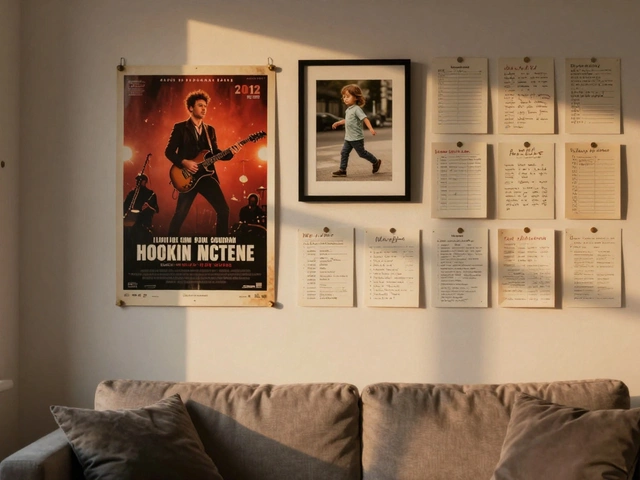
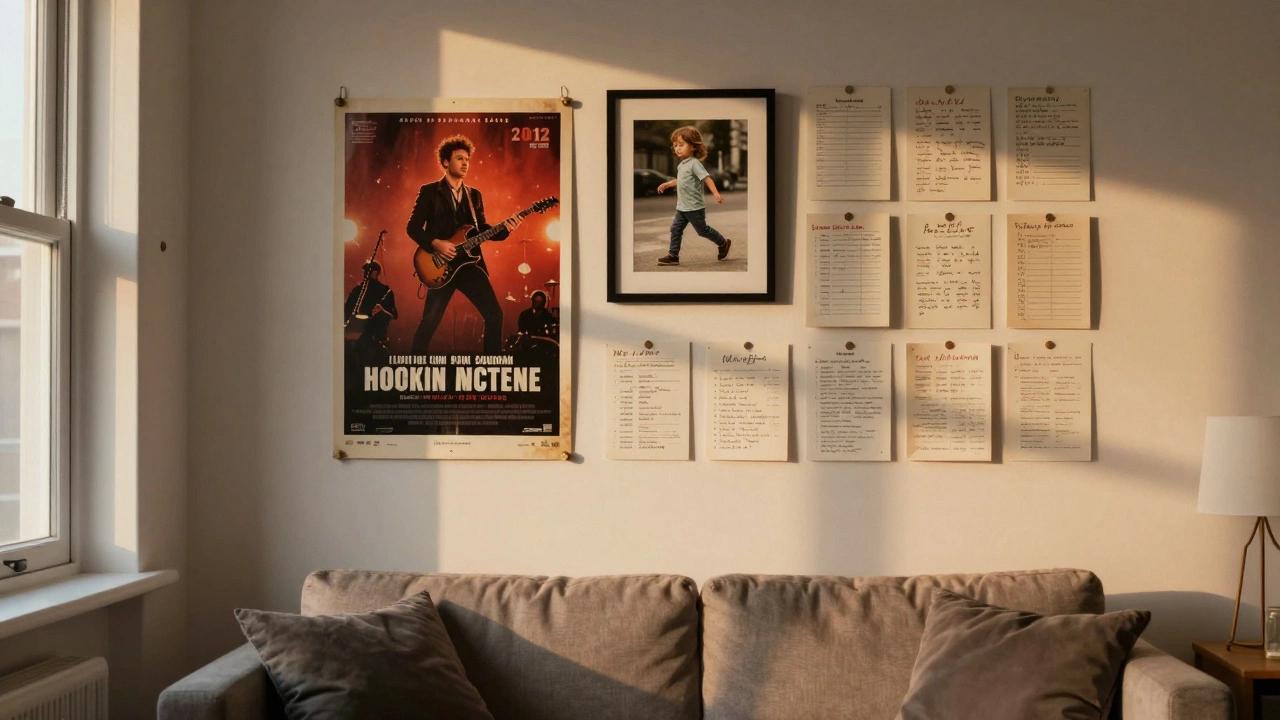
Don’t start by scrolling through Pinterest for "perfect" wall art. Start with what moves you. That faded concert poster from 2012? The photo of your kid’s first step? The print you bought on a whim in Oaxaca? Those aren’t just memories-they’re anchors. People think wall art has to be expensive or trendy. It doesn’t. A single framed postcard from your travels can mean more than a $500 abstract painting you didn’t connect with.One client in Ponsonby hung her grandmother’s handwritten recipe cards in a grid. Not because they were beautiful. Because every time she walked past them, she remembered the smell of cinnamon and the way her grandma hummed while baking. That’s the kind of art that lasts.
Size matters more than you think
A tiny print above a couch looks lost. A giant canvas in a small bedroom feels overwhelming. The rule isn’t about square footage-it’s about visual weight.For above a sofa or console table, go wide. The art should be two-thirds to three-quarters the width of the furniture. That’s it. No need for math. Just eyeball it. If the art feels like it’s floating alone, it’s too small. If it’s swallowing the wall, it’s too big.
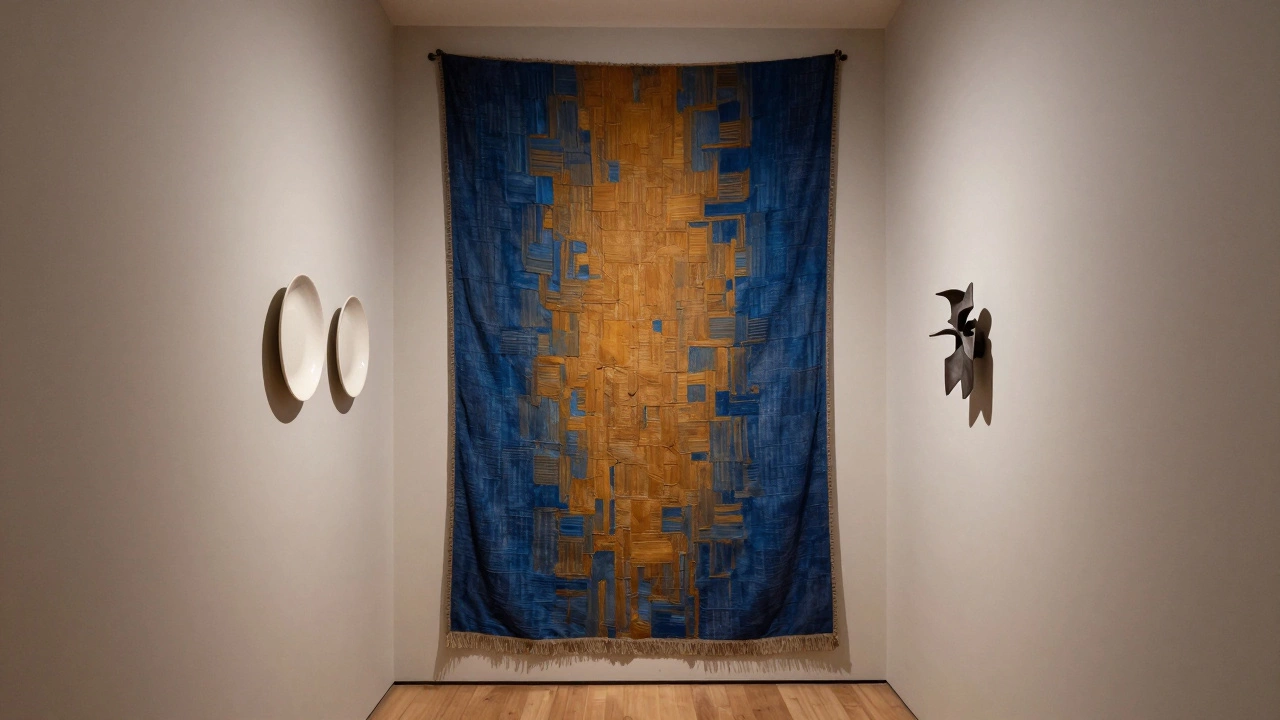
For a single large piece in a bedroom or hallway, go bold. A 36x48 inch print or a woven tapestry can anchor a whole space. In a narrow corridor, vertical art draws the eye up and makes the room feel taller. In a low-ceilinged bathroom, horizontal pieces make the space feel wider.
Groupings aren’t scary-just plan them
Many people avoid wall groupings because they’re afraid of messing up. But a well-planned cluster looks intentional, not chaotic.Start with a central piece-maybe a mirror, a large painting, or a shelf. Then build around it. Mix sizes, shapes, and materials. A metal wall sculpture next to a framed photo, a small ceramic plate, and a woven basket all work together if they share a color or texture.
Here’s a trick: Lay everything on the floor first. Arrange it like a puzzle. Step back. Move things around. Take a photo with your phone. That’s your blueprint. Tape paper cutouts to the wall in the same layout before you hammer a single nail. No more guesswork. No more holes.
Frames aren’t just borders-they’re part of the art
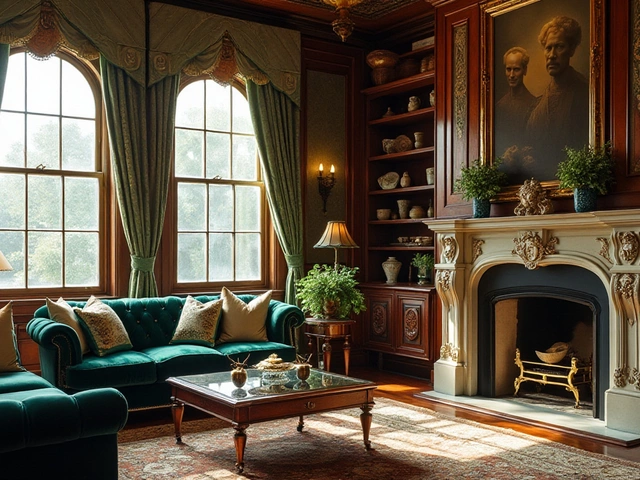
A black metal frame changes the vibe of a photo. A floating wooden frame makes a watercolor feel modern. A gilded frame turns a simple print into something antique. Don’t treat frames as afterthoughts.Match the frame to the room’s style, not the art’s era. A minimalist room can handle a thick, dark frame. A coastal cottage works with thin, whitewashed wood. If you’re unsure, go neutral. Black, white, or natural wood frames disappear and let the art speak.
And don’t feel stuck with traditional frames. Try floating shelves with stacked books and small objects. Hang a vintage ladder with scarves draped over it. Use clipboards to swap out art monthly. The frame doesn’t have to be wood or metal-it just has to hold the piece and feel right.
Texture beats flat images
Flat prints are fine. But if you want a wall to feel alive, add texture. A woven wall hanging from Guatemala. A ceramic tile mosaic from Marrakech. A pressed fern in a shadow box. A metal wall sculpture with moving parts that catch the light.Texture adds depth. It changes with the light. It invites touch. In a room full of soft fabrics and smooth surfaces, a rough-hewn wooden panel or a knotted rope art piece becomes the highlight.
One Auckland home I saw had a wall covered in salvaged weathered barn wood, arranged in a grid. No paint. No prints. Just the natural grain and patina. It looked like art. It felt like history. And it cost almost nothing.
Lighting turns art into an experience
Wall art isn’t meant to be seen in dim light. If you’re hanging something you care about, give it light.Track lighting, picture lights, or even a well-placed floor lamp can make a big difference. Aim the light at a 30-degree angle to reduce glare. LED strip lights behind a large canvas? That’s a game-changer. It creates a halo effect that makes the art pop.
Don’t forget natural light. A bright south-facing wall in winter is perfect for dark, moody art. A north-facing wall with soft, even light? Ideal for delicate watercolors or pastels.
Don’t ignore the ceiling
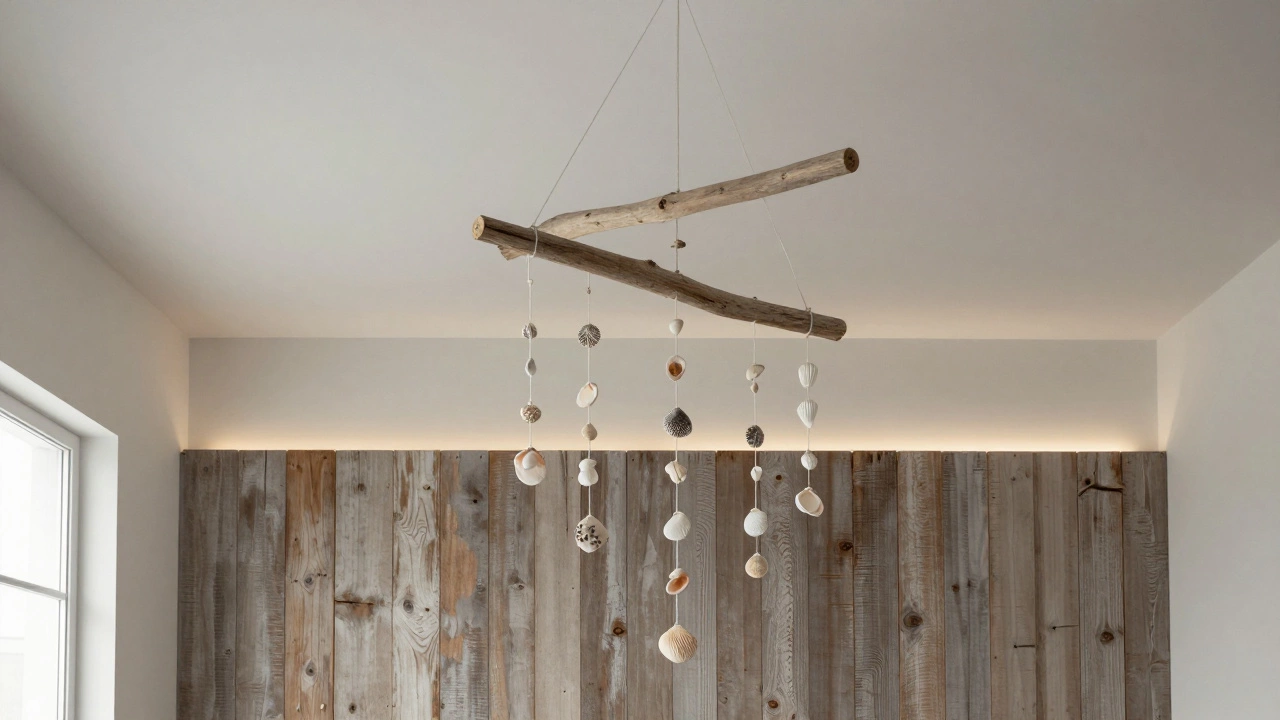
Most people forget the ceiling. But in a small room, hanging something from above can make the space feel larger. A mobile made of driftwood and shells. A single large lantern. A suspended textile.It’s unexpected. It’s subtle. And it works. Especially in entryways, bathrooms, or bedrooms with low ceilings. It draws the eye upward and adds movement.
What not to hang
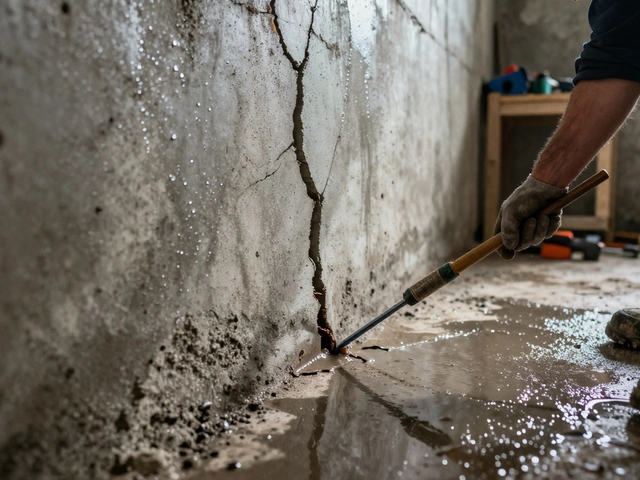
Some things just don’t belong on walls.Don’t hang heavy mirrors over a bed unless they’re professionally secured. Don’t put valuable art in direct sunlight-UV rays fade colors fast. Don’t hang family photos in the bathroom unless they’re sealed in waterproof frames. Moisture kills paper and wood.
And avoid overcrowding. One striking piece is better than ten mediocre ones. Empty space is part of the design. It lets the art breathe.
Change it up
Wall art doesn’t have to be permanent. Seasons change. Moods change. Your taste changes.Swap out a piece every few months. Rotate art from storage. Use removable adhesive strips for lightweight pieces. Try a rotating gallery wall with magnetic frames. You’ll rediscover old favorites and keep your space feeling fresh.
One friend in Devonport changes her wall art with the seasons: spring brings pastel botanical prints, summer has beach photos, autumn swaps in warm tones, winter leans into dark, moody abstracts. It’s simple. It’s personal. And it costs nothing but time.
Start small. Start now.
You don’t need a budget. You don’t need a designer. You just need to start. Pick one wall. Pick one thing you love. Hang it. Step back. Live with it for a week. See how it feels.That’s how real home art begins-not with perfection, but with presence.