Foundation Repair Cost Calculator
Preventative Maintenance Tip
Regularly checking gutters, extending downpipes 1.5m from the foundation, and monitoring for early signs (like cracks wider than 3mm) can save you $10,000+ in repair costs. A $500 inspection every 3-5 years is one of the most cost-effective investments for your home.
Estimated Repair Cost:
$0
Minor: $3,000-$8,000
Moderate: $10,000-$25,000
Major: $20,000-$60,000+
Estimated Prevention Cost
$500-$800
Potential Savings
$0
Most homeowners in New Zealand assume their home insurance will cover everything that goes wrong with their house. But if your foundation starts to crack, settle, or shift, you’ll quickly learn a hard truth: foundation repair is almost never covered. Why? It’s not because insurers are being unfair. It’s because foundation problems are almost always the result of something preventable - not sudden or accidental.
What Insurance Actually Covers
Standard home insurance policies in New Zealand are built around sudden, unexpected events. Think storm damage, fire, burst pipes, or a tree falling through your roof. These are called insured perils. They happen fast, are often outside your control, and leave clear evidence of cause.
Foundation damage, on the other hand, usually creeps in over months or years. A slow leak under your house, clay soil drying out in summer, or poor drainage that’s been ignored for a decade - these don’t show up as a claim on your policy because they’re not accidents. They’re maintenance failures.
Why Foundations Are Treated Differently
Insurance companies don’t cover foundation issues because they’re predictable. If you’ve ever seen a house with a leaning chimney or doors that stick, you’ve seen the early signs of foundation stress. These aren’t mysteries - they’re red flags.
Here’s how it breaks down:
- Soil movement: New Zealand’s clay-rich soils expand when wet and shrink when dry. This constant motion puts stress on footings. If drainage isn’t managed, the problem worsens.
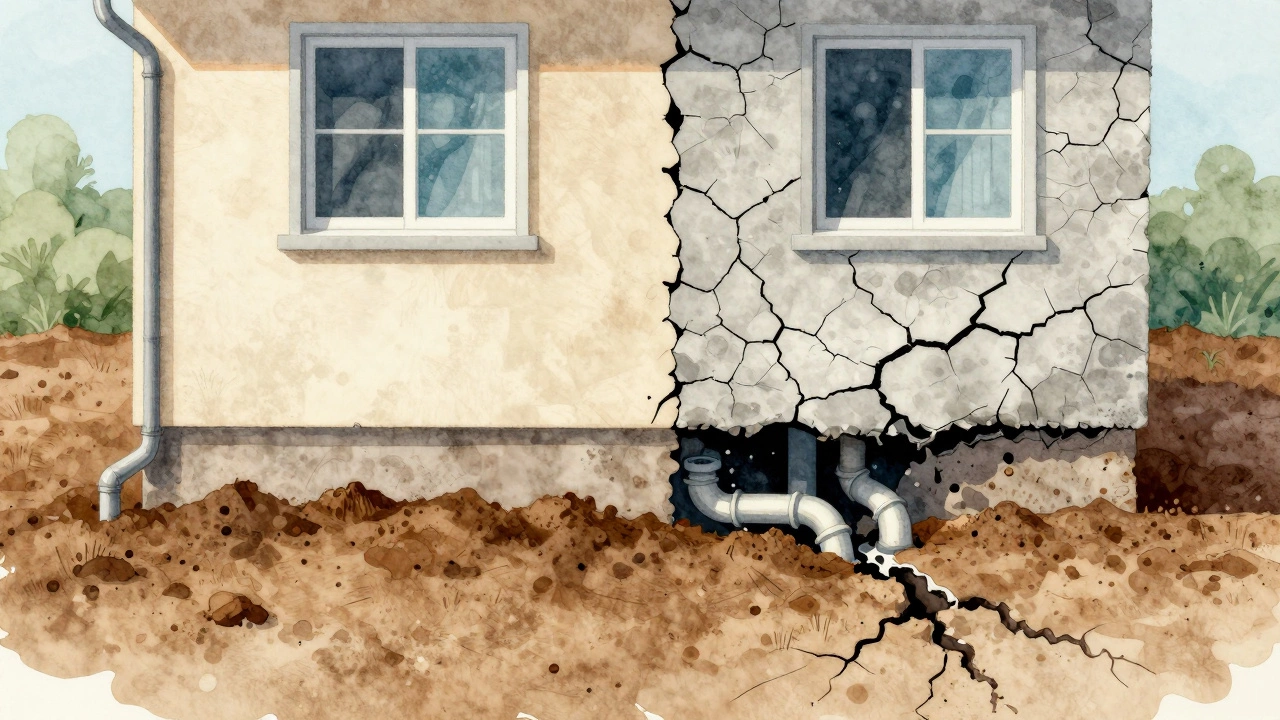
- Water damage: Leaky gutters, blocked stormwater drains, or plumbing leaks under the slab all lead to soil erosion or swelling. These are maintenance issues.
- Age and wear: Foundations built in the 1970s or earlier weren’t designed for today’s soil conditions or rainfall patterns. Over time, concrete cracks, steel corrodes, and timber rots.
- Poor construction: If a home wasn’t built to code, or if the footings were too shallow, the damage is the builder’s fault - not the insurer’s.
Insurers can’t afford to cover these because they’re too common. In Auckland alone, over 12,000 homes show signs of foundation movement each year. Covering them all would make premiums unaffordable.
What’s the Difference Between Covered and Not Covered?
It’s not black and white. There are rare cases where foundation damage is covered - but only if it’s clearly tied to an insured event.
For example:
- If a storm causes a burst water main that floods your crawl space and washes away the soil under your footing, that might be covered.
- If a tree falls and crushes part of your foundation, that’s covered.
- If a landslide triggered by heavy rain moves your house, you might have a claim - but only if you have land damage coverage.
But if the damage started because your downpipes were clogged for two years? Not covered. If the soil under your house dried out during a dry summer? Not covered. If your house was built on unstable fill? Not covered.
What Homeowners Should Do Instead
Since insurance won’t help, you have to take responsibility. Here’s what works:
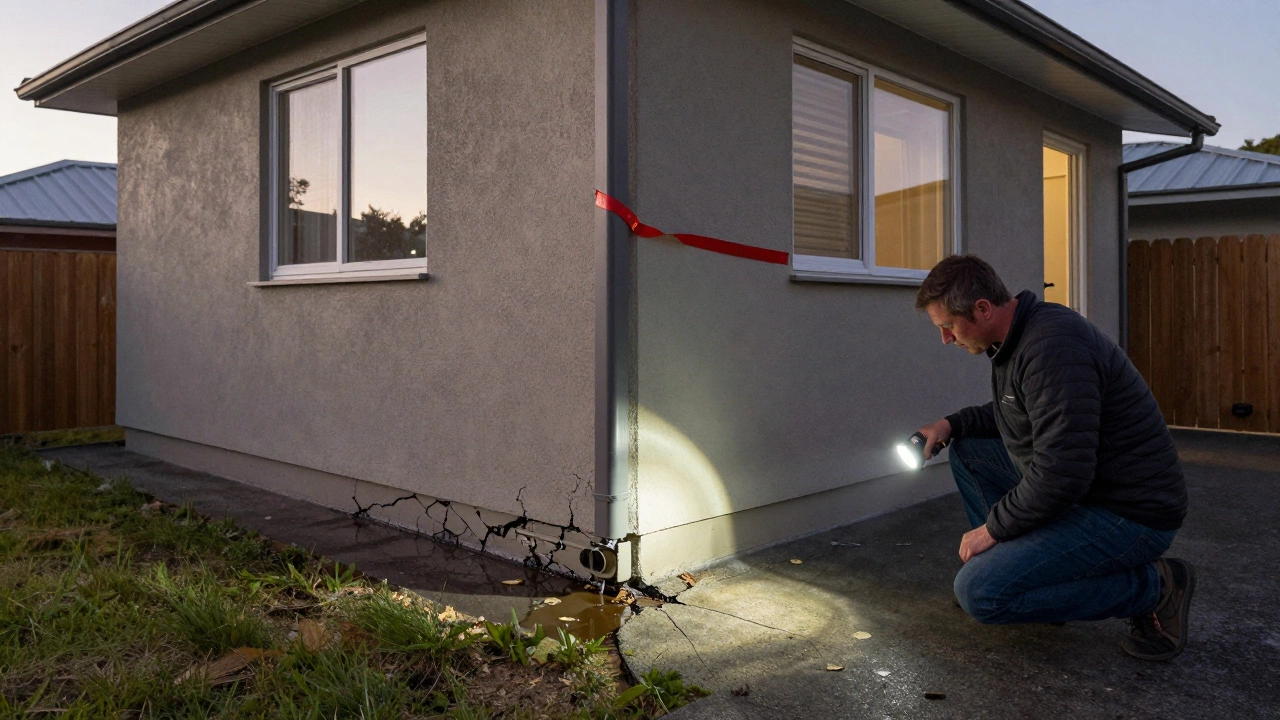
- Check your drainage. Make sure water flows away from your house. Gutters should be clean, downpipes should extend at least 1.5 meters from the foundation, and slopes should angle away from the building.
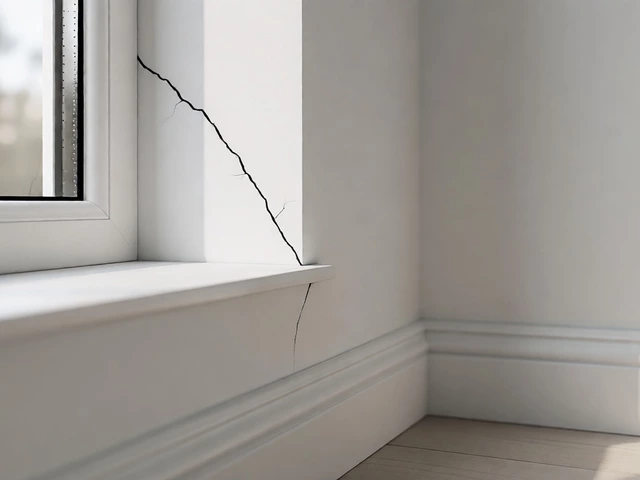
- Monitor for early signs. Cracks wider than 3mm, sticking doors, sloping floors, or gaps between walls and ceilings are early warnings. Take photos and track them over time.
- Get a professional inspection every 3-5 years. A structural engineer can spot issues before they become expensive. In Auckland, a basic inspection costs around $500-$800.
- Fix small problems fast. A leaking pipe under the house? Fix it now. A cracked drain? Replace it. Waiting only makes the repair harder and costlier.
- Consider foundation insurance add-ons. A few insurers offer optional cover for gradual damage - but they’re expensive and have strict conditions. Read the fine print.
The Cost of Waiting
Ignoring foundation problems doesn’t make them go away. It makes them worse.
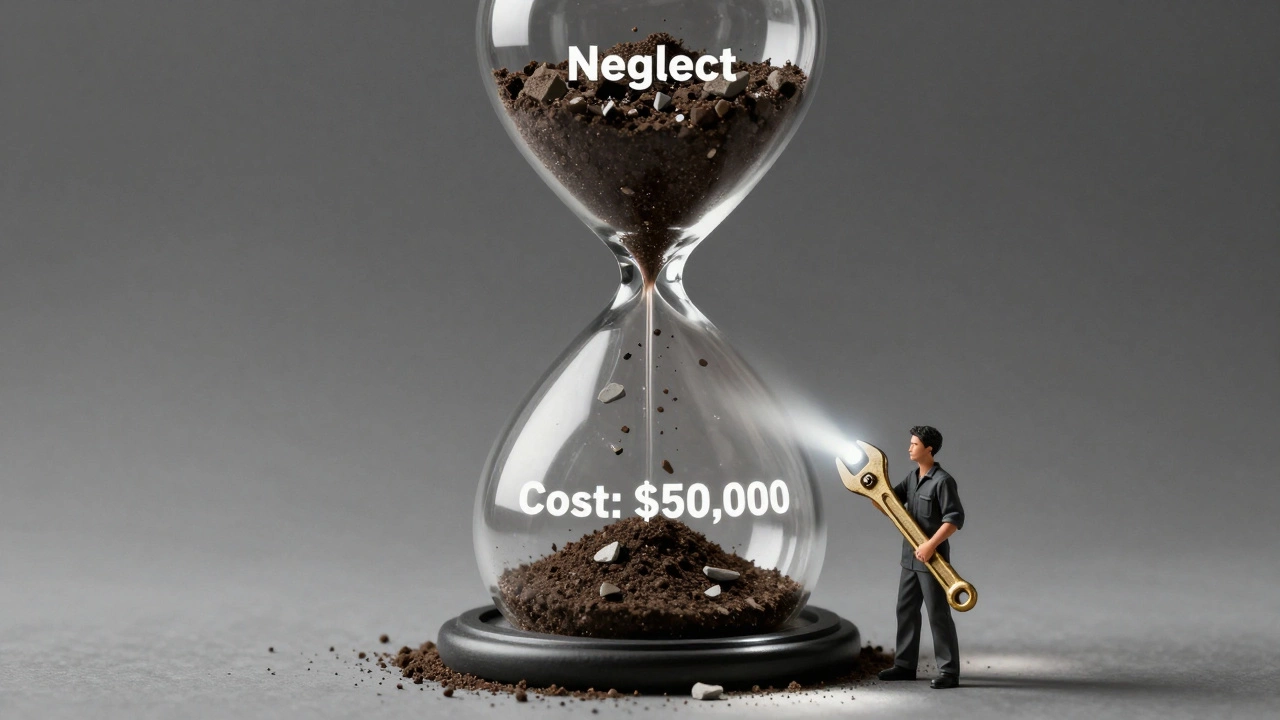
A small crack that costs $2,000 to fix today could become a $20,000 underpinning job in five years. In extreme cases, houses with severe foundation failure need to be lifted and relevelled - a job that can cost over $50,000.
And here’s the kicker: if you don’t disclose foundation damage when you sell, you could be sued. In 2024, a Wellington homeowner had to repay $180,000 to buyers after hiding cracks that were visible in inspection reports.
What About New Builds?
New homes come with a 10-year statutory warranty under the Building Act. That means if your foundation fails due to poor workmanship within that time, the builder is responsible. But this doesn’t cover natural soil movement or lack of maintenance.
Even with a warranty, you still need to monitor drainage and report issues early. If you wait until year nine to notice a crack, the builder might argue it was caused by your neglect - not their work.
Final Reality Check
Insurance isn’t meant to be a maintenance plan. It’s meant to protect you from disasters you couldn’t foresee. Foundation problems are preventable - and that’s why they’re excluded.
The best insurance you can have isn’t a policy. It’s knowledge. Regular checks. Clean gutters. Proper drainage. A $300 inspection every few years could save you $30,000.
If you’re in New Zealand and worried about your foundation, don’t wait for a crack to become a chasm. Start now. Look under your house. Check your drains. Call a structural engineer. Your future self will thank you.
Is foundation damage ever covered by home insurance in New Zealand?
Foundation damage is rarely covered. Insurance only pays if the damage results from a sudden, insured event like a storm, fire, or burst pipe. Gradual issues - such as soil movement, poor drainage, or aging materials - are excluded because they’re considered preventable through regular maintenance.
What are the most common causes of foundation damage in New Zealand?
The top causes are clay soil expansion and contraction, leaking plumbing or drainage systems, inadequate drainage around the house, poor construction practices, and prolonged dry spells that dry out the soil under footings. Auckland and Wellington see the highest rates due to their soil types and rainfall patterns.
Can I get extra insurance for foundation repair?
A few insurers offer optional add-ons for gradual damage, but they’re uncommon and expensive. These policies often require annual inspections, proof of maintenance, and may have high deductibles. Most homeowners find it more cost-effective to invest in preventative maintenance instead.
How much does foundation repair cost in New Zealand?
Costs vary widely. Minor repairs like crack sealing or underpinning a small section can cost $3,000-$8,000. Major repairs - such as releveling a house or replacing footings - range from $20,000 to $60,000. The price depends on the size of the house, soil type, and extent of damage.
Should I get a structural inspection before buying a house?
Absolutely. A structural inspection costs $500-$800 but can uncover hidden foundation issues that could cost tens of thousands to fix later. In New Zealand, it’s one of the most valuable pre-purchase checks. Don’t skip it - even if the seller says the house is "in great condition."
Does a new build warranty cover foundation problems?
Yes - but only if the damage is due to faulty workmanship or materials within the first 10 years. It doesn’t cover damage from poor drainage, soil movement, or lack of maintenance. If you notice cracks early, report them immediately to your builder to preserve your warranty rights.
Can foundation damage affect my home’s resale value?
Yes. Unaddressed foundation damage can reduce resale value by 15-30%. Buyers often walk away if they see visible cracks, uneven floors, or a history of repairs. Even if you fix the issue, you’ll need to disclose it - and some lenders may refuse to finance the sale without a structural engineer’s clearance.
What’s the best way to prevent foundation damage?
Keep water away from your foundation. Clean gutters every season, extend downpipes at least 1.5 meters from the house, ensure the ground slopes away from the building, fix leaks immediately, and avoid planting large trees too close to the house. Regular inspections every 3-5 years are the cheapest insurance you can buy.