Foundation Repair Cost & Value Calculator
Verdict:
| Repair Cost: | - |
| Potential Resale Discount (Unrepaired): | - |
| Future Escalation Risk (If Ignored): | - |
| Net Financial Benefit: | - |
Enter your details to calculate ROI
This tool estimates potential savings vs. risks based on standard industry averages.
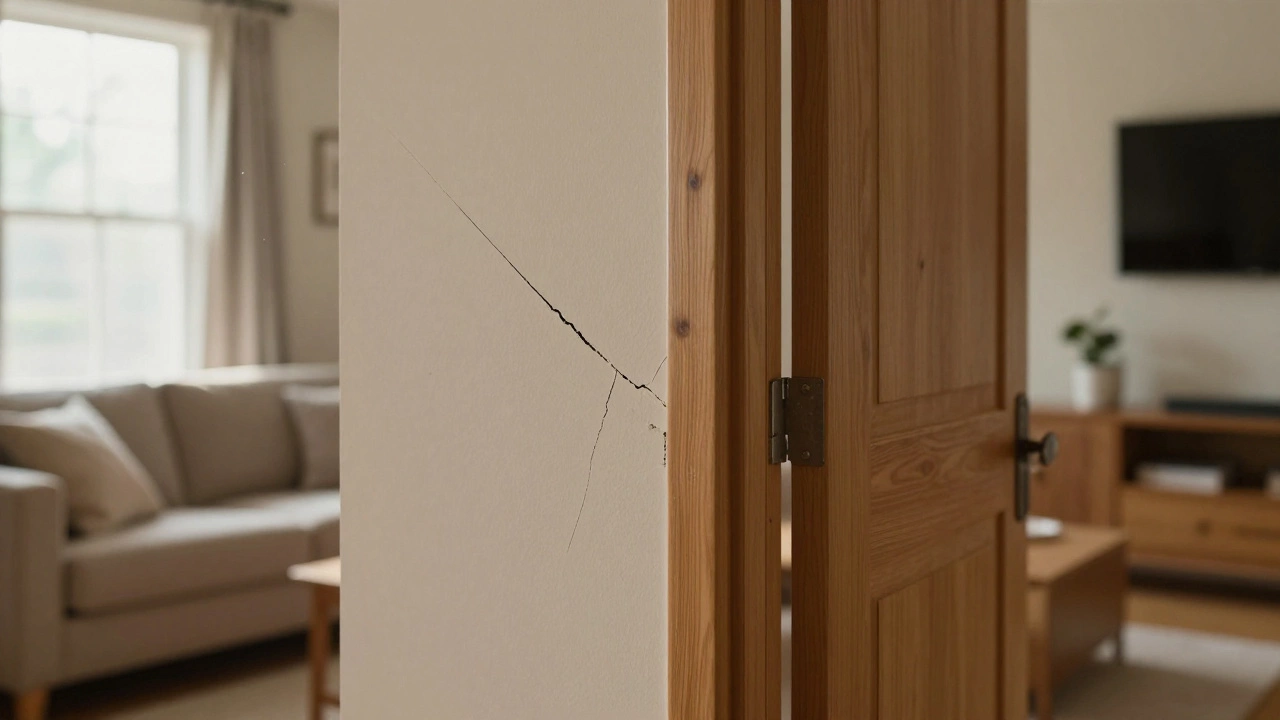
Imagine buying a house with a great kitchen and a nice backyard, only to find out the ground beneath it is shifting. You hear creaks at night, doors stick in summer, and cracks appear in your drywall. The contractor hands you a quote for $15,000 to fix the foundation. Your stomach drops. Is spending that much money actually worth it, or are you just throwing cash into a hole?
The short answer is yes, but with major caveats. Ignoring foundation problems almost always leads to catastrophic failure, which costs ten times more than early intervention. However, not every crack requires a helicopter team of engineers. Understanding when to act, how much it costs, and how it affects your property value is the difference between a smart investment and a financial nightmare.
The Real Cost of Doing Nothing
Most homeowners hesitate because the price tag is high. In Auckland and similar climates with expansive clay soils, foundation movement is common. But the cost of inaction is rarely static; it compounds. A small hairline crack in the slab might be cosmetic today. If left untreated while the soil continues to swell and shrink, that crack can widen, allowing water intrusion. Water under the slab causes further erosion or heaving, leading to larger structural shifts.
Think of it like a toothache. You can ignore the mild sensitivity for a week. But if you wait six months, you’re not paying for a filling anymore; you’re paying for a root canal or an extraction. With foundations, the "extraction" is often a total rebuild or a condemnation order from local council authorities. Structural integrity is non-negotiable. Once the load-bearing capacity is compromised, safety becomes the primary concern, not just aesthetics.
- Cosmetic Damage: Cracks in plaster or minor tile separation. These are annoying but usually don’t threaten the structure immediately.
- Functional Damage: Doors and windows that won’t latch, uneven floors, or sticking cabinets. This indicates active movement.
- Structural Damage: Large diagonal cracks in brickwork, bowing walls, or significant gaps between walls and ceilings. This requires immediate professional assessment.
When Is It Definitely Worth It?
You should prioritize foundation repairs if you see clear signs of ongoing settlement or heave. The key word here is "ongoing." If the house settled five years ago and has been stable since, you might only need cosmetic fixes. But if new cracks are appearing every winter, the problem is active.
Another critical factor is resale value. When you sell a home, buyers will conduct a building inspection. A report citing "active foundation movement" is a deal-breaker for most conventional lenders. They won’t finance the loan until the issue is resolved. Even if you find a cash buyer, they will demand a massive discount-often 10% to 20% off the asking price-to account for the risk. Paying for repairs now preserves your equity. In many cases, fixing the foundation stabilizes the property value, ensuring you don’t lose thousands in negotiation leverage later.
Furthermore, insurance implications matter. Most standard home insurance policies do not cover gradual foundation settlement due to soil conditions. However, if a sudden event (like a burst pipe eroding the soil) causes the shift, it might be covered. If you neglect known issues and the damage worsens, insurers may deny claims related to those specific damages, leaving you fully liable for the escalation.
Types of Repairs and Their Costs
Not all repairs are created equal. The method used depends on the type of foundation (slab-on-grade, crawl space, or basement) and the cause of the movement. Here is a breakdown of common solutions and their typical price ranges in New Zealand markets.
| Repair Method | Best For | Estimated Cost (NZD) | Lifespan |
|---|---|---|---|
| Slab Jacking (Mudjacking) | Sunken concrete slabs, driveways, minor floor dips | $800 - $3,000 | 5-10 years |
| Steel Push Piers | Heavy homes, deep settlement, unstable soil | $10,000 - $40,000+ | Lifetime (warranty often 25+ years) |
| Helical Piers | New construction support, lighter structures, tight access | $9,000 - $35,000 | Lifetime |
| Wall Anchors/Braces | Bowing basement or retaining walls | $3,000 - $7,000 per anchor | Lifetime |
| Epoxy Injection | Sealing cracks to prevent water intrusion | $200 - $600 per linear foot | Variable (cosmetic/waterproofing) |
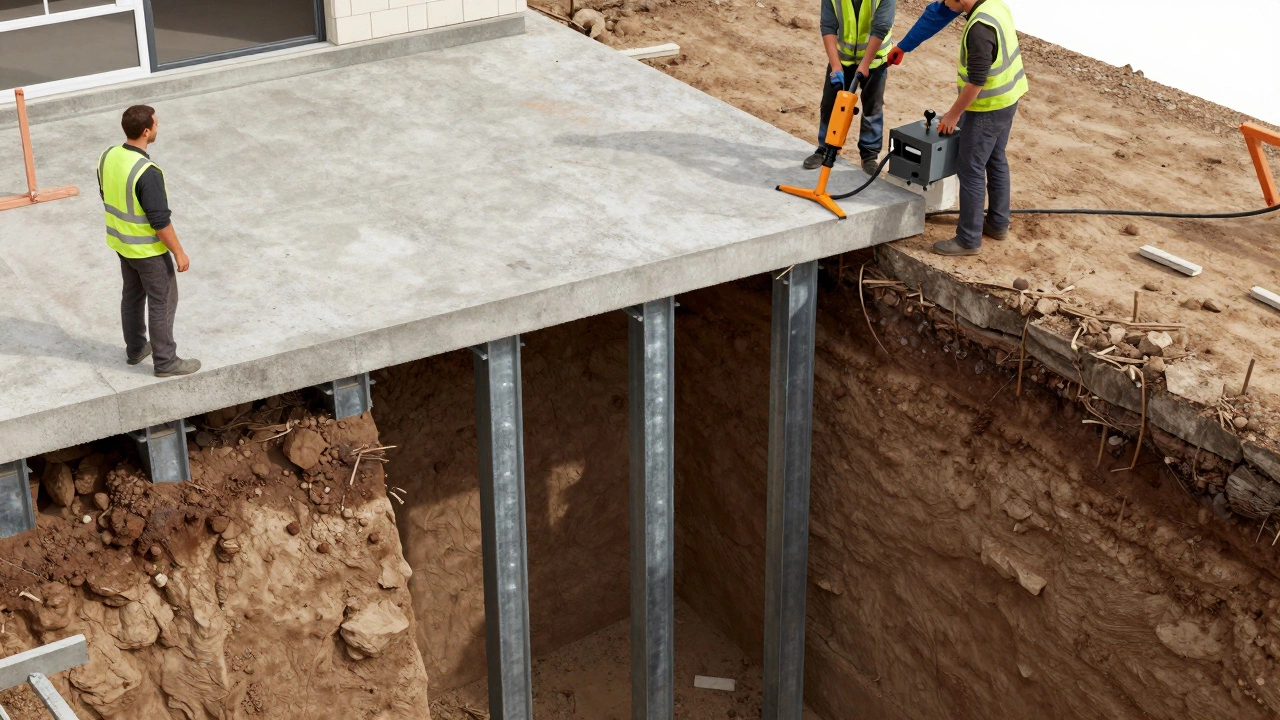
Steel push piers are currently the gold standard for residential homes experiencing significant settlement. They drive through unstable soil layers until they hit bedrock or highly compacted strata, transferring the home’s weight to a stable base. While expensive, they offer a permanent solution. Slab jacking is cheaper but temporary; it fills voids with grout to lift the concrete back into place. It works well for driveways or porches but is less effective for lifting heavy timber-framed houses.
Does It Increase Home Value?
This is the million-dollar question. Will you get dollar-for-dollar return on your investment? Rarely. Foundation repair is considered a maintenance expense, not a renovation upgrade like a new kitchen. You won’t necessarily sell the house for $20,000 more because you spent $20,000 on piers.
However, it prevents value *loss*. A home with a documented, repaired foundation sells faster and at market rate. A home with an unrepaired foundation sits on the market for months, undergoing multiple price reductions. In a competitive market like Auckland, speed of sale is crucial. Buyers want certainty. Providing engineering certificates and warranty documentation from reputable contractors removes the stigma of the "broken house."
Additionally, some repairs improve livability. Leveling a floor makes furniture placement easier and reduces tripping hazards. Fixing door alignments improves energy efficiency by reducing drafts. These quality-of-life improvements make the home more appealing during viewings, even if the financial ROI isn’t direct.
Red Flags: When to Walk Away
Before signing a contract, watch out for these warning signs. The industry has unregulated players who may recommend unnecessary work.
- No Engineering Report: Reputable companies will hire a licensed geotechnical engineer to diagnose the problem before quoting repairs. If a contractor says "I know what’s wrong" without seeing soil data, run.
- High-Pressure Sales Tactics: Offers that expire in 24 hours or require full payment upfront are predatory. Legitimate businesses allow time for second opinions.
- Vague Warranties: Look for transferable warranties backed by the manufacturer of the piers or materials, not just the contractor’s personal promise. If the contractor goes bankrupt, who honors the warranty?
- Ignoring Drainage: If the root cause is poor drainage (gutters dumping water next to the foundation), repairing the foundation without fixing the drainage is futile. The soil will wash away again, and the house will settle once more.
Making the Decision: A Practical Checklist
To decide if repairs are worth it for your specific situation, walk through this mental checklist:
- Is the movement active? Check date-stamped photos of cracks. Are they getting wider? If yes, repair is necessary.
- Do you plan to stay long-term? If you’re staying 10+ years, investing in stability protects your biggest asset. If selling in 6 months, consider negotiating the cost with the buyer instead, though this limits your pool of buyers.
- Have you gotten three quotes? Prices vary wildly. Get estimates from independent specialists, not just general builders.
- Is the cause addressed? Ensure the proposal includes grading, gutter extensions, or French drains if water is the culprit.
Foundation repair is one of those investments where the payoff is peace of mind and asset preservation rather than flashy profit. It’s boring, expensive, and essential. By treating it as a critical infrastructure project rather than a cosmetic tweak, you protect your family’s safety and your financial future.
How long does foundation repair take?
Most residential foundation repairs take between 1 to 3 days for the actual installation of piers or jacking. However, the entire process, including engineering assessments, permits, and post-repair settling monitoring, can take 2 to 4 weeks. Complex projects involving extensive excavation or wall bracing may take longer.
Can I live in my house during foundation repair?
Yes, in most cases. Exterior pier installation allows you to remain inside. There will be noise and vibration, and you may need to avoid certain areas of the yard. Interior repairs, such as slab jacking or wall anchoring, also typically allow occupancy, though you may need to temporarily move furniture or vacate specific rooms during active work.
Does home insurance cover foundation repairs?
Generally, no. Standard policies exclude damage caused by gradual settlement, soil expansion, or lack of maintenance. Coverage may apply if the damage results from a sudden, covered peril, such as a tree falling on the house or a burst pipe causing rapid soil erosion. Always check your specific policy exclusions regarding "earth movement" or "settling."
What is the difference between mudjacking and helical piers?
Mudjacking (or slab jacking) pumps a cementitious slurry under a sunken slab to lift it back to grade. It is a temporary fix for concrete surfaces like driveways. Helical piers are steel screws driven deep into the ground to bypass unstable soil and anchor the foundation to stable bedrock. They provide a permanent structural solution for homes experiencing significant settlement.
How do I find a reputable foundation repair contractor?
Look for contractors who are members of recognized industry associations, carry adequate liability insurance, and provide references from past clients. Crucially, choose one who hires an independent geotechnical engineer for diagnosis rather than relying solely on their own visual inspection. Avoid companies that use high-pressure sales tactics or demand full payment upfront.