Bathroom Color Sale Predictor
Select your current or planned bathroom features to see how they align with buyer preferences for a fast sale.
You’re standing in your bathroom, staring at that bold teal tile you installed three years ago. It looked great then. But now that you’re thinking about moving, a nagging question pops up: what color bathroom sells a house? Is it hurting your sale? Do buyers hate it? Or is it actually fine?
Here’s the truth most agents won’t tell you straight up: there is no single "magic" color that guarantees a sale. But there are colors that make buyers feel safe, clean, and ready to move in. And there are colors that make them hesitate, negotiate harder, or walk away entirely.
As someone who has helped homeowners in Auckland prep their properties for market, I’ve seen how a simple paint change can shift the entire vibe of a room. Let’s break down exactly what works, what doesn’t, and why, so you don’t waste money on renovations that don’t pay off.
The Psychology Behind Neutral Bathrooms
Why do real estate agents push neutrals? It’s not because they lack imagination. It’s because of cognitive load. When a buyer walks into a bathroom with bright red walls or purple tiles, their brain has to process that strong stimulus before they can assess the rest of the space. They spend mental energy deciding if they like the color instead of imagining their life there.
Neutral colors reduce this friction. White, soft gray, beige, and warm taupe act as a blank canvas. They allow the buyer to project their own style onto the space. If they want to hang colorful towels later, they can. If they prefer minimalist decor, the room supports it. This flexibility is key. A neutral bathroom says, "This is a starting point," rather than, "This is my final choice."
According to data from major real estate platforms like Zillow and Realtor.com, homes with white kitchens and bathrooms tend to sell faster and often for slightly more than those with dark or saturated colors. The premium isn’t huge-maybe 1-3%-but in a competitive market, that edge matters.
Top Performing Bathroom Color Palettes
Not all neutrals are created equal. Here are the specific shades that consistently perform well in residential sales, particularly in markets like New Zealand where natural light plays a big role.
| Color Family | Specific Shade Examples | Best For | Risk Level |
|---|---|---|---|
| Crisp White | Pure White, Swiss Coffee | Small bathrooms, maximizing light | Low (can look sterile if too cold) |
| Warm Gray | Agreeable Gray, Repose Gray | Modern updates, hiding water spots | Medium (avoid blue undertones) |
| Soft Beige/Taupe | Revere Pewter, Accessible Beige | Traditional homes, warmth | Low (classic appeal) |
| Pale Blue/Green | Sky Blue, Seafoam | Coastal vibes, spa-like feel | Medium (must be very pale) |
| Charcoal Accent | Tricorn Black (accents only) | Faucets, mirrors, hardware | High (never use on large walls) |
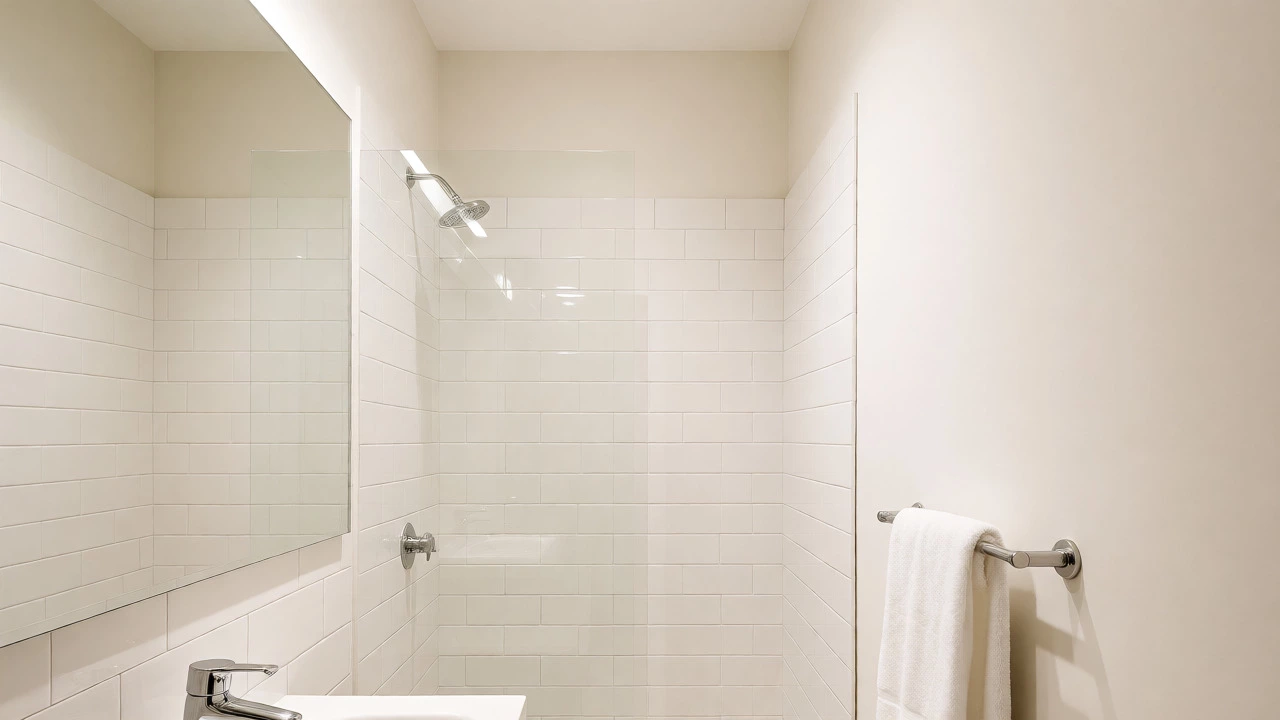
Crisp White is the safest bet. It reflects light, making small bathrooms feel larger. In Auckland, where many older villas have limited window space, white walls bounce daylight around, creating an airy feel. However, avoid stark hospital whites if your lighting is yellow; opt for a warm white with slight cream undertones to keep it inviting.
Warm Gray has replaced beige as the modern standard. It feels sophisticated without being cold. The trick is choosing a gray with brown or green undertones. Avoid grays with purple or blue undertones, which can make a bathroom look dirty or institutional under artificial lighting.
When Dark Colors Actually Help
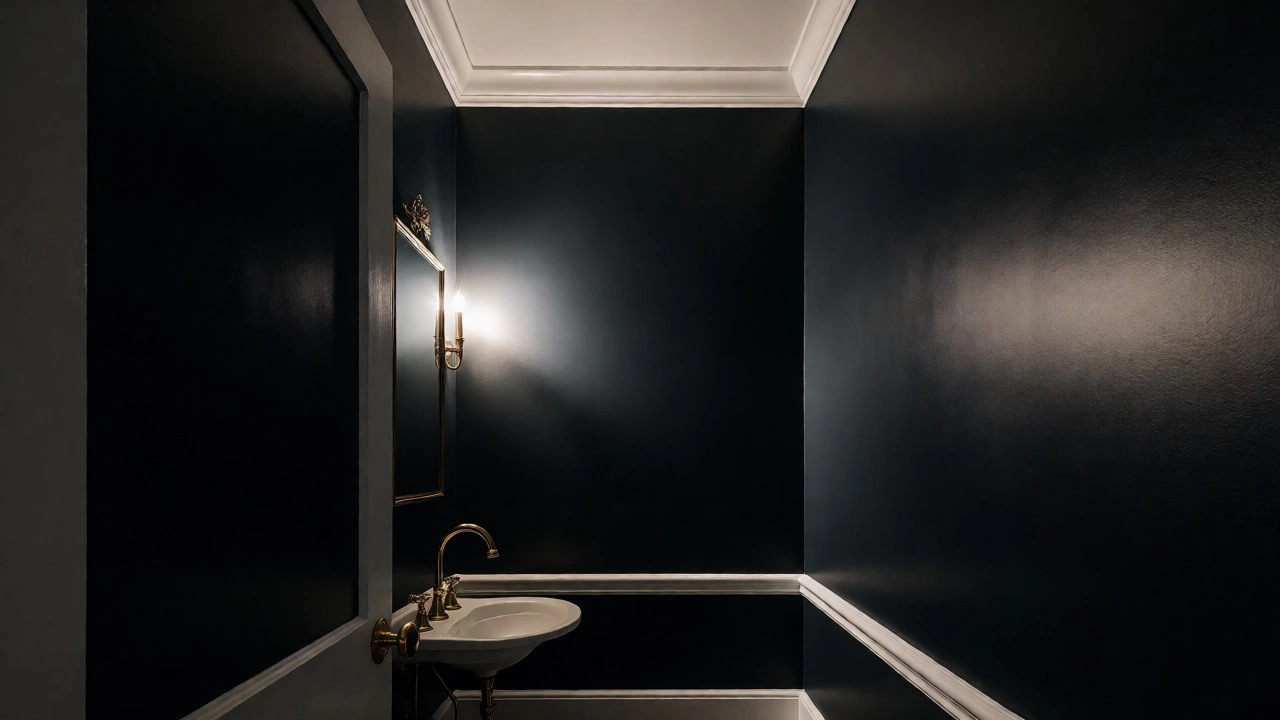
Does this mean you must paint everything white? No. There is a niche where darker colors shine, but it requires precision. Small powder rooms or guest toilets are perfect candidates for drama. Because these spaces are used briefly, buyers are less likely to be overwhelmed by a deep navy, forest green, or charcoal wall.
In these cases, the dark color creates a "jewel box" effect. It feels intentional and high-end. Pair a dark wall with crisp white trim, gold or brass fixtures, and good lighting. This contrast signals luxury. Just remember: this strategy fails in primary en-suite bathrooms where people spend longer periods. You don’t want buyers feeling trapped in a cave while getting ready for work.
The Role of Lighting and Natural Light
A color that looks perfect in a swatch book might turn muddy once it hits your bathroom walls. Why? Lighting. Most bathrooms rely on overhead vanity lights, which cast harsh shadows. If your bathroom lacks windows, stick to lighter colors. Dark paint absorbs light, making a windowless room feel smaller and claustrophobic.
If you have a north-facing window (common in NZ), the light will be cooler and bluer. Warm neutrals help balance this. South-facing windows bring in warmer, yellower light, so cool grays or whites can prevent the room from looking yellowed. Always test large patches of paint on different walls and observe them at morning, noon, and night before committing.
Beyond Paint: Tiles and Fixtures Matter More
Paint is cheap. Tiles are expensive. If you’re asking what color bathroom sells a house, you also need to consider permanent features. Buyers are forgiving of outdated paint-they’ll repaint it themselves. They are less forgiving of dated tile.
If your bathroom has avocado green or pink tile from the 1970s, painting the walls white won’t save the sale. That color clashes with modern expectations. In this case, either replace the tile with large-format white or marble-look porcelain, or embrace the vintage charm fully with matching retro accessories. Mixing old tile with new modern paint usually results in a confused aesthetic.
Similarly, check your fixtures. Chrome is still widely accepted. Brushed nickel is aging out. Matte black and brushed gold are trending but polarizing. If you’re selling quickly, chrome is the universal donor-it fits every style. If you have colored fixtures (like almond or harvest gold), consider swapping them for white or chrome. It’s a low-cost upgrade that removes a visual barrier for buyers.
Common Mistakes Sellers Make
I see these errors repeatedly when helping clients stage their homes:
- Using "Builder’s White": This generic, flat white often looks cheap and dingy. Upgrade to a designer white with subtle undertones for a higher perceived value.
- Mixing Too Many Finishes: Don’t combine matte black faucets, chrome towel rails, and brushed nickel door handles. Stick to one metal finish throughout the bathroom.
- Ignoring Grout: Dirty, stained grout makes even white tiles look grimy. Clean or re-grout before listing. It costs pennies but adds thousands in perceived cleanliness.
- Over-Personalizing: Remove family photos, religious icons, and quirky art. Keep decor minimal and spa-like.
Action Plan: Preparing Your Bathroom for Sale
You don’t need a full renovation to get the best return. Follow this checklist:
- Evaluate Permanent Features: Are your tiles and tub dated? If yes, budget for replacement or cover-up options like tub refinishing kits.
- Test Paint Samples: Buy sample pots of two neutral options (e.g., a warm white and a warm gray). Paint large sections on opposite walls.
- Check Lighting: Ensure bulbs are bright (4000K-5000K temperature) and clean. Replace any flickering or dim lights.
- Standardize Hardware: Swap out mismatched or colored fixtures for chrome or brushed nickel.
- Deep Clean: Scrub grout, polish glass, and remove hard water stains. Sparkling clean equals well-maintained.
- Add Textural Contrast: Hang plush white towels and add a simple wooden stool or basket. Texture prevents the neutral palette from feeling flat.
Local Context: What Works in New Zealand Homes
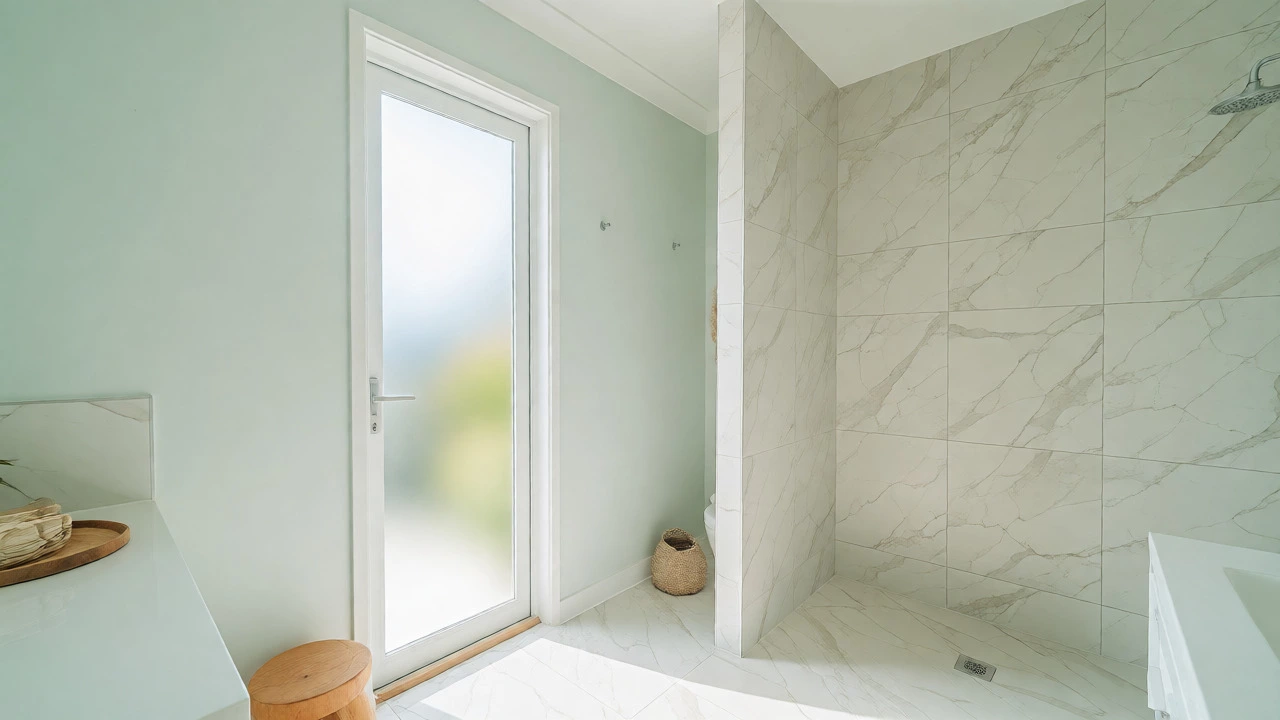
Living in Auckland, I notice Kiwi buyers appreciate functionality and natural light. Our older housing stock often means smaller bathrooms. Therefore, maximizing the sense of space is critical. White remains king here. However, there’s a growing trend toward "indoor-outdoor" flow. Using earthy neutrals like soft greens or taupes can connect the bathroom visually to the garden view outside, especially if you have a frosted glass door leading to a courtyard.
Also, humidity is a factor. Choose mold-resistant paints for bathrooms. Buyers inspect ceilings closely for water damage signs. A fresh coat of quality paint covers minor imperfections and signals that the home is dry and well-ventilated.
Does a white bathroom really increase home value?
While it may not add massive direct monetary value, a white or neutral bathroom significantly increases buyer appeal, which leads to faster offers and fewer price reductions. Data suggests neutral bathrooms can contribute to a 1-3% higher sale price compared to highly personalized or dark-colored ones.
What if my bathroom tiles are a weird color?
If the tiles are distinctively dated (like pink or green), consider replacing them or using a high-quality tile paint specifically designed for wet areas. Alternatively, lean into the retro aesthetic with matching vintage-style accessories. Painting over bad tile with standard wall paint often peels and looks cheap.
Should I match my bathroom color to the rest of the house?
Not necessarily. Bathrooms are transitional spaces. While cohesion is nice, each room can stand alone. Focus on making the bathroom look clean and spacious. As long as the overall home flows logically, the bathroom can have its own neutral palette.
Is gray still popular for bathrooms?
Yes, but specifically warm grays. Cool, blue-toned grays are falling out of favor because they can feel sterile. Warm greiges (gray-beige hybrids) are currently the top choice for modern yet cozy bathrooms.
Do accent walls work in small bathrooms?
Generally, no. Accent walls can make small rooms feel fragmented and smaller. If you want interest, use texture (like shiplap or subway tile patterns) or color through accessories like towels and rugs, rather than painting one wall a different shade.