Kitchen Work Triangle & Space Analyzer
1. Work Triangle Efficiency
Enter the distances (in feet) between your primary work centers. Ideal distances are between 4 and 9 feet per leg.
2. Counter Space Check
Check if you meet the minimum recommended workspace requirements.
Design Analysis Results:
Quick Takeaways for Your Remodel
- Prioritize the Work Triangle to minimize unnecessary steps.
- Mix task lighting with ambient light to avoid "dark spots" on your counters.
- Choose durable, non-porous surfaces like Quartz for high-traffic areas.
- Plan for "landing zones"-empty counter space next to your oven and fridge.
- Think about your specific habits (e.g., do you bake daily or mostly microwave?).
Mastering the Layout and the Work Triangle
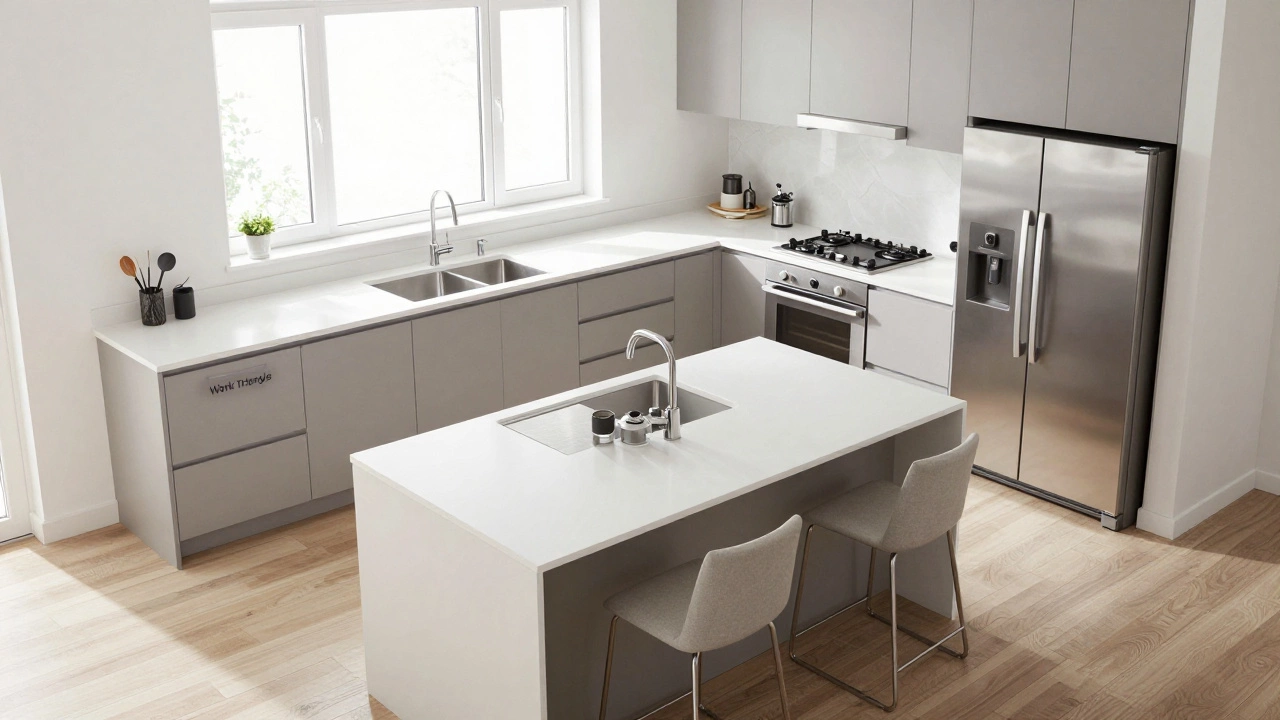
Before you pick a paint color, you have to get the bones right. In the world of kitchen design is the process of planning the spatial arrangement and aesthetic of a kitchen to optimize efficiency and style., the gold standard is the Work Triangle. This concept focuses on the distance between your sink, stove, and refrigerator. If the triangle is too tight, you'll feel cramped; if it's too wide, you'll spend your whole evening walking miles across your own floor. For most homes, the ideal distance between these three points is between 4 and 9 feet. If you have a large family, you might need a "Zone-Based" approach instead. This means creating a prep zone, a cooking zone, and a cleaning zone. For example, if you have a massive Kitchen Island, don't just use it for guests to lean on. Put a prep sink in it so you aren't constantly pivoting back to the main wall while chopping vegetables.| Layout Type | Best For... | Main Drawback |
|---|---|---|
| One-Wall | Small apartments/studios | No work triangle possible |
| Galley (Parallel) | Professional chefs/narrow spaces | Can feel like a tunnel |
| L-Shaped | Open-concept living areas | Corners can become "dead zones" |
| U-Shaped | Maximum storage and counter space | Can feel isolating for the cook |
Choosing Cabinets That Actually Last
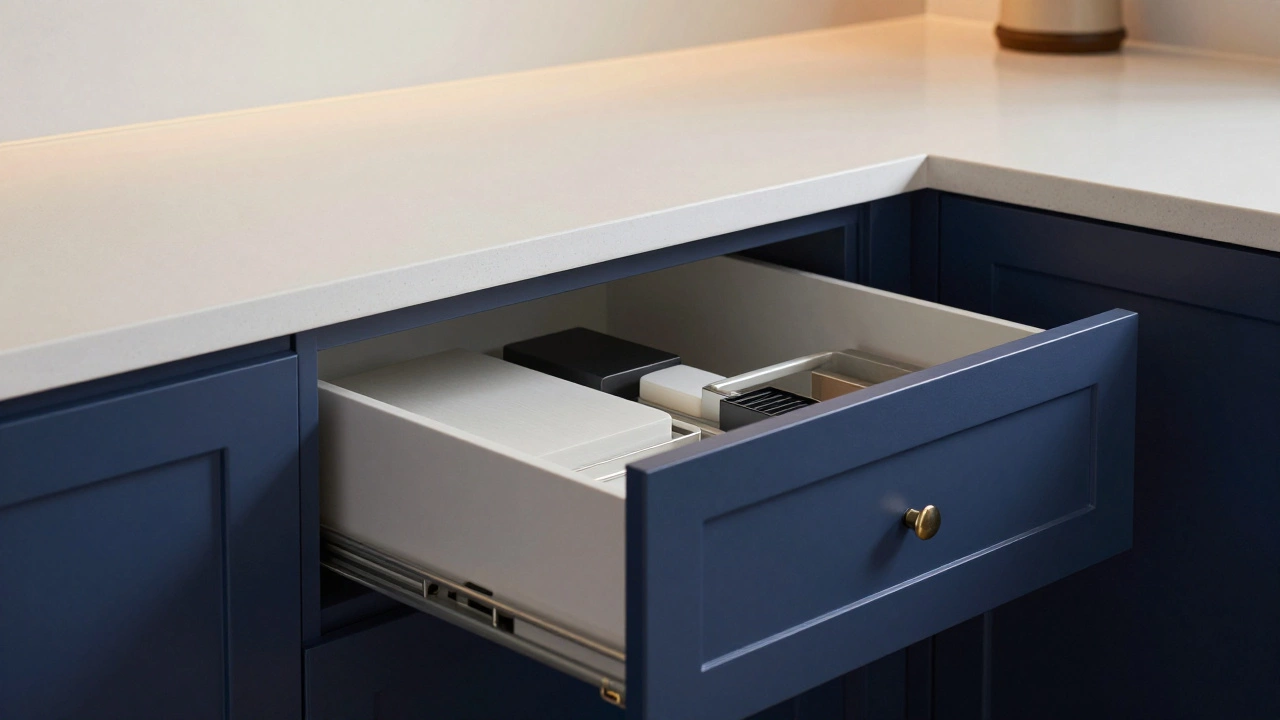
Cabinets are the most visible part of your kitchen and usually the most expensive. You'll likely choose between Custom Cabinets, which are built to your exact inch, and Semi-Custom Cabinets, which offer a few variations on standard sizes. But the real decision is the material. Solid wood is classic, but it can warp in high-humidity environments. Many designers now lean toward MDF (Medium Density Fiberboard) with a high-quality veneer or lacquer because it's more stable and doesn't shrink. If you're looking for a modern, sleek look, consider flat-panel doors. If you want something timeless, Shaker-style doors are the way to go because they fit into almost any decor trend and don't look dated after five years. Don't forget the internals. Instead of deep, dark cupboards where Tupperware goes to die, install pull-out drawers. Being able to pull a drawer out to see everything at once is a game-changer for organization. Also, consider "Lazy Susans" or magic corners for those awkward L-shaped intersections to ensure no square inch of space is wasted.The Countertop Battle: Aesthetics vs. Durability
Your countertops take a beating. From hot pans to spilled red wine, the material you choose will dictate how much you enjoy your kitchen. Quartz is currently the most popular choice because it's an engineered stone that doesn't require sealing. Unlike Granite, which has natural pits and veins that can absorb liquids, Quartz is non-porous and incredibly hard to stain. If you're a serious baker, you might consider a small section of butcher block or Marble. Marble is stunning and naturally cool, which is perfect for rolling out pastry dough, but be warned: it etches. A single squeeze of a lemon can leave a permanent mark on a marble slab. Here is a quick rule of thumb for choosing surfaces:- High Maintenance / High Beauty: Marble, Soapstone.
- Medium Maintenance / Natural Look: Granite, Quartzite.
- Low Maintenance / High Durability: Quartz, Stainless Steel.
Lighting Your Space for Safety and Mood
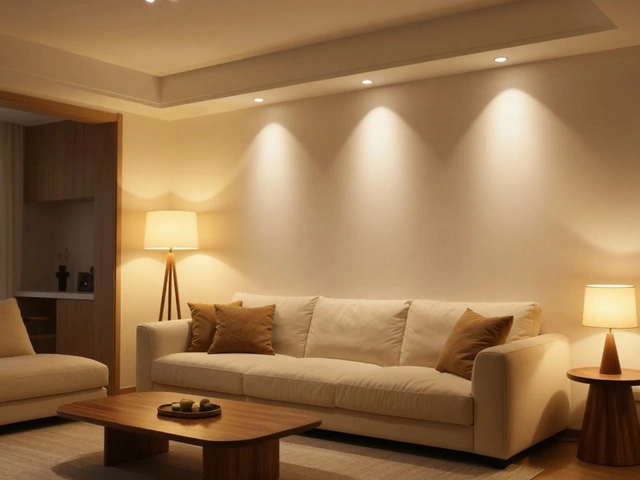
Most people make the mistake of putting one big light in the center of the ceiling and calling it a day. This creates shadows exactly where you're trying to cut your vegetables. To design a perfect kitchen, you need three layers of lighting. First is Task Lighting. This means LED strips under the upper cabinets that illuminate your workspace. This isn't just about looks; it's about safety. You don't want to be guessing where the knife is because your own body is blocking the ceiling light. Second is Ambient Lighting. This is your general overhead light, often achieved through recessed cans or a central fixture. A popular trend is using Pendant Lights over an island. These provide a soft glow and act as a visual anchor for the room. Finally, there's Accent Lighting. Think of small spotlights inside glass-front cabinets or toe-kick lighting that lets you find your way to the fridge at 3 AM without waking up the entire house. When installing these, put them on separate dimmers. You want bright, clinical light when cleaning, but a warm, low glow when you're hosting a dinner party.The Hidden Details: Ventilation and Plumbing
It's easy to obsess over the color of the backsplash, but if your ventilation is weak, your whole house will smell like fried fish for three days. A high-quality Range Hood should be vented to the outside. Recirculating hoods (the ones with a filter that just blows air back into the room) are rarely sufficient for heavy cooking. When it comes to plumbing, consider the sink's position. Placing the sink in front of a window is a classic for a reason-it gives you something to look at while doing dishes. But if you have the space, a secondary "prep sink" in the island prevents the main sink from becoming a bottleneck when two people are working in the kitchen. Also, think about your appliance placement. Put the dishwasher as close to the sink as possible to avoid dripping water across the floor. Ensure your refrigerator has enough clearance to open its doors fully without hitting a wall or a cabinet.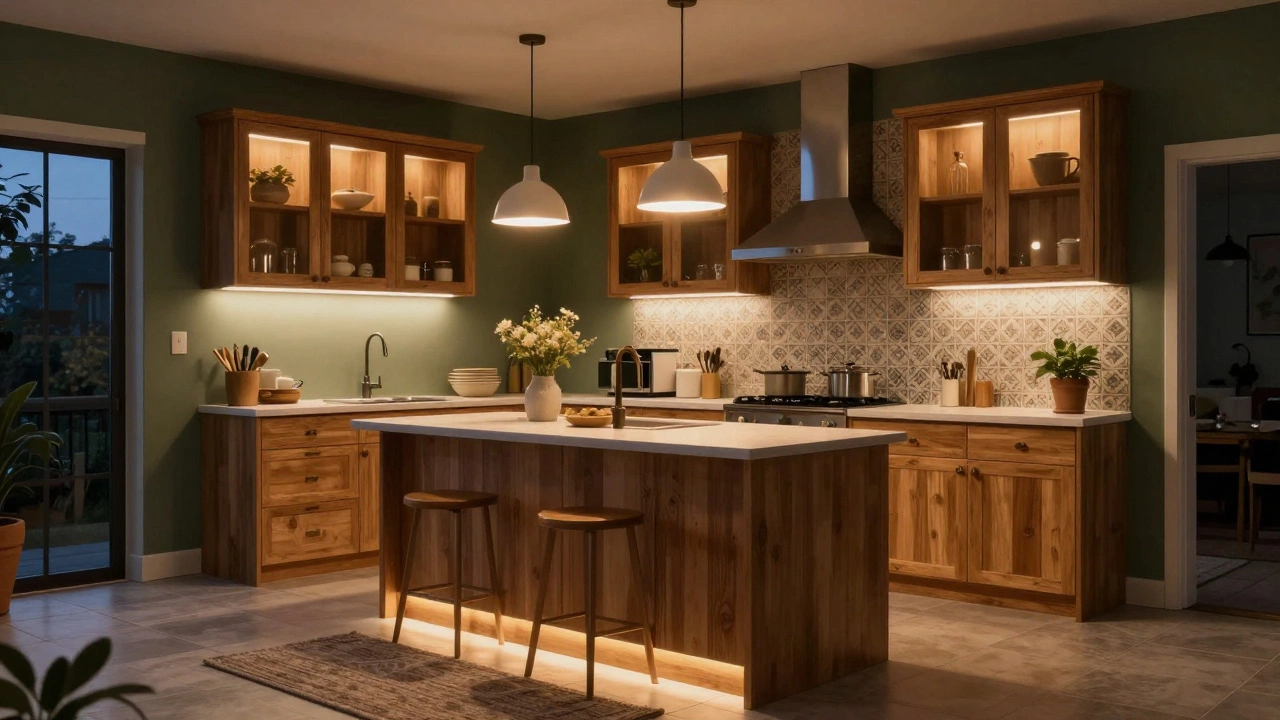
Finalizing the Aesthetic: Colors and Textures
Now that the layout and materials are set, you can focus on the look. The trend is moving away from the all-white "clinical" kitchen and toward warmer, more organic tones. Earthy greens, deep navy blues, and natural wood grains are making a comeback. If you're worried about picking a color you'll hate in two years, keep the permanent fixtures (cabinets, counters) neutral and add personality through the backsplash. A patterned tile or a bold color in the backsplash is easy to change later compared to painting 30 cabinet doors. Mix your textures to keep the room from feeling flat. If you have glossy quartz counters, pair them with matte cabinets and a textured runner rug. This contrast creates a sense of depth and makes the room feel professionally designed rather than like a showroom.How much counter space do I actually need?
While it depends on your cooking style, most households need at least 36 inches of uninterrupted workspace for primary meal prep. You should also ensure you have "landing zones"-at least 15 inches of clear space next to the stove and refrigerator for placing hot pans or groceries.
Is an open-concept kitchen always better?
Not necessarily. While open-concept layouts make the home feel larger and better for socializing, they also let noise and cooking smells travel into the living room. If you do a lot of heavy frying or have a noisy dishwasher, consider a half-wall or a strategic island to create a psychological boundary.
What is the most durable flooring for a kitchen?
Porcelain tile is generally the most durable and water-resistant option. However, luxury vinyl plank (LVP) has become popular because it's softer underfoot than tile and mimics the look of hardwood while being completely waterproof.
Should I choose a gas or induction stove?
Gas is preferred by many professional chefs for the precise flame control. However, induction cooktops are faster, safer (the surface stays cool), and much easier to clean. Induction is also better for indoor air quality as it doesn't release combustion byproducts.
How do I handle a small kitchen layout?
In small spaces, maximize verticality. Install cabinets that go all the way to the ceiling to store items you only use once a year. Use magnetic knife strips or hanging pot racks to clear up valuable counter space.