Roofing Labor Cost Estimator
Total Estimated Price
Most homeowners panic when they hear a roofer quote them an hourly rate. It feels like opening your wallet to a ticking clock. You might wonder if the contractor is padding the bill or if you’re getting ripped off. The truth is, roofing is rarely sold by the hour for big jobs. However, understanding these rates helps you spot bad estimates and negotiate better deals for repairs.
In 2026, the national average for roofing labor cost per hour sits between $50 and $150. But that number changes drastically depending on whether you live in a high-cost city like San Francisco or a rural area in the Midwest. It also depends on the complexity of your roof. A flat shed roof is cheap; a steep, multi-story Victorian with chimneys and skylights is expensive. Let’s break down exactly what you are paying for and how to avoid surprise charges.
The Myth of Hourly Roofing Rates
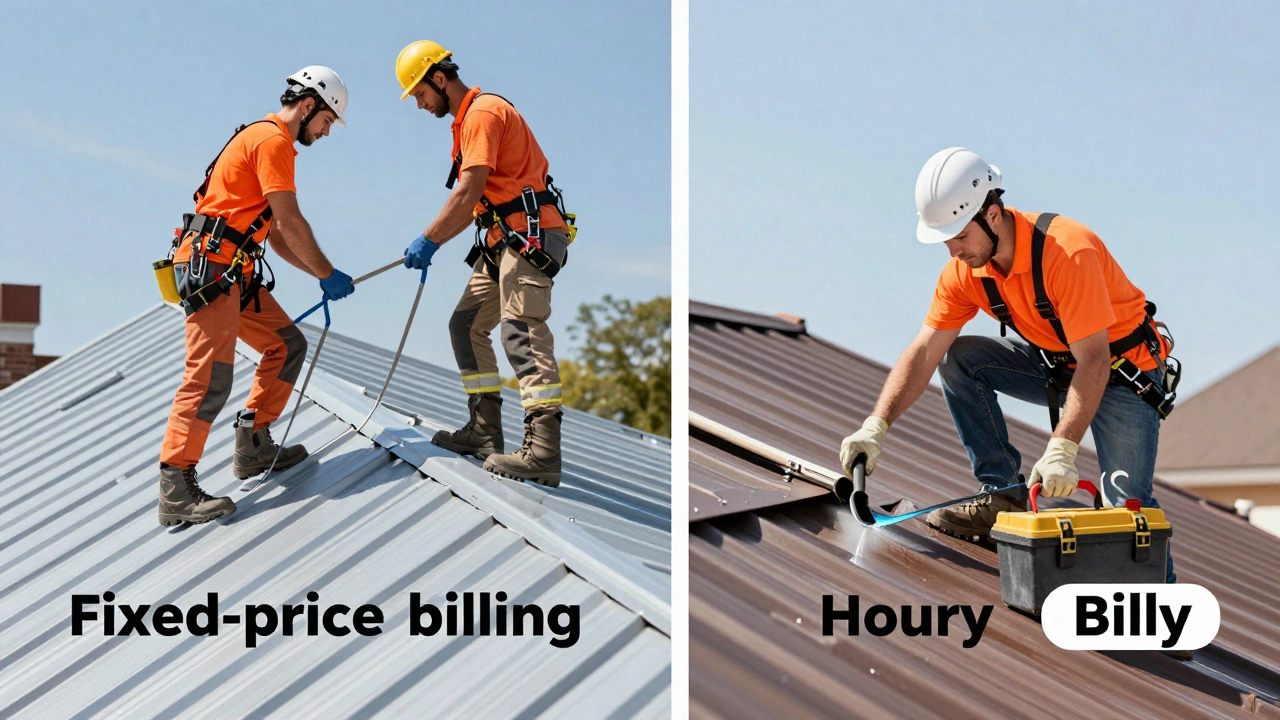
First, let’s clear up a major misconception. If you need a full roof replacement, no reputable contractor will charge you by the hour. They use "square" pricing. One square equals 100 square feet of roof area. This method protects you. If the crew works fast because they are skilled, you pay less. If they work slow because they are disorganized, you still pay the same agreed-upon price.
Hourly rates only apply in specific scenarios:
- Small Repairs: Fixing a leak, replacing a few shingles, or sealing flashing.
- Consultations and Inspections: Some companies charge for detailed diagnostic visits.
- Emergency Services: After-hours storm damage assessments often carry premium hourly fees.
- Complex Custom Work: Installing intricate architectural details where time varies wildly.
If a contractor quotes you an hourly rate for a full re-roof, run. That is a red flag. It means they have no idea how long it will take, or they plan to drag their feet to maximize profit. Always ask for a fixed-price bid for large projects.
What Drives Up the Hourly Rate?
When you do encounter an hourly rate, several factors push the needle higher. It isn’t just about the worker swinging a hammer. It’s about risk, skill, and equipment.
Skill Level is the biggest driver. A journeyman roofer with ten years of experience commands a higher wage than an apprentice. In 2026, experienced crews charge more because they make fewer mistakes. A mistake in roofing leads to leaks, which lead to mold and structural rot. Paying for expertise saves money in the long run.
Roof Pitch and Height directly impact safety requirements. Steep roofs require special harnesses, scaffolding, and slower, more careful movement. A roof with a pitch over 6:12 (six inches of rise for every twelve inches of run) is considered steep. Contractors add a hazard premium to their hourly rate for these jobs. Multi-story homes also require larger ladders or lifts, which adds rental costs to the labor bill.
Location matters immensely. Labor costs in New York City, Los Angeles, or Seattle can be double those in Ohio or Texas. Local living wages, union regulations, and insurance costs vary by state. If you are in Auckland or Sydney, local market rates apply, but the principle remains: urban centers cost more.
Average Hourly Rates by Job Type
To give you a concrete picture, here is how hourly rates break down across different types of roofing work in 2026. These figures include labor only; materials are extra.
| Job Type | Low End ($/hr) | High End ($/hr) | Notes |
|---|---|---|---|
| Minor Leak Repair | $50 | $85 | Often includes a minimum 1-2 hour call-out fee. |
| Shingle Replacement | $60 | $100 | Depends on accessibility and shingle type. |
| Steep Roof Work | $90 | $150 | Premium for safety gear and slower pace. |
| Metal Roof Installation | $75 | $120 | Requires specialized skills and tools. |
| Flat Roof (TPO/EPDM) | $65 | $110 | Faster installation but precise sealing needed. |
| Emergency After-Hours | $120 | $200+ | Night, weekend, or holiday rates. |
Notice the jump for emergency services. If your roof caves in during a hailstorm at midnight, you will pay a premium. Keep a tarp handy and know how to secure minor leaks yourself to avoid these fees unless absolutely necessary.
Labor vs. Materials: The Real Cost Breakdown
When looking at total project costs, labor usually accounts for 40% to 60% of the bill. For a standard asphalt shingle roof, materials might cost $3 to $5 per square foot, while labor adds another $3 to $5 per square foot. However, for complex materials like slate, clay tile, or standing-seam metal, labor can exceed material costs. Why? Because installing slate requires precision. One cracked tile means starting over. The skill barrier is high.
Consider this scenario: You are comparing two bids for a metal roof. Bidder A charges $80/hour but takes 40 hours. Bidder B charges $120/hour but finishes in 25 hours. Bidder A totals $3,200 in labor. Bidder B totals $3,000. The faster, more expensive crew actually saved you money. Speed comes from experience, not rushing. Experienced crews know exactly where to place fasteners, how to handle seams, and how to work efficiently without cutting corners.
Hidden Costs That Aren't Hourly
Even if you agree on an hourly rate, other fees can creep into the invoice. Be aware of these common add-ons:
- Tear-Off Fees: Removing old layers of roofing is heavy, dirty work. Some contractors charge a flat fee per square for disposal and landfill dumping. Others bundle it into the hourly rate. Clarify this upfront.
- Decking Repair: Once the old roof is gone, the underlying wood (plywood or OSB) is exposed. If it’s rotted, it must be replaced. This is almost always billed separately, either by the sheet or as part of the labor estimate. Never assume the decking is good until it’s inspected.
- Permitting: Most cities require building permits for roof replacements. The contractor may pass this cost to you, typically ranging from $50 to $500 depending on your municipality.
- Scaffolding and Equipment: For tall or complex homes, renting scaffolding can cost hundreds of dollars. Ask if this is included in the labor quote.

How to Negotiate Better Rates
You don’t have to accept the first number thrown at you. Here is how to get a fair deal:
- Get Three Quotes: Never hire based on one estimate. Compare the scope of work, not just the bottom line. A low bid might exclude tear-off or underlayment.
- Ask for Square Pricing: For repairs larger than a few squares, insist on a fixed price per square. This removes the incentive for the contractor to linger.
- Check Off-Season Discounts: Roofing is seasonal. In many regions, late autumn or early spring offers lower rates because demand drops. Avoid summer peaks if possible.
- Bundling Services: If you need gutter cleaning, chimney flashing repair, and a new roof, ask for a package discount. Contractors save on mobilization costs when they do multiple tasks at once.
- Verify Insurance and Licensing: Cheap hourly rates often mean uninsured workers. If a worker gets hurt on your property, you could be liable. Always verify general liability and workers' compensation insurance.
Red Flags to Watch For
Some pricing practices are warning signs of scams or poor quality. Watch out for:
- Door-to-Door Salesmen: Legitimate companies rarely knock on doors after storms. They wait for calls. Door-knockers often use high-pressure tactics and inflated hourly rates.
- Cash-Only Discounts: While some small operators offer this, it’s often a way to avoid taxes and insurance. It leaves you unprotected if something goes wrong.
- Vague Estimates: An estimate that says "$50/hour for roof work" without defining the scope is useless. Demand a written breakdown of tasks, materials, and expected duration.
- No Written Contract: Never start work without a signed agreement detailing payment terms, warranty, and timeline.
Conclusion: Value Over Price
Knowing how much roofing companies charge per hour gives you leverage, but it shouldn’t be your only metric. The cheapest hourly rate often leads to the most expensive repairs down the road. Look for contractors who value transparency, provide fixed bids for large jobs, and stand behind their work with solid warranties. Your roof is the first line of defense against the elements. Investing in skilled, fairly compensated labor ensures it stays watertight for decades.
Do roofing companies charge by the hour or by the square?
For full roof replacements, reputable companies charge by the square (100 sq ft). Hourly rates are typically reserved for small repairs, inspections, or emergency services. Fixed pricing protects you from delays and inefficiencies.
Why is my roofing quote so high compared to others?
Higher quotes often reflect better materials, stronger warranties, proper licensing, and insurance coverage. Low bids may exclude tear-off, decking repair, or permit fees. Always compare the scope of work, not just the final price.
Is it cheaper to repair or replace my roof?
If your roof is less than 15 years old and has isolated damage, repair is cheaper. If it’s older, has widespread wear, or needs frequent fixes, replacement is more cost-effective long-term. Rule of thumb: if repairs exceed 30% of replacement cost, go for replacement.
Can I negotiate the hourly rate with a roofer?
Yes, especially for smaller jobs. However, skilled labor markets are tight in 2026. Instead of haggling over hourly rates, negotiate for fixed pricing or bundled services to get better overall value.
What questions should I ask before hiring a roofer?
Ask: Are you licensed and insured? Do you offer a manufacturer’s warranty and a workmanship warranty? Will you pull the necessary permits? What is included in the tear-off process? Can you provide references from recent jobs in my area?