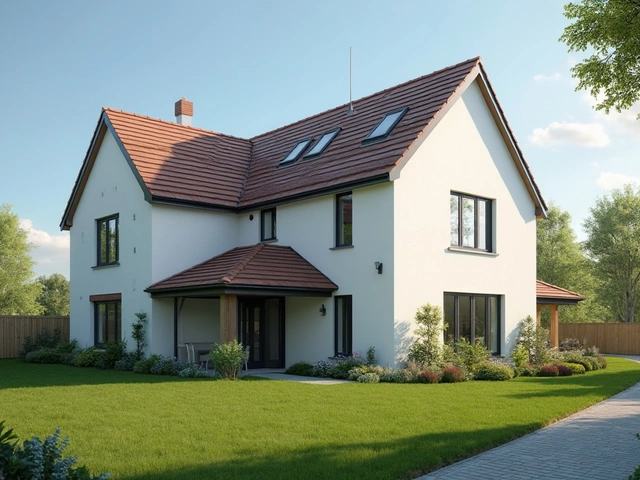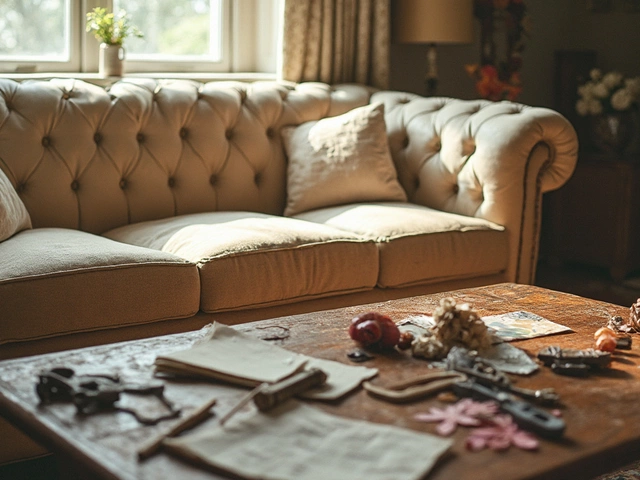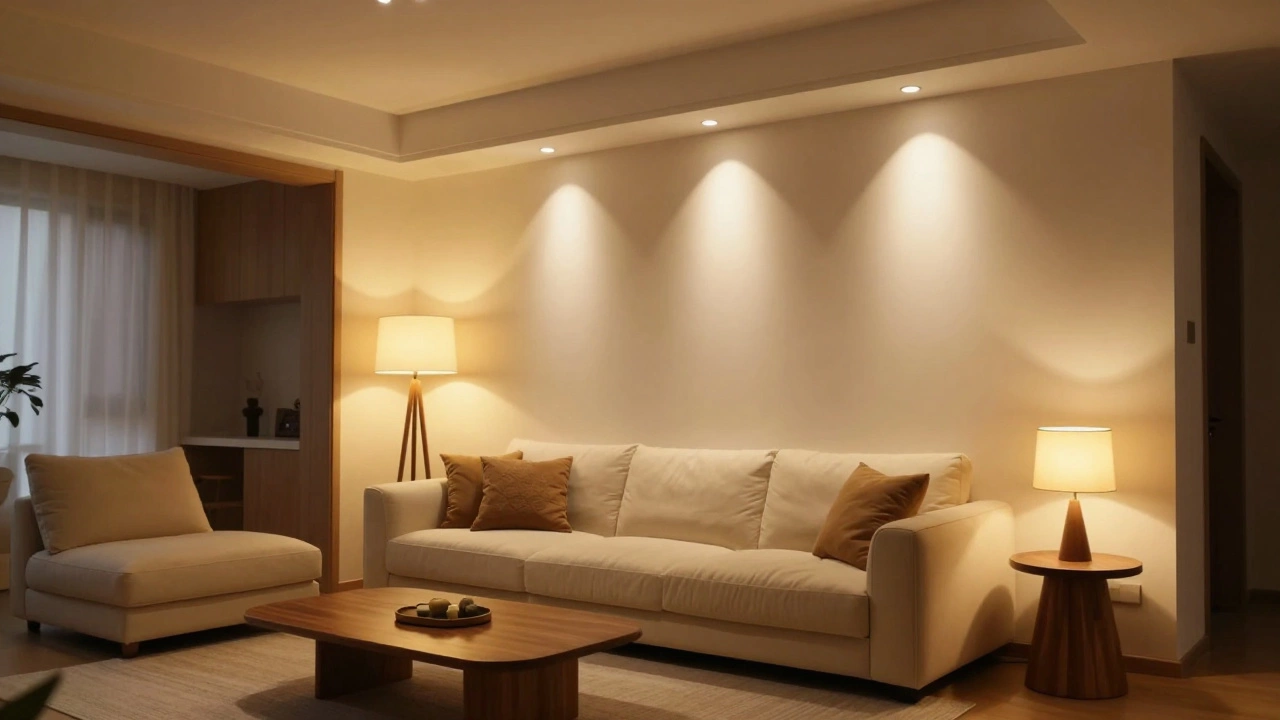
Home Lighting Simulator
Visual approximation of lighting effect
Adjust Settings
Staging Recommendation:
This setting creates a warm, inviting atmosphere perfect for living areas.
You’ve cleaned every corner. You’ve painted the walls that neutral shade everyone loves. But when you flip on the lights, the house feels... flat. Or worse, it looks like an interrogation room. Here’s the hard truth: bad lighting kills sales faster than a cracked foundation. Buyers don’t just see your home; they feel it. And light is the primary driver of that feeling.
If you are listing your property in 2026, you need to treat lighting as a structural element, not an afterthought. The best light for selling a house isn't about buying expensive chandeliers. It is about temperature, placement, and layering. Get this right, and your home will look larger, cleaner, and more inviting. Get it wrong, and even a renovated kitchen can look dingy and dated.
Why Lighting Changes Everything in Real Estate
Lighting does two things: it reveals space and it sets mood. In real estate, "mood" translates to "livability." A dark hallway feels dangerous or cramped. A brightly lit living room feels social and open. When buyers walk through, their brains process these signals instantly. If the light is too cold, the home feels sterile. If it is too dim, it feels neglected.
Consider the impact on photos. Most buyers start their search online. If your listing photos are grainy, shadowed, or washed out by harsh flashes, they scroll past. Good ambient lighting allows photographers to capture the true scale and texture of your rooms. It makes hardwood floors gleam rather than reflect glare, and it ensures countertops look spacious instead of cluttered with shadows.
The Golden Rule: Color Temperature Matters
This is where most homeowners make a mistake. They stick with whatever bulbs came with the house. Often, these are old fluorescent tubes or mismatched LEDs. To sell a house, you need consistency. Specifically, you need warm white lighting.
| Temperature (Kelvin) | Visual Effect | Best Use Case |
|---|---|---|
| 2700K - 3000K | Warm, cozy, inviting | Living rooms, bedrooms, dining areas |
| 3500K - 4000K | Bright, clean, neutral | Kitchens, bathrooms, offices |
| 5000K+ | Cold, blue, clinical | Avoid for staging (looks like a hospital) |
Stick to 2700K to 3000K for general living spaces. This mimics natural sunset light, which triggers a psychological sense of comfort. For kitchens and bathrooms, you can push up to 3500K or 4000K. These areas benefit from slightly brighter, crisper light that highlights cleanliness and task surfaces. Never mix temperatures in the same line of sight. A warm living room next to a blue-toned kitchen creates visual dissonance that buyers notice immediately.
Layering Your Light Sources
Never rely on a single overhead fixture. That is the fastest way to create harsh shadows under eyes and around furniture. Instead, use three layers of light:
- Ambient Light: This is your base layer. Ceiling recessed lights, chandeliers, or flush mounts provide general illumination. Ensure every room has at least one working overhead source.
- Task Light: These focus on specific activities. Under-cabinet lights in the kitchen, vanity lights in the bathroom, or a desk lamp in the study. They show functionality.
- Accent Light: These add depth. Floor lamps in corners, table lamps on side tables, or picture lights above artwork. They break up large wall spaces and make rooms feel finished.
In a typical Auckland home, I recommend turning on every single lamp before an open home. If you have five floor lamps, turn them all on. It sounds excessive, but it fills the voids that overhead lights miss. The goal is to eliminate dark corners completely.
Room-by-Room Lighting Strategy
Different rooms serve different purposes, so your lighting strategy should shift accordingly.
The Kitchen: The Heart of the Sale
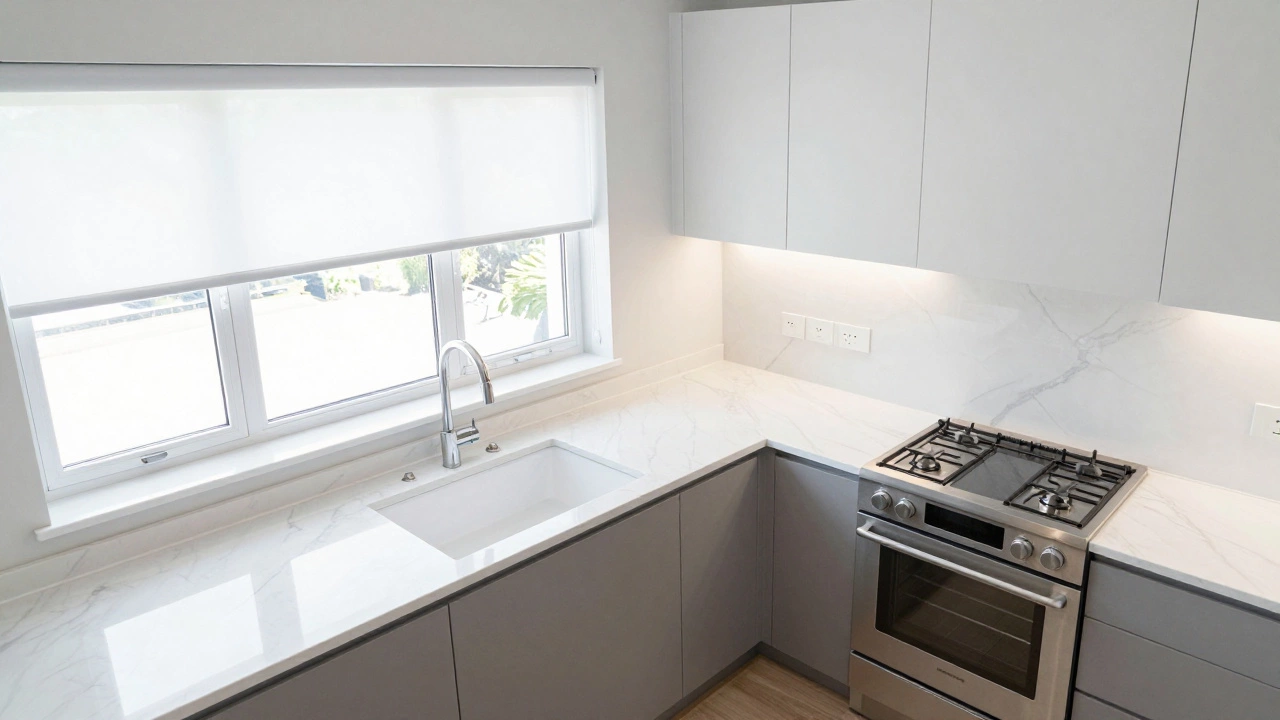
The kitchen is often the deal-breaker. Buyers want to see how well they can cook here. Install under-cabinet LED strips if you don’t have them. They illuminate countertops evenly, making prep areas look wider and safer. Swap any yellowing halogen pot lights for bright, cool-white LEDs (4000K). Clean your glass cabinet doors thoroughly; dirty glass diffuses light poorly and looks grimy.
The Living Room: Comfort First
Here, you want warmth. Use 2700K bulbs in all fixtures. Place a floor lamp behind the sofa to wash light onto the back wall. This prevents the sofa from casting a heavy shadow and makes the room feel deeper. If you have a fireplace, consider a small accent light nearby to draw the eye to the focal point.
Bathrooms: Clarity and Cleanliness
Bathroom lighting is tricky because mirrors reflect everything. Avoid placing lights directly above the mirror unless they are wide enough to cover the entire face. Side sconces are better as they reduce shadows under the eyes and chin. Use moisture-rated bulbs. Ensure the exhaust fan works; steam fogs up lights and makes the room feel humid and unclean.
Bedrooms: Restful Ambiance
Bedrooms should feel like sanctuaries. Dimmer switches are a huge plus here. If you don’t have them, use lower-wattage bulbs (or lower-lumen LEDs) to keep the light soft. Bedside lamps are essential. They frame the bed and create symmetry, which appeals to the human eye’s preference for order.
Natural Light: The Ultimate Seller
No artificial light beats sunlight. On the day of the open home or photo shoot, remove all heavy curtains. Replace them with sheer blinds or leave windows bare if privacy allows. Open every blind and shutter an hour before viewing time to let dust settle and air circulate.
Check your windows. Smudged fingerprints block up to 20% of incoming light. Wipe them down inside and out. If you have outdoor plants blocking windows, trim them back. Natural light sells the potential of the space, showing buyers how big the room really is.
Common Mistakes to Avoid
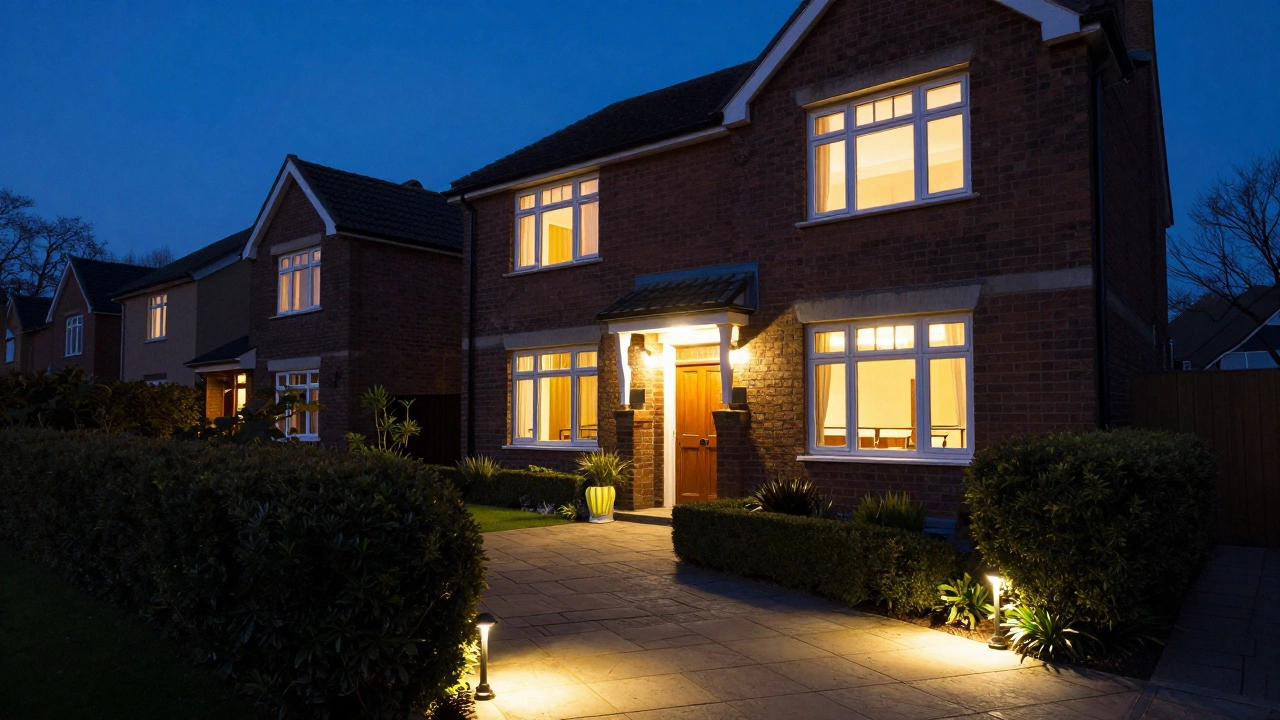
Even with good intentions, some habits hurt your sale. Don’t leave neon signs, colored LED strips, or smart bulbs set to "party mode." Buyers want a blank canvas, not a nightclub. Remove any broken fixtures. A hanging bulb socket screams neglect. Finally, check your outdoor lighting. Pathway lights and porch lights guide buyers safely and warmly into the home. A dark exterior feels unwelcoming and insecure.
Quick Checklist Before Listing
- Replace all burnt-out bulbs with high-quality LEDs.
- Standardize color temperature (2700K-3000K for living, 3500K-4000K for tasks).
- Clean all light fixtures, shades, and globes. Dust dims light significantly.
- Remove bulky lampshades that trap light; opt for clear or translucent shades.
- Ensure every room has multiple light sources turned on during viewings.
- Wash all windows and remove window treatments that block light.
Lighting is cheap insurance for a high-value asset. Spending a few hundred dollars on bulbs and minor fixes can increase perceived value by thousands. It transforms a house from a structure into a home. Treat it with the same care as your paint color, and you’ll see the difference in buyer interest.
Should I use smart bulbs for selling my house?
Yes, but only if you control them manually. Smart bulbs allow you to adjust brightness and color temperature remotely. Set them to a consistent warm white before buyers arrive. However, do not advertise them as a feature unless they are hardwired into the system. Buyers may worry about compatibility or setup complexity. Keep it simple: bright, warm, and consistent.
How many lumens do I need for each room?
Aim for 50-100 lumens per square foot for general living areas. Kitchens and bathrooms require more, around 70-80 lumens per square foot for task lighting. For example, a 10x12 foot living room (120 sq ft) needs roughly 6,000-12,000 total lumens distributed across multiple fixtures. Don't rely on one bright bulb; spread the load to avoid glare.
Can I sell my house with outdated fixtures?
You can, but it helps to update them if they are visibly dated. A 1970s brass chandelier might clash with modern finishes. If budget is tight, clean existing fixtures thoroughly and ensure they have new, bright bulbs. Sometimes, a fresh coat of paint on a metal fixture can modernize it. Prioritize function over style; a clean, bright light is better than a stylish, dim one.
Does outdoor lighting affect the sale price?
Indirectly, yes. Outdoor lighting enhances curb appeal, which is the first impression buyers get. Well-lit pathways suggest safety and maintenance. Warm-colored outdoor bulbs (2700K) create a welcoming atmosphere. Ensure motion sensors work correctly so the house doesn't go pitch black at night. It adds to the perception of a secure, cared-for property.
What is the best time of day for real estate photos?
The "golden hour"-shortly after sunrise or before sunset-is ideal. The light is soft, diffuse, and warm, reducing harsh shadows. However, for interior shots, midday is often better because it provides balanced natural light through windows without strong directional shadows. Coordinate with your photographer to schedule shoots when the sun is highest for the brightest interiors.