Refrigerator Clearance Checker
Enter your available space measurements below to ensure your fridge stays cool and efficient.
Measurements (Inches)
Analysis Results
Enter your measurements and click "Check Clearance" to see if your setup is safe.
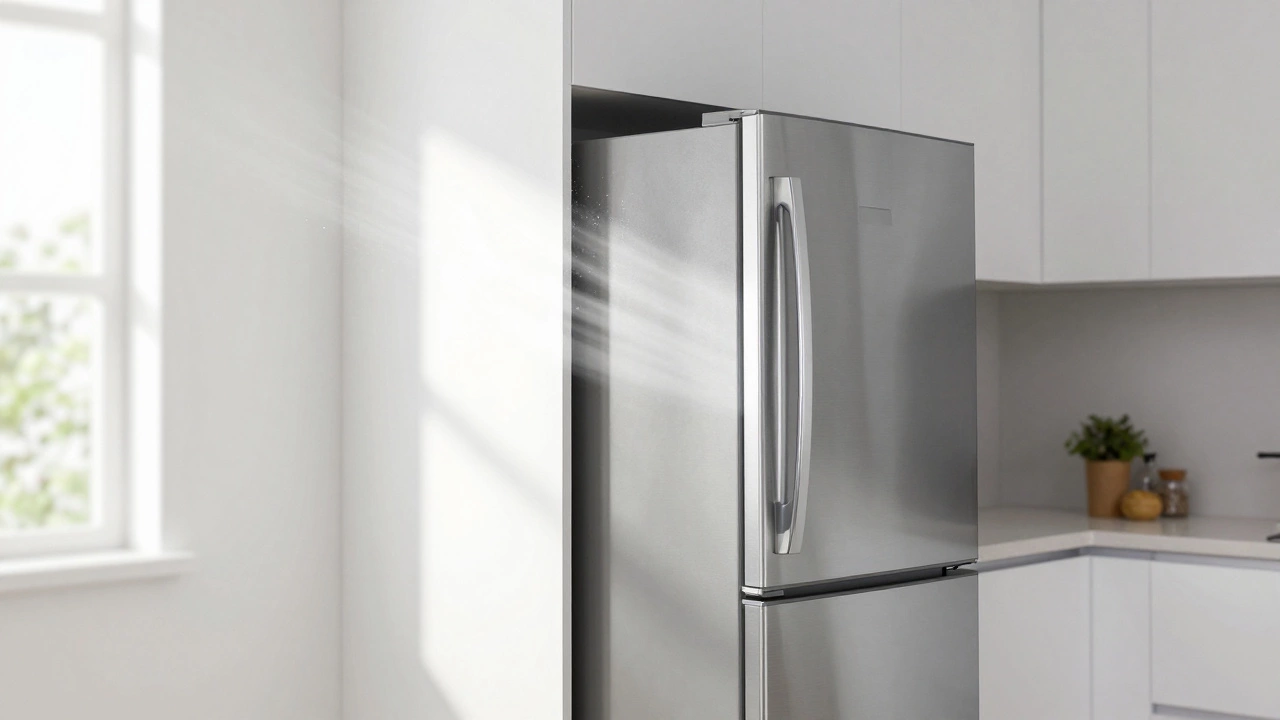
You’ve just bought that sleek, stainless steel refrigerator is a large household appliance used for preserving food and beverages by cooling them to temperatures below ambient room temperature. It looks amazing in the showroom. You imagine it sliding perfectly into your kitchen nook. But before you push it flush against the wall, stop. That instinct to maximize every inch of floor space is natural, but ignoring the gap behind your fridge can lead to higher energy bills, premature compressor failure, or even a fire hazard.
The short answer? No, your fridge should not be pushed completely flat against the wall. It needs breathing room. But how much? And does it matter if it’s built-in or freestanding? Let’s break down the exact measurements you need to keep your food cold and your wallet happy.
Why Airflow Matters More Than You Think
Your refrigerator isn’t just a cold box; it’s a heat pump. Its job is to move heat from inside the cabinet to the outside air. Most modern fridges use a condenser coil is a component of a refrigeration system that releases absorbed heat to the surrounding environment. located either on the back panel or along the bottom front grille. If you block these coils, the heat has nowhere to go.
When heat gets trapped, the compressor-the heart of the fridge-has to work overtime. This creates a vicious cycle:
- Higher Energy Bills: A struggling compressor draws more electricity. The U.S. Department of Energy notes that poor ventilation can increase energy consumption by up to 10-20%.
- Shorter Lifespan: Compressors are expensive to replace. Running them at maximum capacity constantly wears out the motor faster.
- Poor Cooling Performance: If the heat doesn’t escape, the interior temperature rises. Your milk might spoil faster than expected, and ice cream could turn slushy.
Think of it like running a marathon in a heavy winter coat. You’ll get the job done, but you’ll exhaust yourself quickly. Your fridge deserves better.
The Golden Rule: How Much Space Do You Need?
If you’re installing a standard freestanding model, there are general industry standards you should follow. These aren’t just suggestions; they’re based on thermal dynamics and safety codes.
| Siding | Minimum Clearance | Why It Matters |
|---|---|---|
| Back | 1-2 inches (2.5-5 cm) | Allows hot air to rise and dissipate from rear condenser coils. |
| Sides | 0.5-1 inch (1.25-2.5 cm) | Prevents heat buildup between units and allows door swing clearance. |
| Top | 1-2 inches (2.5-5 cm) | Facilitates upward airflow and makes cleaning easier. |
However, "minimum" isn't always "optimal." If your kitchen gets very warm, or if you have a high-end model with a dual compressor, aim for the upper end of those ranges. Always check your specific user manual. Manufacturers like Samsung, LG, and Whirlpool often specify exact requirements for their models. Ignoring these specs can void your warranty.
Built-In vs. Freestanding: The Big Difference
Not all fridges are created equal when it comes to placement. If you’re looking at a built-in refrigerator is a kitchen appliance designed to be installed within cabinetry, offering a seamless look while managing heat differently than freestanding models., the rules change completely.
Built-in models are engineered to vent heat through the front kickplate or specialized side channels. They often come with a trim kit that seals the gap between the fridge and the cabinets. For these units, pushing them flush against the wall (or rather, the cabinet frame) is actually correct. In fact, leaving a gap would look terrible and defeat the purpose of the integrated design.
But here’s the catch: built-ins are significantly more expensive. They cost anywhere from $2,000 to $8,000+, compared to $800-$2,500 for a good freestanding unit. If you’re on a budget, stick with freestanding and respect the clearance gaps. Don’t try to force a freestanding fridge into a built-in niche without proper ventilation modifications-it’s a recipe for disaster.

Common Mistakes That Kill Your Fridge
I’ve seen plenty of kitchens where the fridge was installed incorrectly. Here are the most common pitfalls to avoid:
- The "Shoebox" Effect: Placing the fridge in a tight alcove with no side clearance. If you have two fridges next to each other (yes, some people do), ensure at least half an inch of space between them. Heat radiating from one will cook the other.
- Carpet Coverage: Never place a fridge directly on carpet without a solid platform. Carpet traps heat and restricts airflow at the base. Use a piece of plywood or a dedicated fridge pad.
- Blocking the Vents: Some models have vents on the sides. If you install decorative panels too close to the sides, you choke the airflow. Measure twice, cut once.
- Ignoring Door Swing: Even if the back has space, if the side clearance is too tight, the door might hit the adjacent cabinet when opened fully. This prevents you from accessing shelves properly and can damage the hinges over time.
What About Smart Fridges and Water Dispensers?
Modern appliances add another layer of complexity. If your fridge has a water dispenser or ice maker, you need to consider the water line connection is the plumbing link that supplies fresh water to the refrigerator's internal reservoir for drinking and ice production.. Usually, this connects at the back. If you push the fridge too hard against the wall, you might kink the line or strain the connection, leading to leaks. Leave enough slack in the tubing so the fridge can be pulled out slightly for maintenance.
Also, smart fridges with external displays generate additional heat from the electronics. While minor, it adds to the thermal load. Ensure the back panel isn’t touching drywall or insulation materials that could degrade over time due to sustained warmth.
Maintenance Tip: Clean Those Coils!
Even with perfect clearance, dust and pet hair will accumulate on the condenser coils. This acts as an insulator, trapping heat just like a thick blanket. How often should you clean them? Every six months is a good rule of thumb.
If your coils are on the back, pull the fridge out (using your calculated clearance space!) and vacuum them gently. If they’re on the bottom, remove the front grille and use a long brush attachment. This simple task can restore efficiency and save you money instantly.
Final Checklist Before You Push It In
Before you settle your new fridge into its home, run through this quick list:
- Check the Manual: Find the installation section. Note the specific clearance requirements for your model.
- Measure the Niche: Width, depth, and height. Remember to account for the door handles-they often stick out further than the body of the fridge.
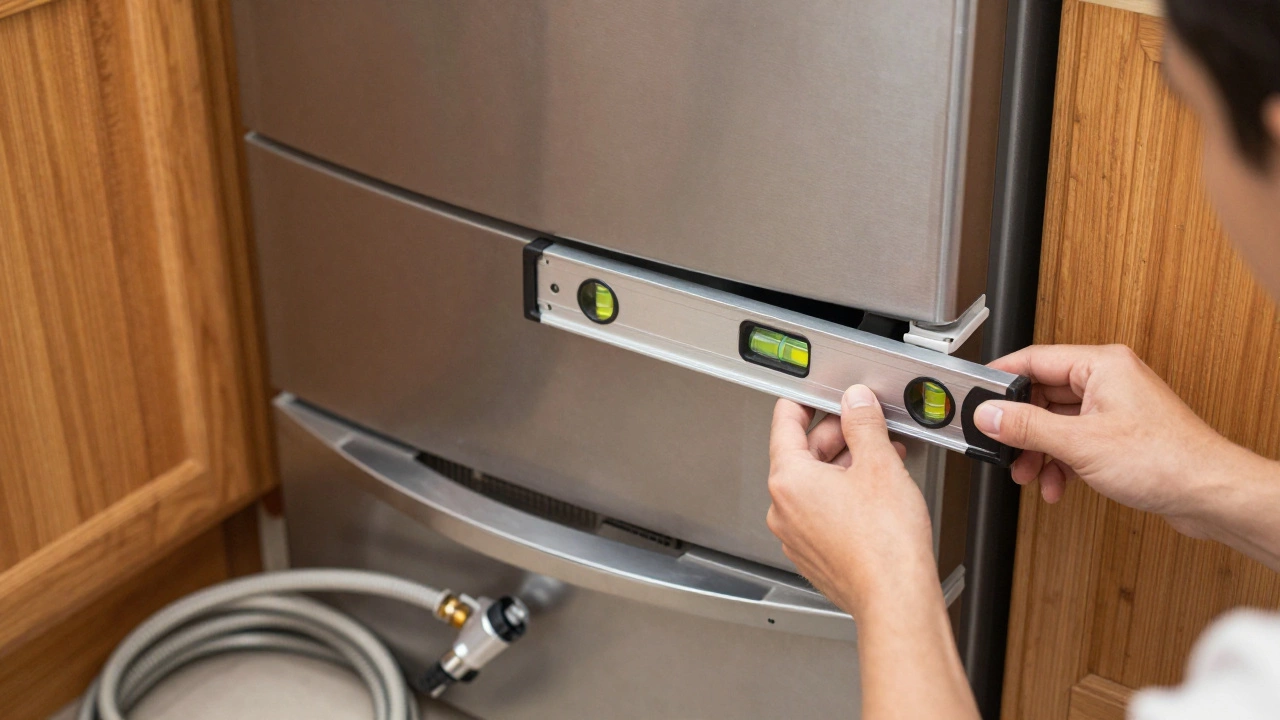
- Level It:** A fridge that isn’t level won’t seal properly. The doors might not close automatically, causing cold air to escape. Use a spirit level and adjust the front feet.
- Leave Access: Can you reach the power cord? Can you access the water filter? If not, rearrange.
- Test the Door: Open it fully. Does it hit anything? Does it stay open if you let go? (It shouldn’t).
Getting the placement right isn’t just about aesthetics; it’s about functionality and longevity. A little bit of empty space behind your fridge pays off in cooler food and lower bills. Don’t skimp on the gap.
Can I put my fridge directly against the wall?
No, you should not push a freestanding fridge flush against the wall. It requires at least 1-2 inches of clearance at the back for ventilation. Blocking this space causes the compressor to overwork, leading to higher energy bills and potential mechanical failure. Built-in models are an exception as they are designed to vent heat differently.
How much space do I need on the sides of the fridge?
You typically need at least 0.5 to 1 inch of space on each side. This allows for air circulation and ensures the doors can open fully without hitting adjacent cabinets. If you are placing two appliances side-by-side, maintain this gap between them to prevent heat transfer.
Does the type of flooring affect fridge placement?
Yes. Avoid placing a fridge directly on carpet, as it traps heat and restricts airflow at the base. Instead, use a solid platform like plywood or a specialized fridge pad. Hardwood, tile, or vinyl floors are ideal as they allow for better heat dissipation.
What happens if I don't leave enough clearance?
Insufficient clearance leads to poor ventilation, causing the compressor to run continuously. This results in increased electricity costs, reduced cooling efficiency, and a shorter lifespan for the appliance. In extreme cases, it can cause overheating and fire hazards.
Do built-in refrigerators need clearance?
Built-in refrigerators are designed to be installed flush with cabinetry. They vent heat through the front kickplate or specialized side channels, so they do not require the same rear clearance as freestanding models. However, you must follow the manufacturer's specific installation guidelines for the trim kit and ventilation paths.