Budget Bedroom Makeover Planner
Select Your Upgrades
Toggle items you want to include in your makeoverYour Budget Plan
Walking into your bedroom should feel like exhaling. It’s the one room where you shut the door and leave the world behind. But let’s be honest-most of us treat our bedrooms as afterthoughts. We buy the cheapest mattress we can find, slap up some generic posters from high school, and call it a day. The result? A space that feels temporary, uninspired, and frankly, boring.
You don’t need a designer budget to fix this. In fact, spending less often forces you to get more creative, leading to a room that actually looks like *you* rather than a catalog page. Decorating with little money isn’t about cutting corners; it’s about shifting your perspective on value. It’s about realizing that a frame from a charity shop is just as good as one from a boutique if you know how to style it.
Quick Takeaways
- Thrift first: Second-hand stores are goldmines for frames, mirrors, and textiles that just need a fresh coat of paint or new fabric.
- Digital-to-physical art: Print your own photos or free digital downloads at local libraries or print shops for a fraction of gallery prices.
- Textiles transform: Swapping out throw pillows and blankets is the cheapest way to change a room’s color palette instantly.
- DIY wall treatments: Use removable wallpaper samples or washi tape to create accent walls without damaging your deposit.
- Lighting matters: Replace harsh overhead lights with warm-toned bulbs and inexpensive floor lamps found in discount stores.
The Power of Thrifting and Second-Hand Finds
The biggest mistake people make when decorating on a budget is buying new, cheap items. Fast furniture and mass-produced decor look dated within months because they’re designed to be disposable. Instead, flip the script. Go to your local op-shops, charity stores, or online marketplaces like Facebook Marketplace and Trade Me.
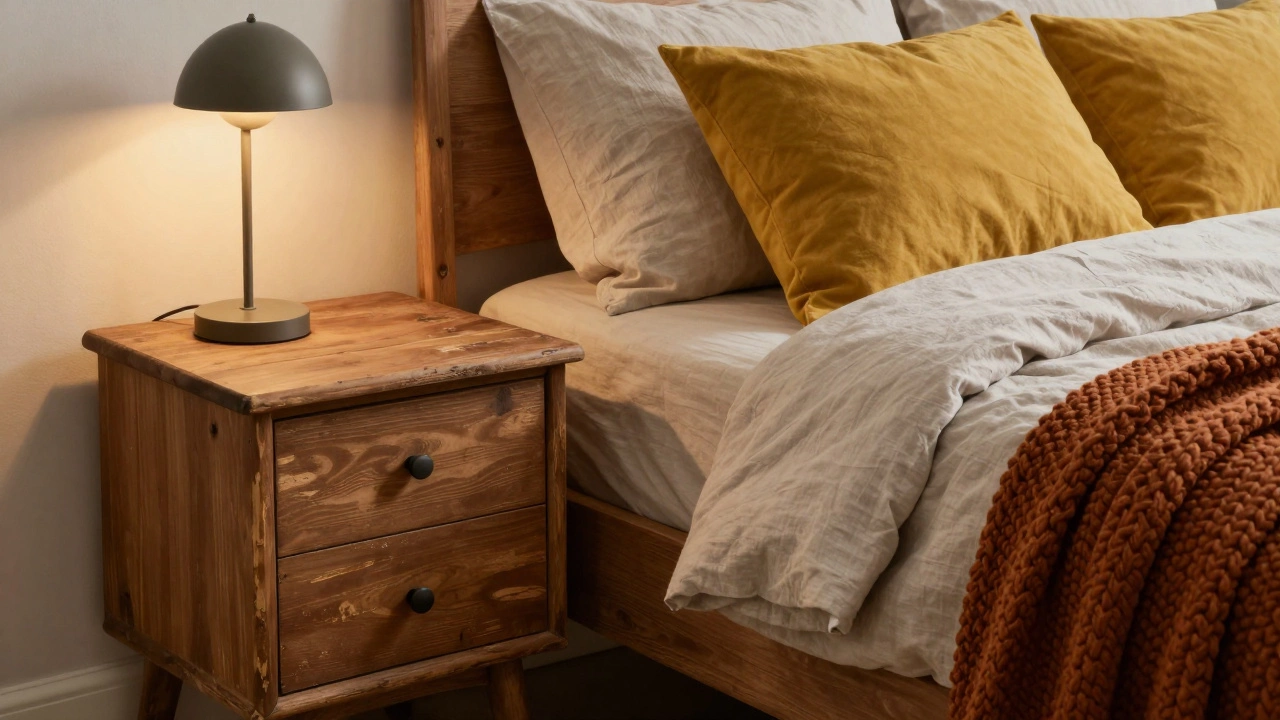
In Auckland alone, there are dozens of second-hand stores where you can find solid wood nightstands, vintage mirrors, and linen curtains for under $20. Look for items with good bones. A scratched wooden dresser can be sanded and painted. A plain white canvas can become a mixed-media piece. The key is to ignore the current state of an item and visualize its potential.
Thrift Stores are retail outlets that sell donated used goods, offering unique vintage items at significantly lower prices than retail stores. They serve as Charity Shops or Op-Shops in New Zealand. These stores often contain solid wood furniture, vintage textiles, and antique frames that require minimal effort to restore.When you’re hunting for wall art specifically, don’t just look at the pictures. Look at the frames. Often, you’ll find beautiful, ornate frames holding terrible artwork. Buy the frame, remove the old print, and replace it with something you love. This simple swap costs pennies but adds a layer of sophistication that cheap, ready-made frames simply can’t match.
Create Your Own Wall Art Without Breaking the Bank
Wall art is usually the most expensive part of a bedroom makeover. Gallery prints can run $50-$100 each. If you have three walls to fill, that’s hundreds of dollars gone. But you don’t need to buy original art to have meaningful pieces on your walls.
Start with what you already have: your camera roll. You’ve likely taken hundreds of photos of friends, family, travel destinations, or even just nice sunsets. Select your favorites, crop them to consistent sizes, and print them. Many local libraries in New Zealand offer cheap printing services, or you can use online services that ship directly to your door. Frame these in matching thrifted frames for a cohesive gallery wall that tells your story.
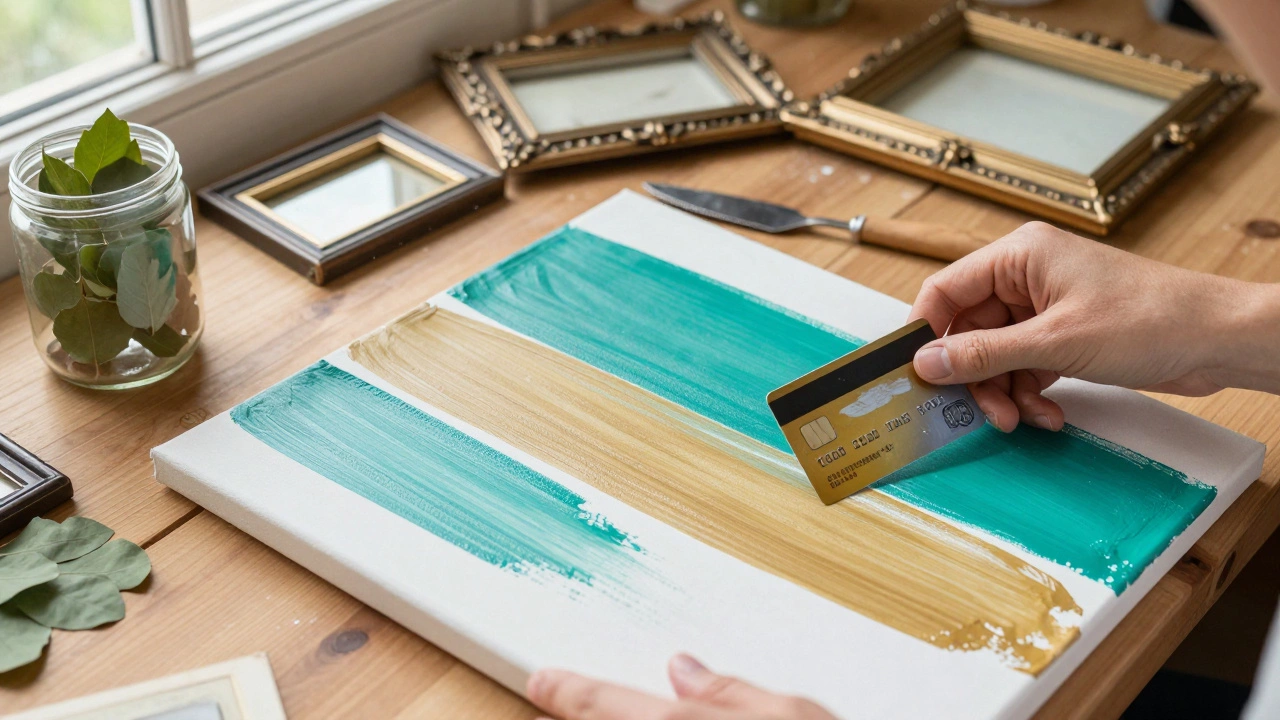
If photography isn’t your thing, try abstract art. All you need is a blank canvas (often available at craft stores for $5), acrylic paints, and a credit card. Paint thick stripes of color across the canvas, then scrape the credit card through the wet paint to create textured, modern lines. It looks professional, takes twenty minutes, and costs almost nothing.
Another option is botanical art. Press flowers or leaves between heavy books for a week, then glue them onto paper or canvas. Seal with a clear matte spray. This brings nature indoors and feels incredibly personal. Plus, it’s a great weekend project to do while listening to a podcast.
| Item Type | Retail Price (NZD) | DIY/Thrift Cost (NZD) | Time Investment |
|---|---|---|---|
| Gallery Print (A3) | $80 - $120 | $5 - $10 | 1 hour (printing + framing) |
| Abstract Canvas | $60 - $90 | $8 - $12 | 30 minutes |
| Botanical Pressing | $40 - $70 | $2 - $5 | 1 week (pressing) + 1 hour |
| Vintage Mirror | $150+ | $15 - $30 | 15 minutes (cleaning) |
Transform Textiles for Instant Impact
If walls feel overwhelming, start with textiles. Bedding, curtains, and rugs cover large surface areas and define the room’s mood. Changing these items is like giving your room a new outfit without changing the body.
You don’t need to buy a full bedding set. Keep your existing sheets and duvet cover. Instead, invest in two or three throw pillows and a chunky knit blanket. Choose colors that complement your wall color or add a pop of contrast. For example, if your walls are neutral grey, add mustard yellow pillows and a rust-colored throw. This creates visual interest without committing to a full repaint.
Curtains are another low-cost hack. Hang them higher than your window frame-closer to the ceiling-to make the room feel taller. Tie them back with simple rope or twine instead of buying expensive tie-backs. If your current curtains are too dark or patterned, consider dyeing them. Fabric dye is cheap and can turn outdated floral curtains into a trendy navy blue or sage green.
Rugs ground the space. If you can’t afford a large area rug, look for smaller vintage rugs and layer them. Or, visit a remnant warehouse where you can buy off-cut carpet squares by the meter. Arrange them in a grid pattern to create a custom, colorful rug that fits your exact space and budget.
Lighting: The Mood Maker
Bad lighting ruins any bedroom design. Harsh, cool-white overhead lights make rooms feel clinical and uninviting. Warm, layered lighting makes even a small, cluttered room feel cozy and luxurious.
Replace all overhead bulbs with warm-white LEDs (2700K-3000K). This single change softens shadows and enhances colors. Then, add ambient light sources. Floor lamps are great, but table lamps are cheaper and easier to move around. Look for simple ceramic or metal bases in thrift stores and pair them with plain white shades.
String lights are a student favorite for a reason-they work. Drape warm fairy lights along your headboard, behind your mirror, or around your window frame. They provide gentle illumination and add a magical touch. Battery-operated versions are easy to install without drilling holes, which is perfect if you’re renting.
Salt lamps or Himalayan rock salt lamps are also affordable options that emit a soothing orange glow. They double as decor pieces and help reduce eye strain before bed. Avoid placing bright screens or harsh lights near your bed to improve sleep quality.
Smart Storage Solutions That Look Good
A messy room feels cheap, no matter how nice the decor is. Clutter distracts from your hard work. But storage doesn’t have to mean ugly plastic bins.
Use decorative baskets made from seagrass or wicker to hide shoes, laundry, or extra blankets. These are widely available in discount stores and add texture to the room. Place them under the bed or on open shelving units.
If you lack closet space, install floating shelves above your desk or bed. Use them to display books, plants, and small decor items. Keep the top surfaces tidy and use closed boxes for items you don’t want to see. This keeps the visual noise down while maximizing vertical space.
Hanging organizers are underrated. Over-the-door racks can hold jewelry, scarves, or belts. Magnetic strips inside drawers can keep tools or makeup brushes organized. Small changes in organization lead to a cleaner, calmer environment.
Adding Greenery for Life and Color
Plants bring life to a static space. They purify the air, reduce stress, and add natural color. And yes, you can do this on a budget.
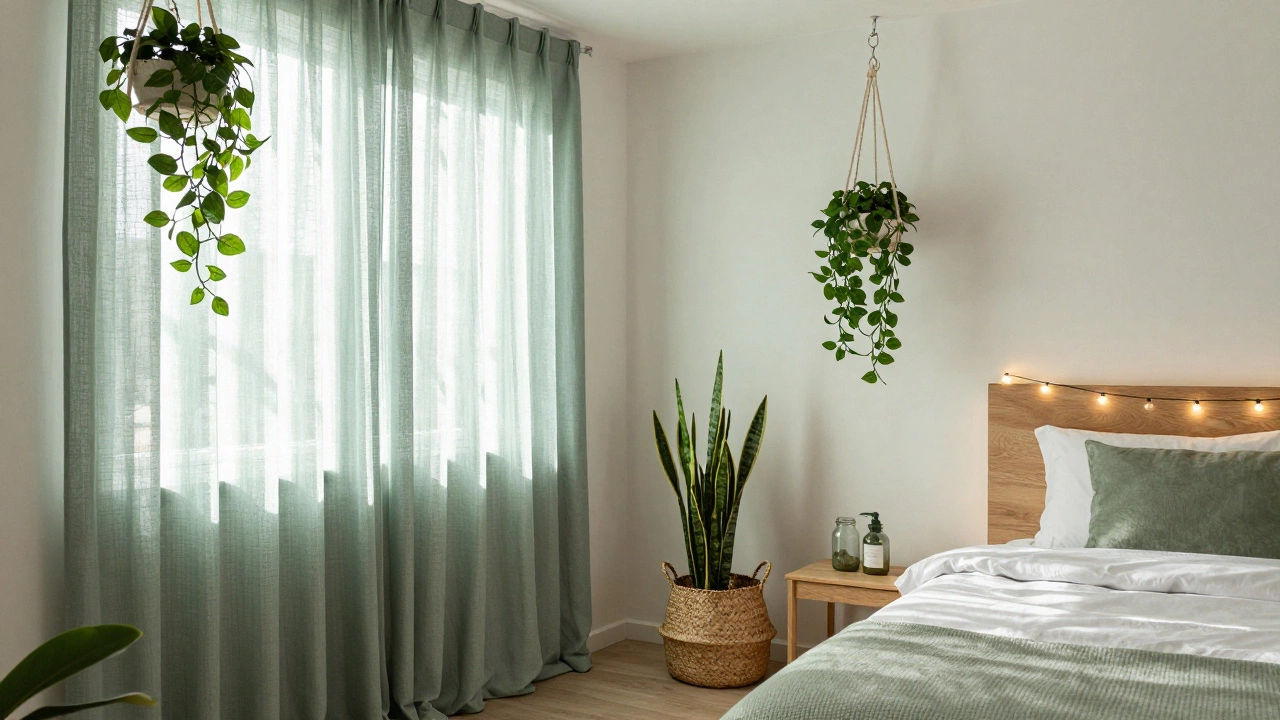
Start with low-maintenance plants like snake plants, pothos, or ZZ plants. These thrive in low light and forgive occasional neglect. Propagate cuttings from friends’ plants or take stem cuttings from your own houseplants. Root them in water until they sprout roots, then pot them in recycled jars or thrifted pots.
If you struggle to keep plants alive, fake ones are fine too. High-quality artificial plants look realistic and require zero care. Look for silk or plastic varieties with green stems rather than wire, as they look more natural. Place them on windowsills, nightstands, or hang them from macramé holders.
Herbs like mint or basil can grow well in sunny windowsills. Not only do they look pretty, but you can also use them in cooking. It’s functional decor that saves money on groceries.
Personal Touches: Make It Yours
The best decorated rooms aren’t the most expensive ones-they’re the most personal. Incorporate items that reflect your hobbies, travels, and memories.
Display tickets from concerts, maps from trips, or sketches you’ve drawn. Frame them alongside your photos. Create a vision board on a corkboard or pinboard. Use pushpins to attach inspiring quotes, magazine clippings, or goals. This evolves over time and keeps the room feeling dynamic.
If you’re musical, lean your guitar against the wall or hang sheet music. If you read, stack books horizontally and vertically on shelves. Mix genres and colors for a curated look. Personal items spark conversation and remind you why you love your space.
Final Tips for Long-Term Satisfaction
Decorating on a budget is a marathon, not a sprint. Don’t try to change everything at once. Start with one corner or one wall. See how it feels. Adjust as needed. This prevents decision fatigue and ensures every piece earns its place.
Regularly edit your space. Remove items that no longer serve you or bring you joy. Donate clothes, books, and decor you haven’t used in six months. A lighter load means less stress and more breathing room.
Remember, your bedroom is a sanctuary. It should comfort you, inspire you, and help you rest. You don’t need permission or a big budget to create that. With creativity, patience, and a willingness to hunt for treasures, you can build a bedroom you’re proud to walk into every morning.
Can I really decorate my bedroom for under $100?
Yes, absolutely. By focusing on thrifting, DIY projects, and swapping textiles, you can significantly refresh your room for under $100. Prioritize high-impact changes like wall art and lighting, which cost less than $20 each if sourced creatively.
Where can I find cheap frames in Auckland?
Check local op-shops in suburbs like Ponsonby, Remuera, and Mt Eden. Online platforms like Trade Me and Facebook Marketplace also have frequent listings for bulk frames. Look for "mystery bags" of frames sold for $5-$10.
Is it okay to mix real and fake plants?
Absolutely. Mixing real and artificial plants is common and practical. Use real plants where you have good light and time to care for them, and fake plants in darker corners or spots you visit less frequently.
How do I make DIY wall art look professional?
Consistency is key. Use matching frames, similar matting, or a unified color palette. Hang art at eye level (center of the piece at 57 inches from the floor). Step back frequently to check alignment and spacing.
What if I’m renting and can’t drill holes?
Use removable adhesive hooks, command strips, or tension rods for curtains. Lean larger art pieces against walls instead of hanging them. These methods protect your security deposit while allowing full customization.