Couch Cushion Longevity Estimator
Material & Quality Analyzer
Determine if your cushion investment matches your goalsEstimation Results
Quick Guide: Which Cushions Last Longest?
- Best for Longevity: High-Density Foam (specifically HR foam).
- Best for Luxury/Feel: Down-wrapped foam cores.
- Worst for Sagging: Pure Down or Polyester fiberfill.
- Best for Pressure Relief: Memory foam blends.
The Heavy Hitter: High-Density Foam
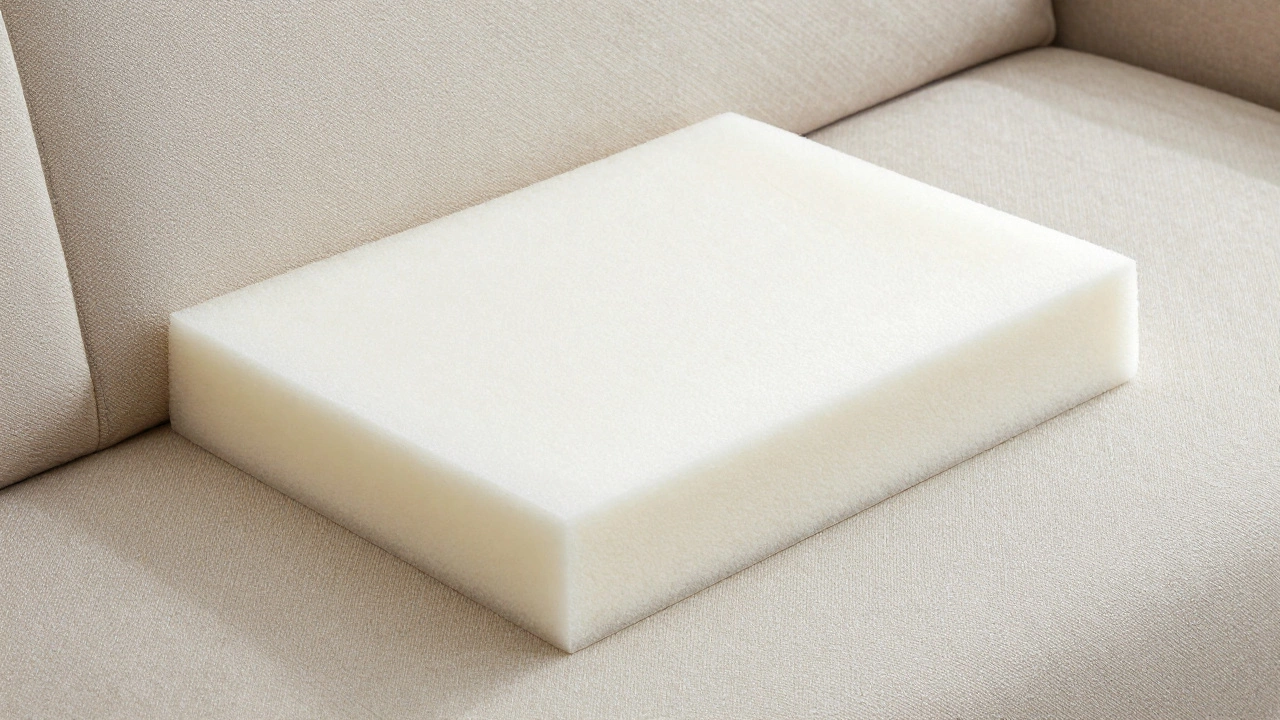
If you want a sofa that holds its shape through a thousand movie marathons, High-Density Foam is a polyurethane material with a high weight-to-volume ratio, meaning it has more material packed into the same space. Often referred to as HD Foam, this is the gold standard for durability. The "density" refers to how much the foam weighs per cubic foot, not how hard it feels. You can have a soft couch that is still high-density, which is the magic spot for longevity.
Why does this last longer? Imagine a sponge. A cheap, low-density sponge has huge holes and thin walls; eventually, those walls collapse. High-density foam has smaller, stronger cells that bounce back faster. In real-world terms, if you buy a couch with a density of 2.5 lbs/cu ft or higher, you're looking at a piece of furniture that can easily last 7 to 10 years before showing significant wear. Cheap "big box" sofas often use foam under 1.8 lbs/cu ft, which is why they flatten out so quickly.
The Luxury Hybrid: Down-Wrapped Foam
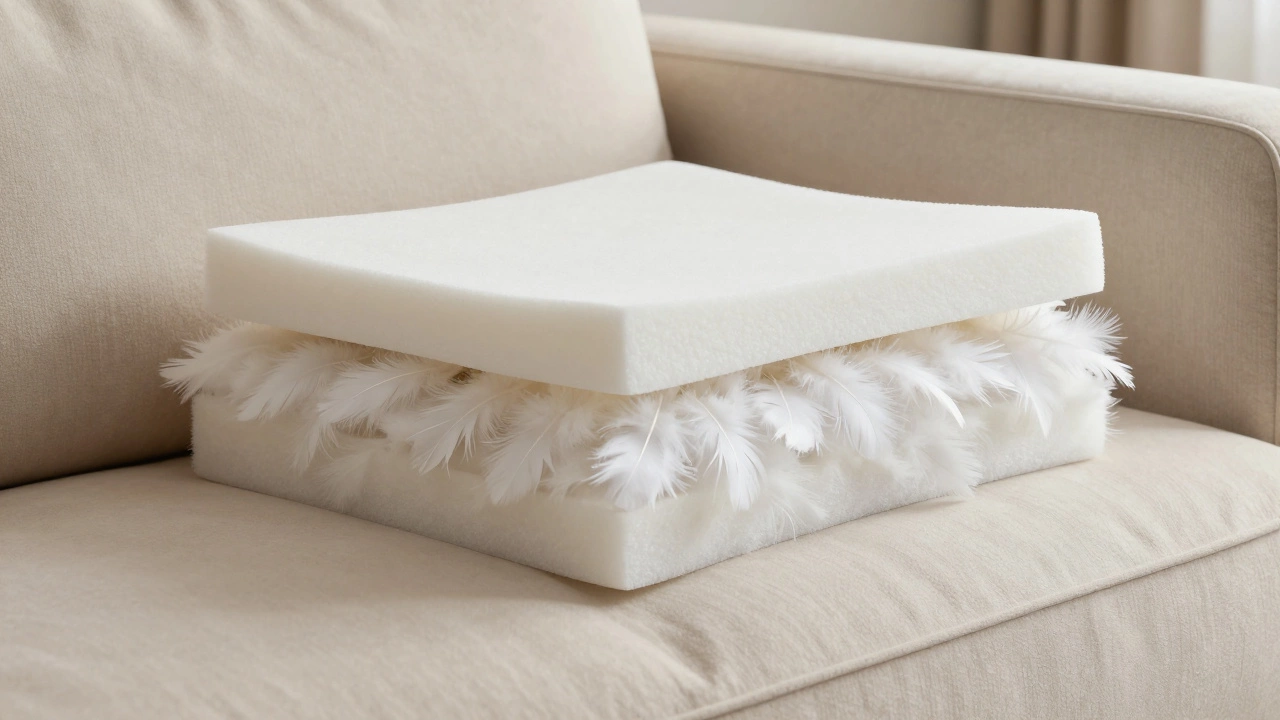
Many people crave the "sink-in" feeling of a cloud, but pure feathers are a maintenance nightmare. That's where the hybrid approach comes in. A Down-Wrapped Foam Core is a construction method where a high-density foam center is encased in a layer of goose or duck down and feathers.
This gives you the best of both worlds. The foam core does the heavy lifting-supporting your weight and preventing the cushion from bottoming out-while the down provides that plush, expensive feel. The trick here is the "wrap." If the down layer is too thick, you'll spend half your day fluffing the pillows. If the core is too soft, the down just hides the fact that the sofa is sagging. For the longest life, look for a high-resiliency (HR) foam core wrapped in a 2-inch layer of down.
The Comfort Specialist: Memory Foam
You've probably used Memory Foam in a mattress, but in a couch, it behaves differently. It's a viscoelastic polyurethane foam that slowly returns to its original shape after being compressed. While it's amazing for pressure relief and that "custom fit" feel, it's actually not the best for pure longevity if used alone.
The problem with pure memory foam in a sofa is "heat soak." As it warms up from your body heat, it softens significantly. Over years of use, it can lose its structural integrity faster than standard high-density foam. However, when used as a top layer over a firmer base, it's a winner. This "sandwich" construction prevents the cushion from feeling like a rock while ensuring the base doesn't collapse.
What to Avoid: The "Fluff" Traps
If you see a couch described as "down-filled" without mentioning a foam core, or if it's filled with Polyester Fiberfill (which is essentially plastic-based synthetic stuffing used in cheap pillows), be careful. These materials provide immediate comfort but have zero structural memory. They compress permanently. Within six months, you'll notice "divots" where you usually sit, and no amount of fluffing will bring the original shape back.
| Material | Lifespan | Support Level | Maintenance |
|---|---|---|---|
| High-Density Foam | Very High (7-12 years) | Excellent | Low |
| Down-Wrapped Foam | High (5-10 years) | Good | Moderate (Fluffing) |
| Pure Memory Foam | Moderate (4-7 years) | Variable | Low |
| Polyester / Pure Down | Low (2-4 years) | Poor | High (Daily Fluffing) |
How to Test Cushions in the Store
Don't just sit on the couch for ten seconds. To find the longest lasting couch cushions, you need to perform a few specific tests. First, try the "Hand Press." Press your hand firmly into the center of the cushion. If it sinks right to the frame, the foam density is too low. If it bounces back instantly and feels "springy" rather than "mushy," you've likely found high-density foam.
Next, check the weight. Pick up a cushion. If it feels incredibly light, it's likely filled with air and cheap fiberfill. A high-quality, long-lasting cushion has a noticeable heft to it because there is more actual material inside to absorb the impact of your weight. Finally, look for a zipper. If the cushions have removable covers, you can peek inside to see if it's a solid block of foam or a loose bag of fluff.
Pro Tips for Making Your Cushions Last Longer
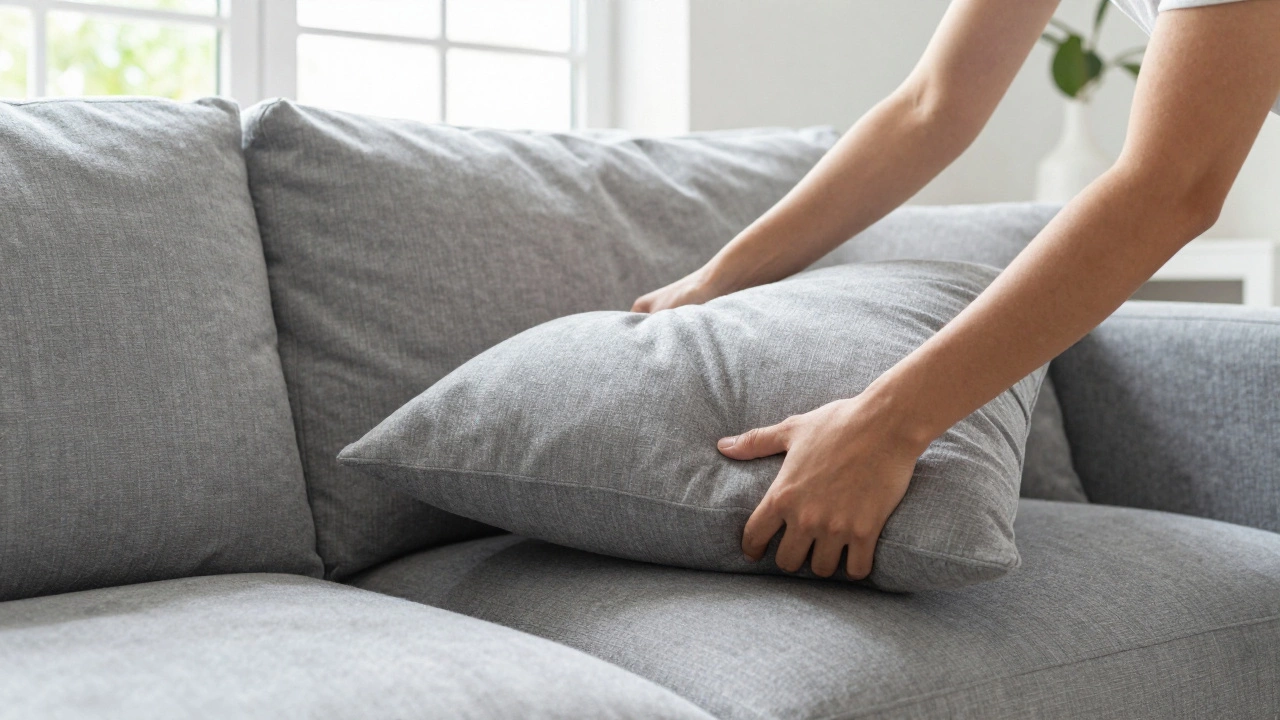
Even the best foam will eventually wear down if you treat it poorly. The biggest enemy of foam is "static loading"-sitting in the exact same spot for years. This creates a permanent depression in the cells. The easiest fix? Rotate your cushions weekly. Move the corner seat to the middle and vice versa. This distributes the wear evenly across the entire surface area of the sofa.
Another tip is to avoid "over-stuffing" when you replace old inserts. It's tempting to buy a thicker piece of foam to fix a saggy couch, but if the foam is too tight for the fabric cover, it puts immense pressure on the seams. This doesn't just risk ripping the fabric; it actually compresses the foam more tightly, which can accelerate the breakdown of the internal cell structure.
Can I add foam to my existing cushions to make them last longer?
Yes, you can add a "foam topper" or replace the inner core. Adding a layer of 2-inch high-density foam on top of a sagging core can restore the shape and support. However, it's usually more cost-effective to replace the entire foam insert with a high-density version from a foam supplier rather than just patching it.
Is memory foam actually a good choice for a living room sofa?
It depends on the use. For a reclining chair or a reading nook, memory foam is great for comfort. But for a main social sofa, it's often too soft and takes too long to "recover" its shape after someone stands up, which can make the couch look messy. A hybrid of HR foam and memory foam is the ideal choice.
What is the difference between high-density and high-resiliency foam?
Density is about the weight of the material (how much "stuff" is in there), while resiliency is about the foam's ability to spring back. High-density foam resists collapsing over time, and high-resiliency (HR) foam provides a more consistent support and a better "bounce." The absolute best cushions use foam that is both high-density and high-resiliency.
Why do down cushions feel so much softer but sag so much?
Down and feathers are air-filled clusters. They offer no structural resistance, meaning they move out of the way the moment you sit. Because they aren't elastic like foam, they don't "push back." Once they are compressed, they stay compressed until you manually shake and fluff them to reintroduce air into the clusters.
How do I know if my couch has high-density foam without opening it?
Check the weight of the cushion and the recovery time. If you press firmly and the foam returns to its original shape in under a second, it's likely high-resiliency/high-density. If there is a slow "crater" that takes a few seconds to fill back in, it's either memory foam or a lower-grade polyurethane foam.
Next Steps: Maintaining Your Investment
Once you've invested in high-quality cushions, the goal is to delay the inevitable wear. If you have down-wrapped cushions, commit to a "fluffing day" once a week. For foam-based sofas, use a vacuum with a crevice tool to remove crumbs and grit from the seams; these small particles can actually act like sandpaper against the foam fibers over time.
If you notice the first signs of sagging-usually a slight dip in the center seat-don't wait. This is the time to start rotating your cushions more frequently or consider adding a supportive cushion base. Catching the wear early means you can extend the life of the sofa by another few years without needing a full professional reupholstering job.