🚿 Bathroom Style & Material Checker
Select a base color that reflects the light and space you want.
Choose the metal or material for faucets, handles, and shelves.
Care: Wipe to prevent tarnish
Design Analysis
Your bathroom doesn't need a full renovation to feel fresh. In fact, the biggest mistake people make is thinking they have to tear out tiles or replace fixtures just to change the vibe. You can transform a dull, dated space into a stylish retreat using only bathroom accessories and smart styling choices. It’s about texture, color, and light, not construction.
Whether you live in a compact Auckland apartment or a spacious family home, these strategies work for almost any layout. The goal is to create a space that feels intentional and inviting without breaking the bank or dealing with contractors. Here is how to do it effectively.
Start With Lighting and Mirrors
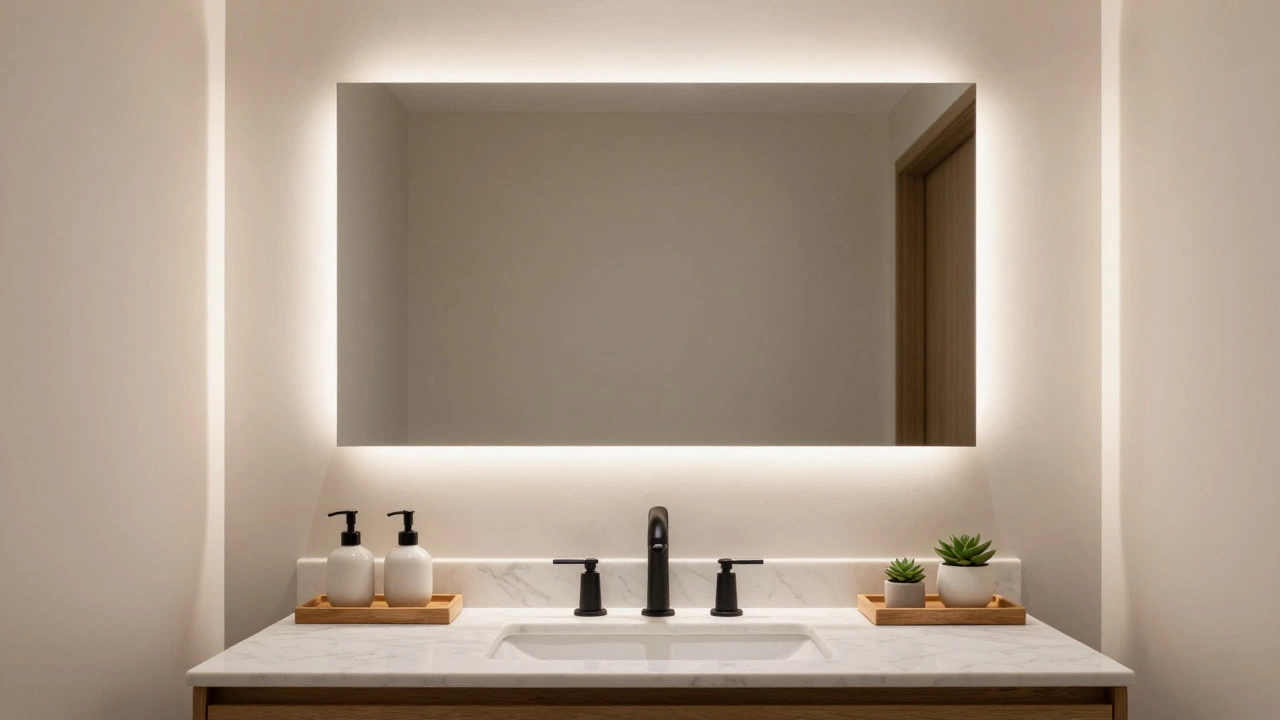
Lighting is the most underrated tool in bathroom design. Most homes come with a single, harsh overhead light that washes out features and creates unflattering shadows. To fix this, layer your lighting. Add wall sconces on either side of the mirror if you have the wiring, or use battery-operated LED strips behind a floating mirror. This creates a soft glow that makes the room feel larger and more luxurious.
Mirrors also play a dual role. They reflect light, making small spaces feel twice as big. If your current mirror is small and centered above the sink, consider swapping it for a larger, frameless piece. A large mirror can anchor the room and draw the eye upward. For a modern look, choose a round mirror; for a classic feel, go with an arched or rectangular shape with a thin metal frame. The frame color should match your other metal finishes in the room, such as taps or handles, to create visual harmony.
Introduce Texture Through Fabrics
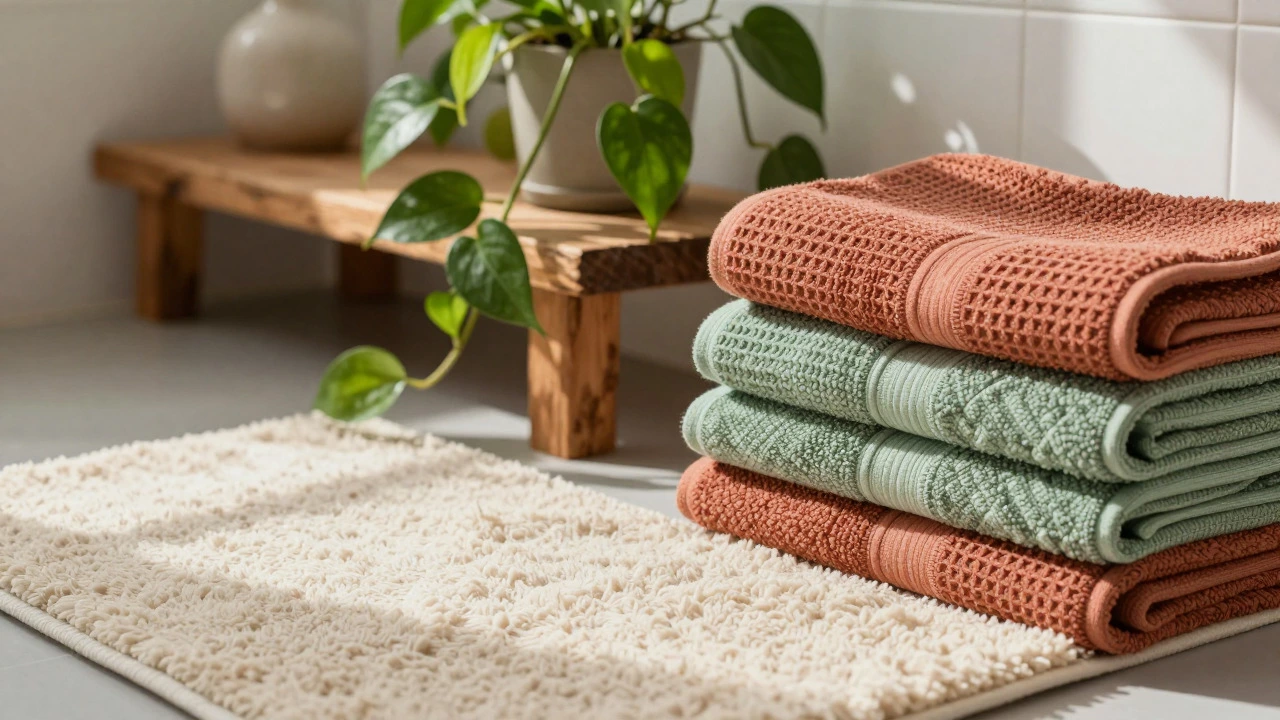
Bathrooms are often hard surfaces: tile, glass, ceramic, and stone. This can feel cold and clinical. To add warmth, introduce soft textures through fabrics. Start with towels. Instead of matching white sets, mix colors and weaves. Layer a chunky waffle-weave hand towel over a smooth cotton bath towel. This contrast adds depth and interest without requiring any installation.
Rugs are another key element. A plush bath mat in front of the tub or shower adds comfort underfoot and defines the zone. Look for natural fibers like jute or sisal for a bohemian touch, or wool for a cozy, traditional feel. If moisture is a concern, opt for synthetic materials that dry quickly. Place a smaller rug near the toilet or vanity to create distinct areas within the room. This simple addition makes the space feel curated rather than utilitarian.
Curate Your Storage and Display
Clutter kills style faster than bad paint. Before adding decorative items, clear out what you don’t use. Keep only daily essentials visible. Use baskets or trays to group items. A wooden tray holding soap dispensers, toothbrush holders, and a small plant looks organized and intentional. Scattered bottles look messy.
Choose storage solutions that double as decor. Open shelving made from reclaimed wood or painted metal can hold folded towels and plants. If you prefer closed storage, ensure cabinet doors have interesting hardware. Brass or matte black handles can elevate plain cabinets. Inside the cabinets, use uniform containers for toiletries so that when the door opens, everything looks neat. This attention to detail matters because guests notice the inside of drawers too.
Add Greenery and Natural Elements
Plants bring life to a sterile environment. Not all plants thrive in high humidity, but many do. Pothos, snake plants, and ferns are excellent choices for bathrooms because they tolerate lower light and higher moisture levels. Hang a pothos from a shelf or place a snake plant on the windowsill. Even artificial plants can work if you lack natural light, but real plants improve air quality and add a dynamic element that changes over time.
Incorporate other natural materials to balance the hard surfaces. Wood is particularly effective. A wooden stool next to the tub serves as a seat and a surface for placing books or candles. Wooden shelves add warmth against cool tile. Bamboo organizers or cork mats also introduce organic textures. These elements connect the indoor space to the outside world, which is especially important in urban settings where views might be limited.
Play With Color and Wall Art
You don’t need to repaint the entire room to change its mood. Accent walls or colored grout can make a statement. If painting isn’t an option, use removable wallpaper on one wall or behind the vanity. Patterns can add visual interest, but keep them subtle if the room is small. Bold patterns work better in larger spaces or as a focal point.
Wall art is another way to personalize the space. Avoid generic beach scenes or motivational quotes unless they truly resonate with you. Instead, choose abstract prints, botanical illustrations, or photography that complements your color palette. Frame your art consistently. Matching frames tie the pieces together and create a gallery effect. If you have no art, consider installing a decorative hook rail for hanging robes or bags, which functions as both storage and visual interest.
Upgrade Hardware and Fixtures
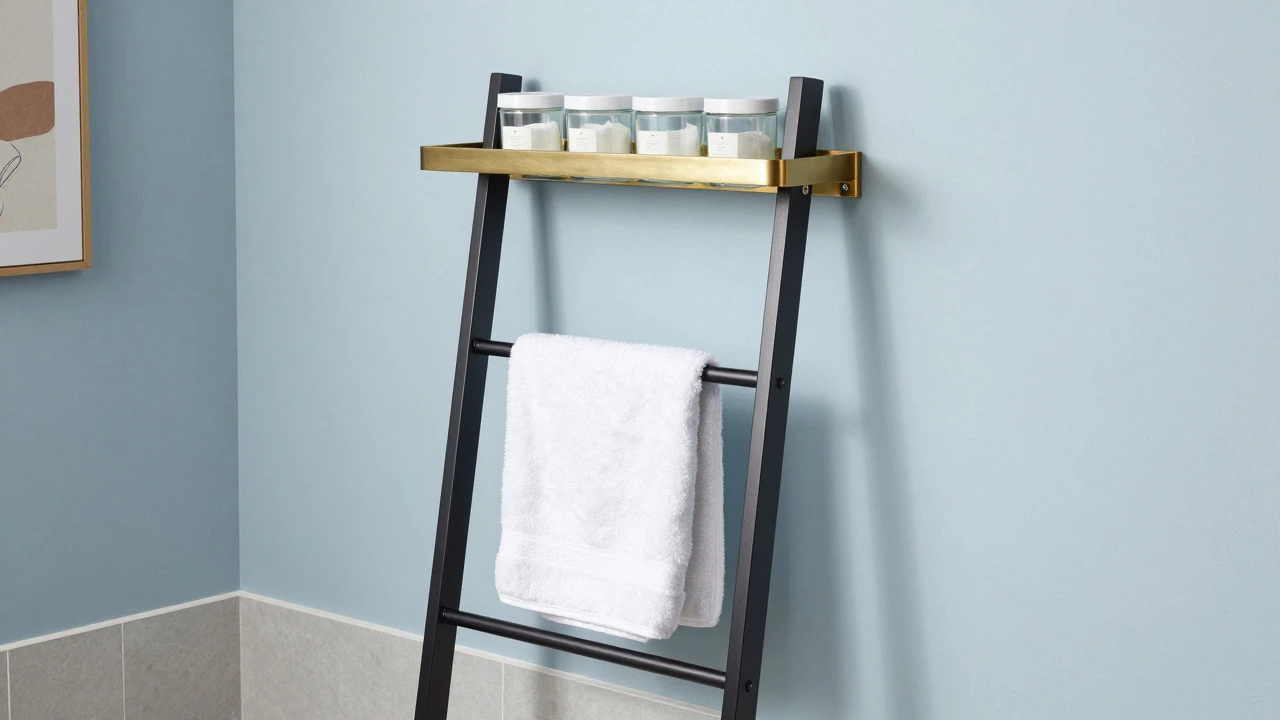
Sometimes, small hardware changes yield big results. Swapping old chrome faucets for matte black or brushed brass ones instantly updates the look. These finishes are trending and pair well with various styles, from industrial to farmhouse. Check if your existing holes align with new fixtures before buying. If not, you may need minor plumbing adjustments, but often standard sizes fit easily.
Towel bars and hooks are also worth upgrading. Choose materials that match your faucet finish. A thick, sturdy towel bar looks more substantial than a flimsy wire one. Consider installing a heated towel rack if budget allows. It’s a luxury feature that dries towels quickly and prevents mildew, while also serving as a decorative element. Even a non-heated ladder-style rack can look elegant and provide ample hanging space.
Common Mistakes to Avoid
While decorating, watch out for a few common pitfalls. First, don’t overcrowd the counter. Leave some negative space. Empty areas allow the eye to rest and make the room feel airy. Second, avoid mixing too many metal finishes. Stick to two maximum, such as brass and black, to maintain cohesion. Third, neglect maintenance. Decorative items collect dust and water spots. Wipe down mirrors and shelves regularly to keep the space looking crisp. Finally, don’t ignore the ceiling. If it’s stained or yellowed, a fresh coat of white paint can brighten the entire room significantly.
Frequently Asked Questions
What are the best materials for bathroom accessories?
Stainless steel, brass, and ceramic are durable options. Stainless steel resists rust and is easy to clean. Brass adds warmth but requires occasional polishing. Ceramic is great for soap dishes and jars but can chip if dropped. Choose materials that match your existing fixtures to maintain a cohesive look.
How do I decorate a small bathroom without clutter?
Use vertical space with shelves or hooks. Keep counters clear by storing toiletries in cabinets or caddies. Choose a large mirror to reflect light and space. Limit decorative items to three or four key pieces, such as a plant, a tray, and a framed print. Consistency in color and material helps reduce visual noise.
Can I use wood in a humid bathroom?
Yes, if properly sealed. Use hardwoods like teak or oak that are naturally resistant to moisture. Apply a marine-grade sealant to protect against warping and rotting. Avoid softwoods like pine unless heavily treated. Place wooden items away from direct water sources, such as sinks or showers, to extend their lifespan.
What colors make a bathroom look bigger?
Light colors like white, pale blue, or soft gray reflect more light and create an open feel. Monochromatic schemes, where walls and floors share similar tones, blur boundaries and enhance the sense of space. Avoid dark, heavy colors on large surfaces unless balanced with ample lighting and mirrors.
How often should I update my bathroom accessories?
You don’t need to replace everything at once. Rotate seasonal items like towels and rugs to refresh the look. Update hardware every five to seven years if they show wear. Keep a consistent theme and swap out individual pieces as they age or fall out of style. This gradual approach saves money and reduces waste.