Bedroom Styling & Color Palette Generator
Select the vibe you want for your bedroom. We'll generate a balanced color palette following the professional 60-30-10 rule and provide specific styling tips to achieve that look on a budget.
Styling Action Plan
Select a mood above to see your personalized room transformation plan.
You walk into your bedroom, and it feels... flat. Maybe the paint is beige (again), or maybe you just have too much clutter competing for attention. You know what you want: that cozy, curated vibe you see on Pinterest or in those glossy magazines. But how do you get there without hiring an expensive designer or spending thousands? The secret isn't buying new furniture every season. It’s about editing, layering, and knowing exactly where to look.
Styling a room is less about magic and more about method. If you treat your bedroom like a blank canvas rather than a storage unit, you can transform it with simple, high-impact changes. Here is how to make your bedroom look stylish, starting from scratch or refreshing what you already own.
Start With the Bed as Your Anchor
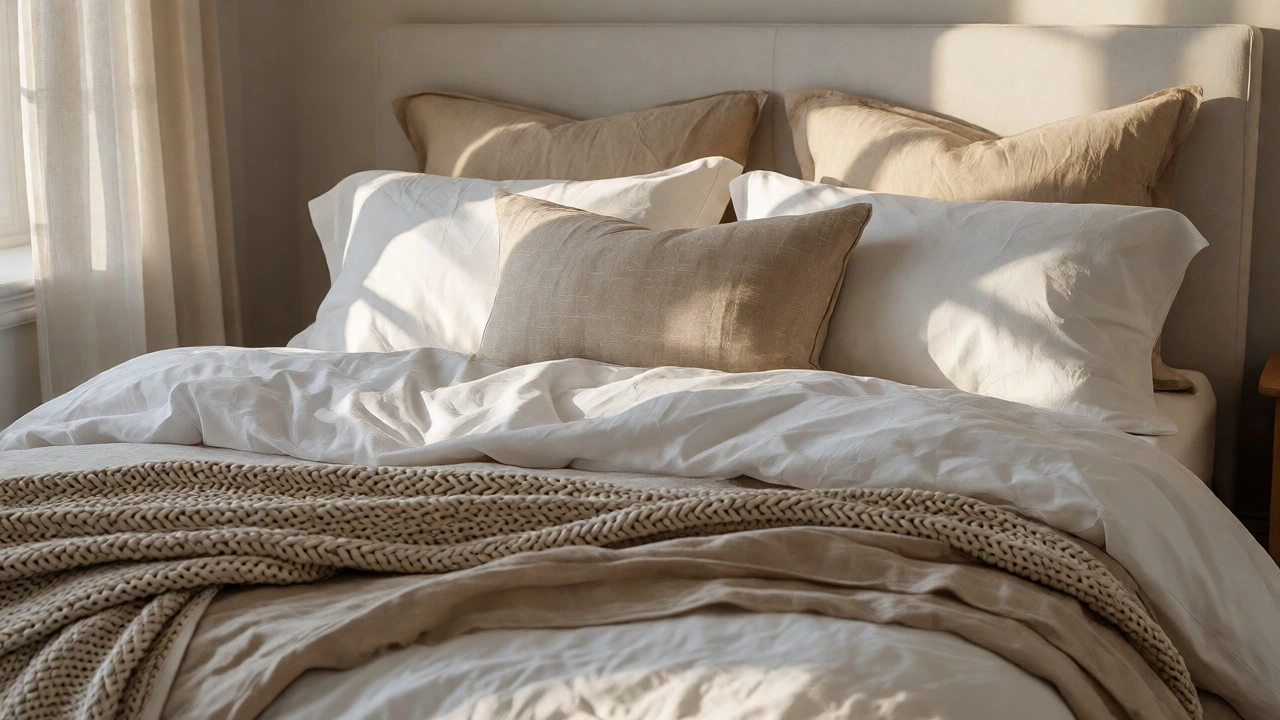
The bed takes up the most visual real estate in any bedroom, so if it looks messy, everything else will too. Most people think they need a new headboard, but often, the issue is bedding quality and arrangement. A stylish bed starts with crisp, hotel-quality sheets. Look for percale cotton if you sleep hot, or linen if you want that relaxed, lived-in texture that hides wrinkles beautifully.
Then, tackle the layers. A single duvet cover looks unfinished. You need depth. Start with a fitted sheet, add a flat sheet tucked tightly at the foot of the bed, then layer a duvet or comforter on top. Finally, add a throw blanket folded neatly across the foot. This creates visual interest and invites you to sit down.
Pillows are another game-changer. Stop using just two standard pillows. Use four or six. Two Euro shams against the headboard, two standard sleeping pillows in front, and one decorative lumbar pillow centered in front. This tiered approach adds height and luxury without costing a fortune.
Master the Art of Lighting
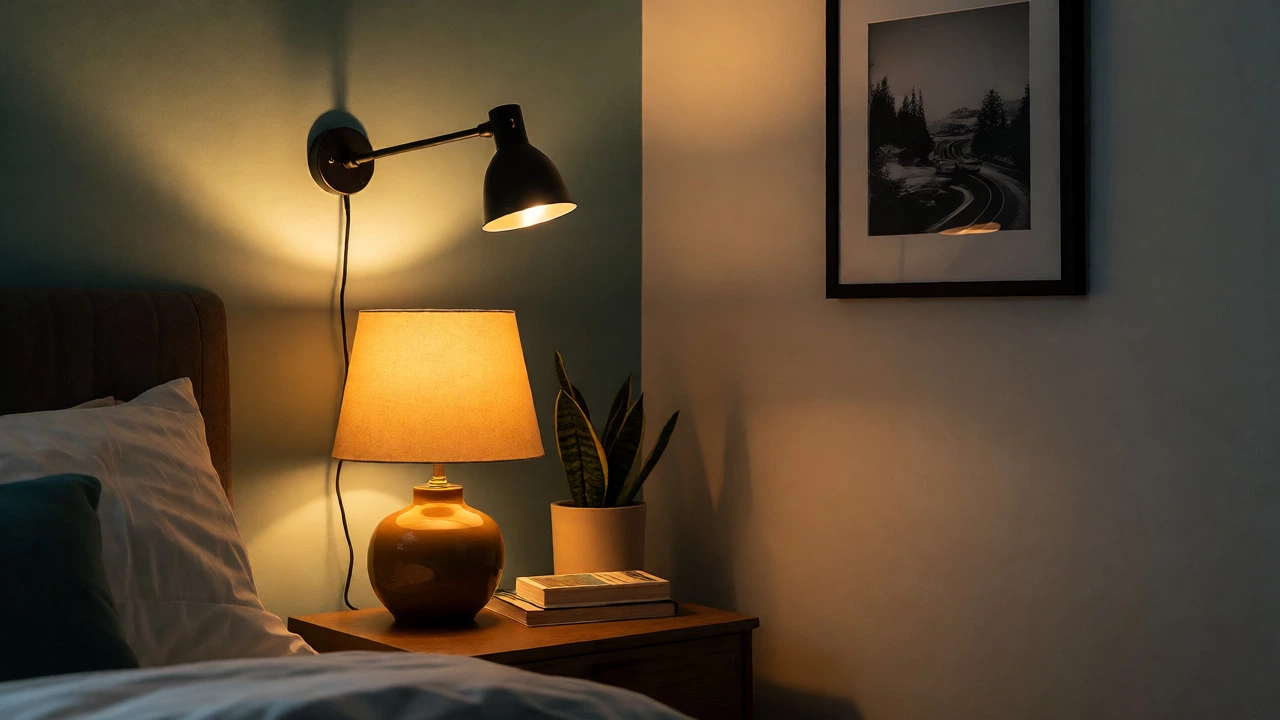
Overhead lighting is the enemy of style. That single bulb in the center of the ceiling casts harsh shadows and makes even the nicest rooms feel clinical. To make your space look stylish, you need layered lighting. Think of three sources: ambient, task, and accent.
Ambient light provides general illumination, usually from a central fixture or dimmer switch. Task light helps you read or dress-think bedside lamps or a small wall sconce. Accent light highlights features, like a picture light over art or LED strips behind a headboard. By mixing these, you control the mood. In Auckland, where evenings can be moody, warm-toned bulbs (2700K) create an inviting glow that cool white bulbs simply cannot match.
If you rent and can’t change fixtures, plug-in sconces are a lifesaver. They attach directly to the wall near your bed, freeing up nightstand space and adding architectural detail. It’s a small move with a massive impact on perceived sophistication.
Use Color Psychology, Not Just Trends
Choosing paint colors is stressful because everyone talks about "trending" shades. Ignore them. Pick colors based on how you want to feel. Blues and greens promote calm and restfulness, perfect for sleep. Warm neutrals like taupe or greige feel grounding and cozy. Dark colors like navy or charcoal create drama and intimacy, especially in smaller rooms where they blur the boundaries of the walls.
You don’t need to repaint the whole room to add color. Use the 60-30-10 rule. 60% of the room should be your dominant color (usually walls). 30% is your secondary color (furniture, curtains, rugs). 10% is your accent color (pillows, art, vases). This ratio ensures balance. If your walls are neutral, make your rug bold. If your furniture is dark, keep accessories light and airy.
| Mood Goal | Dominant Color (60%) | Secondary Color (30%) | Accent Color (10%) |
|---|---|---|---|
| Calm & Restful | Soft Sage Green | Cream/Warm White | Terracotta |
| Cozy & Grounded | Warm Taupe | Oatmeal/Linen | Rust/Burnt Orange |
| Dramatic & Moody | Navy Blue | Charcoal Grey | Brass/Gold |
| Fresh & Airy | Light Grey | White | Pale Blue |
Declutter to Create Space
No amount of styling fixes a cluttered room. Style requires negative space-the empty areas that let your eye rest. If your surfaces are covered in knick-knacks, clothes, and books, the room feels chaotic. Start by clearing off all horizontal surfaces: nightstands, dresser tops, and windowsills.
Now, curate. Keep only three items per surface, varying their height and shape. For example, on a nightstand: a lamp (tall), a stack of two books (medium), and a small plant or candle (low). This triangular arrangement is visually pleasing and prevents the "stuff" pile-up. Store everything else in drawers or closed cabinets. Visible clutter drains energy; hidden storage restores calm.
Add Texture Through Textiles
Flat rooms feel cheap. Stylish rooms feel rich because they play with texture. Since bedrooms are tactile spaces, lean into fabrics that invite touch. Mix materials: smooth silk or satin against rough wool or chunky knit throws. Pair leather accents with soft velvet cushions.
Rugs are essential here. Even if you have carpet, a large area rug under the bed anchors the space. Place it so the front legs of the bed sit on it. Choose a rug with a low pile if you vacuum often, or a jute/woven option for a natural, organic feel. This adds warmth underfoot and defines the sleeping zone within larger rooms.
Hang Art Like a Pro
Wall art shouldn’t be an afterthought. It personalizes the space and draws the eye upward, making ceilings feel higher. But hanging art incorrectly can ruin the effect. The common mistake is hanging pieces too high. The center of your artwork should be at eye level, roughly 57 inches from the floor. In bedrooms, this often means lowering frames significantly below the ceiling line.
Create a gallery wall above the bed or on an adjacent wall. Vary frame sizes and orientations (portrait vs. landscape) for a dynamic look. Keep the spacing consistent-use painter's tape to mark out your layout before drilling holes. If you’re unsure, stick to black-and-white photography with thin black frames. It works in almost any style, from modern minimalist to traditional farmhouse.
Incorporate Natural Elements
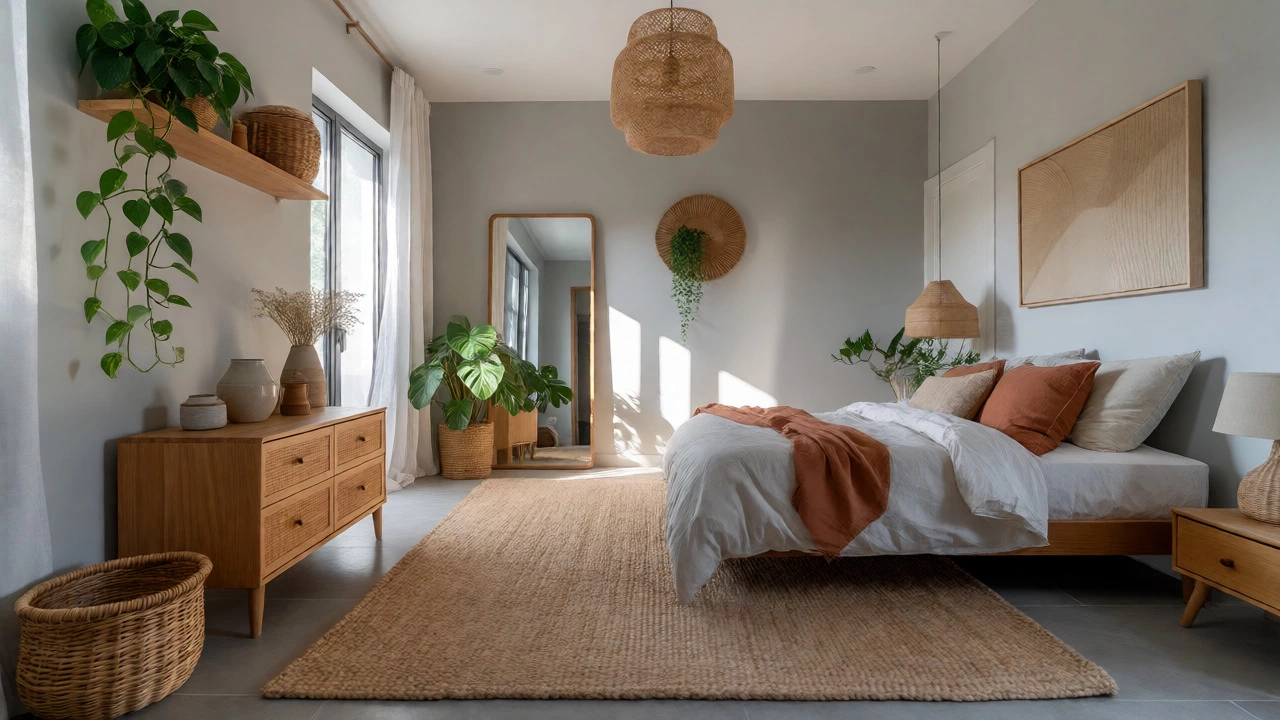
Biophilic design-bringing nature indoors-is huge right now, and for good reason. Plants reduce stress and improve air quality. Add a few low-maintenance options like snake plants, pothos, or ZZ plants. These thrive in indirect light and survive occasional neglect.
Beyond plants, use natural materials. Wood tones add warmth. Stone or ceramic vases add weight and solidity. Bamboo baskets provide storage while looking intentional. These elements ground the room and prevent it from feeling sterile or overly manufactured.
Final Touches: Scents and Mirrors
Style engages more than just sight. Smell matters. A subtle scent can make a room feel cleaner and more luxurious. Avoid heavy chemical air fresheners. Opt for beeswax candles, reed diffusers with essential oils like lavender or cedarwood, or fresh flowers. Lavender specifically has been shown to lower heart rate and blood pressure, aiding sleep.
Finally, mirrors. They reflect light and make small rooms appear larger. Lean a full-length mirror against a wall opposite a window to bounce daylight around. Or place a decorative mirror above a dresser to double the visual depth. Just ensure it doesn’t reflect clutter-if it shows a messy corner, fix the corner first.
Key Takeaways
- Layer your bedding: Use multiple pillow types and a folded throw blanket to add depth and luxury.
- Change your lighting: Ditch overhead-only setups. Use lamps, sconces, and dimmers to create mood.
- Follow the 60-30-10 rule: Balance your color palette with a dominant, secondary, and accent color.
- Clear surfaces: Curate nightstands to three items max to reduce visual noise.
- Add texture: Mix fabrics like linen, wool, and velvet to make the room feel richer.
What is the cheapest way to make a bedroom look stylish?
The most cost-effective changes are decluttering surfaces, upgrading your bedding to high-quality linens, and changing your lighting to warm, layered sources. Repainting a single accent wall or adding affordable art prints also yields high visual returns for minimal investment.
Should I put a rug under my bed?
Yes, placing a rug under the bed anchors the space and adds comfort. Ideally, the rug should extend at least 18-24 inches beyond the sides of the bed, with the front legs resting on it. This prevents the bed from looking like it's floating and defines the sleeping area.
How many pillows should be on a bed for a stylish look?
For a styled look, aim for four to six pillows. Use two Euro shams against the headboard, two standard sleeping pillows in front, and one or two decorative accent pillows (like lumbar or round cushions) in the center. This creates height and dimension.
What color makes a small bedroom look bigger?
Light, cool colors like soft whites, pale grays, and light blues reflect light and make walls recede, creating an illusion of space. However, using a monochromatic scheme (varying shades of one color) can also expand a small room by eliminating visual breaks.
Do I need a headboard for a stylish bedroom?
Not necessarily. While a headboard adds structure, you can achieve a stylish look with a painted accent wall, a large piece of art, or a upholstered panel mounted directly to the wall. The key is defining the head of the bed visually.