Cozy Living Room Score Calculator
Assess your current space against key coziness factors. Check all that apply to get an instant score and tailored advice.
You walk into your living room. It’s clean. The furniture is nice. But it feels... cold? Sterile? Like a hotel lobby you haven’t checked out of yet? You’re not alone. Many people struggle with this exact feeling. They buy expensive sofas and hang art, but the space still lacks soul. Making a room feel homey isn’t about spending more money. It’s about layering comfort, warmth, and personal history. It’s about engaging the senses so that when you sit down, your shoulders drop and your breath slows. Here is how you actually do it, step by step.
Lighting Is the Biggest Cheat Code
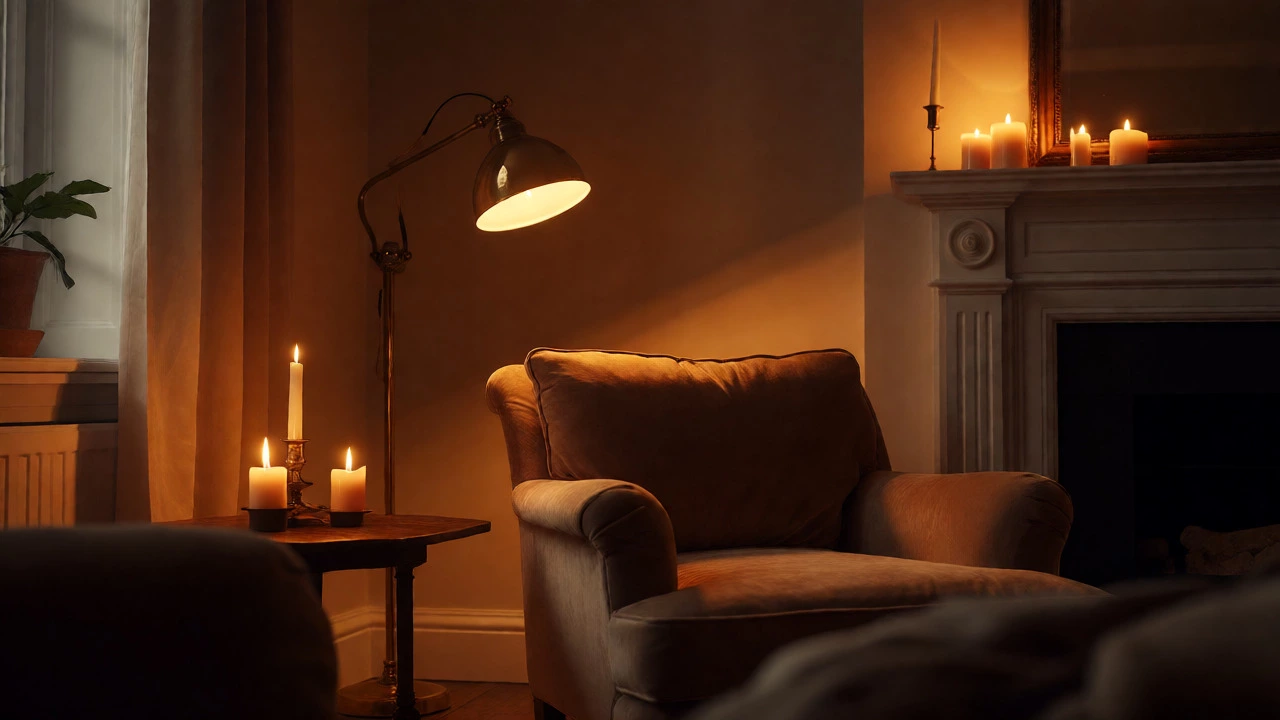
If your living room feels clinical, look at your lights first. Overhead ceiling lights are often the enemy of coziness. They cast harsh shadows and flatten the room. To fix this, you need to lower the light source. Think about eye level or below. Floor lamps and table lamps create pools of warm light that invite you to settle in. In Auckland, where we love our indoor-outdoor flow, natural light is abundant during the day. But as soon as the sun dips, you need artificial warmth.
Switch to bulbs with a color temperature between 2700K and 3000K. Anything higher (like 4000K) looks like a hospital waiting room. Dimmers are non-negotiable if you want control. Being able to soften the glow from 100% to 20% changes the entire mood of the evening. Candles add another layer. Real wax candles smell better than plug-ins, but if safety is a concern, get high-quality LED flicker candles. Place them on side tables, mantels, or shelves. The subtle movement of flame adds life to a static room.
Layer Textures to Engage Touch
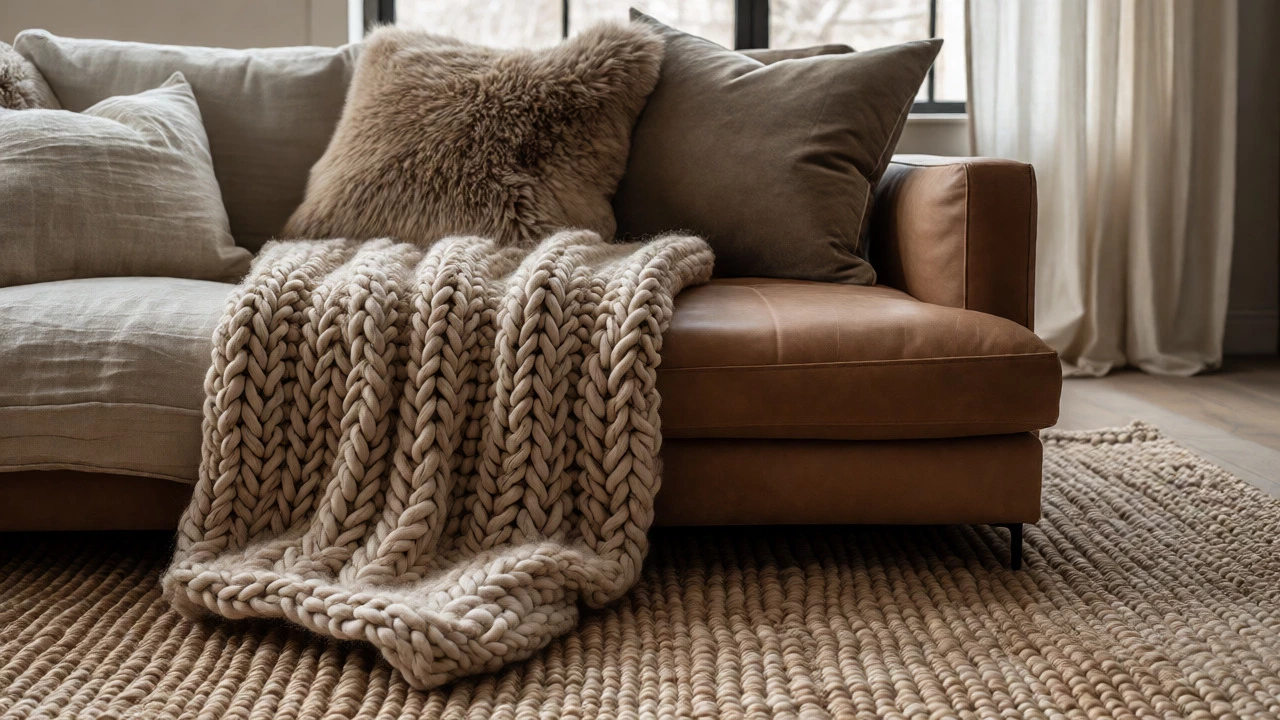
A homey room feels good to touch. If everything is smooth leather, polished wood, or glass, the space feels hard. You need contrast. Start with a large area rug. It anchors the seating area and provides a soft landing for bare feet. Wool rugs are durable and warm; jute adds rustic texture but can be scratchy, so maybe pair it with a softer wool runner on top.
Add throw pillows in varying fabrics. Mix velvet, linen, knits, and faux fur. Don’t just match colors; mix weights. A chunky knit blanket draped over the arm of a sofa invites you to curl up. It signals that this is a place for rest, not just display. Curtains are another huge factor. Hard blinds let in light but block warmth. Heavy drapes absorb sound and soften window edges. Even if you have blinds, adding sheer curtains behind heavier ones creates depth. The goal is visual and tactile softness everywhere you look or reach.
Personalize with Meaningful Objects
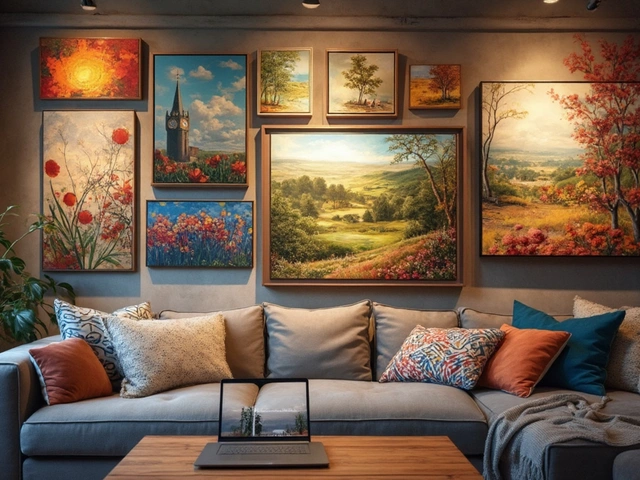
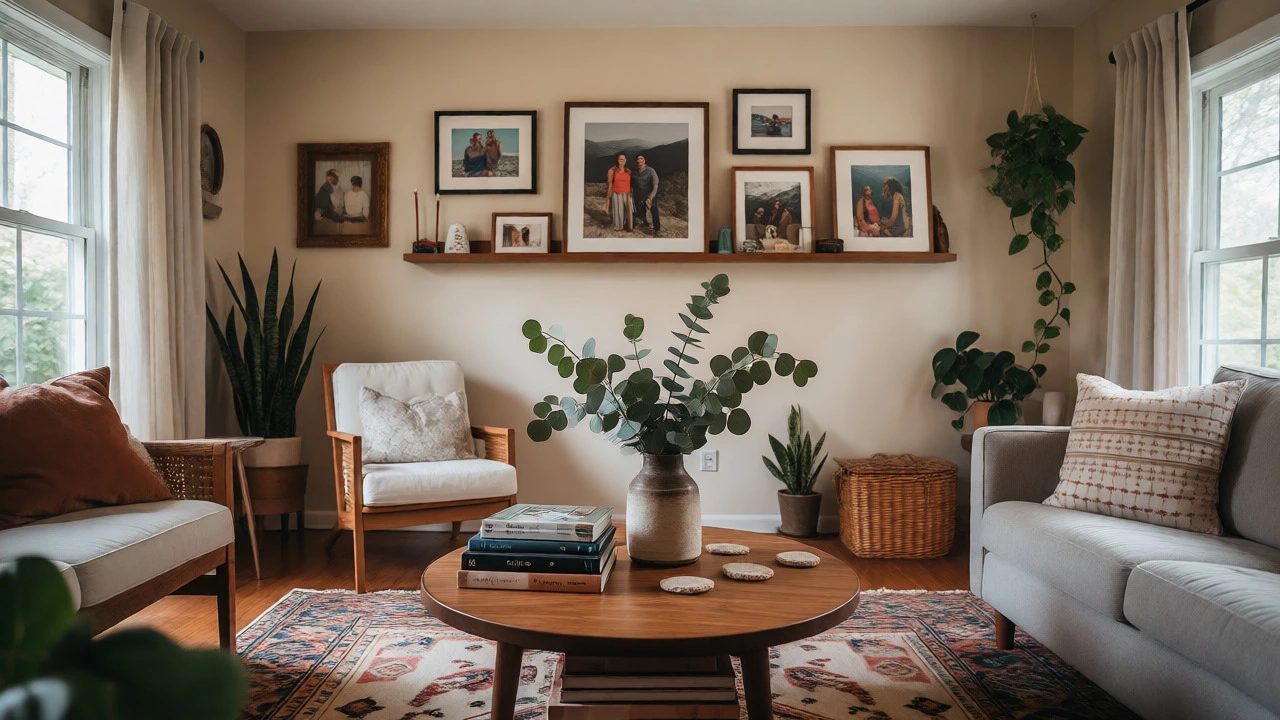
Showroom perfection kills coziness. A home should tell your story. This doesn’t mean clutter. It means intentionality. Display photos of family and friends, but don’t just line them up on a shelf. Group them with other objects. Maybe a framed photo sits next to a souvenir from a trip to Queenstown or a book you loved. These items spark conversation and memory.
Books are excellent decor. Stacking books on coffee tables or filling empty shelf spaces makes a room feel lived-in. Choose covers with interesting spines or colors that complement your palette. Art should reflect your taste, not what’s trending on Pinterest. If you hate abstract art, don’t buy it because an influencer did. Hang something that makes you smile every time you look at it. That emotional connection is what makes a house a home.
Arrange Furniture for Conversation
Furniture layout dictates how people interact. If all your seats face the TV, you’re watching, not connecting. Pull furniture away from the walls. Floating a sofa in the middle of the room creates intimacy. Angle chairs slightly toward each other rather than facing straight ahead. This encourages eye contact and conversation.
Consider the "conversation circle." Arrange seating so everyone can see each other without turning their necks too far. Use small side tables within arm’s reach so people can put down drinks or phones easily. Nothing ruins a cozy vibe faster than having to stand up to grab a mug. Accessibility equals comfort. If you have a large open-plan living area, use rugs or bookshelves to define the living zone separately from the dining area. This creates a sense of enclosure and safety.
Incorporate Natural Elements
Biophilic design-bringing nature indoors-is scientifically proven to reduce stress. Houseplants improve air quality and add organic shapes that break up rigid lines. Snake plants, pothos, and ZZ plants are low-maintenance options for those who forget to water. If you kill succulents, try fake high-quality silk plants instead. No one will know, and they still add greenery.
Use natural materials in your decor. Wood tones, stone coasters, ceramic vases, and rattan baskets bring earthiness into the space. These materials age well and develop patina, which adds character. Avoid too much plastic or chrome. Keep some fresh flowers or branches in a vase. Changing them seasonally keeps the room feeling alive and connected to the outside world.
Manage Scent and Sound
Scent is powerful. It triggers memory instantly. Your living room shouldn’t smell like nothing, nor should it smell like a chemical factory. Use essential oil diffusers, beeswax candles, or simmer pots with cinnamon and orange peels. Find a signature scent that you associate with relaxation. When guests come over, that scent becomes part of your home’s identity.
Sound matters too. Silence can feel heavy. Soft background music, a vinyl record spinning, or even a quiet fan can fill dead air. Acoustic panels aren’t always necessary, but soft furnishings help dampen echoes. If your room sounds hollow, you’ve missed a textural step. Go back and add more fabric. A quiet, acoustically treated room feels private and calm.
| Problem | Root Cause | Quick Fix |
|---|---|---|
| Feels Cold/Sterile | Lack of textiles | Add throw blankets and cushions |
| Too Bright/Harsh | Overhead lighting only | Add floor lamps with 2700K bulbs |
| Feels Empty | Walls bare/floor bare | Add a large rug and wall art |
| No Personality | Generic decor | Display personal photos/books |
Frequently Asked Questions
Do I need to replace my sofa to make the room cozy?
No, absolutely not. You can transform any sofa with accessories. Add a chunky knit throw, swap out stiff pillows for softer ones, and ensure it’s positioned comfortably relative to the rest of the room. Texture and placement matter more than the brand or price tag of the furniture itself.
What color palette works best for a homey living room?
Warm neutrals like beige, cream, taupe, and soft greys are safe bets. Earth tones like terracotta, olive green, and burnt orange also work well. However, dark colors like navy or charcoal can feel cozy if balanced with plenty of warm lighting and textured textiles. Avoid stark white unless you layer heavily with other elements.
How many lamps do I need?
Aim for at least three light sources per room. Typically, this means one overhead fixture (dimmed), one floor lamp, and one or two table lamps. This allows you to create zones of light rather than illuminating the whole room evenly, which feels more intimate.
Does clutter make a room feel less homey?
It depends on the type of clutter. Organized collections of books, photos, and travel souvenirs feel homey. Random piles of mail, shoes, or toys feel chaotic. Edit your belongings regularly. Keep things that have meaning or function, and store the rest. A curated mess feels lived-in; a random mess feels stressful.
Can I make a rental living room feel homey?
Yes, rentals offer great opportunities for temporary coziness. Use peel-and-stick wallpaper, removable hooks for art, and command strips for hanging items. Focus on portable items like rugs, curtains, lighting, and textiles. These move with you and instantly change the vibe of any space without damaging walls.
Next Steps
Start small. Don’t try to redo the whole room in one weekend. Pick one element-maybe lighting-and fix that first. See how it changes the feel. Then move to textures. Finally, add personal touches. Coziness is built in layers, not bought in a single transaction. Give yourself permission to experiment. Move a chair. Turn off the big light. Light a candle. Notice how the room responds. That responsiveness is the heart of a homey space.