New Build Crack Severity Checker
Not sure if that crack is a cause for concern? Use this tool to evaluate common signs of structural movement versus normal drying shrinkage.
Enter details about the crack to receive an assessment.
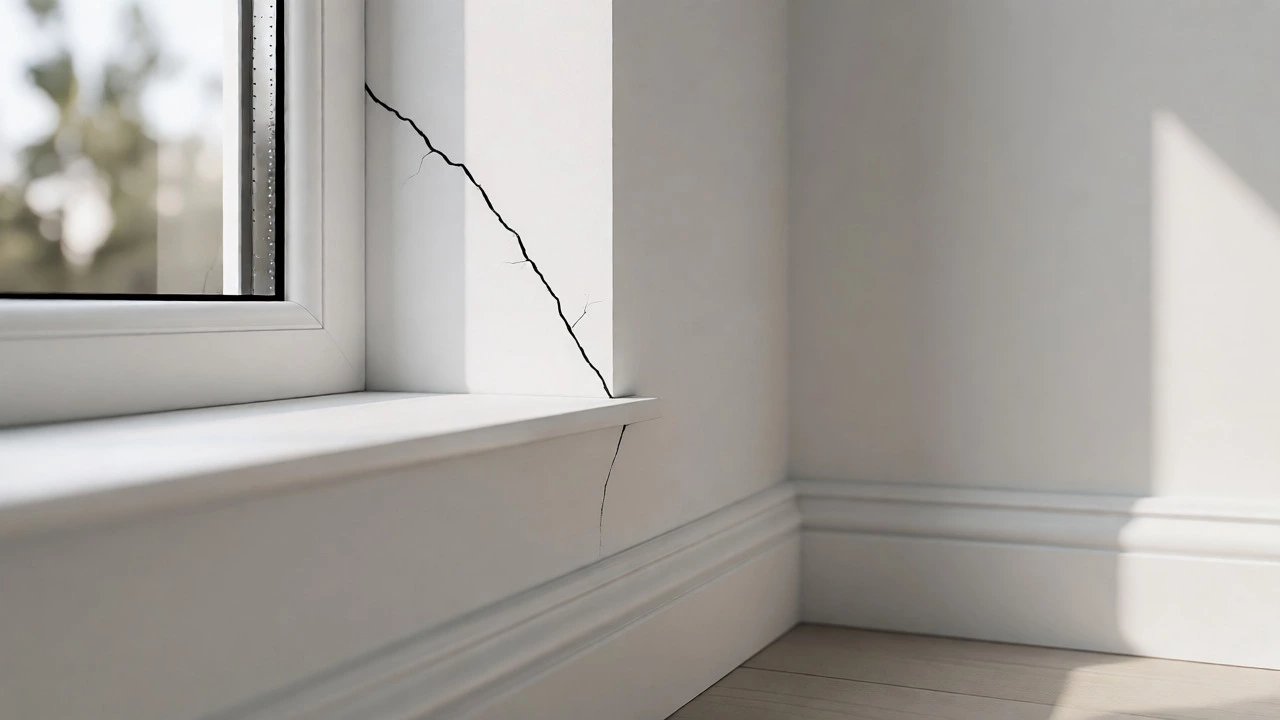
You just got the keys. The paint is fresh, the carpets smell like factory-fresh plastic, and everything looks perfect. Then, six months later, you spot a hairline fracture running diagonally from your bedroom window corner. Panic sets in. Did the builder cut corners? Is your house falling apart?
Here’s the truth: New build cracks are not only common; they are often unavoidable. In fact, most builders expect them. But "unavoidable" doesn't mean you have to ignore them or let them get worse. Understanding why they happen and how to manage the drying-out process can save you thousands in repairs and a lot of stress.
Why Your Shiny New Home Is Moving
Your home isn’t a static object. It’s a living system that reacts to temperature, humidity, and gravity. When a house is built, it contains massive amounts of water. Concrete foundations, screeds, and plaster all require water to cure. As this water evaporates over the first 12-24 months, materials shrink. This process, known as drying shrinkage, creates tension in walls and floors. If the tension exceeds the material's strength, it cracks.
Beyond moisture, there’s thermal movement. Different materials expand and contract at different rates when heated by the sun or cooled by winter nights. Where two different materials meet-like brickwork and timber framing-these movements clash, creating stress points where cracks appear.
The First Year: Managing Humidity and Heating
This is where most homeowners go wrong. They move in during autumn, turn up the central heating to full blast because it’s cold, and keep windows shut tight to keep the heat in. This is a recipe for disaster.
Rapid heating accelerates the evaporation of moisture trapped deep within the structure. Instead of a slow, controlled release, the surface dries out quickly while the core remains wet, leading to severe shrinkage cracks.
- Keep it cool: Aim for a consistent temperature between 18°C and 20°C (64°F-68°F). Avoid cranking the thermostat above 22°C during the first year.
- Ventilate constantly: Even if it’s raining outside, crack windows open slightly. You need airflow to carry away the moist air generated by drying concrete and plaster.
- Use trickle vents: If your windows have trickle vents, leave them open 24/7. They provide background ventilation without losing too much heat.
Think of your house like a sponge. You want it to dry slowly and evenly, not bake rapidly in an oven.

Choosing the Right Paint and Finishes
Not all paints are created equal when it comes to covering future movement. Standard vinyl emulsions form a hard, brittle film. When the wall moves even a millimeter, that hard film snaps, revealing a crack underneath.
For your first coat, ask your decorator or builder to use a flexible, breathable paint. Look for products labeled "elastomeric" or those with high elasticity ratings. These paints stretch as the wall moves, hiding minor shrinkage cracks until the building stabilizes.
| Feature | Elastomeric/Flexible Paint | Standard Vinyl Emulsion |
|---|---|---|
| Elasticity | High (stretches with movement) | Low (brittle, cracks easily) |
| Breathability | Good (allows moisture escape) | Variable (can trap moisture) |
| Cost | Higher upfront cost | Lower upfront cost |
| Best For | First 1-2 years of a new build | Established homes (>5 years old) |
Once the building has settled-usually after two winters-you can switch to standard decorative finishes if you prefer.
Structural Checks: What’s Normal vs. What’s Serious
Not every crack is cosmetic. You need to know when to call the warranty provider versus when to grab some filler.
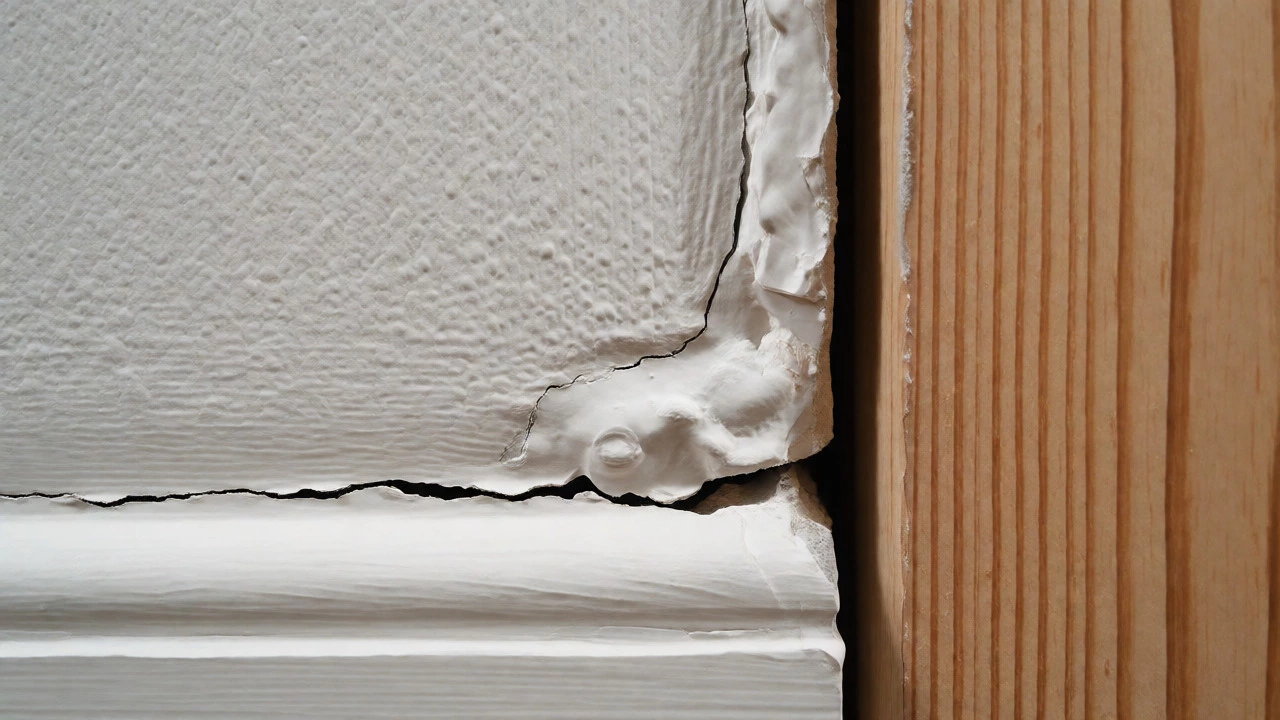
Cosmetic cracks are typically hairline (less than 2mm wide), follow mortar lines, or appear at door/window corners due to differential movement. They don’t affect structural integrity.
Structural concerns involve wider cracks (over 3mm), stepped cracks through brickwork, or doors/windows that suddenly stop closing properly. If you see these, document them immediately.
Under most new build warranties (like NHBC in the UK or similar local equivalents), builders are responsible for fixing defects for the first two years. However, they often try to classify significant cracks as "cosmetic." Keep a photo diary. Take pictures with a coin next to the crack for scale, dated weekly. Evidence trumps arguments.
Landscaping and Drainage Matters
Cracks inside often start outside. If water pools against your foundation, it can cause soil expansion (in clay soils) or erosion. Both lead to uneven settling.
- Check downpipes: Ensure rainwater is discharged at least 1 meter away from the house. Splash blocks help prevent soil erosion near the base.
- Avoid large trees nearby: Planting a willow or oak close to your new driveway or extension can suck moisture from the ground under your footings, causing subsidence.
- Maintain gutters: Blocked gutters overflow water directly onto the facade, saturating brickwork and accelerating freeze-thaw damage in winter.
When to Worry About Subsidence
Subsidence is distinct from settlement. Settlement is normal downward movement due to weight and drying. Subsidence is downward movement caused by loss of support beneath the foundation.
If your cracks widen significantly during dry summer months and close slightly in winter, suspect subsidence. This is more common in areas with high clay content. It’s rare in the first year unless there was poor site preparation, but it’s worth monitoring.
Don’t panic about every tiny line. But do stay proactive. Control your indoor climate, choose flexible finishes, and watch your drainage. Your new build will settle into its skin, but you can control how gracefully it does so.
Are cracks in new builds covered by warranty?
Yes, most new build warranties cover defects for the first two years. This includes fixing cracks that result from poor workmanship or excessive settlement. However, they may argue that minor hairline cracks are cosmetic. Always report issues early and keep photographic evidence to support your claim.
How long should I wait before decorating my new build?
Ideally, wait until the building is fully dried out, which can take 6 to 12 months depending on weather and construction methods. Decorating too early traps moisture behind wallpaper or paint, potentially causing mold or blistering. Use breathable paints initially to allow the structure to continue drying safely.
What causes diagonal cracks around windows?
Diagonal cracks at window corners are usually caused by differential movement. The lintel above the window settles slightly differently than the surrounding masonry, or thermal expansion creates stress at the weakest point-the corner. These are typically cosmetic but should be monitored for width increases.
Can I fix new build cracks myself?
You can fill small cosmetic cracks yourself using flexible acrylic caulk or filler designed for movement. However, avoid doing major repairs during the first year. If you patch a crack now, it might reopen as the house continues to settle, wasting your effort. Let the builder handle structural fixes under warranty.
Does heating cause cracks in new builds?
Aggressive heating definitely contributes. Rapidly raising the temperature speeds up the evaporation of construction moisture, leading to shrinkage cracks. Keeping temperatures moderate and ensuring good ventilation helps the building dry out gradually and reduces the risk of cracking.