Bathroom Color Resale Simulator
Select a wall color and your existing fixture finish to see the predicted buyer reaction and resale impact score.
1. Choose Wall Color
2. Select Fixture Finish
Buyer Perception & Score
Select options to preview room mood
You’re standing in your bathroom, roller in hand, staring at a fan deck of two hundred shades of beige. It’s overwhelming. You want to flip this house for a profit, or maybe you just want to ensure that if life throws you a curveball, you can sell quickly without losing your shirt on renovations. The question isn't just about what looks nice; it's about what sells. Does a bold teal shower surround scare off buyers? Does a stark white room feel too clinical?
Here is the uncomfortable truth: color psychology in real estate is less about art and more about risk mitigation. Buyers are terrified of making a mistake. They don’t want to walk into a room and think, "I have to repaint this before I can move in." Every extra project they see is money out of their pocket. So, when we ask what color bathroom sells the best, we are really asking: which colors make the fewest people say "no"?
The Short Answer: Neutrals Win, But With Nuance
| Color Family | Specific Shade Examples | Buyer Perception | Resale Impact |
|---|---|---|---|
| Warm Whites | Sherwin-Williams Alabaster, Benjamin Moore White Dove | Clean, spacious, modern but not sterile | High - Appeals to broadest demographic |
| Soft Greys | Benchmark Gray, Repose Gray (lightened) | Sophisticated, contemporary, calm | Medium-High - Depends heavily on lighting |
| Greige | Taupe, Mushroom, Oatmeal | Inviting, warm, hides dirt better than white | High - Safe middle ground between grey and beige |
| Pale Blues/Greens | Sea Salt, Palladian Blue (very light tints) | Spa-like, serene, coastal vibe | Medium - Great for primary baths, risky for guest baths |
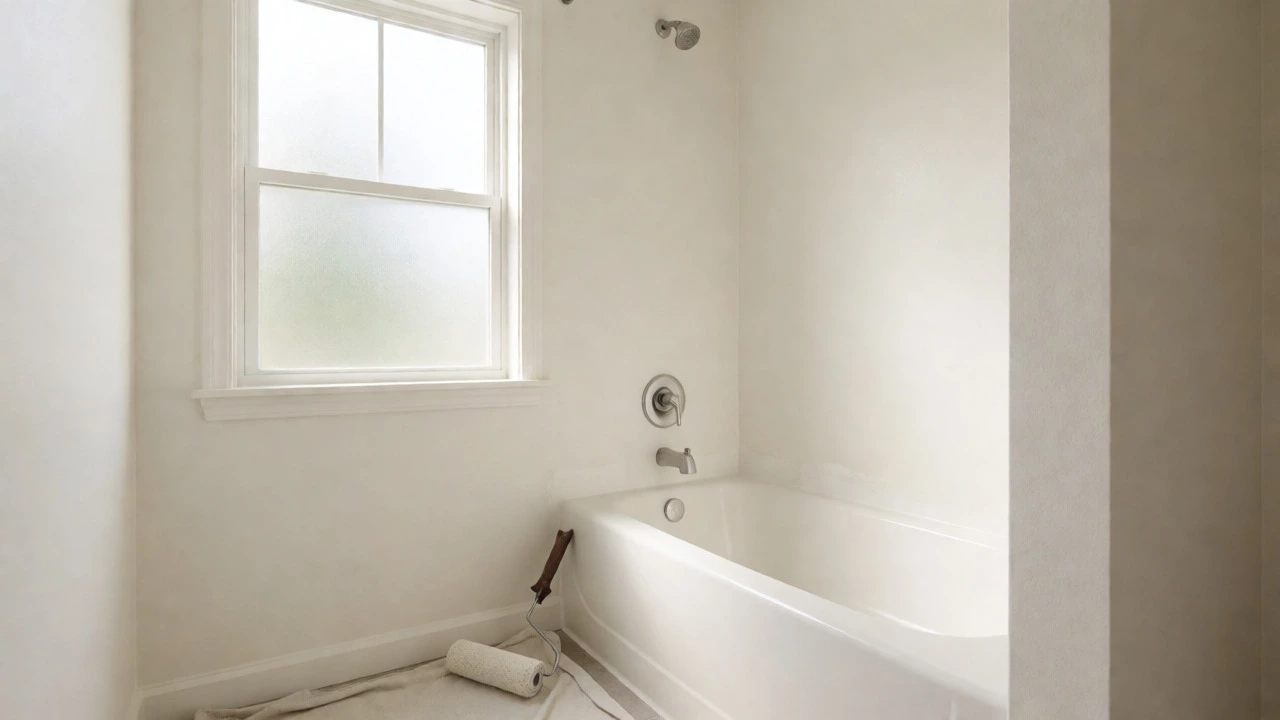
If you had to pick one winner, it would be Warm White with a subtle yellow or red undertone. Not the blinding, hospital-grade pure white. That type of white can look cheap if the walls aren't perfectly smooth, and it makes shadows harsh. Warm whites reflect natural light beautifully, making small bathrooms feel larger and airier. This is crucial because most secondary bathrooms are tiny.
Why does this work? Because it’s a blank canvas. When a buyer walks into a warm white bathroom, they immediately start imagining their own towels, their own soap dispensers, and their own style. If you paint the walls bright orange, they stop imagining their stuff and start calculating the cost of painting over yours.
Why White Isn't Always Right (And What to Use Instead)
There is a misconception that "white" means "pure white." In the world of professional staging and high-end flips, pure white is rarely used on all four walls. Why? Because bathrooms are humid, dirty places. Pure white shows every water spot, every smudge from a wet hand, and every shadow cast by a poor light fixture.
Instead, smart sellers use Off-Whites or high-LRV (Light Reflectance Value) neutrals. Look for paints with an LRV between 70 and 85. These colors bounce enough light to keep the room bright but have enough pigment to hide minor imperfections. Brands like Sherwin-Williams and Benjamin Moore dominate this space. Their "greige" tones-mixtures of grey and beige-are currently outperforming traditional cool greys. Cool greys can sometimes look blue or purple under certain artificial lights, which can make a bathroom feel cold and unwelcoming.
Consider the context of the home. If you are selling a mid-century modern home, a crisp, cool white might actually fit the architectural narrative. But for the average suburban split-level or ranch house, warmth sells. Warmth equals comfort. Comfort equals emotional connection. And emotional connection is what drives offers.
The Role of Lighting in Color Choice
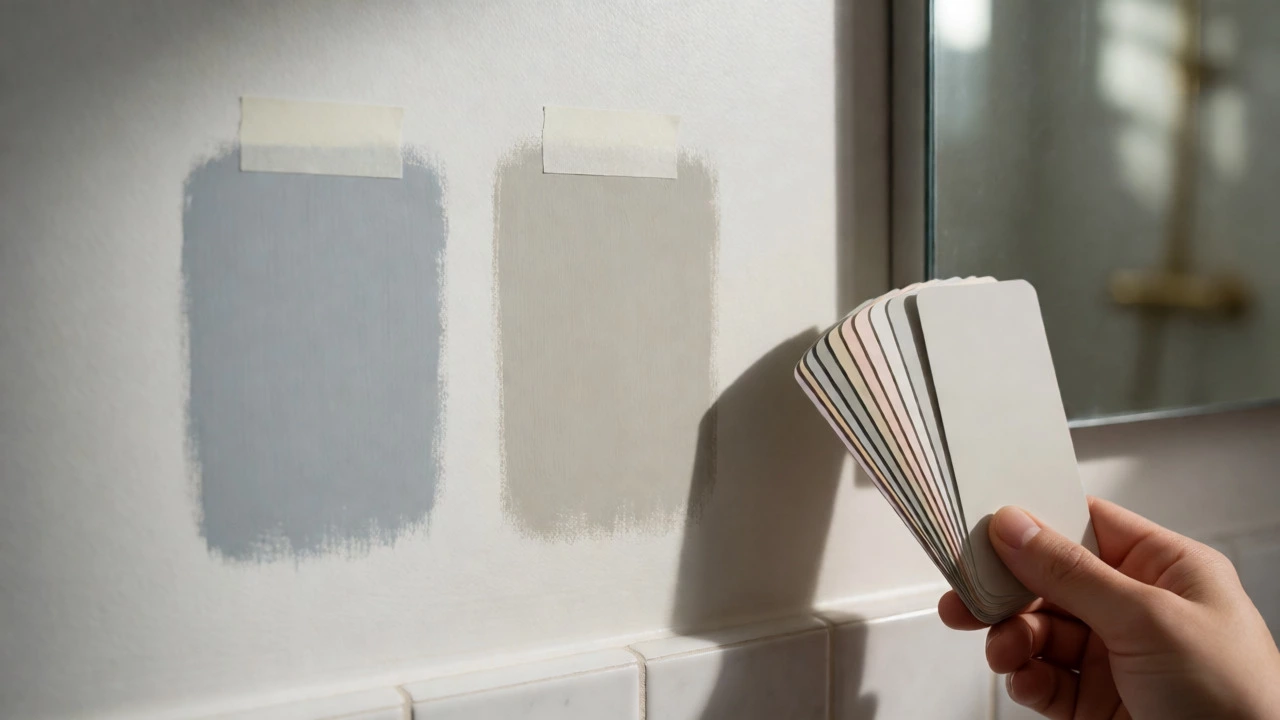
You cannot talk about color without talking about light. A color that looks perfect in the store sample pot can turn greenish-yellow under incandescent bulbs or sickly blue under LED daylight bulbs. Most older homes still have mixed lighting sources. Before you buy ten gallons of paint, do this:
- Paint large swatches: Don't just dab a little bit on the wall. Paint a 2x2 foot section on three different walls.
- Observe at different times: Check the color at noon (natural light), at dusk (mixed light), and at night (artificial light).
- Check the fixtures: If you have brass faucets, avoid cool greys with blue undertones; they will clash. Stick to warmer neutrals that complement gold tones. If you have chrome or nickel fixtures, cooler whites and greys work better.
This step sounds tedious, but it saves thousands in repainting costs later. A buyer who sees a weird color shift due to bad lighting pairing might perceive the whole room as poorly maintained, even if the plumbing is new.
Accent Walls and Accessories: Where You Can Take Risks
So, the walls should be safe. But does that mean the bathroom has to be boring? Absolutely not. The key to maximizing resale value while keeping your sanity is to put personality in the accessories, not the architecture.
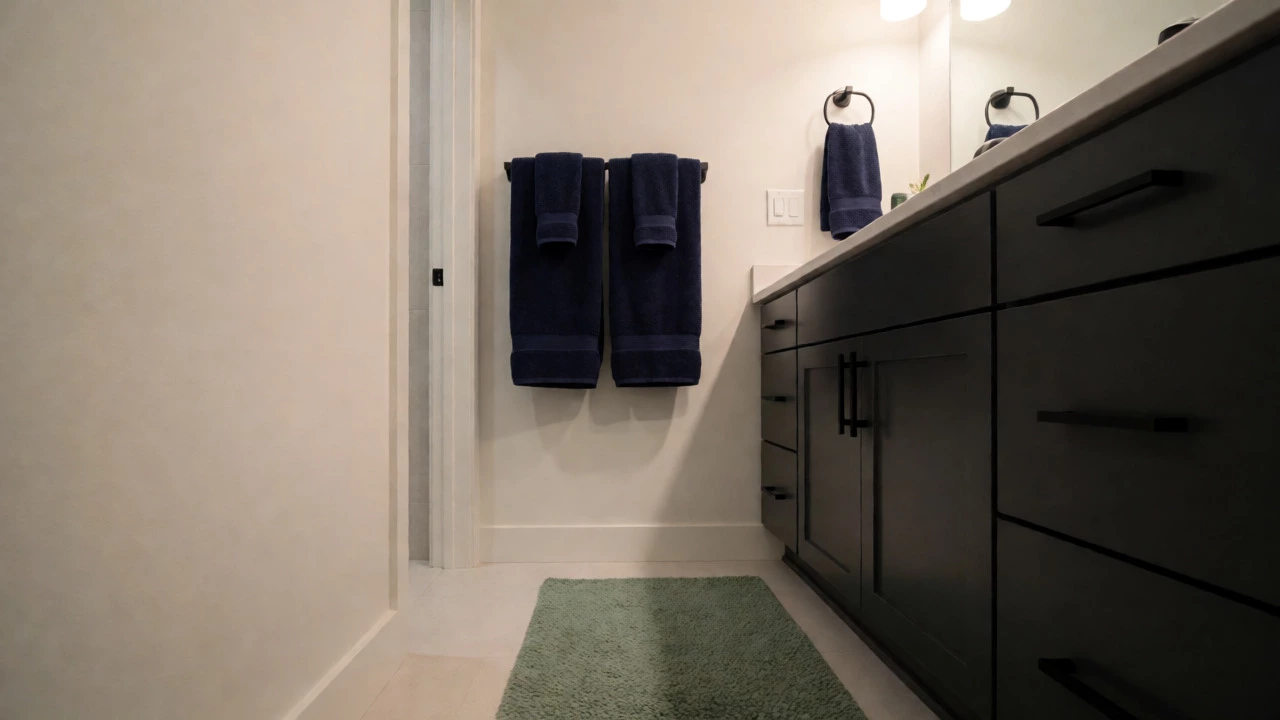
Think of the fixed elements-walls, floor tiles, vanity cabinets-as the suit. They need to fit everyone. The accessories-towels, rugs, artwork, shower curtains-are the tie. You can change those easily. If you love deep navy, hang navy towels. If you love sage green, put a sage green rug on the floor. When the buyer moves in, they can swap those out for $50. They can’t swap out your navy painted walls for $50.
However, there is one place where color adds significant value: the vanity. If you have a builder-grade brown oak vanity, painting it a dark charcoal or a soft cream can transform the entire room. Dark vanities create contrast against light walls, which adds depth and perceived luxury. According to recent data from Zillow and other real estate analytics firms, updated vanities yield some of the highest ROI in bathroom remodels, often recouping 100% or more of the cost if done correctly. Just stick to classic finishes: matte black hardware, brushed nickel, or polished chrome.
What Colors Should You Avoid?
We know what works, but what kills a sale? Here are the colors that consistently raise eyebrows during open houses:
- Bold Primary Colors: Red, bright yellow, or electric blue. These are polarizing. Some people hate them instantly. You lose half your market share the moment you pick up the brush.
- Dark Charcoal or Black Walls: Unless you have massive windows and high ceilings, dark walls shrink the room. Small bathrooms already feel cramped; making them darker feels claustrophobic.
- Yellowed Creams: There is a difference between a fresh warm white and an aged, nicotine-stained cream. If your cream paint looks old rather than intentional, buyers assume the house hasn't been updated in decades.
- Patterned Wallpaper: Even subtle wallpaper can be a dealbreaker. Removal is messy and expensive. If you must have pattern, use peel-and-stick options that can be removed cleanly, or limit it to a single accent area that doesn't cover sightlines.
Regional Differences Matter
Not all markets are created equal. In coastal areas like Florida or California, pale blues and seafoam greens perform exceptionally well because they align with the local lifestyle aesthetic. In urban centers like New York or Chicago, sleek, minimalist whites and greys are preferred for their modern appeal. In rural areas or the Midwest, warmer, earthier tones like taupe and olive green tend to resonate more with buyers looking for a cozy, grounded feel.
Check comparable sales in your specific zip code. Drive around neighborhoods where homes sold in the last six months. Look at the bathrooms through the windows or, if possible, take a tour. See what the successful listings are doing. Mimicry is flattery, and in real estate, mimicry is profit.
Final Checklist Before You Pick Up the Brush
Before you commit to a color, run through this quick audit:
- Is the tile outdated? If you have pink or avocado green tile, no amount of paint will save the room. You either need to replace the tile or paint it specifically designed epoxy paint. Painting over ugly tile with a neutral wall color just highlights the ugliness.
- Are the fixtures matching? Mixing gold, silver, and bronze fixtures looks chaotic. Pick one metal finish and stick to it. If you can't afford to replace fixtures, choose a paint color that complements the existing metal.
- Is the lighting adequate? Add a dimmer switch. It’s cheap ($20) and makes any neutral color look expensive and adjustable.
At the end of the day, the goal of a pre-sale bathroom update isn't to win a design award. It’s to remove friction. You want the buyer to walk in, feel clean, feel spacious, and think, "This is ready for me." Neutral, warm, and well-lit achieves that. Bold, dark, and mismatched creates doubt. And doubt is the enemy of a quick sale.
Does gray paint make a bathroom look smaller?
It depends on the shade. Light, warm grays (greiges) generally make rooms feel larger and more sophisticated. However, dark or cool-toned grays can absorb light, making a small, windowless bathroom feel smaller and cave-like. Always test the color with your specific lighting conditions.
Should I paint my bathroom ceiling the same color as the walls?
For resale, it is usually safer to keep the ceiling white or a very light tint of the wall color. Painting the ceiling the same dark color as the walls can lower the visual height of the room. A lighter ceiling reflects light downward, enhancing brightness and the sense of space.
Is it worth painting the bathroom before selling?
Yes, if the current color is dated, bold, or damaged. Fresh paint is one of the highest ROI improvements you can make. It signals cleanliness and maintenance to buyers. However, if the current color is already a neutral, clean white or beige, repainting may offer diminishing returns unless you are also updating fixtures or lighting.
What is the best paint finish for a bathroom?
Semi-gloss or satin finishes are best. Bathrooms are high-moisture environments. Glossy finishes resist mold, mildew, and moisture better than flat or eggshell paints. They are also easier to wipe down and clean, which is a major selling point for potential buyers.
Do trendy colors hurt resale value?
Trends fade quickly. What was popular five years ago (like heavy textured walls or specific vibrant accents) can now look dated. Sticking to timeless neutrals ensures your bathroom appeals to the widest range of buyers regardless of current micro-trends. Save the trends for removable accessories like towels and decor.