IBC Construction Type Selector
Quick Summary / Key Takeaways
- Type I (Fire Resistive) construction is the most fire-resistant category, using non-combustible materials like reinforced concrete and protected steel.
- The International Building Code (IBC) classifies buildings into five types based on combustibility and fire resistance ratings of structural components.
- Steel structures require fireproofing (spray-applied fire-resistive material or intumescent coatings) to maintain integrity during high-heat events.
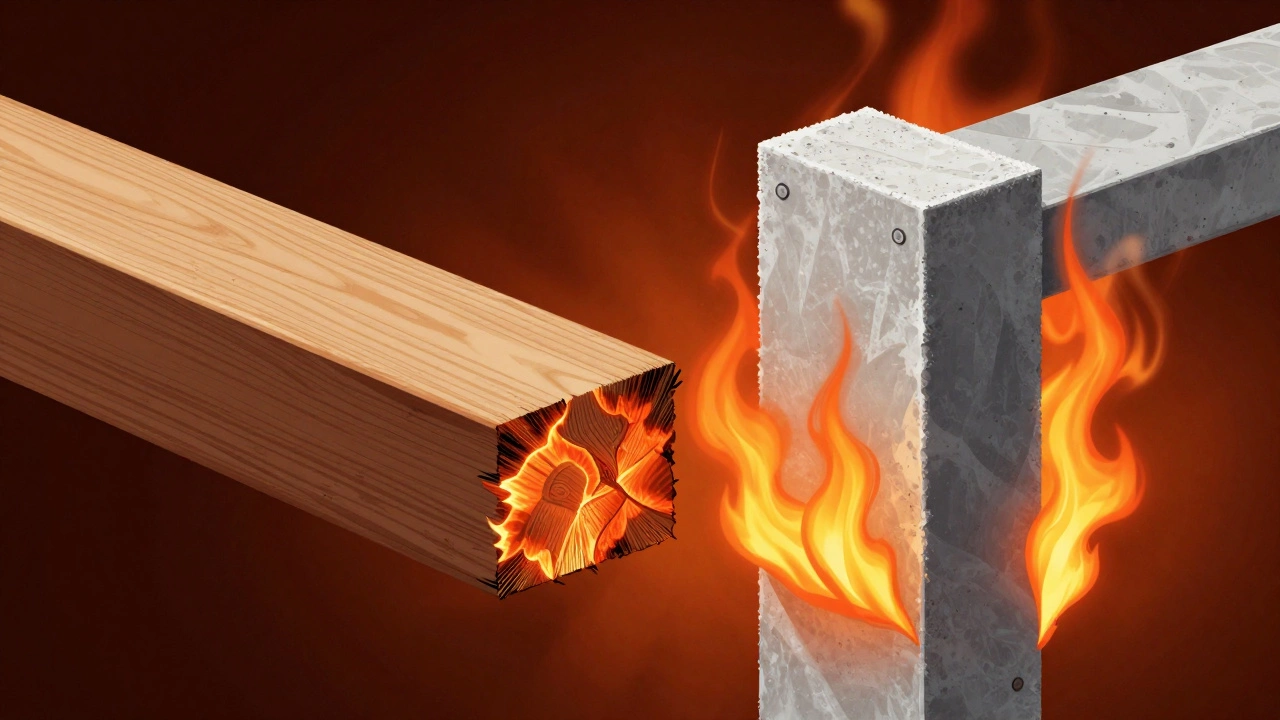
- Concrete naturally resists fire but can spall under extreme thermal shock; proper mix designs mitigate this risk.
- Choosing the right construction type depends on building height, occupancy type, local codes, and insurance requirements.
You’ve probably heard that “steel doesn’t burn.” It’s true-but it also doesn’t hold up well when temperatures soar past 1,000°F. That’s why just picking a metal frame isn’t enough to call a building fire-safe. If you’re planning a commercial project or evaluating existing structures, knowing which construction type offers the best protection against fire is critical-not just for safety, but for compliance, insurance costs, and long-term asset value.
In short, Type I construction-also known as Fire Resistive-is the most fire-resistant classification under modern building codes. But what does that actually mean in practice? And how do other types compare?
Understanding the Five Construction Types
The International Building Code (IBC), adopted by most U.S. jurisdictions and influential globally, defines five main construction types based on two factors:
- Whether structural elements are combustible or non-combustible
- How long those elements can withstand fire before failing (measured in hours)
Here’s a quick breakdown:
| Construction Type | Structural Frame | Wall Systems | Floor/Ceiling Assembly | Roof Structure | Best For |
|---|---|---|---|---|---|
| Type I-A | Non-combustible (2-3 hr) | Non-combustible (1-3 hr) | Non-combustible (1-2 hr) | Non-combustible (1-2 hr) | Sky-high skyscrapers, hospitals |
| Type I-B | Non-combustible (1-2 hr) | Non-combustible (0-1 hr) | Non-combustible (1 hr) | Non-combustible (1 hr) | Midsized office towers, schools |
| Type II | Non-combustible (0-1 hr) | Non-combustible (0-1 hr) | Non-combustible (0-1 hr) | Non-combustible (0-1 hr) | Warehouses, low-rise retail |
| Type III | Non-combustible | Combustible (wood) | Non-combustible | Non-combustible | Traditional brick-and-wood buildings |
| Type IV | Heavy timber (8+ inch members) | Non-combustible | Heavy timber | Heavy timber | Modern lofts, historic-style builds |
| Type V | Combustible (light wood) | Combustible | Combustible | Combustible | Small shops, residential annexes |
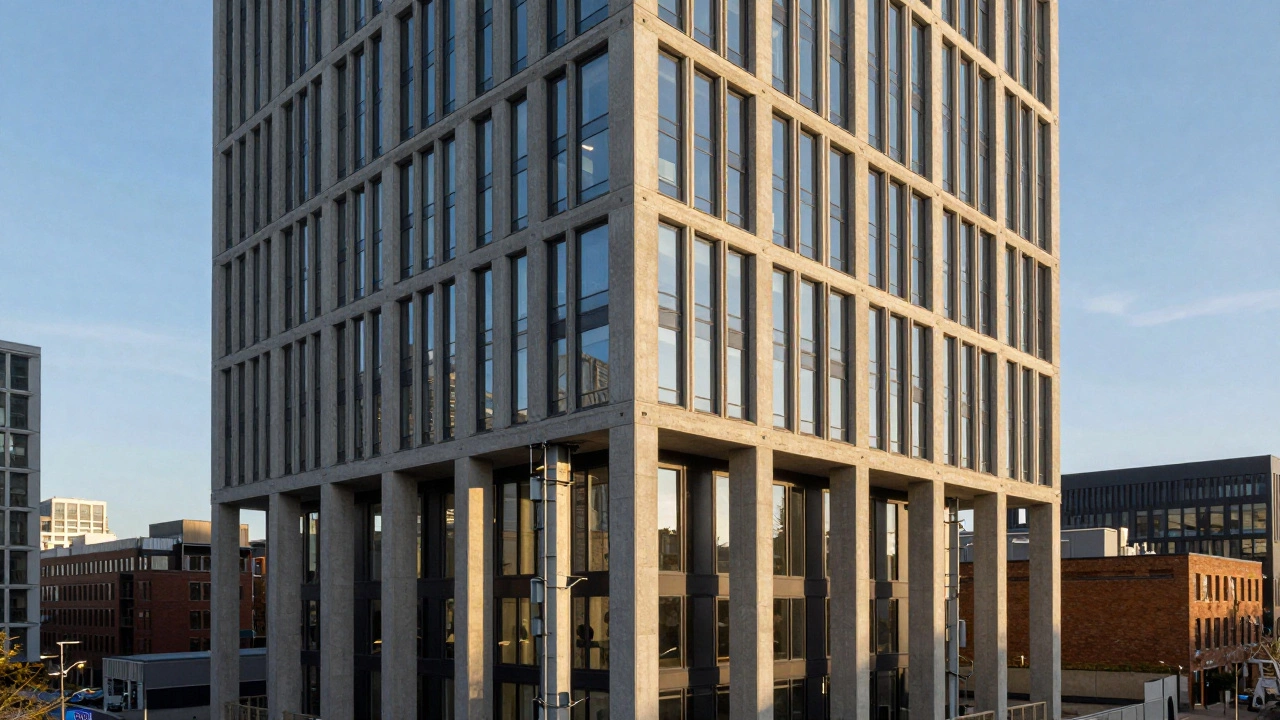
Type I stands out because every major component-from columns to beams to floors-is built from non-combustible materials and rated to resist fire for at least one hour, often two or three. This makes it ideal for high-density occupancies where evacuation takes longer and life safety is paramount.
Why Type I Construction Is the Gold Standard
Let’s get specific about what goes into Type I construction. You’ll typically find:
- Reinforced concrete frames: Concrete has excellent compressive strength and inherently resists heat transfer. When mixed with rebar, it forms a skeleton that won’t ignite or collapse quickly under fire stress.
- Protected steel structures: Steel loses about half its strength at 1,100°F. To prevent premature failure, engineers apply fireproofing such as spray-applied fire-resistive material (SFRM), gypsum board encasement, or intumescent paint that expands when heated to insulate the metal.
- Fire-rated assemblies: Walls, floors, and ceilings use layered systems including mineral wool insulation, cementitious boards, and sealed penetrations to stop flame spread and smoke migration.
A real-world example? The Willis Tower in Chicago uses a bundled tube design with reinforced concrete cores and protected steel outriggers. During testing simulations, these systems held up for over three hours in full-scale fire scenarios-well beyond code minimums.
Another case: Auckland’s Sky Tower relies heavily on Type I principles despite being primarily concrete. Its central core acts as a vertical firewall, compartmentalizing potential fire zones and allowing safe egress even if lower levels are compromised.
Common Misconceptions About Fire Resistance
Many people assume heavier equals safer. Not always true. Consider heavy timber (Type IV). While large wooden beams char slowly and retain structural capacity longer than light-frame wood, they still contribute fuel load. In contrast, Type I uses zero combustible structural mass.
Others think sprinklers eliminate the need for fire-resistant construction. They don’t. Sprinklers control small fires early-but if suppression fails or power goes out, passive fire resistance becomes your last line of defense. Think of them as complementary layers, not substitutes.
And here’s a surprising fact: some lightweight steel trusses used in warehouses (Type II) fail faster than expected because thin gauge metals warp rapidly without adequate protection. Without proper fireproofing, those roofs can collapse within minutes.
When Do You Need Type I Construction?
You might be wondering whether your project qualifies-or requires-Type I status. Here’s how to tell:
- Height matters: Most cities mandate Type I for buildings taller than 75 feet (varies by jurisdiction). Above 150 feet, only Type I-A is permitted due to increased escape difficulty.
- Occupancy type drives demand: Hospitals, nursing homes, correctional facilities, and assembly halls housing more than 300 people usually require Type I regardless of size.
- Insurance incentives: Carriers offer premium discounts for Type I buildings since claims related to total loss are significantly reduced. One insurer reported a 40% drop in payouts after retrofitting older malls with upgraded fire barriers.
- Zoning restrictions: Dense urban centers limit combustible materials near transit hubs or emergency services stations.
If your site sits adjacent to a school or hospital, local authorities may impose stricter rules-even for standalone structures-to protect neighboring populations.
Alternatives Worth Considering
Type I isn’t always necessary-or cost-effective-for every project. Let’s look at alternatives:
- Type II Non-Combustible: Ideal for single-story distribution centers. Uses unprotected steel but limits exposure through open layouts and fast response times.
- Type IV Heavy Timber: Gaining popularity in boutique offices and restaurants. Offers aesthetic warmth while meeting moderate fire performance via charring rates (~1.5 inches per hour).
- Hybrid Systems: Combine concrete cores with steel perimeter frames. Reduces weight compared to all-concrete designs while maintaining core stability during fires.
For instance, a new tech campus in San Jose opted for hybrid construction: concrete shear walls inside, steel moment frames outside. Result? Faster build schedule, lower foundation loads, and acceptable fire ratings for Class B occupancy.
Pro Tips for Maximizing Fire Safety
No matter which type you choose, follow these practical steps:
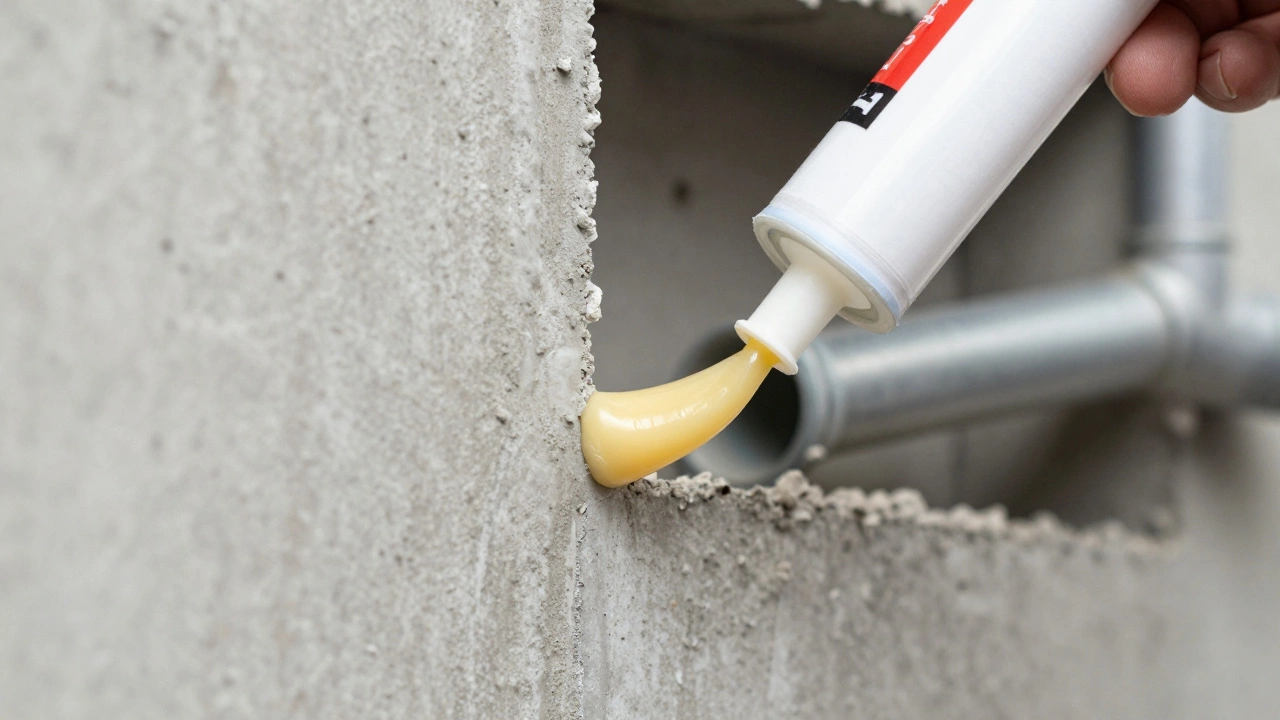
- Seal penetrations properly: Electrical conduits, HVAC ducts, and plumbing pipes create weak points. Use firestop putty, wraps, or mortar sleeves rated for the same duration as surrounding assemblies.
- Inspect fireproofing regularly: Damage from impacts or moisture reduces effectiveness. Schedule annual checks, especially in industrial settings where forklifts operate near columns.
- Use tested products: Look for UL-listed or Intertek-certified components. Unverified materials may claim compliance but perform poorly in actual fires.
- Design for redundancy: Include multiple exit paths, stairwells separated by fire walls, and backup power for alarms and elevators.
One overlooked detail: door closers. Even the best fire door fails if left ajar. Install automatic closing mechanisms linked to smoke detectors-they shut automatically upon detection, buying precious time.
Frequently Asked Questions
Is Type I construction required for all commercial buildings?
No. Requirements depend on height, occupancy classification, square footage, and location. Low-rise retail spaces often qualify for Type II or III. Always consult local building officials and review the applicable edition of the International Building Code.
Can I upgrade an older building to Type I standards?
Yes, though it involves significant work. Common upgrades include adding fire-rated drywall linings, installing SFRM on exposed steel, replacing combustible partitions, and upgrading electrical systems. Retrofitting must meet current code provisions unless grandfathered under previous editions.
What’s the difference between Type I-A and Type I-B?
Type I-A demands higher fire resistance ratings across all structural elements-typically 2-3 hours versus 1-2 hours for I-B. I-A allows greater heights and areas without additional fire suppression features. I-B suits mid-tier projects balancing budget and performance.
Does concrete alone make a building fireproof?
Not exactly. Concrete resists fire better than wood or steel but can crack or spall under intense heat. Proper reinforcement spacing, aggregate selection (like silica-free mixes), and cover depth over rebar improve durability. Additionally, joints and connections still need sealing to prevent flame propagation.
How much does Type I construction cost compared to other types?
Expect 15-30% higher upfront costs than Type II or V due to specialized materials and labor. However, lifecycle savings come from lower insurance premiums, fewer disruptions from partial losses, and extended service life. Long-term ROI favors Type I for permanent, high-value assets.
Are there international equivalents to IBC construction types?
Yes. Europe follows Eurocode 1 Part 1-2, categorizing buildings similarly using reaction-to-fire classes (A1-D) and fire resistance durations. Australia/New Zealand use AS/NZS 1170 series with comparable tiered approaches. Cross-border developers should align specifications early to avoid redesign delays.
What happens if a Type I building suffers structural damage in a fire?
Even with robust design, severe exposure can weaken concrete or degrade fireproofing. Post-fire assessments involve thermographic imaging, core sampling, and load testing. Repairs may include epoxy injection, jacketing damaged columns, or applying fresh SFRM. Never occupy until certified by a licensed structural engineer.