Bathroom Hardware Harmony Checker
Select your primary fixture (Faucet) and the accessory you are considering (Towel Bar) to see if they create harmony or clash.
1. Select Your Faucet Finish
This is your "Anchor" – the hardest item to change.2. Select Towel Bar Finish
The accessory you want to add.Please select a Faucet and a Towel Bar finish above to get your design verdict.
You’re standing in the plumbing aisle at your local hardware store, holding a brushed nickel towel bar in one hand and a matte black faucet in the other. You freeze. Do these two things need to be best friends, or can they just be acquaintances? This is the million-dollar question that stops more DIYers dead in their tracks than almost any other decision in a bathroom renovation. It’s not just about aesthetics; it’s about whether you want your space to look like a cohesive hotel suite or a curated collection of interesting objects.
Here’s the short answer: No, they don’t have to match perfectly. But here’s the longer, more useful answer: They need to talk to each other. If you ignore the relationship between your faucet and your towel bar, you risk creating visual chaos. On the flip side, forcing them to match exactly can make a small bathroom feel dated or overly staged. Let’s break down how to navigate this without losing your mind or your budget.
The Myth of Perfect Matching
For decades, the rule was simple: buy the "set." The faucet, the showerhead, the towel ring, and the toilet paper holder all came in the same box, with the same finish. This was safe. It was easy. And frankly, it often looked like every other house on the block. Today, designers are moving away from this monolithic approach because it lacks personality.
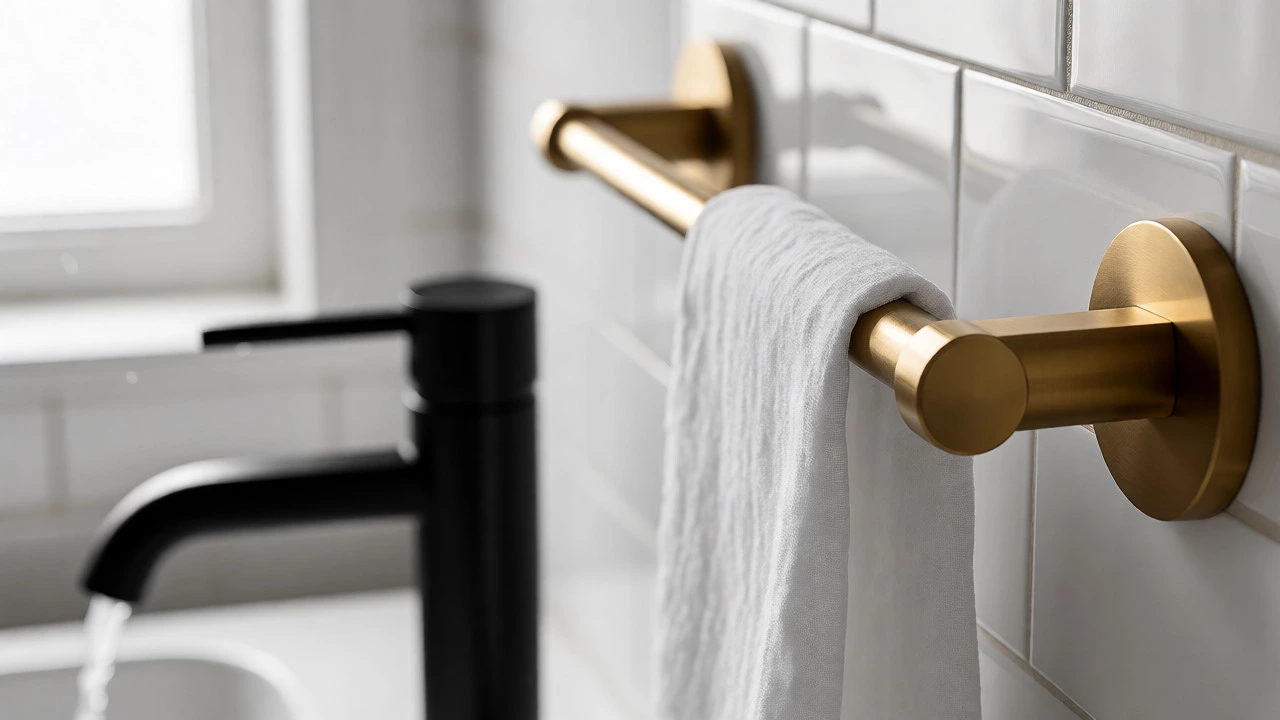
Think about your living room. You probably don’t have a sofa, coffee table, and lamp made of the exact same wood from the same tree. You mix textures and tones to create depth. Your bathroom deserves the same consideration. A matte black faucet paired with brushed gold accents creates a modern, industrial vibe that feels intentional rather than accidental.
However, there is a catch. Mixing finishes requires a bit more planning. If you throw random metal types together without a unifying element, the room looks messy. The goal isn't uniformity; it's harmony. You want the eye to travel smoothly from the sink to the wall accessories without stumbling over clashing colors.
When You Should Match Your Hardware
There are specific scenarios where playing it safe by matching your towel bar to your faucet is actually the smartest move. Knowing when to stick to the script saves you from second-guessing yourself later.
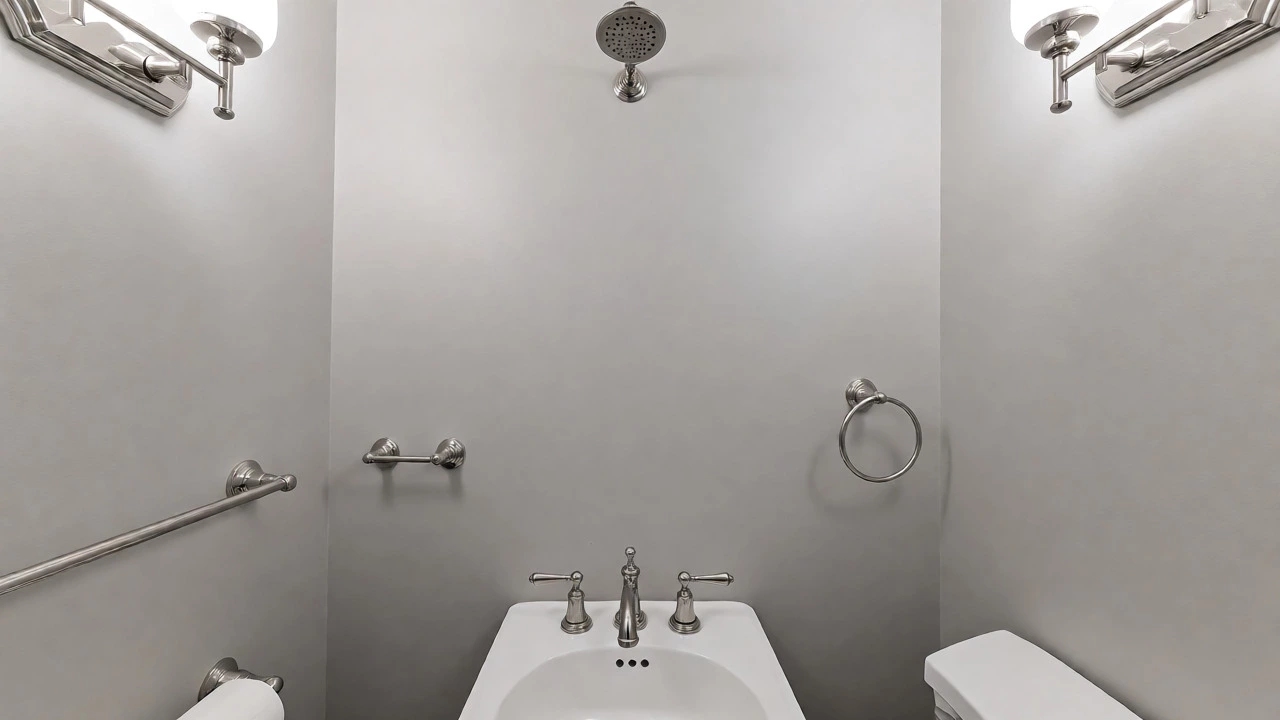
- Small Bathrooms: In a tiny powder room, visual clutter is your enemy. Too many different metals can make the space feel cramped and busy. Using one dominant finish for all fixtures helps the room feel larger and cleaner.
- Rental Properties: If you’re renovating for resale or renting out a unit, neutral, matching hardware appeals to the widest audience. Buyers and tenants often prefer a "turnkey" look where everything coordinates effortlessly.
- Traditional Styles: Classic or traditional bathrooms rely on symmetry and order. A polished chrome faucet should generally pair with polished chrome accessories to maintain that crisp, formal aesthetic.
- Budget Constraints: Buying sets is often cheaper than buying individual pieces from different brands. If you’re watching your wallet, sticking to one finish keeps costs down and simplifies shopping.
If you fall into any of these categories, stop worrying. Buy the matching set. It works, it’s efficient, and no one will judge you for it.
The Art of Mixing Finishes
If you’re ready to break the rules, mixing finishes is where the magic happens. But you can’t just grab whatever catches your eye. There’s a method to the madness. The most common mistake people make is using too many distinct metals. Stick to two, maybe three if you’re careful.
Start by choosing your "anchor" finish. This is usually the largest visual element, which is typically the faucet or the shower fixture. Why? Because water fixtures are permanent. Changing a faucet is a hassle; changing a towel bar takes ten minutes. So, let the expensive, hard-to-change item dictate the palette.
Once you’ve picked your anchor (say, matte black), choose a secondary finish for smaller items. Brushed brass, oil-rubbed bronze, or even stainless steel can work beautifully against black. The key is contrast. Matte black and brushed brass offer a warm-cool balance that feels sophisticated. Matte black and bright chrome can feel cold and disjointed unless you add warmth through wood tones or textiles.
| Primary Fixture (Faucet) | Recommended Secondary (Towel Bar) | Vibe Created | Best For |
|---|---|---|---|
| Matte Black | Brushed Brass / Gold | Industrial Chic | Modern Farmhouse, Loft Apartments |
| Polished Chrome | Satin Nickel | Clean & Timeless | Transitional, Coastal Styles |
| Oil-Rubbed Bronze | Matte Black | Rustic Warmth | Traditional, Craftsman Homes |
| Brass (Unlacquered) | Matte White | Soft Minimalism | Scandi, Japandi Designs |
How to Make Mismatched Metals Look Intentional
So, you’ve decided to mix. Now what? How do you ensure your bathroom doesn’t look like a junk drawer exploded? The secret lies in repetition and bridging elements.
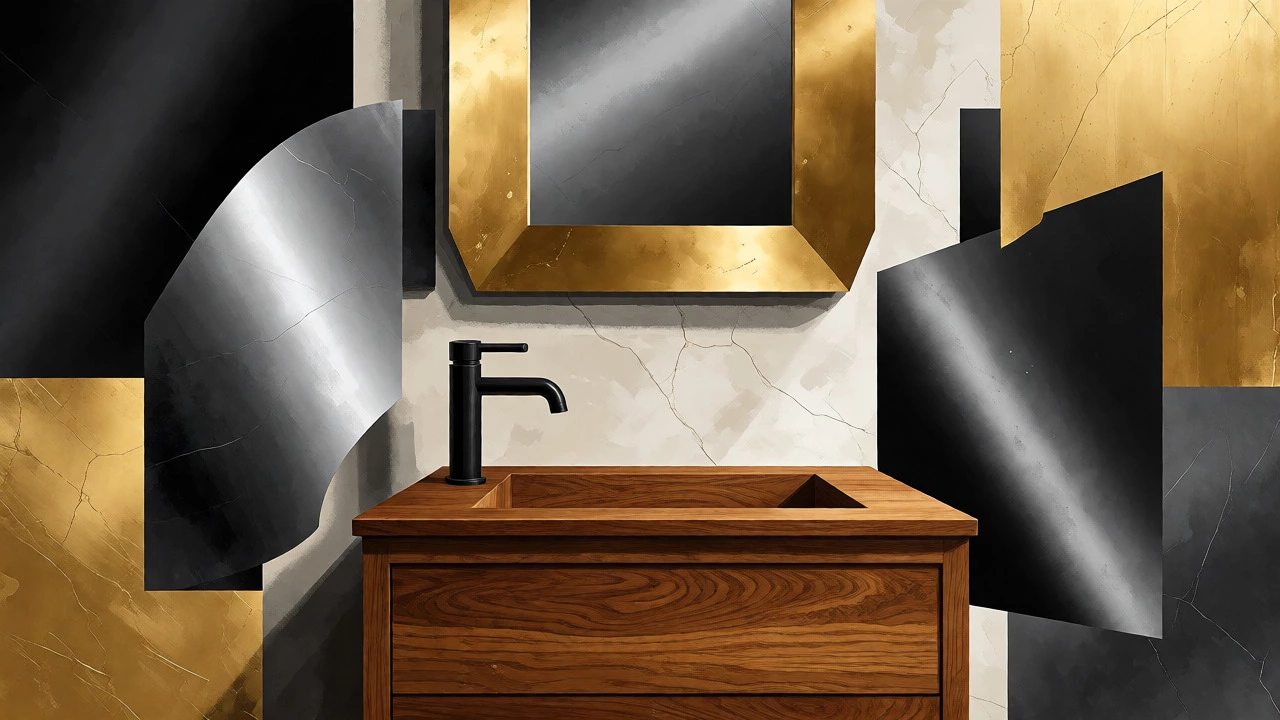
First, repeat your secondary finish at least twice in the room. If you use a brass towel bar, consider adding a brass mirror frame or a brass soap dispenser. When an accent color appears multiple times, the brain reads it as a deliberate design choice rather than a mistake.
Second, use a third element to bridge the gap. Wood is fantastic for this. A wooden vanity or a bamboo shelf can sit comfortably next to both black metal and brass metal, acting as a neutral mediator. Similarly, white subway tiles or marble countertops provide a clean background that lets mixed metals shine without competing.
Third, pay attention to sheen. Don’t mix high-gloss finishes with low-sheen finishes unless you really know what you’re doing. Glossy chrome next to matte black can look jarring. Try to keep the light reflection similar. If your faucet is satin nickel, pair it with a satin nickel or brushed brass towel bar, not a shiny chrome one. Consistency in texture makes different colors feel related.
Practical Considerations Beyond Aesthetics
While we love talking about style, let’s talk about reality. Not all finishes are created equal when it comes to maintenance. This is especially relevant if you live in an area with hard water, like parts of Auckland where mineral buildup is a real nuisance.
Matte finishes are trendy, but they can be finicky. Some matte black coatings chip easily if hit with a heavy shampoo bottle. Others resist fingerprints well but show water spots dramatically. Polished chrome is durable and easy to wipe down, but it shows every toothpaste splatter. Oil-rubbed bronze hides grime well but can fade unevenly over time if exposed to harsh cleaners.
Check the warranty and care instructions before you commit to a mismatched look. If you hate cleaning, avoid bright polished brass that requires regular polishing to prevent tarnishing. Instead, opt for lacquered brass or PVD-coated finishes that maintain their color with minimal effort. Remember, a beautiful bathroom that’s impossible to keep clean quickly becomes a source of stress.
Common Mistakes to Avoid
Even experienced decorators trip up here. Here are the biggest pitfalls to watch out for when deciding whether your towel bar should match your faucet.
- Using too many finishes: Three is pushing it. Four is chaos. Stick to two primary metals plus neutrals like white, black, or wood.
- Ignoring lighting: Metal looks different under warm LED lights versus cool daylight bulbs. Test your finish samples in your actual bathroom lighting before buying.
- Forgetting door handles: Your bathroom door handle is part of the hardware family. If you have a sleek matte black faucet, a cheap plastic white door handle will ruin the effect. Upgrade the handle to match one of your chosen finishes.
- Assuming "Gold" means "Yellow": There are dozens of shades of gold-rose, antique, champagne, brass. These do not always match. Hold physical samples together to check for undertone clashes.
Final Verdict: Trust Your Eye, Not the Rulebook
At the end of the day, your home is yours. Rules are guidelines, not laws. If you love the look of a vintage brass faucet with modern chrome hooks, go for it. The only bad design is one that makes you uncomfortable.
Start with the faucet because it’s the hardest thing to change. Then, build your accessory strategy around it. Use the table above as a cheat sheet, test your samples in natural light, and remember that repetition creates cohesion. Whether you match or mix, confidence is the best finish you can apply.
Does the showerhead need to match the faucet?
Generally, yes. The showerhead and faucet are usually part of the same plumbing system and are viewed together frequently. Keeping them in the same finish ensures a seamless look. However, if you have a separate handheld sprayer, some designers allow for a slight variation, but it’s safer to keep them identical.
Can I mix brushed nickel and chrome?
Yes, but be careful. They are very similar in tone, so the difference might look like a mistake rather than a design choice. If you mix them, ensure there is a clear distinction in texture or use them in different zones (e.g., chrome in the shower, nickel at the sink) to avoid direct comparison.
What is the most popular bathroom hardware finish right now?
As of late 2026, matte black remains incredibly popular for its modern appeal, but brushed brass and unlacquered brass are seeing a massive surge in popularity for their warm, organic feel. Polished nickel is also making a strong comeback as a softer alternative to chrome.
Do cabinet pulls need to match towel bars?
Not necessarily, but they should coordinate. Cabinet pulls are functional hardware, while towel bars are decorative. You can mix them, but try to keep them within the same family of metals. For example, if your cabinets have matte black pulls, your towel bars could be matte black or brushed brass, but avoid shiny chrome.
Is it cheaper to buy hardware as a set?
Usually, yes. Manufacturers often bundle faucets, showerheads, and accessories into kits that cost less than buying each item individually. However, if you are mixing finishes, you will likely have to buy items separately, which may increase the total cost slightly.