3-5-7 Rule in Interior Design: What It Is and How It Works
When you walk into a room that just feels right, it’s often not by accident. It’s likely the result of the 3-5-7 rule, a design principle that uses odd numbers of objects to create visual harmony and balance in a space. Also known as the odd-number rule, it’s a simple trick pros use to avoid cluttered or too-stiff arrangements. This isn’t about strict math—it’s about how your eyes naturally move through a room. Groups of three, five, or seven items feel more dynamic and organic than even numbers, which can look accidental or too symmetrical.
The 3-5-7 rule, a design principle that uses odd numbers of objects to create visual harmony and balance in a space. Also known as the odd-number rule, it’s a simple trick pros use to avoid cluttered or too-stiff arrangements. This isn’t about strict math—it’s about how your eyes naturally move through a room. Groups of three, five, or seven items feel more dynamic and organic than even numbers, which can look accidental or too symmetrical.
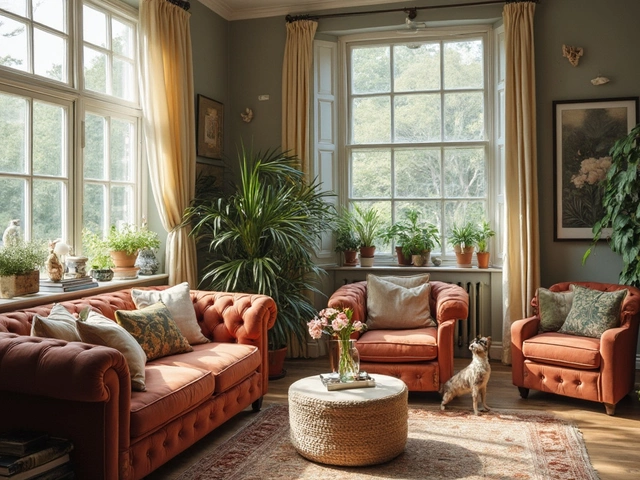
Think about your coffee table. Three candles? That feels intentional. Four? It looks like you just grabbed whatever was nearby. Five books stacked with a small plant on top? That’s a curated moment. Seven throw pillows on a large sectional? It works because the eye can’t settle on just one—it keeps moving, taking in the rhythm. This rule applies to lighting fixtures, artwork groupings, shelf displays, and even kitchen utensils on a counter. It’s not about filling space—it’s about creating flow.
The color grouping, the intentional arrangement of hues in a space to guide attention and create mood. Also known as color harmony, it’s a key part of how the 3-5-7 rule functions in practice. You don’t just group objects—you group them by tone. Three navy vases with a single brass accent? That’s color grouping working with the rule. Five framed prints in two shades of gray? That’s visual rhythm. The rule doesn’t care if the items are identical—it cares that they feel connected. That’s why mixing materials (wood, metal, ceramic) in a group of five still works if the colors or shapes echo each other.
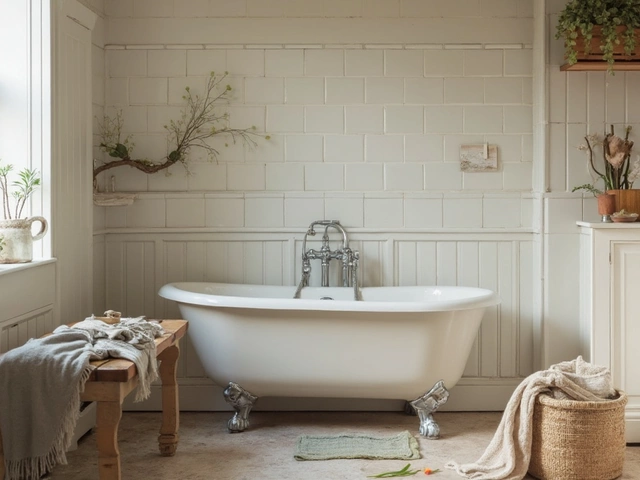
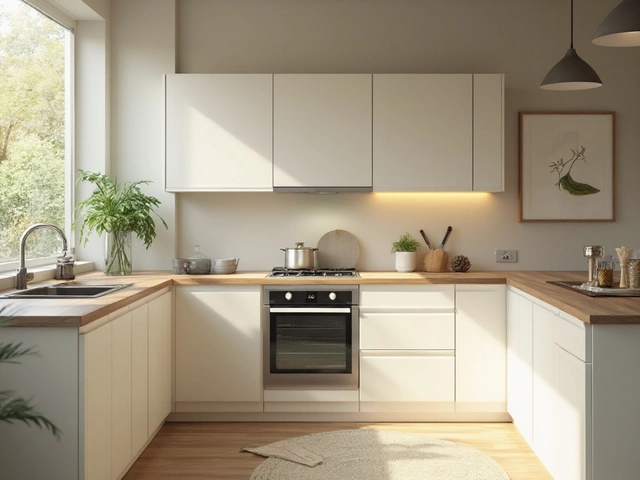
And here’s the thing: this rule isn’t just for living rooms. It shows up in kitchens (three pendant lights over an island), bathrooms (five towels rolled on a shelf), and even entryways (seven keys on a single hook board). It’s the reason a single vase on a mantel feels lonely, but three feel complete. It’s why a gallery wall with five frames looks intentional, not random. You’re not decorating—you’re composing.
What you’ll find below are real examples from actual homes. How one family used the 3-5-7 rule to fix a cluttered shelf. Why a designer grouped seven lighting fixtures in a commercial space and how it changed the whole feel. What happens when you break the rule—and why sometimes, you should. These aren’t theory pieces. They’re fixes, wins, and lessons from people who lived it.
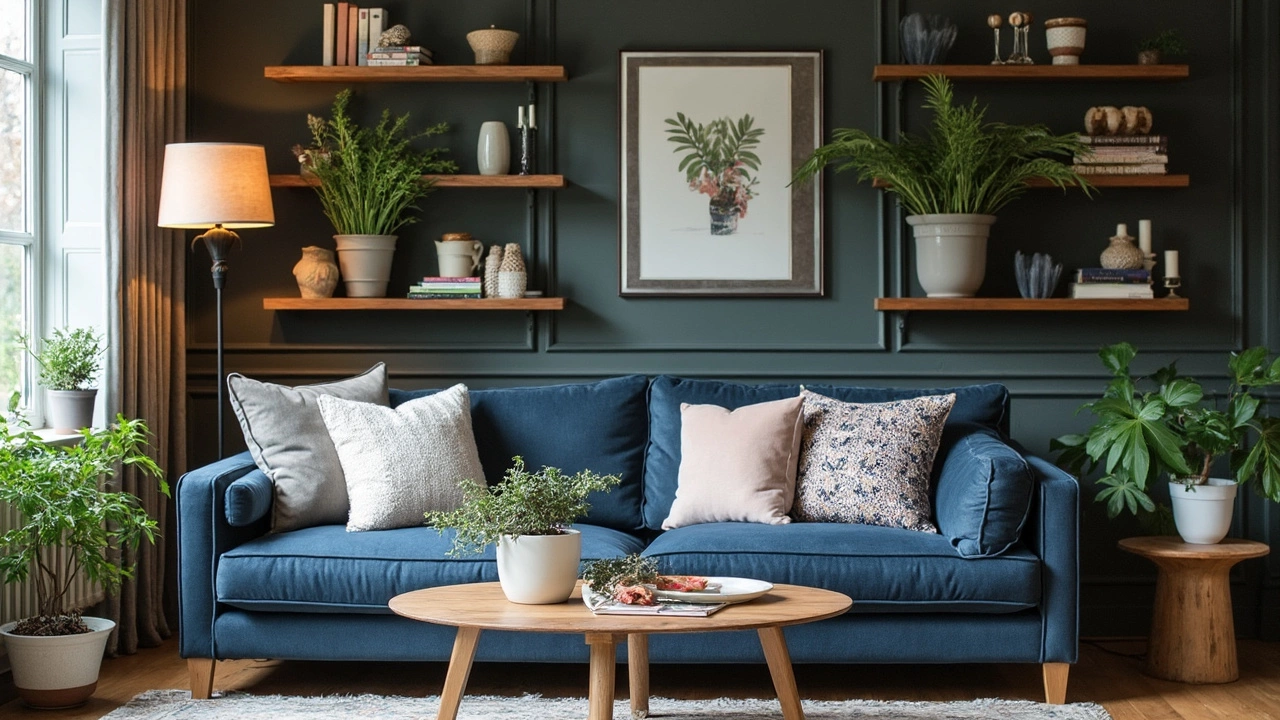
3-5-7 Rule in Decorating: Making Living Rooms Instantly Better
Not sure how to arrange those shelves or decorate a coffee table? The 3-5-7 rule cuts through the confusion with a simple trick: group things in odd numbers for rooms that just feel right. This article breaks down how you can use the 3-5-7 rule in your living room, why it works for your brain, and real tips for actually pulling it off. Ditch the guesswork and get a space that feels styled without looking staged. Perfect for anyone who wants a quick, practical boost for their home setup.