Budget Construction and Renovation: How to Save Money Without Sacrificing Quality
When you think about budget, the amount of money you plan to spend on a construction or renovation project. Also known as building budget, it’s not just a number—it’s the backbone of every successful home project. A tight budget doesn’t mean settling for cheap materials or unfinished work. It means making smart choices that stretch your dollars without sacrificing safety, function, or style. Many people assume a low budget forces compromise, but the real issue is often poor planning—not lack of funds.
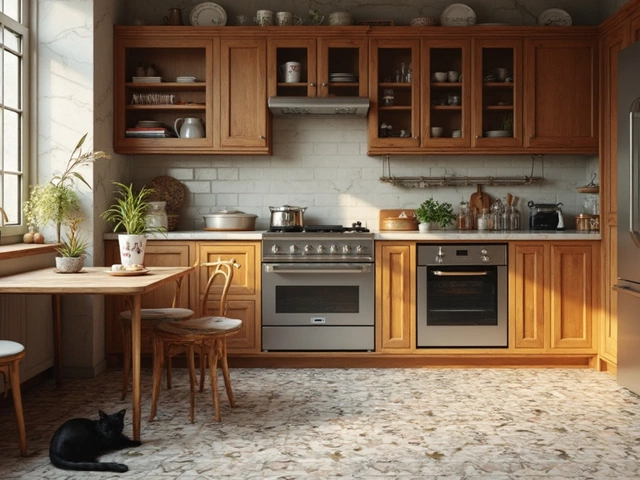
What you spend on construction materials, the physical components used to build or renovate a home, like lumber, tiles, insulation, and fixtures matters, but how you use them matters more. A $30,000 kitchen remodel can look just as sharp as a $70,000 one if you prioritize high-impact changes—like new cabinets over granite countertops—or reuse existing layouts to avoid plumbing and electrical rewiring. Same goes for renovation costs, the total expenses tied to upgrading or repairing an existing home, including labor, permits, and unexpected repairs. The biggest budget killers aren’t the big-ticket items; they’re hidden delays, last-minute changes, and hiring the wrong people. A good contractor will help you stick to your budget. A bad one will make you rethink your entire life.
Some of the most common budget traps? Buying the cheapest lighting (looking at you, incandescent bulbs), skipping proper insulation, or rushing into a bathroom remodel without knowing the right order for walls and floors. These aren’t just mistakes—they’re expensive lessons. But there’s a better way. You can cut costs by choosing energy-efficient upgrades that pay for themselves over time, like switching to LED lighting or installing better windows. You can save on labor by doing prep work yourself—removing old cabinets, clearing debris, or painting walls. And you can avoid costly surprises by planning for the unexpected. Houses settle after 20 years. Pipes leak. Foundations shift. A real budget includes a 10-15% buffer for surprises.
What you’ll find below isn’t a list of generic tips. It’s a collection of real, practical stories from people who’ve been there—remodeling bathrooms for $10,000, building new homes without going broke, and figuring out exactly where to put the fridge so it doesn’t ruin your kitchen flow. These aren’t theory pieces. They’re field reports from actual UK projects. You’ll see how others stretched their budget without sacrificing quality, what materials actually deliver value, and how to spot a contractor who’s trying to upsell you. Whether you’re starting from scratch or just updating a room, the right plan turns a tight budget into your biggest advantage.
Small Bathroom Remodel: Setting a Reasonable Budget
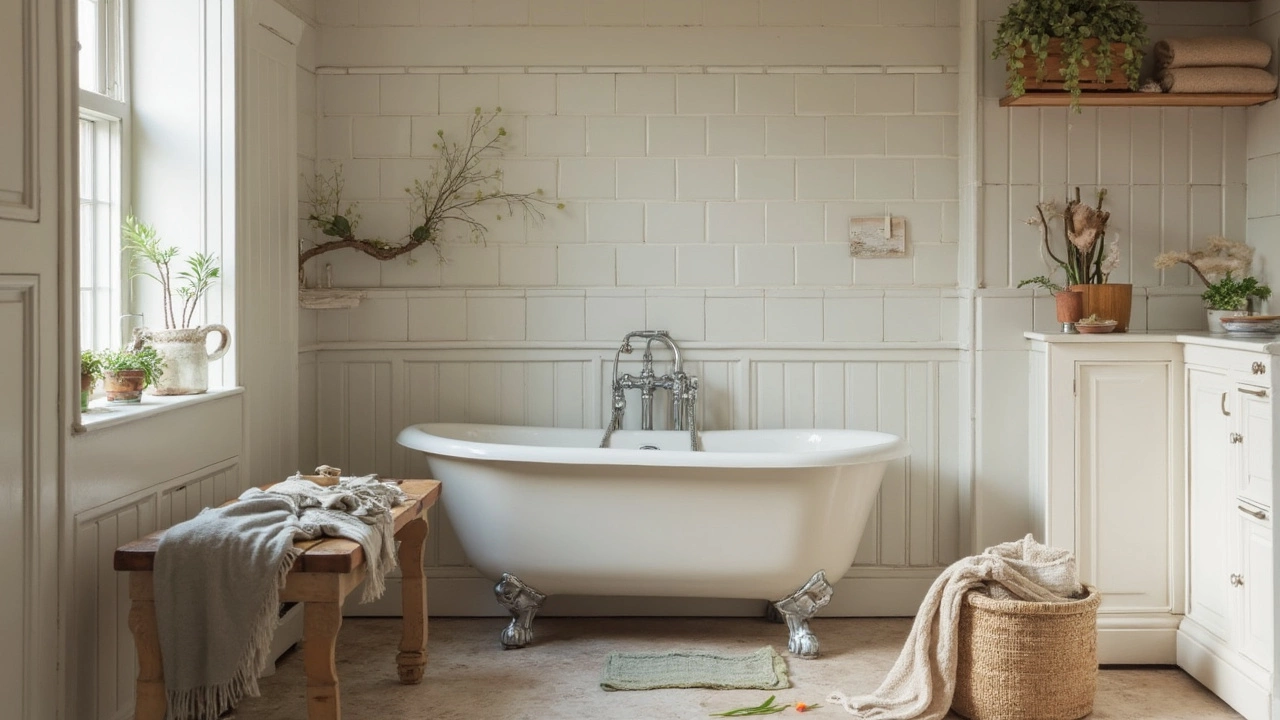
Finding a reasonable budget for a small bathroom remodel can be tricky. Striking a balance between quality and cost is crucial for a successful renovation. Assessing priorities, exploring cost-effective options, and a touch of expert advice can guide anyone to make the best choices. This article delves into strategic planning for transparency and smart budget allocation.