Building Categories Explained: Residential, Commercial, Civil & More
When you hear the term building categories, the different types of structures classified by their purpose, code requirements, and construction methods. Also known as building classifications, these categories determine everything from the materials used to who can legally design or inspect the project. It’s not just about whether it’s a house or a store—it’s about safety, law, cost, and how the structure will be used every day.
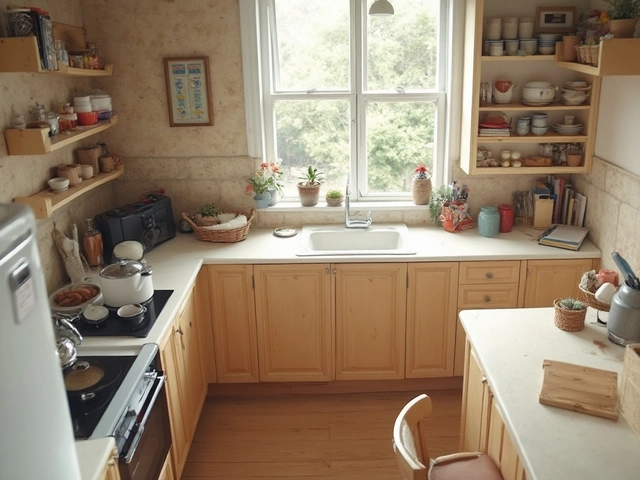
Take residential construction, buildings designed for people to live in, like single-family homes, apartments, or townhouses. These focus on comfort, personal space, and long-term livability. Codes are strict about things like egress windows, bedroom sizes, and sound insulation. Then there’s commercial construction, structures built for business use—offices, retail stores, restaurants, hotels. These need to handle heavy foot traffic, meet fire safety rules for large crowds, and often require special HVAC and electrical systems. The difference isn’t just size—it’s intent. A home is built for one family. A store is built for hundreds of strangers walking through its doors every day.
And then there’s civil construction, public infrastructure like roads, bridges, water systems, and schools. These aren’t owned by private individuals or companies—they’re funded by governments and serve entire communities. A school, for example, isn’t just a big house. It’s a public building with unique rules for accessibility, emergency exits, and even the type of flooring used in hallways. These categories aren’t just labels. They control who you hire, what permits you need, and how much your project will cost.
You’ll find posts here that break down the real differences between these types. Why does it matter if your project is classified as commercial or industrial? What happens when a building changes use? How do materials and codes shift between a home renovation and a new office block? We’ve collected real examples—from kitchen layouts to foundation settlement to bathroom remodels—that show how these categories affect everyday decisions. Whether you’re thinking of building a new home, renovating a shop, or just trying to understand why your contractor keeps talking about building codes, this collection gives you the clear, no-fluff answers you need.
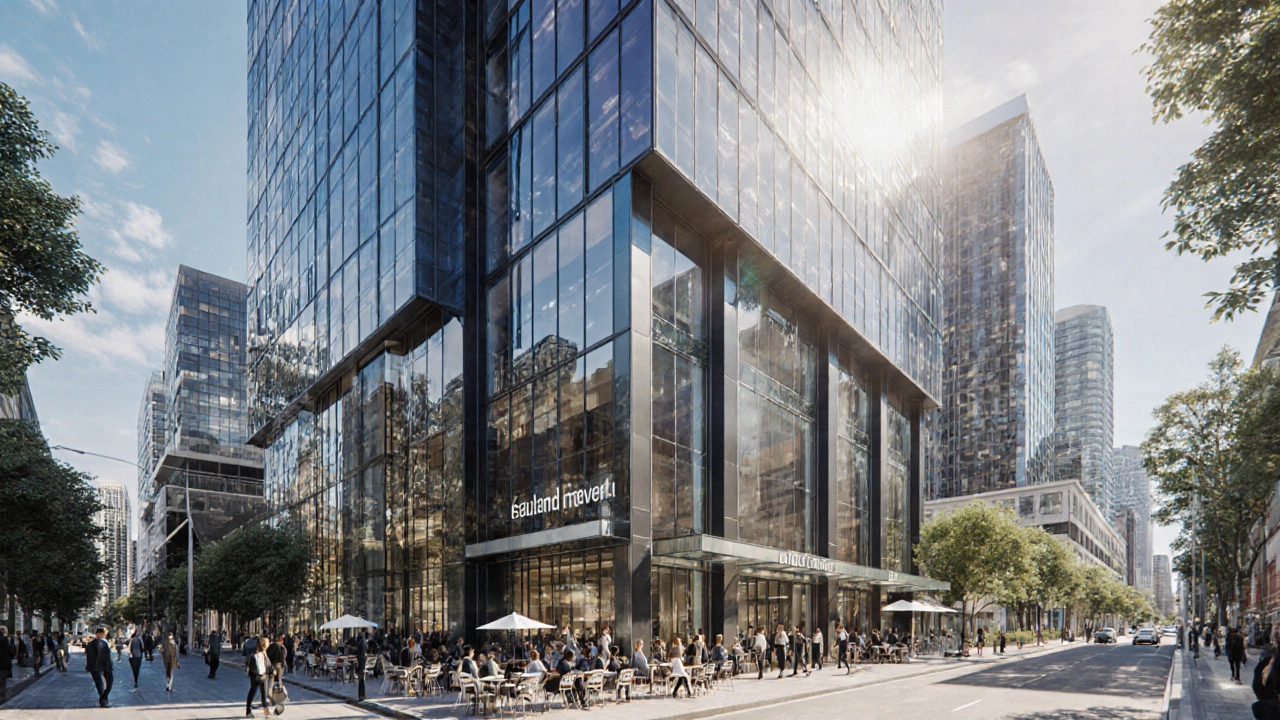
Commercial vs Industrial Construction: Key Differences Explained
Learn the core differences between commercial and industrial construction, covering purpose, design focus, costs, regulations, and real‑world examples.