Building Types: Residential, Commercial, Industrial & More Explained
When you think of a building type, a category defined by its purpose, design rules, and how it’s used. Also known as building classification, it determines everything from the materials used to who can legally work on it. Not all buildings are created equal—your home, your kid’s school, and the warehouse down the street all follow completely different rules because they serve different needs.
The most common residential construction, buildings designed for people to live in. Also known as housing construction, it includes everything from single-family homes to apartment blocks. These prioritize comfort, warmth, and personal space, with codes focused on safety, insulation, and accessibility for families. Then there’s commercial construction, structures built for business use. Also known as non-residential construction, this covers offices, retail stores, restaurants, and hotels. These are designed for high traffic, long hours, and strict health and safety standards. They need stronger HVAC systems, wider hallways, and fire exits you can’t ignore. And then there’s industrial construction, buildings made for manufacturing, storage, or heavy operations. Also known as industrial facilities, these are built for function over form—think factories, power plants, or distribution centers. They use steel frames, high ceilings, reinforced floors, and heavy-duty utilities because they’re meant to handle machinery, not meetings. You’ll also see civil construction, public infrastructure projects like roads, bridges, and water systems. Also known as infrastructure construction, this doesn’t house people or businesses, but it supports them. Without civil projects, none of the other building types could function properly. Schools? They’re often classified as commercial, not industrial, because they serve people—not production. And that’s the key: building types aren’t about looks. They’re about use, risk, and legal responsibility.
Knowing the difference matters whether you’re planning a home renovation, opening a shop, or just trying to understand why your neighbor’s new warehouse looks nothing like their house. The materials, permits, contractors, and even the timeline all change depending on the type. You can’t slap a commercial license onto a residential build and expect things to go smoothly. That’s why the posts below break down real examples—from why a bathroom remodel follows different rules than a storefront renovation, to how building codes vary between New Zealand and the UK, and what really separates a new build from a commercial retrofit. You’ll find clear, no-fluff guides on what each type requires, what it costs, and what you need to watch out for. No jargon. Just what you need to know before you start.
What Is the Opposite of Commercial Construction?
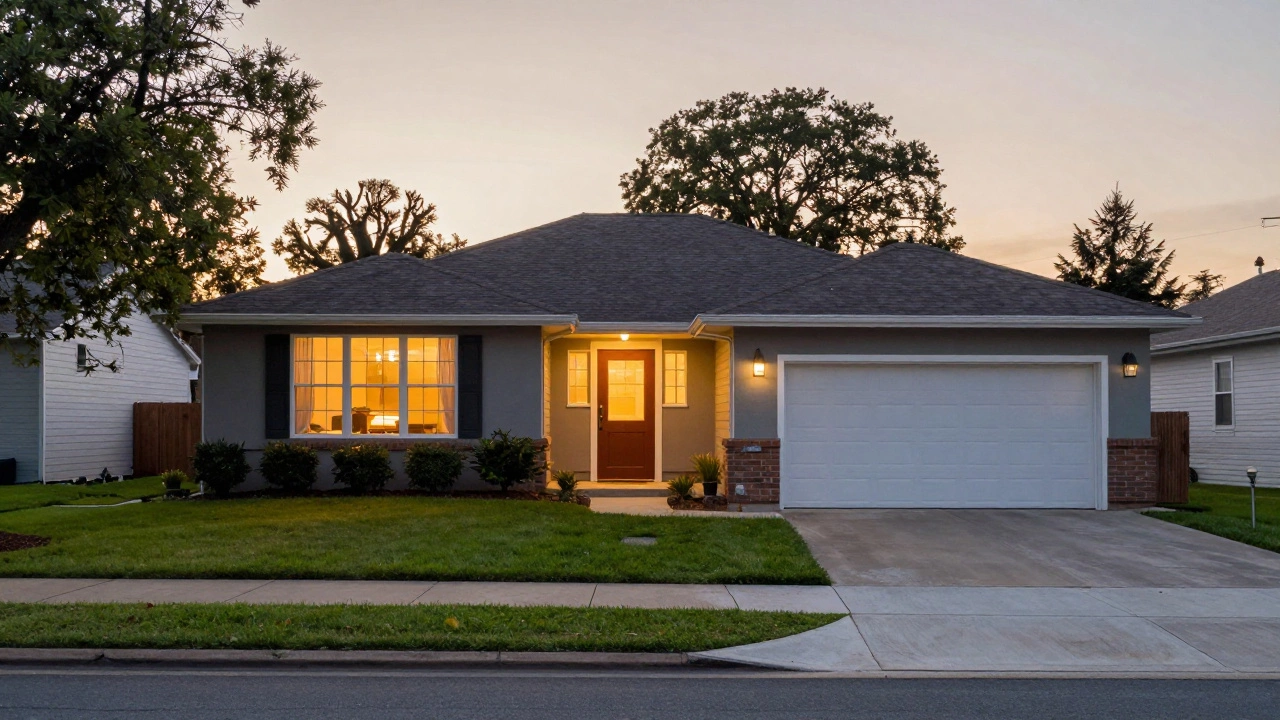
The opposite of commercial construction is residential construction-buildings designed for living, not business. Learn the key differences in purpose, codes, materials, and cost.
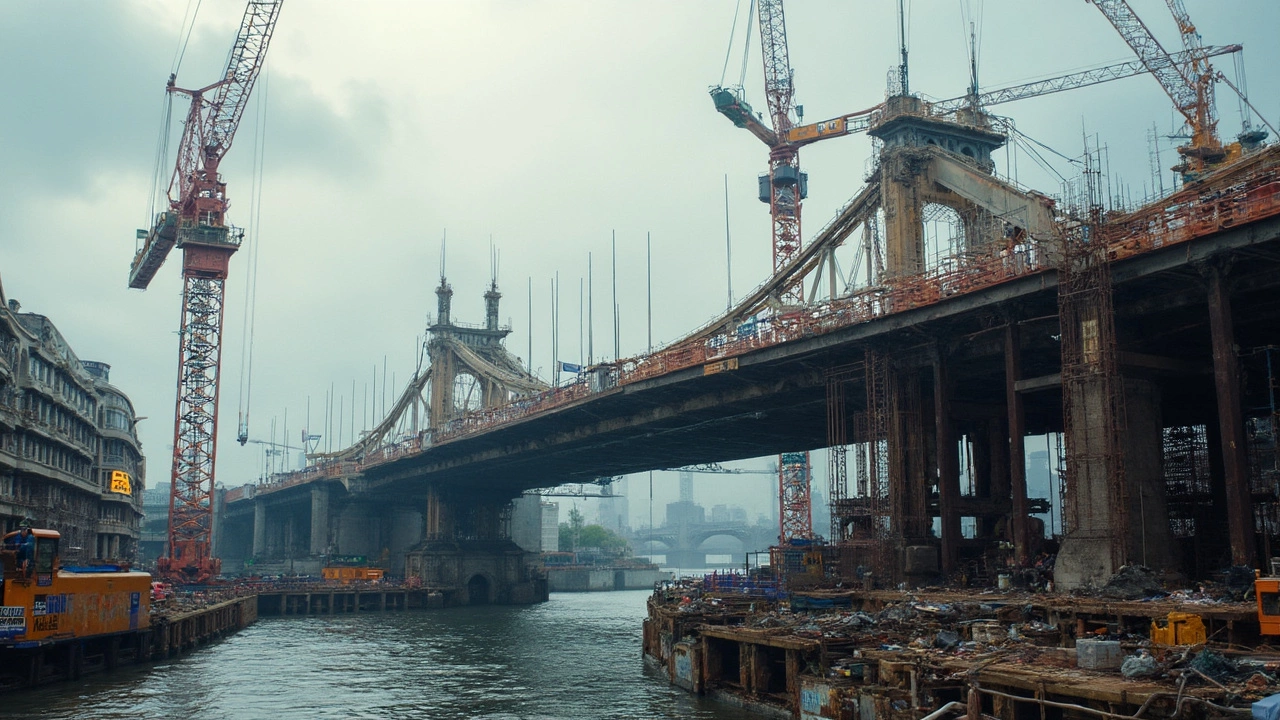
Understanding the Key Differences Between Civil and Commercial Construction
Ever wonder what truly sets apart civil construction from commercial construction? Whether you're planning a project or just curious, it's crucial to know the differences in focus, regulations, and execution. Civil construction primarily deals with infrastructure like roads and bridges, while commercial focuses on buildings for businesses. Each type involves unique skills, codes, and materials.

Understanding Commercial and Non-Commercial in Construction
Distinguishing between commercial and non-commercial construction can get tricky, as these terms describe distinct types of projects with unique requirements. In essence, commercial construction pertains to projects that are meant for business purposes, like malls and office buildings, whereas non-commercial projects cater to private or organizational needs, like schools or homes. This article unpacks both types, tips, and intriguing details to help demystify this often confusing topic.
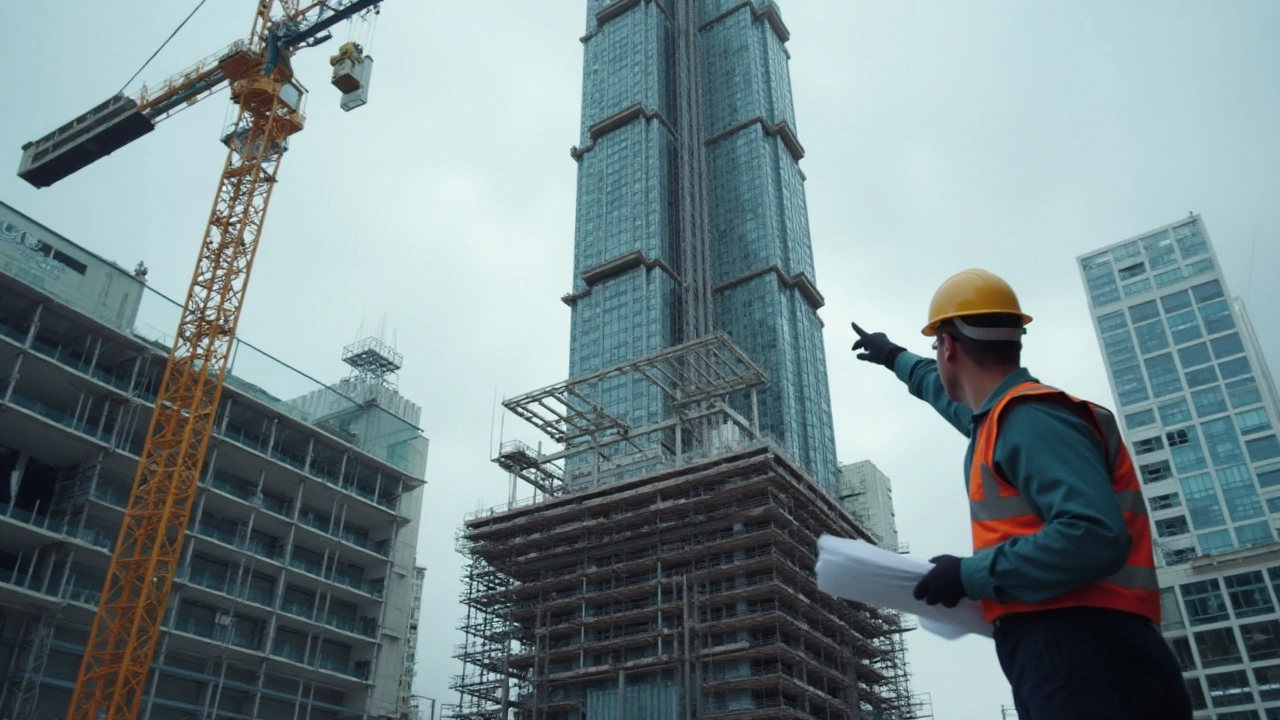
Understanding Common Types of Commercial Building Constructions
Commercial buildings are designed with specific construction methods and materials tailored to their intended function and location. From steel-frame skyscrapers to precast concrete retail spaces, the type of construction is crucial in ensuring durability and functionality. This article explores the most prevalent construction types used in commercial buildings today, offering insights into their advantages and specific application areas. Readers will also find tips and important considerations for selecting the suitable construction method for a commercial project.