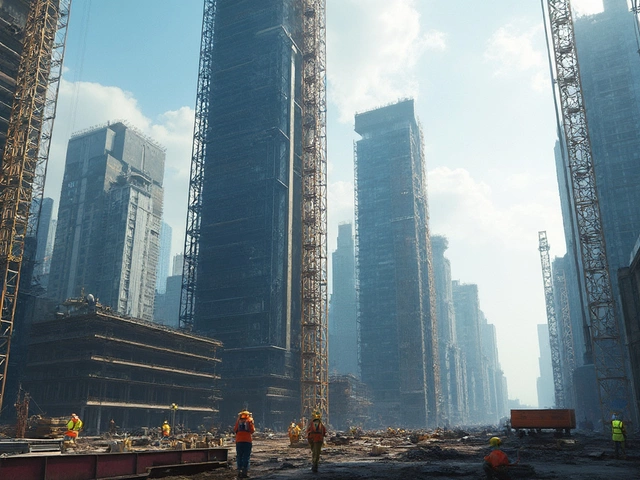
Commercial Buildings: What They Are, How They Work, and Why They’re Different
When you think of a commercial building, a structure designed for business use, not living, with specific codes for safety, access, and occupancy. Also known as non-residential property, it’s built to handle crowds, equipment, and daily operations—not quiet evenings or family dinners. A grocery store, a bank branch, or a warehouse isn’t just a big house with a sign. It’s a system: fire exits, load-bearing walls, HVAC designed for 100+ people, and electrical systems that run 24/7. These aren’t afterthoughts—they’re required by law.
Commercial construction, the process of building structures for business use, governed by stricter codes than residential work is a whole different game. You can’t just slap up drywall and call it done. You need permits that match the building’s use, like a commercial license, a legal authorization allowing a contractor to work on business properties, separate from home renovation permits. And zoning? That’s not a suggestion. A building meant for retail can’t sit in a residential zone without a variance. Even something as simple as the number of restrooms depends on how many people the space is legally allowed to hold.
It’s not just about bricks and steel. It’s about zoning, local regulations that define what types of buildings can go where, based on land use and community needs. A clinic, a laundromat, or a data center each have their own rules. One might need extra electrical capacity, another needs noise buffers, and some require emergency generator backups. These aren’t design choices—they’re compliance issues. Miss one, and you can’t open. Fail an inspection, and you’re shut down until it’s fixed.
That’s why so many homeowners are surprised when they try to turn a garage into a shop or a basement into an office. What works for a home doesn’t fly for a business. The materials are heavier, the inspections are deeper, and the stakes are higher. A cracked floor in your kitchen? Annoying. A cracked floor in a warehouse that holds heavy machinery? That’s a liability lawsuit waiting to happen.
This collection of posts dives into exactly what makes commercial buildings tick—from the legal side to the practical. You’ll find breakdowns of how they differ from homes, what licenses you actually need, how zoning rules can make or break a project, and why the same design that looks great in a living room won’t cut it in a retail space. Whether you’re thinking of buying, leasing, or renovating a commercial property, these guides cut through the noise and show you what really matters.

Is Commercial the Same as Non-Residential? Clear Differences Explained
Commercial and non-residential aren't the same. Commercial means business use with strict codes; non-residential includes schools, churches, and hospitals too. Know the difference to avoid costly mistakes.
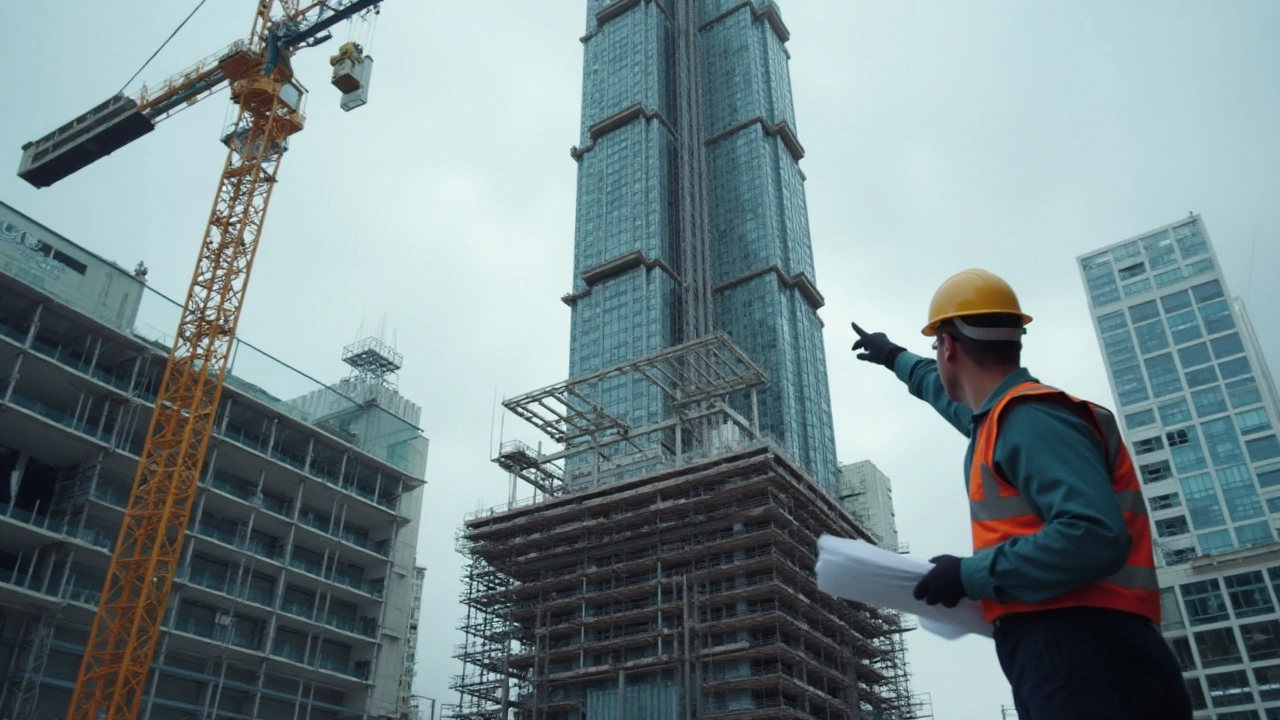
Understanding Common Types of Commercial Building Constructions
Commercial buildings are designed with specific construction methods and materials tailored to their intended function and location. From steel-frame skyscrapers to precast concrete retail spaces, the type of construction is crucial in ensuring durability and functionality. This article explores the most prevalent construction types used in commercial buildings today, offering insights into their advantages and specific application areas. Readers will also find tips and important considerations for selecting the suitable construction method for a commercial project.