Construction Materials: What You Need to Know Before You Build
When you start any building project, whether it’s a small kitchen remodel or a full new home, you’re really working with construction materials, the physical substances used to build or renovate structures, from foundations to finishes. Also known as building materials, these are the backbone of every space you live in—what holds it up, keeps it warm, and makes it look good. Not all materials are created equal. Some save you money over time, others add value, and a few can cost you more in repairs down the road.
The most common construction materials, include concrete, steel, wood, brick, and glass—each with strengths and weaknesses depending on where and how they’re used. Concrete forms the base of most homes, but its carbon footprint is heavy. Steel gives you strength and fire resistance, but it needs protection from rust. Wood is warm and easy to work with, but it can rot if moisture gets in. And then there’s the newer stuff—engineered timber, recycled steel, low-VOC paints, and sustainable insulation—that’s changing how people build. You don’t have to pick the fanciest option, but you do need to pick the right one for your job.
It’s not just about what’s in the walls. The construction supplies, the tools, fasteners, sealants, and adhesives that hold materials together. matter just as much. A cheap nail might hold for a year. A good one lasts decades. A bad sealant around your bathroom tiles? That’s how water damage starts. Even the smallest detail—like the type of drywall compound or the grade of lumber—can affect how long your build lasts.
What you choose also depends on where you are. In the UK, weather, building codes, and local supply chains shape what’s practical. A material that works in New Zealand might not be ideal here. And if you’re thinking about building new, you’ll need to understand how these materials affect your budget—not just upfront, but over time. Energy-efficient windows, proper insulation, and durable flooring cut heating bills and reduce maintenance. That’s not a luxury. It’s smart.
There’s a reason why some homeowners regret their choices years later. They picked based on looks, not performance. Or they copied a trend without checking if it fits their climate, their budget, or their lifestyle. The posts below cut through the noise. You’ll find real breakdowns of what materials actually work, what’s overpriced, and what you can skip without losing quality. Whether you’re tackling a bathroom remodel, planning a new build, or just trying to fix a leaky roof, you’ll find clear, no-fluff advice based on what’s been tested in real homes—not just showrooms.
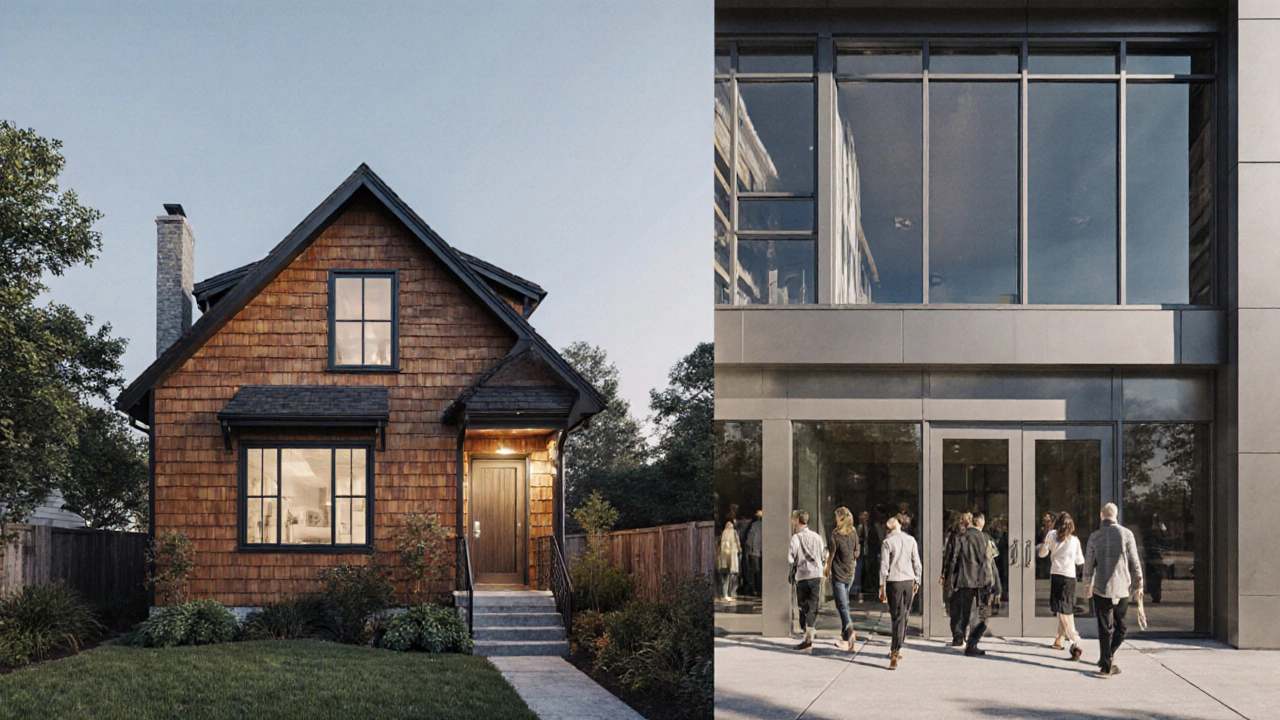
What Is the Major Difference Between Residential and Commercial Construction?
The major difference between residential and commercial construction lies in purpose, codes, materials, and scale. Homes are built for comfort; commercial buildings are built for function, safety, and high traffic.

Type C Construction: What It Means for Your Building Project
Type C construction is a term thrown around a lot in commercial building projects, but plenty of business owners and even some contractors aren’t totally sure what it covers. This article breaks down exactly what type C construction means, how it compares with other types, and when you’ll run into it. You’ll also get practical info about the codes, materials, and fire safety rules that go along with it. By the end, you’ll know if type C is the right fit for your build or upgrade.
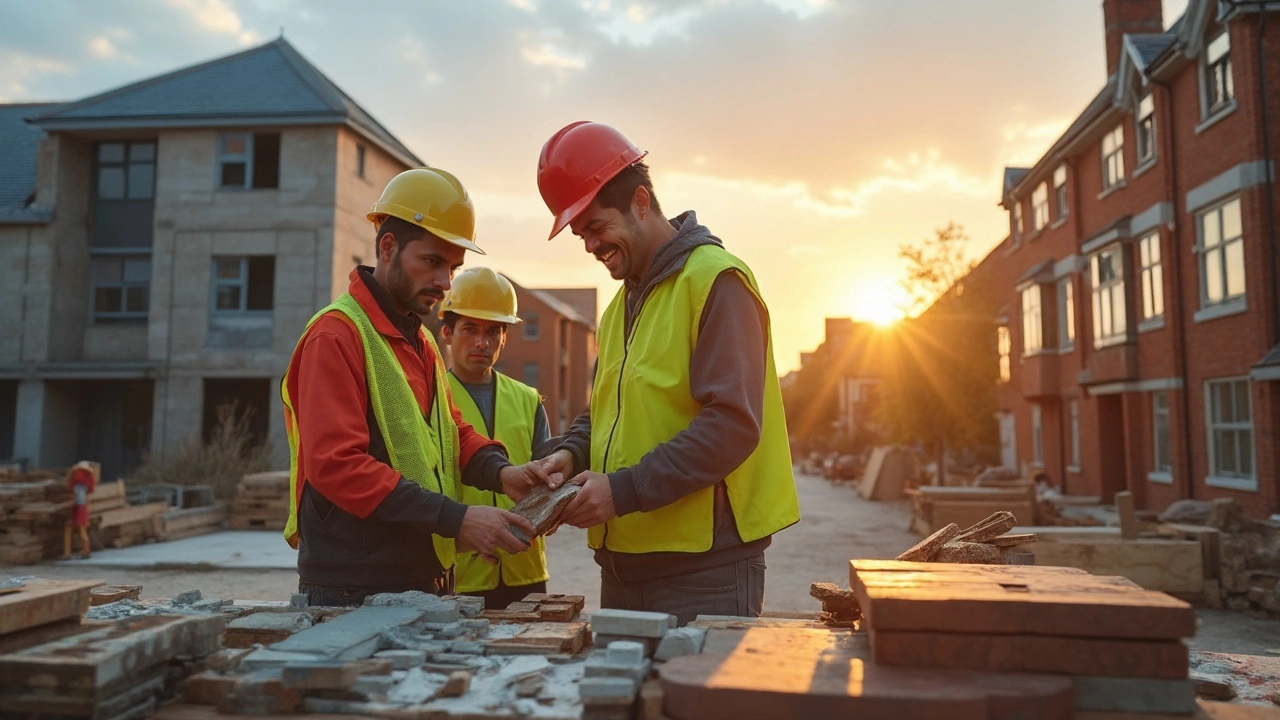
Top 10 Construction Materials Used Today
Looking for the best materials to build something solid? This guide breaks down the 10 most common construction materials, detailing what they’re used for and what makes each of them a go-to choice. Whether it’s strength, cost, or durability you care about, you’ll find specifics for every material. Plus, get practical tips to help you decide what to use for your next project. No confusing lingo—just real advice to get you started.

What is the Longest Lasting Material to Build a House?
Looking to build a house that stands the test of time? Discover materials that promise strength and longevity. From classic stone to modern innovations, we'll explore what makes certain materials more enduring and why they might be right for your next project. Get insights on durability, cost, and practicality to make an informed decision for a long-lasting home.