Construction Types: Understanding Residential, Commercial, and Civil Building Methods
When you think of construction types, the different ways buildings are designed and built based on their purpose, scale, and regulations. Also known as building classifications, it determines everything from the materials used to the permits required and who can legally work on the project. Not all construction is the same. A house, a hospital, and a bridge may all involve concrete and steel, but they follow completely different rules, timelines, and goals.
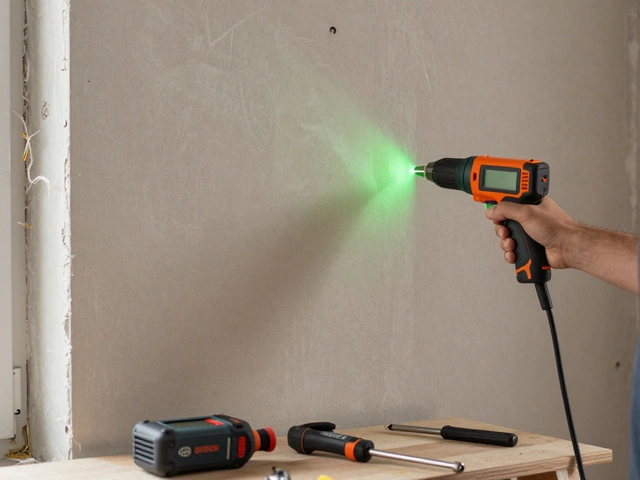
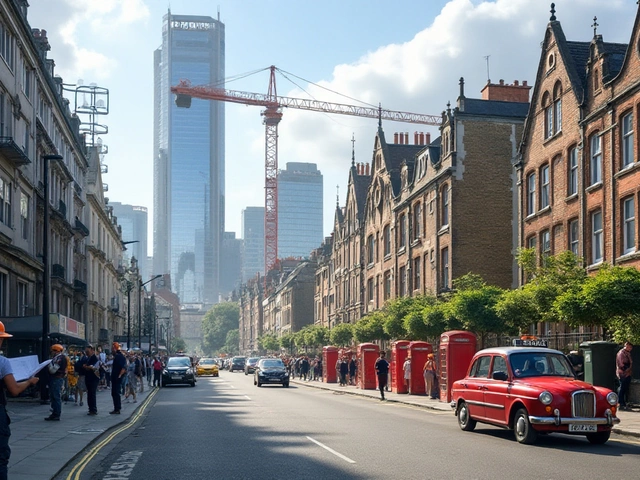
Residential construction, the process of building homes for individuals and families focuses on comfort, personalization, and long-term livability. Think kitchens that work for your morning routine, bathrooms that fit your family’s needs, and layouts that feel like home. It’s governed by building codes meant to keep people safe in everyday living spaces—not handle crowds or heavy equipment. On the other end, commercial construction, building structures for business use like offices, stores, or hotels is all about efficiency, durability, and high traffic. These buildings need wider hallways, stronger floors, fire exits every 75 feet, and systems that run 24/7. Then there’s civil construction, large-scale public infrastructure like roads, bridges, water systems, and dams. These projects are funded by governments, built to last decades, and involve complex engineering far beyond what’s needed for a single-family home.
The materials used vary too. Residential builds often use wood framing and drywall because they’re cost-effective and easy to modify. Commercial projects lean into steel frames, curtain walls, and heavy-duty HVAC systems. Civil construction relies on reinforced concrete, asphalt, and specialized geotechnical solutions to handle weather, weight, and time. Even the people working on them differ: residential crews might be small local teams, while commercial and civil jobs often involve dozens of specialists, union labor, and strict scheduling.
Knowing these differences isn’t just for contractors—it matters if you’re planning a renovation, buying a property, or even just curious why your neighbor’s new office looks nothing like their house. The type of construction shapes everything: cost, timeline, legal requirements, and even how you’ll use the space later. That’s why the posts below dive into real examples—like why schools are classified as commercial in New Zealand, how bathroom renovations fit into home construction rules, or why building a house in 2025 costs so much more than it did five years ago. You’ll find clear breakdowns of materials, permits, costs, and common mistakes tied directly to each construction type. No fluff. Just what you need to understand what’s really going on when walls go up around you.
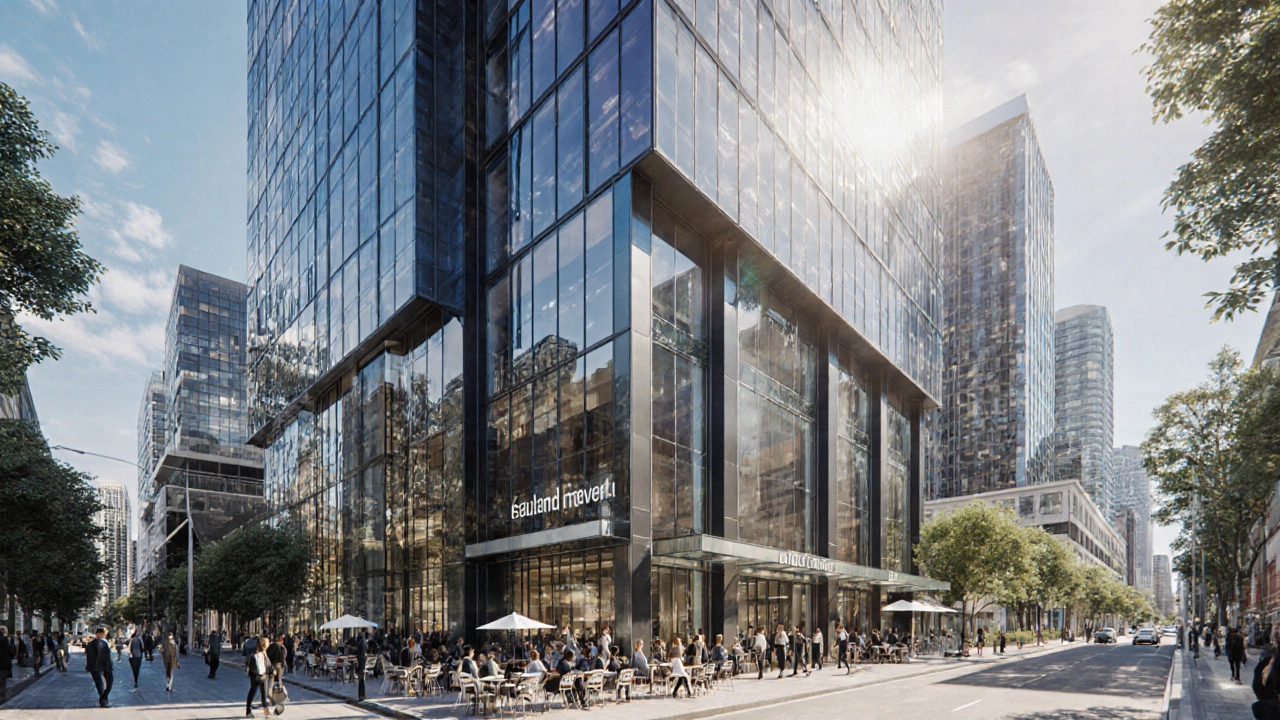
Commercial vs Industrial Construction: Key Differences Explained
Learn the core differences between commercial and industrial construction, covering purpose, design focus, costs, regulations, and real‑world examples.