Hardwood Floors: Real Benefits, Common Mistakes, and What Works in 2025
When you think of a home that lasts, hardwood floors, a durable, natural flooring option made from solid or engineered wood planks, widely used in homes for their beauty and longevity. Also known as wood flooring, they’re one of the few home features that get better with age—not worse. Unlike trendy materials that fade or scratch easily, real hardwood stands up to daily life, from kids running through the kitchen to pets scratching at the door. It’s not just about looks—it’s about value. Homes with hardwood floors sell faster and often for more money, according to real estate data from across the UK.
But not all hardwood is the same. engineered wood, a layered construction with a thin top layer of real wood over plywood, designed to handle moisture and temperature changes better than solid wood is now the go-to for basements and kitchens. Meanwhile, solid hardwood, a single piece of wood from top to bottom, ideal for upper floors and rooms with stable humidity still wins for classic charm and the ability to be sanded and refinished multiple times. Then there’s the installation—do you nail it, glue it, or float it? The wrong method can lead to gaps, squeaks, or warping. And don’t forget the finish: matte, satin, or glossy? Each affects how the floor looks, how it handles scratches, and how often you’ll need to clean it.
People often assume hardwood is high-maintenance, but that’s not true if you know what you’re doing. Regular sweeping, using felt pads under furniture, and wiping up spills fast can keep your floor looking new for decades. What kills hardwood isn’t foot traffic—it’s water. That’s why you’ll see more homeowners choosing water-resistant engineered options, especially in areas like bathrooms or near back doors. And while dark oak was once the default, 2025 is all about lighter tones, wide planks, and natural grain patterns that feel more relaxed and modern.
Hardwood floors aren’t just a trend—they’re a long-term decision. Whether you’re renovating a 1950s bungalow or building a new home, they bring a sense of quality you can’t fake. The posts below cover everything from how to pick the right wood for your space, to fixing common problems like gaps and scratches, to what to avoid when shopping for the best deal. You’ll find real advice from people who’ve been there—not just sales pitches. No fluff. Just what works.
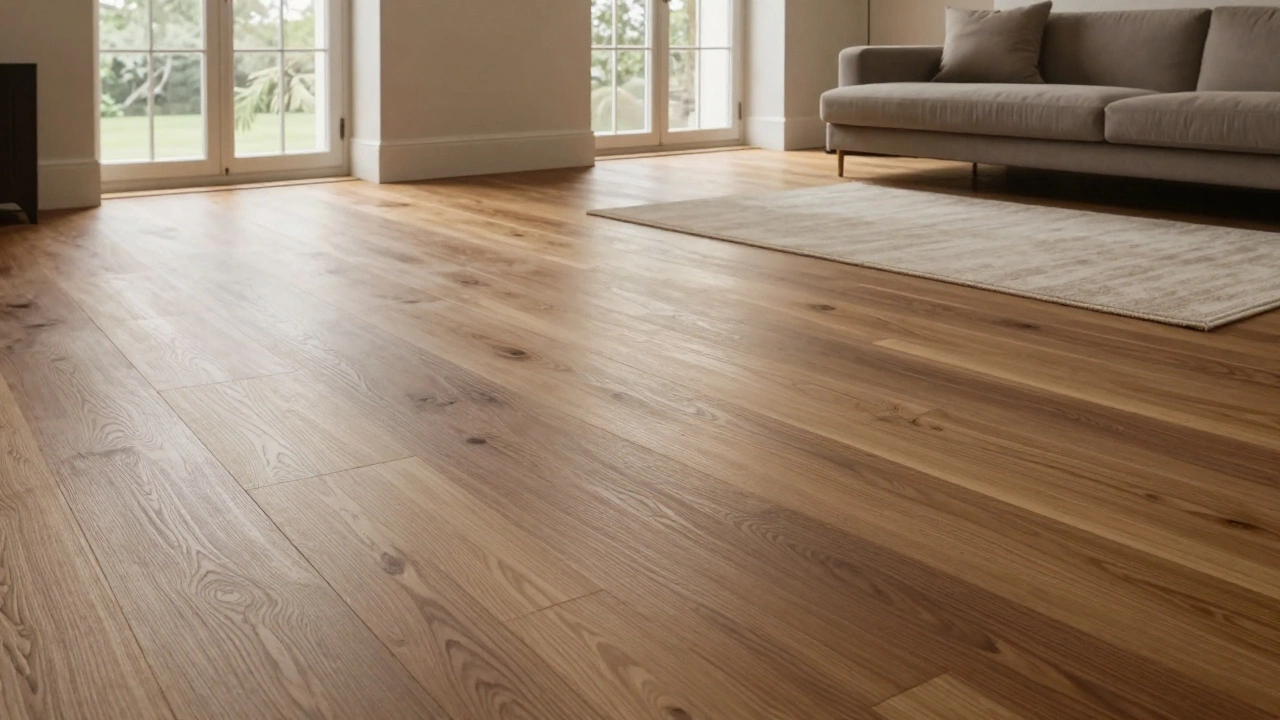
What Flooring Do High End Homes Use? Top Materials for Luxury Interiors
High-end homes use premium materials like engineered hardwood, marble, and luxury vinyl plank for durability and elegance. Learn which flooring choices define true luxury interiors and why installation matters as much as the material.
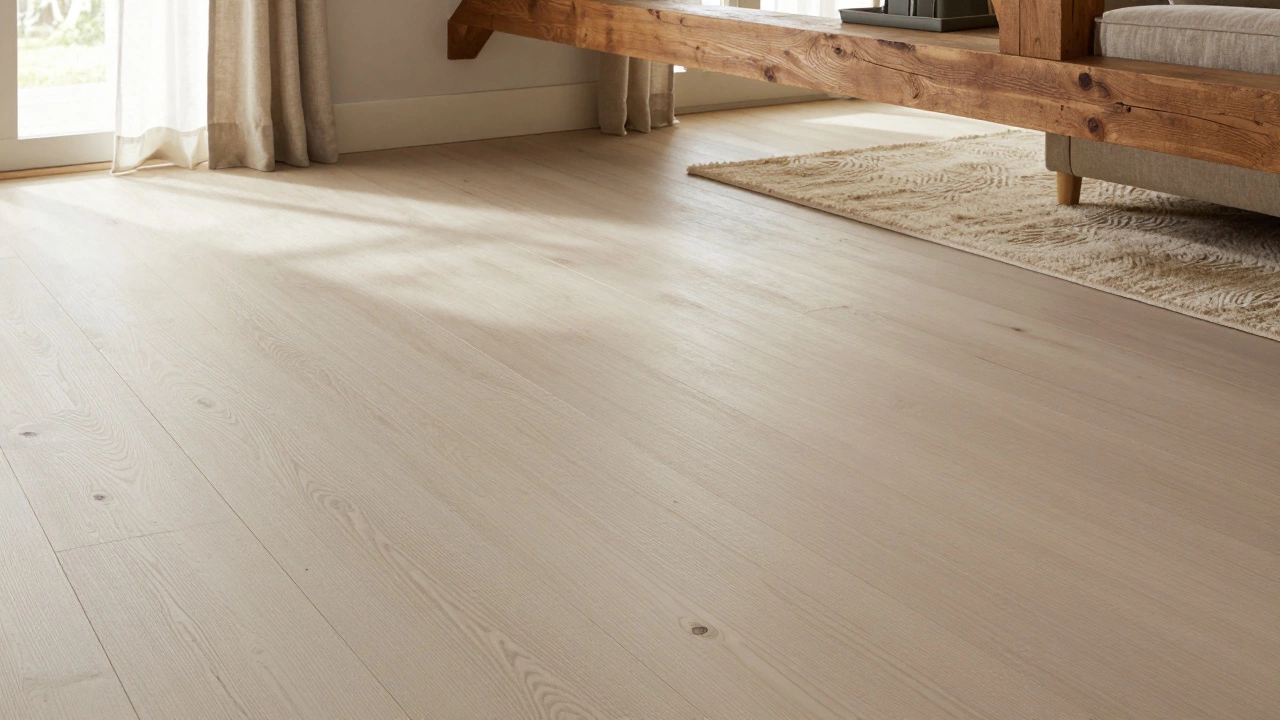
What Flooring Does Joanna Gaines Use? Real Choices from Her Renovations
Joanna Gaines uses warm, wide-plank white oak hardwood with matte finishes in most homes, along with shiplap in historic spaces and matte tile in kitchens and bathrooms. She avoids dark stains, laminate, and glossy floors, favoring natural, lived-in textures that age gracefully.