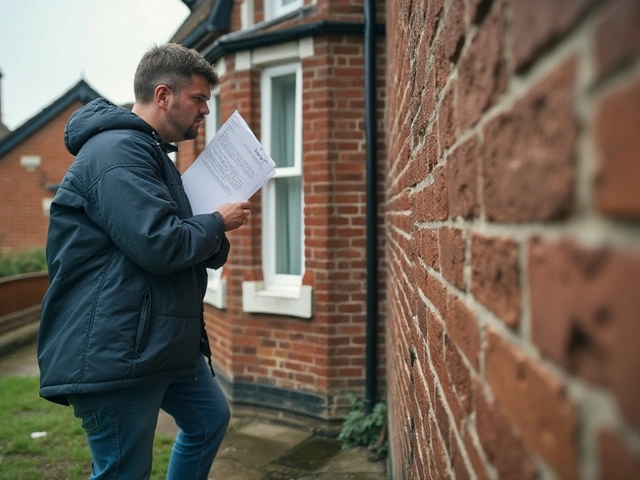
Home Restoration: What It Really Takes to Bring Old Houses Back to Life
When you think of home restoration, the process of returning an older house to its original condition while making it safe and functional for modern living. Also known as historic home renovation, it’s not just about swapping out carpet or repainting trim—it’s about understanding the bones of the house, fixing hidden damage, and respecting the craftsmanship that built it. Most people start with a dream of exposed brick and original hardwood, but they don’t realize how much goes on behind the walls. A 1920s bungalow might look charming, but if the wiring’s knob-and-tube or the foundation’s shifted, you’re not restoring—you’re risking safety.
Structural repair, the process of stabilizing or replacing load-bearing elements like beams, foundations, or roof trusses is often the first real test of any home restoration project. You can’t restore a house that’s sinking or leaning. Foundation cracks, rotting floor joists, or termite damage don’t show up in Instagram photos—but they show up in your bank account fast. And then there’s interior restoration, the careful recovery of original features like moldings, staircases, fireplaces, and hardware. It’s not about buying new fixtures that look old. It’s about finding, cleaning, and reinstalling the real thing—something that takes patience, skill, and sometimes a trip to a salvage yard.
Home restoration doesn’t follow the same rules as a new build. Building codes, the set of regulations that dictate how structures must be built for safety and accessibility still apply, but they play differently. You can’t just rip out a load-bearing wall because it’s "not stylish." You can’t skip insulation because the house "didn’t have it originally." Local authorities often have special guidelines for historic properties, and skipping permits can cost you more than the whole project. That’s why so many restoration jobs go sideways—people think they’re saving money by DIYing the big stuff, but they end up paying for mistakes later.
What you’ll find in these posts isn’t fluff. It’s real talk from people who’ve been there: how to tell if your house is worth restoring, why you should always do walls before floors in a bathroom redo, what actually causes a house to settle after 20 years, and how to keep costs under control without sacrificing character. These aren’t theory pieces. They’re lessons from the trenches—what works, what doesn’t, and what no one tells you until it’s too late.
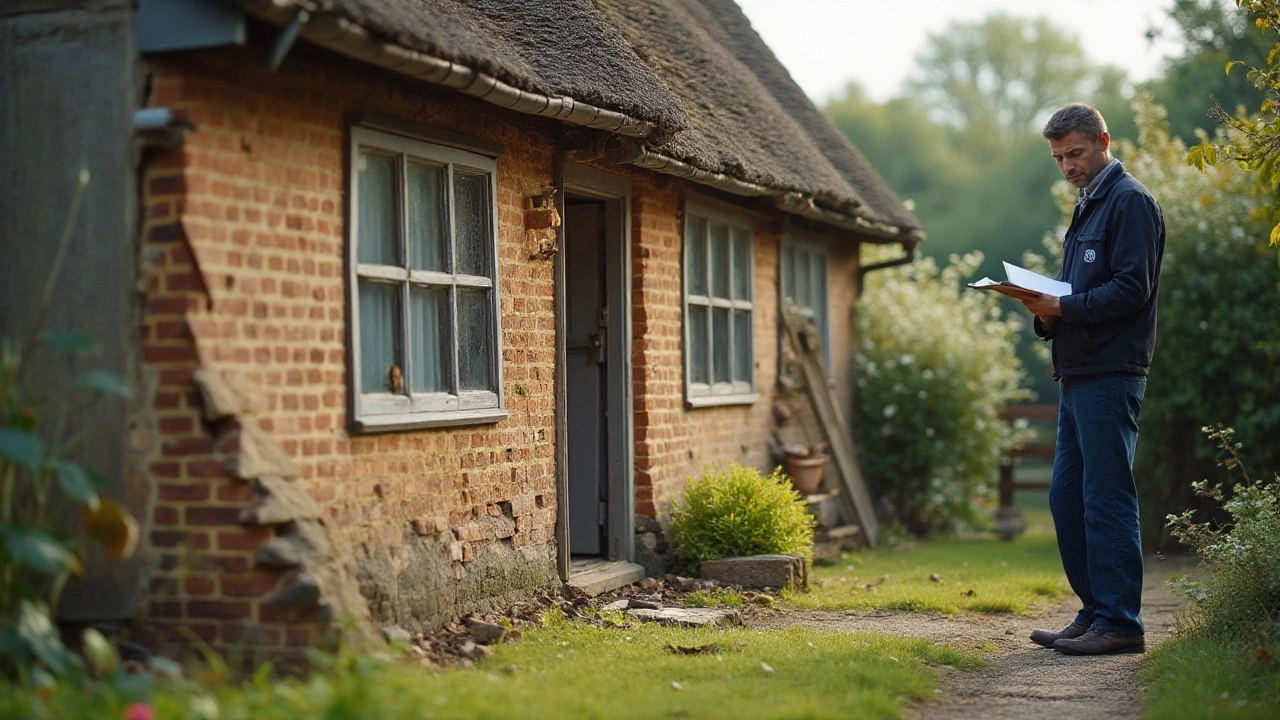
Saving Homes with Failing Foundations: A Comprehensive Guide
A damaged foundation can spell serious trouble for any home, leading to structural vulnerabilities and potential safety hazards. This article delves into whether a house with a bad foundation can indeed be saved, exploring both warning signs and repair options. Readers will gain insights into the critical importance of early detection and the variety of solutions available, from partial repairs to complete overhauls. By understanding the intricacies of foundation issues, homeowners can make informed decisions on protecting their investment. Emphasis is placed on practical tips and real-world examples to illustrate potential outcomes.