Loft Conversions: What You Need to Know Before Starting Your UK Project
When you think about loft conversions, a way to turn unused attic space into a functional room like a bedroom, office, or bathroom. Also known as attic conversions, it’s one of the most cost-effective ways to add space to your home without moving or building out. Many homeowners in the UK choose this route because it’s cheaper than an extension, less disruptive than a full renovation, and often doesn’t need full planning permission.
But not all lofts are the same. The building regulations, the legal standards for safety, insulation, ventilation, and access in UK home improvements are strict—and they change depending on your roof shape, floor height, and whether you live in a listed building or conservation area. You’ll need at least 2.2 meters of headroom in the middle of the space, proper insulation to meet current energy rules, and a staircase that meets safety codes. A wobbly ladder won’t cut it. The staircases for lofts, the fixed stairs required by law to safely access a converted attic must have a maximum pitch of 42 degrees and proper handrails. Skip these details, and you risk fines, insurance issues, or even being forced to tear it out.
People often assume a loft conversion is just about adding a floor. It’s not. It’s about heat, light, structure, and flow. You need to think about where the windows go, how the stairs fit, and whether your existing floor joists can handle the extra weight. A poorly planned conversion can lead to cold spots, damp, or even structural stress. That’s why many smart homeowners start with a survey from a structural engineer or a specialist in UK home renovation, the process of upgrading existing homes to improve function, comfort, and value. They’ll tell you if your roof trusses can be modified, if you need steel beams, or if your chimney breast can be removed safely.
There’s also the matter of time and money. A basic loft conversion in the UK can cost between £25,000 and £50,000, depending on size, materials, and location. It usually takes 6 to 10 weeks. But if you wait until after you’ve signed a mortgage or moved into a new home, you might miss out on tax breaks or incentives tied to energy efficiency upgrades. And if you’re planning to sell later, a well-done loft conversion can add up to 20% to your home’s value—more than most kitchen remodels.
What you’ll find below isn’t a list of design trends or fancy finishes. It’s real advice from people who’ve done it—what went right, what went wrong, and what you absolutely need to know before you hire a contractor or sign a quote. Whether you’re wondering if your attic can even be converted, how to avoid delays with the council, or why your neighbor’s conversion cost half as much as yours, the posts here cut through the noise. No fluff. Just facts, costs, and lessons learned.
What Lofts Cannot Be Converted? A Practical Look at Loft Conversion Limits
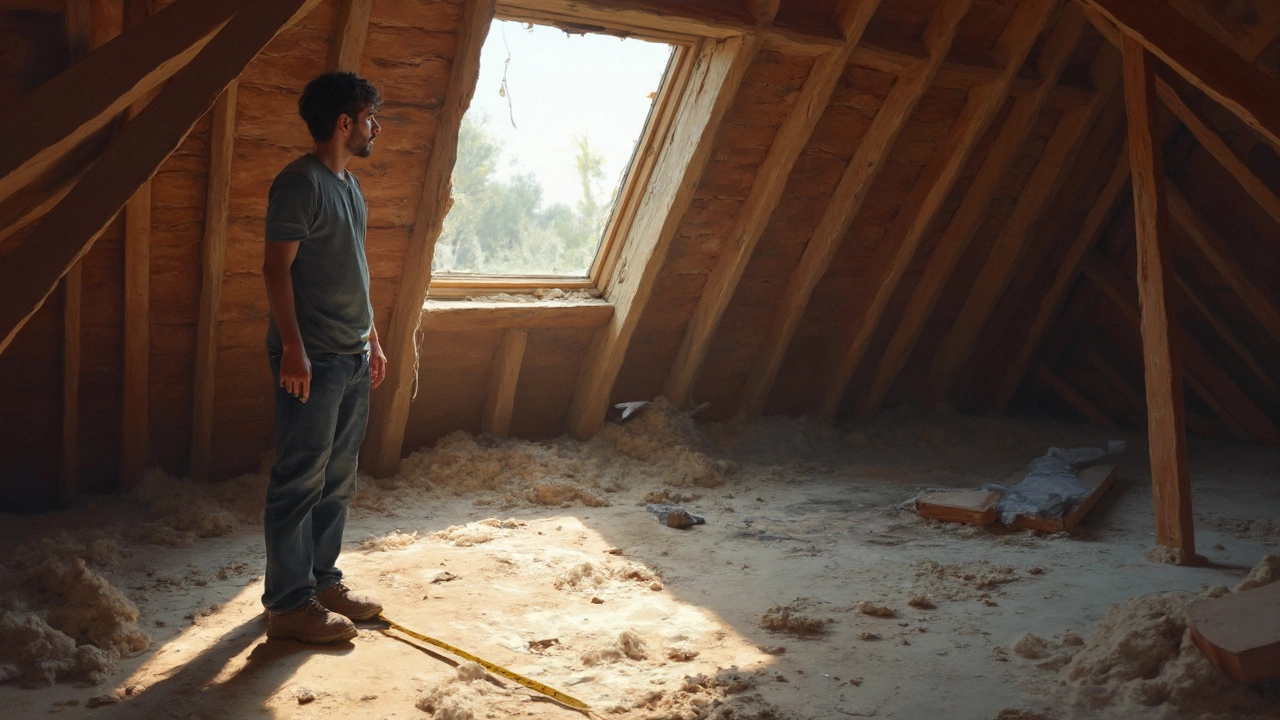
Not every loft can become your next cool hangout or spare bedroom. Some lofts fail basic checks for space, structure, or planning rules. This article breaks down which lofts are off-limits for conversions and why. If your attic looks dreamy but comes with hidden hurdles, you'll find out here. Plus, get tips on spotting red flags and what to do if your loft doesn’t make the cut.