Long-Lasting Homes: Build Smarter, Not Harder
When you think about a long-lasting home, a residential structure built to remain safe, stable, and functional for generations with minimal major repairs. Also known as a durable home, it’s not just about fancy finishes—it’s about how it’s put together from the ground up. Too many people focus on aesthetics or short-term savings, only to deal with cracked foundations, warped floors, or leaky roofs within a decade. A real long-lasting home doesn’t just survive—it thrives—because every layer, from the foundation to the roof, was chosen with durability in mind.
What makes one home last 50 years and another start falling apart in 20? It starts with the foundation, the structural base that supports the entire building and resists ground movement, water damage, and soil shifts. If your foundation settles unevenly after 15 years, you’re not alone—many homes do, especially if built on poor soil or without proper drainage. Then there’s the building materials, the physical components like lumber, concrete, insulation, and roofing that determine how well the home handles weather, pests, and time. Cheap vinyl siding might look fine today, but it cracks in freeze-thaw cycles. Pressure-treated wood resists rot, but only if installed correctly. And insulation? Poor insulation doesn’t just raise your bills—it traps moisture, leading to mold and structural decay over time.
It’s not just about what you use, but how you use it. A long-lasting home follows smart construction order—walls before floors in a bathroom, proper flashing around windows, sealed joints, and ventilation that doesn’t let moisture hide where it shouldn’t. These aren’t luxury upgrades. They’re non-negotiables. Look at the posts below: one explains why houses still settle after 20 years, another breaks down what goes into real residential construction versus commercial builds, and another shows how material choices impact long-term costs. You’ll find real examples of what works—and what turns into a money pit.
Building a home that lasts isn’t about spending the most. It’s about spending wisely. It’s about choosing materials that don’t need replacing every five years. It’s about understanding how water, heat, and ground movement affect your house over decades. And it’s about knowing the difference between a quick fix and a real solution. The posts here don’t sell dreams—they show you what actually holds up, in real homes, in real weather, over real time. Whether you’re building new, renovating, or just trying to understand why your house is acting up, this collection gives you the facts you need to make smarter calls—today and for the next 30 years.
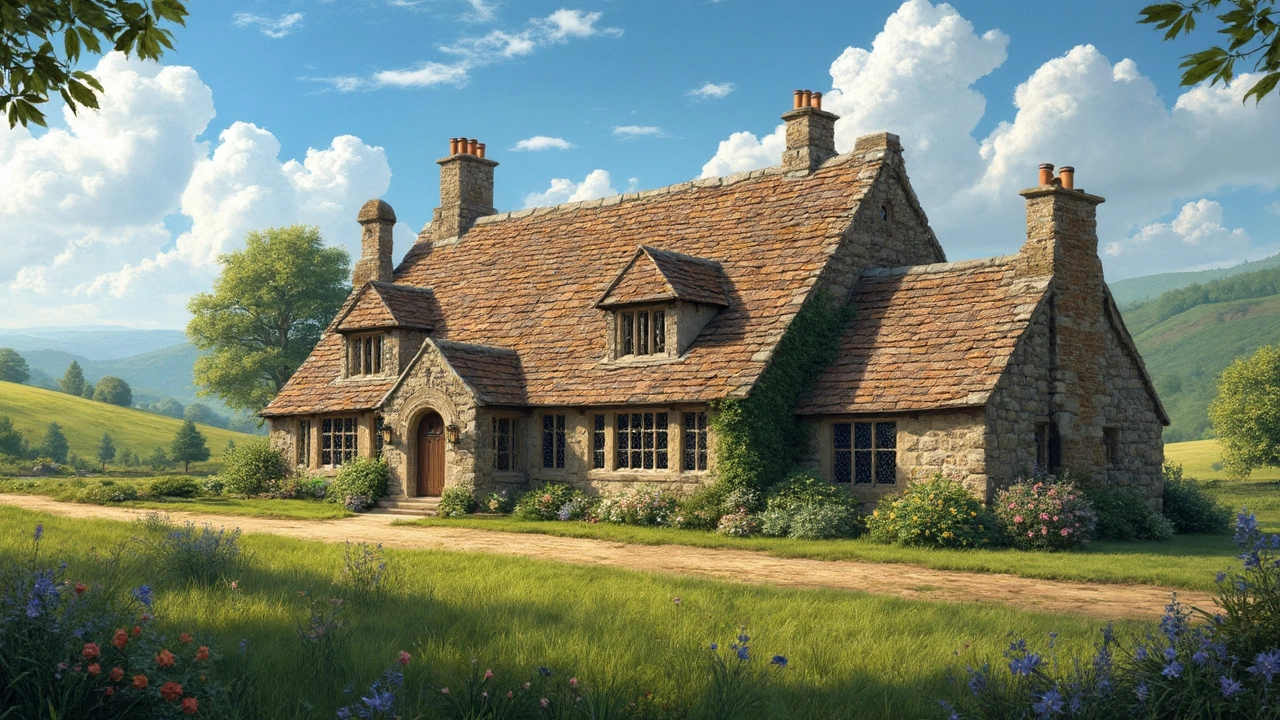
What is the Longest Lasting Material to Build a House?
Looking to build a house that stands the test of time? Discover materials that promise strength and longevity. From classic stone to modern innovations, we'll explore what makes certain materials more enduring and why they might be right for your next project. Get insights on durability, cost, and practicality to make an informed decision for a long-lasting home.