Residential Construction: What It Really Takes to Build a Home That Lasts
When you think about residential construction, the process of designing and building homes for individuals and families. Also known as home building, it's not just about bricks and beams—it's about creating spaces where lives unfold. Whether you're starting from scratch or upgrading an old house, residential construction is where decisions stick for decades. And the truth? Most people get it wrong by focusing on looks instead of function.
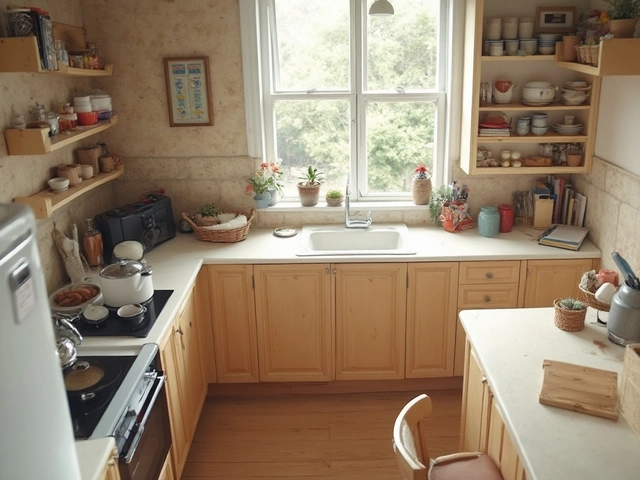
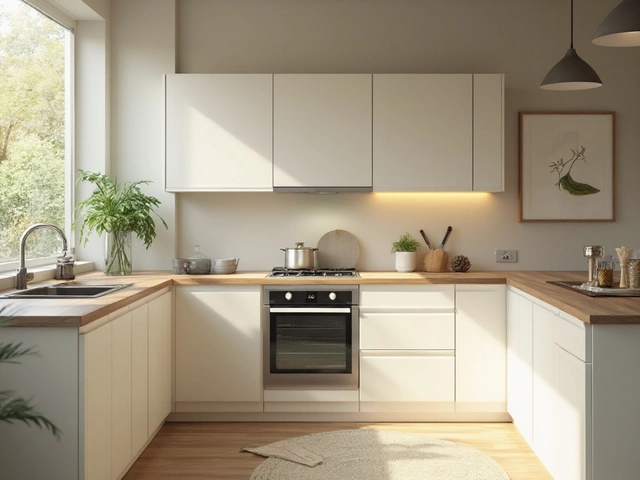
Good residential construction starts with understanding what drives cost, comfort, and resale value. A kitchen renovation, a core part of any home upgrade that impacts daily life and property value can add more equity than a fancy fireplace. Same goes for bathroom upgrades, high-traffic areas where quality materials and smart layout pay off in durability and usability. These aren’t just trends—they’re proven investments. Then there’s the foundation. Houses can still settle after 20 years, and poor framing or drainage today means expensive fixes tomorrow. You don’t need the fanciest finishes—you need solid structure, proper insulation, and layout that matches how you actually live.
What’s missing from most home projects? Planning for the long haul. People chase trends like open-plan living or matte black faucets, but forget about airflow, noise control, or how the fridge placement affects their morning routine. Residential construction isn’t a one-time event—it’s the backbone of your daily life. That’s why the best projects balance practicality with personal style. You’ll find real cost breakdowns for kitchen remodels under $30,000, step-by-step orders for bathroom renovations, and why LED lighting isn’t just eco-friendly—it’s cheaper for decades. There are also deep dives into what makes a new build worth the wait, how to spot settlement cracks before they become problems, and why some materials last while others turn into headaches.
Everything here comes from real projects—not theory. No fluff. No guesswork. Just what works when you’re living in the space, not just showing it off.
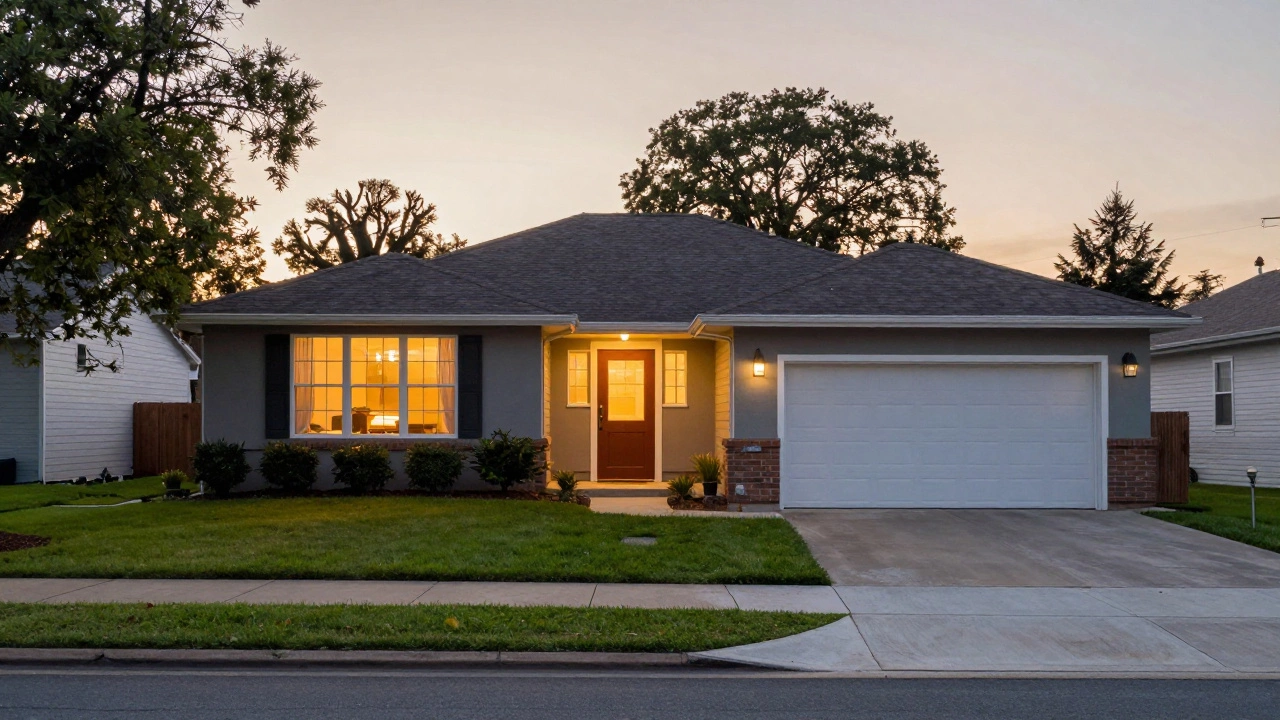
What Is the Opposite of Commercial Construction?
The opposite of commercial construction is residential construction-buildings designed for living, not business. Learn the key differences in purpose, codes, materials, and cost.
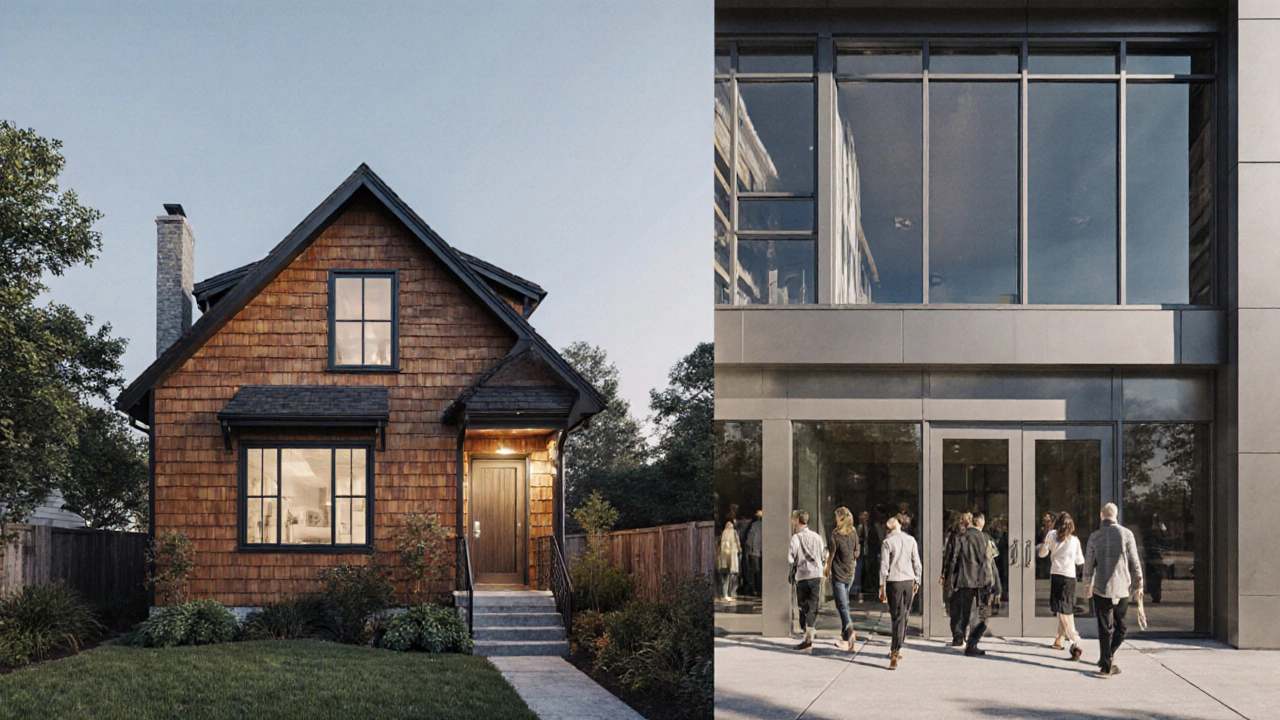
What Is the Major Difference Between Residential and Commercial Construction?
The major difference between residential and commercial construction lies in purpose, codes, materials, and scale. Homes are built for comfort; commercial buildings are built for function, safety, and high traffic.
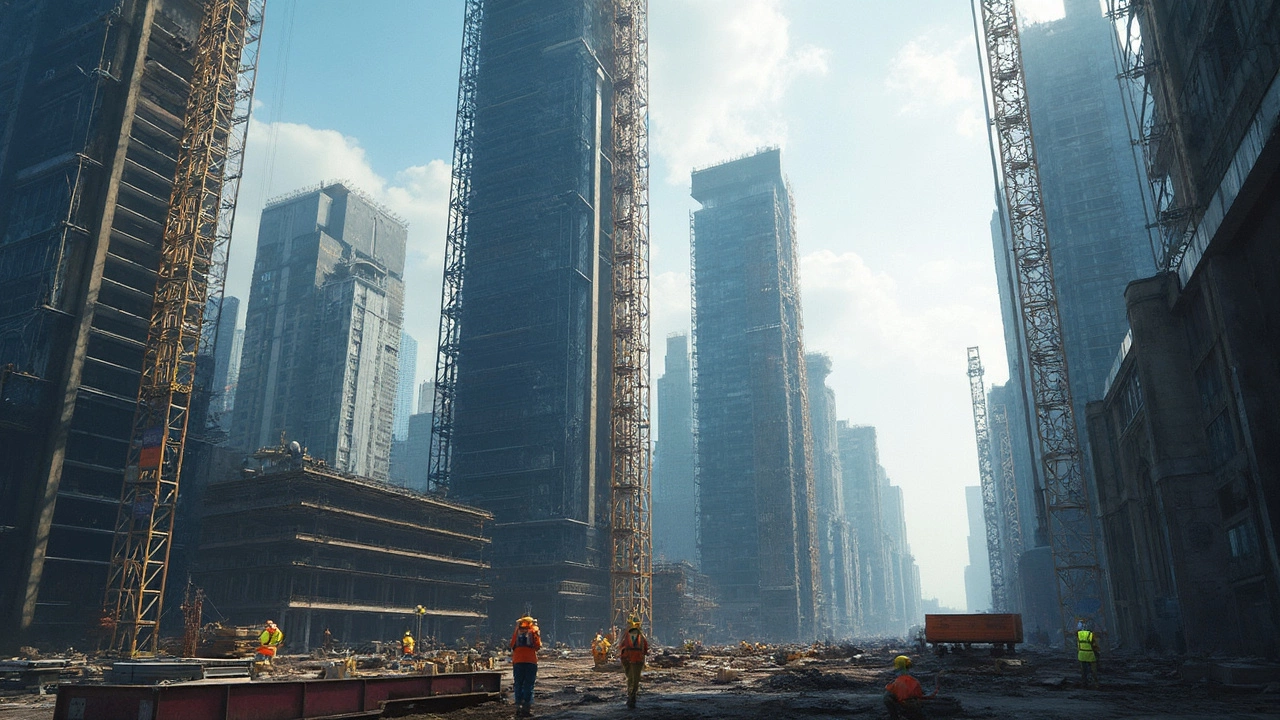
Is Commercial Construction Breaking the Bank Compared to Residential?
Commercial construction often seems like a costly endeavor compared to residential projects, but what drives this difference? This article dives into the nitty-gritty of why commercial construction tends to be more expensive. From building codes to materials and timeline constraints, we explore the various factors that pump up costs. You'll also get practical insights into budgeting and planning to manage these expenses efficiently. Whether you're a budding developer or just curious, understanding these differences can be a game-changer.