Room Squareness: Why It Matters in Home Renovations and Construction
When you're planning a renovation, room squareness, the measure of how perfectly rectangular or square a room’s walls and corners are. Also known as corner accuracy, it’s not just about looks — it’s about function, cost, and long-term stability. A room that’s out of square might look fine at first glance, but it causes headaches down the line: cabinets won’t fit, tiles crack, doors stick, and floors buckle. This isn’t just a DIY problem — it’s a structural one that shows up in homes built decades ago and even in new builds if the foundation shifted.
Foundation settlement, the gradual sinking or shifting of a home’s base over time. Also known as house settling, it’s one of the main reasons older homes lose squareness. You might notice it when a door won’t close properly or when you see diagonal cracks along walls. It doesn’t happen overnight. Houses can still settle after 20 years, especially if the soil underneath changes with weather or poor drainage. And when the foundation moves, walls tilt, corners go crooked, and suddenly your perfectly planned kitchen layout won’t work because the walls aren’t parallel.
Wall alignment, how straight and level walls are relative to each other and the floor. Also known as plumb and level, it’s the next piece of the puzzle. Even if your floor is flat, if your walls aren’t aligned, everything you install — from shelving to wallpaper — will look off. Contractors often check squareness with the 3-4-5 triangle method or laser levels, but most homeowners never think to ask. And that’s where problems start. A $10,000 bathroom remodel can turn into a $20,000 mess if the walls aren’t square and you’ve already bought custom tiles or cabinetry.
Room squareness isn’t something you fix with paint. It’s something you measure before you spend a dime. Whether you’re adding a new floor, installing a kitchen island, or just hanging pictures, the shape of the room determines how much you’ll spend and how happy you’ll be. In new builds, builders sometimes cut corners to save time. In older homes, decades of movement have already taken their toll. Either way, ignoring it leads to wasted materials, extra labor, and frustration.
You’ll find posts here that dive into real-world cases: how a crooked wall ruined a bathroom tile job, why a kitchen remodel went over budget because the walls weren’t parallel, and how to spot early signs of foundation shift before it costs you thousands. These aren’t theory pieces — they’re lessons from jobs done, mistakes made, and fixes that actually worked. If you’re planning any kind of renovation, whether it’s a simple refresh or a full rebuild, understanding room squareness isn’t optional. It’s the first thing you need to check — before you buy a single screw.
3 4 5 Rule Flooring: How to Nail Accurate Layouts Every Time
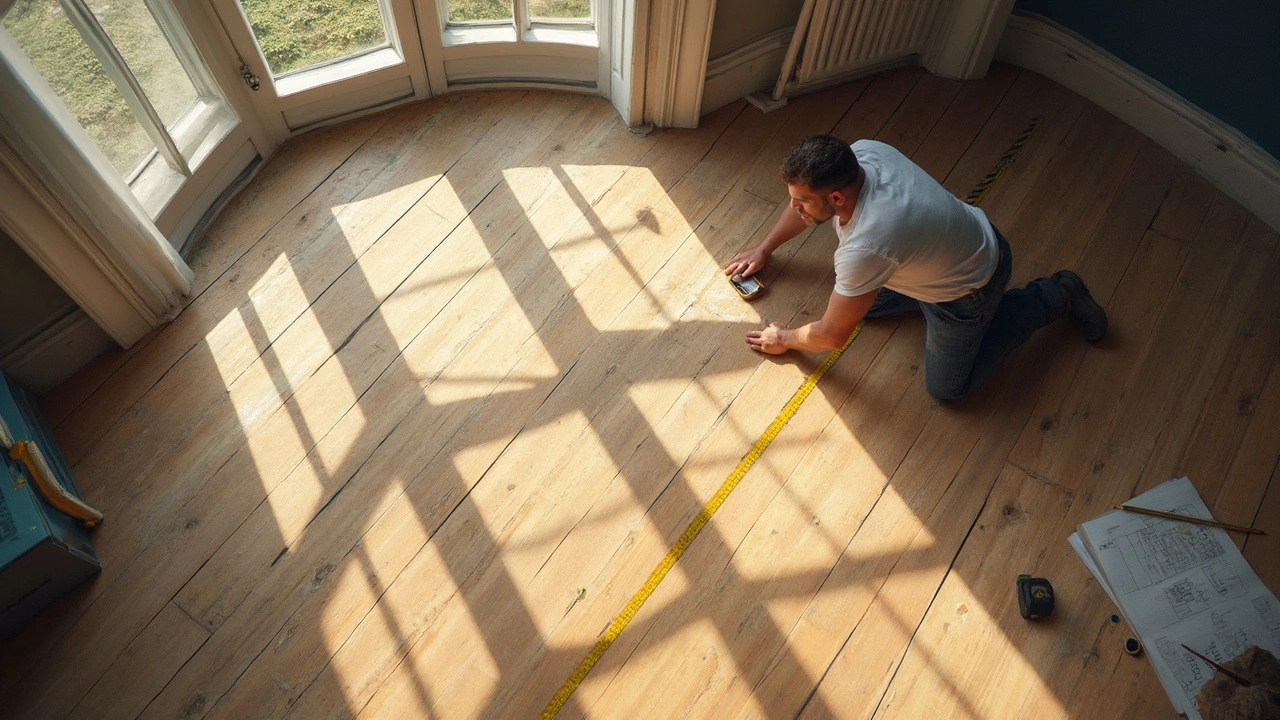
Curious about the 3 4 5 rule in flooring? This article breaks down what it is, why pros swear by it, and how you can use it to get sharp, accurate floor layouts. Learn step-by-step how to check if your room is square and avoid wonky floor patterns. Grab helpful tips to save time, stress, and materials on your next flooring project.